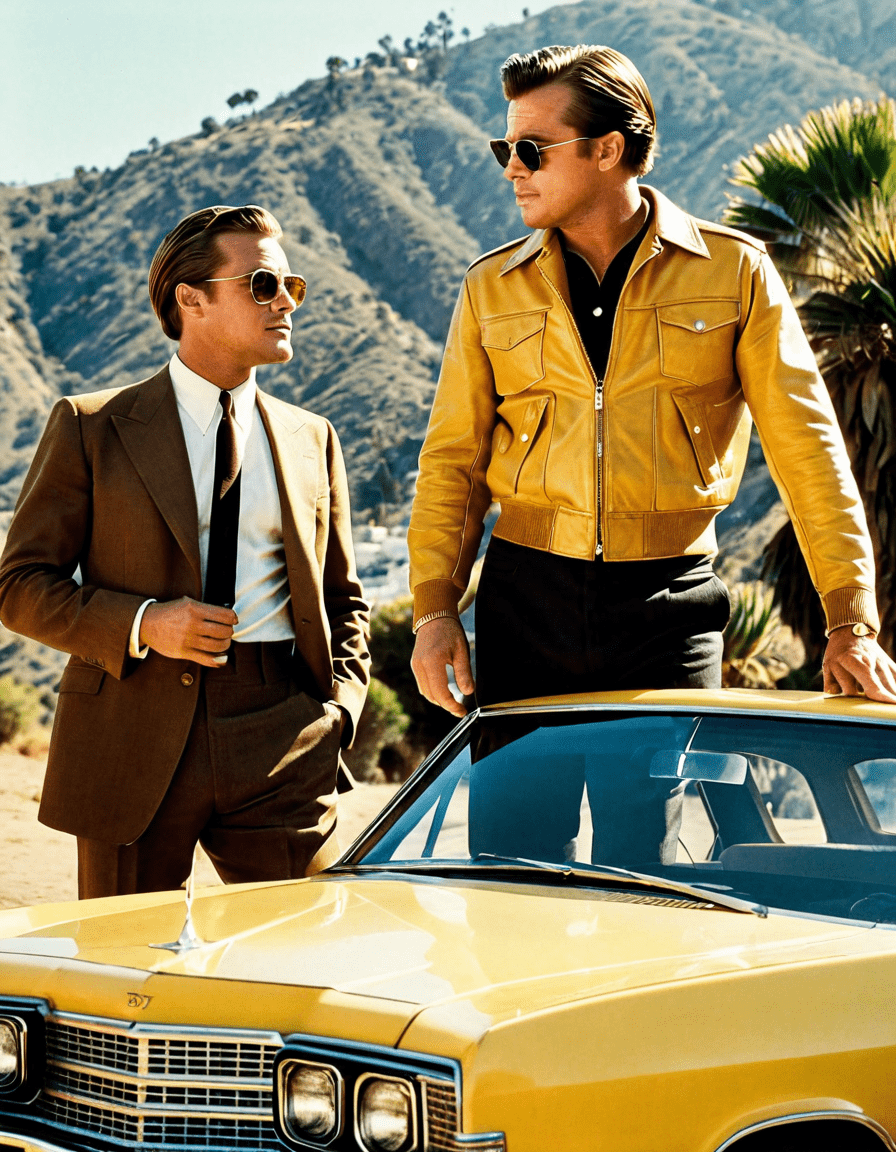

Quentin Tarantino’s film Once Upon a Time in Hollywood is like a kaleidoscope of nostalgia, swirling together the glitz of the late 1960s with a splash of modern critique. Set against a backdrop of a Hollywood poised on the brink of transformation, the film intricately weaves together the fates of its characters while reflecting the industry’s complex evolution. As viewers venture through this magical narrative, they encounter both a celebration of a bygone era and a stark reminder of today’s changing societal dynamics. It’s more than just a stroll down memory lane; it’s a passionate heartstring tug at what was—and what just might be again.
The light shines bright on the Once Upon a Time in Hollywood cast, featuring heavyweights like Leonardo DiCaprio and Brad Pitt. Together, they paint a vivid picture of the industry’s shifting landscape, showcasing the pressures faced by actors during a time of upheaval. Their journey highlights not just their immense talent but the contrasting experiences that define the male leads fighting for relevance in an industry uncertain of its direction. With Tarantino’s signature dialogue and suspenseful charm, the film serves up a delightful concoction of exuberance and melancholy, making it a masterpiece of storytelling.
As we dive deeper into the multifaceted themes of Once Upon a Time in Hollywood, it becomes evident that the film goes well beyond a simple homage. It emerges as a robust commentary on fame, friendship, and the ever-changing tapestry of American culture. Tarantino’s ingenious layering of real-life events with fictional narratives ties the past and present in a beautifully chaotic knot, reminding us just how intertwined these narratives can be.
Top 7 Themes from Once Upon a Time in Hollywood that Reflect the Golden Era
The film bursts with nostalgia for the golden age of Hollywood. From its artfully recreated vintage film sets to costumes that shimmer like stars, Once Upon a Time in Hollywood transports viewers to a time steeped in glamour. It pays homage to epics like Easy Rider and Bonnie and Clyde, casting a wistful glow on an era defined by larger-than-life figures and unforgettable celluloid moments.
Tarantino’s signature style emerges in the film’s seamless melding of fact and fantasy. Characters like Bruce Lee, portrayed by Mike Moh, and real-life events, particularly the Manson Family murders, raise curious questions about how narratives shape our understanding of both culture and history. By engaging with this interplay, audiences are challenged to dissect the layers of cinema against the backdrop of a real, tumultuous past.
Rick Dalton (DiCaprio) and Cliff Booth (Pitt) stand as symbols for the changing tides ringing through Hollywood’s landscape. Both represent varied archetypes for male stars, wrestling with their identities in an industry increasingly focused on gender dynamics. While Dalton grapples with obsolescence, Booth embraces a steadfast loyalty that is richly rewarding, adding depth to the exploration of what it means to be a man in Hollywood.
Against the backdrop of an industry in transition, Tarantino critiques the rise of New Hollywood. Dalton’s struggle with relevance becomes a microcosm for a community grappling with the loss of the golden era. References to influential directors like Roman Polanski anchor this discussion in reality, illustrating the exhilarating yet alarming shift from the studio systems of yore to a more fragmented creative landscape.
The film acts as a mirror to a society at a crossroads. Cultural upheaval bursts forth in the late 1960s, with counterculture movements capturing the zeitgeist. Tarantino does not shy away from the chaos but instead weaves it into the tapestry of Hollywood life, painting a vivid picture of cultural changes that resonate with audiences today, particularly when juxtaposed against the serene façade presented on-screen.
Margot Robbie’s luminescent portrayal of Sharon Tate serves as a poignant commentary on the representation of women during this captivatingly troublesome era. The film reveals the dual struggle faced by actresses caught in the relentless grip of fame. She embodies both the ideal and the tragic reality, offering a nuanced glimpse into the pressures of young stardom that resonate even today, much like Michelle Pfeiffer’s diverse roles that challenged the status quo.
At its heart, Once Upon a Time in Hollywood is undeniably about the bonds of friendship. As we watch Dalton and Booth navigate the murky waters of their declining careers, the film underscores a timeless truth: loyalty counts. This theme creates a strong counterpoint to the shifting dynamics of Hollywood, reminding audiences that personal connections endure, no matter how tumultuous life becomes.
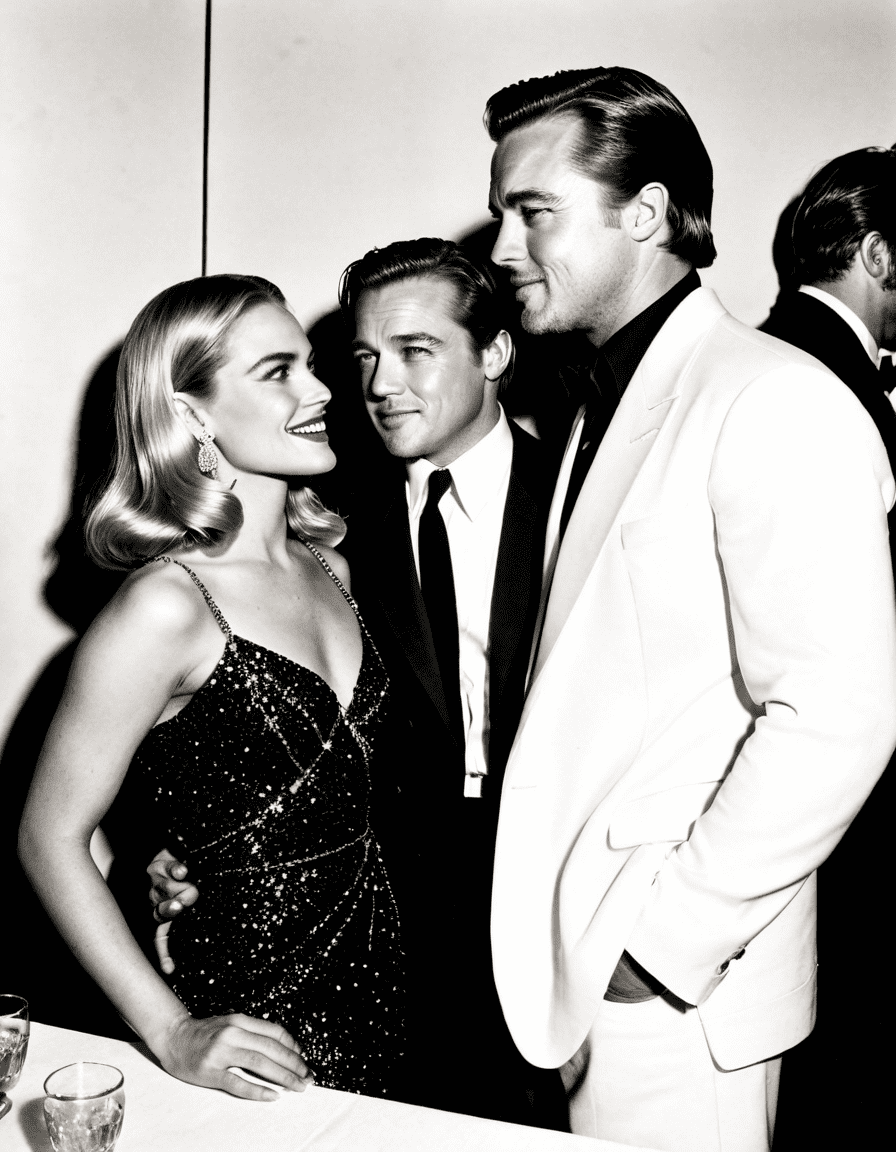
Reflecting on the Legacy of Once Upon a Time in Hollywood
Once Upon a Time in Hollywood transcends mere nostalgia—it’s an intricate dance of storytelling that critiques the very fabric of its cinematic roots. The film’s layered characters and unwavering thematic depth invite reflection on the lure and dangers of fame, as well as the ties that bind us in an increasingly bewildering world. As we inch toward 2026, the movie stands not only as a love letter to an age marked by extraordinary creativity but also as a metaphorical mirror reflecting today’s ongoing societal shifts.
Tarantino’s commitment to storytelling—capturing the murmur of voices from both the silver screen and the reality beyond—proves that narratives are never static. Instead, they breathe and evolve, becoming part of our shared human experience. Once Upon a Time in Hollywood invites us to question how these evolving stories reflect our identities, histories, and, ultimately, who we are as individuals and a culture. It is a pivotal cultural artifact that resonates across generations, reaffirming the ageless power of storytelling in shaping our perceptions of the world.
So, whether you’re craving a glimpse into Tinseltown’s heyday or simply want to revel in a cinematic masterpiece, Once Upon a Time in Hollywood delivers an experience as rich and layered as the vestiges of the golden era it so lovingly portrays. And who knows? It may just inspire you to explore hidden treasures, like the things To do in Virginia, where history breathes, much like the stories of Hollywood.
Once Upon a Time in Hollywood: Fun Trivia and Interesting Facts
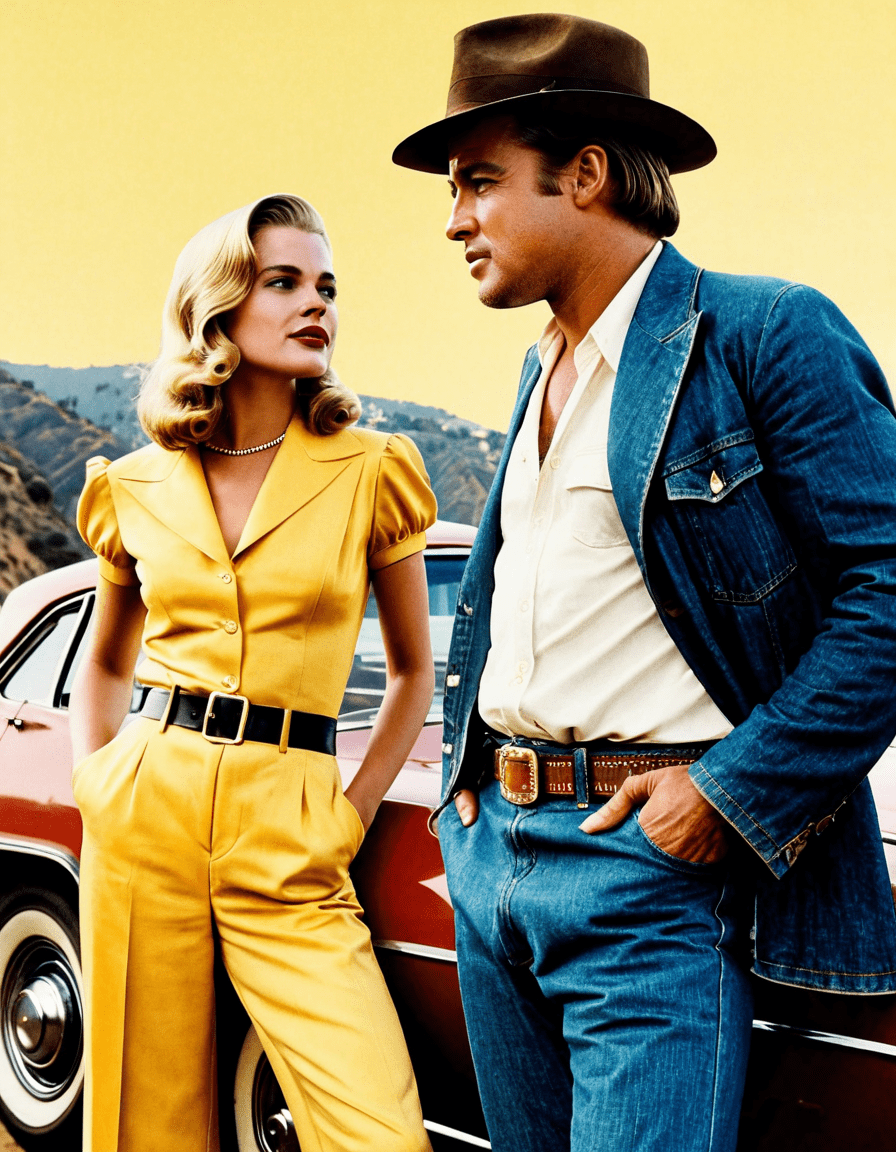
The Golden Age Revived
Once Upon a Time in Hollywood is a love letter to the dazzling era of the late 1960s, capturing the essence of Hollywood just as it began to change. Did you know that director Quentin Tarantino paid homage to this iconic time by including real-life stars in fictional scenarios? For instance, Michelle Pfeiffer, whose elegant roles often defined the big screen of the ‘80s, could’ve easily fit into the film’s spirited narrative. This kind of nod to Hollywood’s legacy adds a layer of depth that fans appreciate.
Moreover, in a time where cinematic boundaries were being pushed, contemporary artists like Billy Idol were influencing pop culture significantly. Tarantino surrounds his characters with the music of idols like Idol, helping to recreate that vibrant tapestry of sound that colored life during that golden period. The attention to detail is both impressive and essential for immersing viewers in the vibe of the time.
History Meets Fiction
As you journey through Once Upon a Time in Hollywood, you’ll spot familiar faces that played a role in shaping pop culture. The film features a multitude of characters that echo performances from classics like Beverly Hills Cop—an all-time favorite that showcased the charm of its cast. Coincidentally, the cast Of Beverly hills cop made waves during the same transformative years, reminding us how interconnected Hollywood can be through eras and genres.
Tarantino’s work isn’t limited to nostalgia alone; it also reflects serious themes amidst the glitzy background. For instance, the film’s portrayal of the changing medical landscape, much like the upcoming Medicare Advantage costs 2025 Changes, reflects society’s evolution. Every detail serves a purpose, echoing cultural shifts while grounding the fantasy in reality.
Behind the Scenes and Fun Tidbits
What’s fascinating behind the scenes is how meticulous the casting choices were, including the addition of modern-day stars like Lana Parrilla, who could easily impersonate a character from that time. The blend of current talent with historical homage creates a unique viewing experience that resonates with old-school fans and new audiences alike. While it may seem straightforward, such decisions can be pivotal to how stories are told on screen.
In a twist of fate, while watching the film, some may notice subtle references to various societal issues—recalling discussions about furosemide side effects, for instance, and how they tie cleverly into character arcs. This attention to thematic detail elevates Once Upon a Time in Hollywood above a simple historical tale, making it both entertaining and thought-provoking.
So there you have it—once you dig deeper, you’ll find that Once Upon a Time in Hollywood isn’t just a trip down memory lane but a richly woven story that highlights the ongoing dialogue between past and present in cinema!