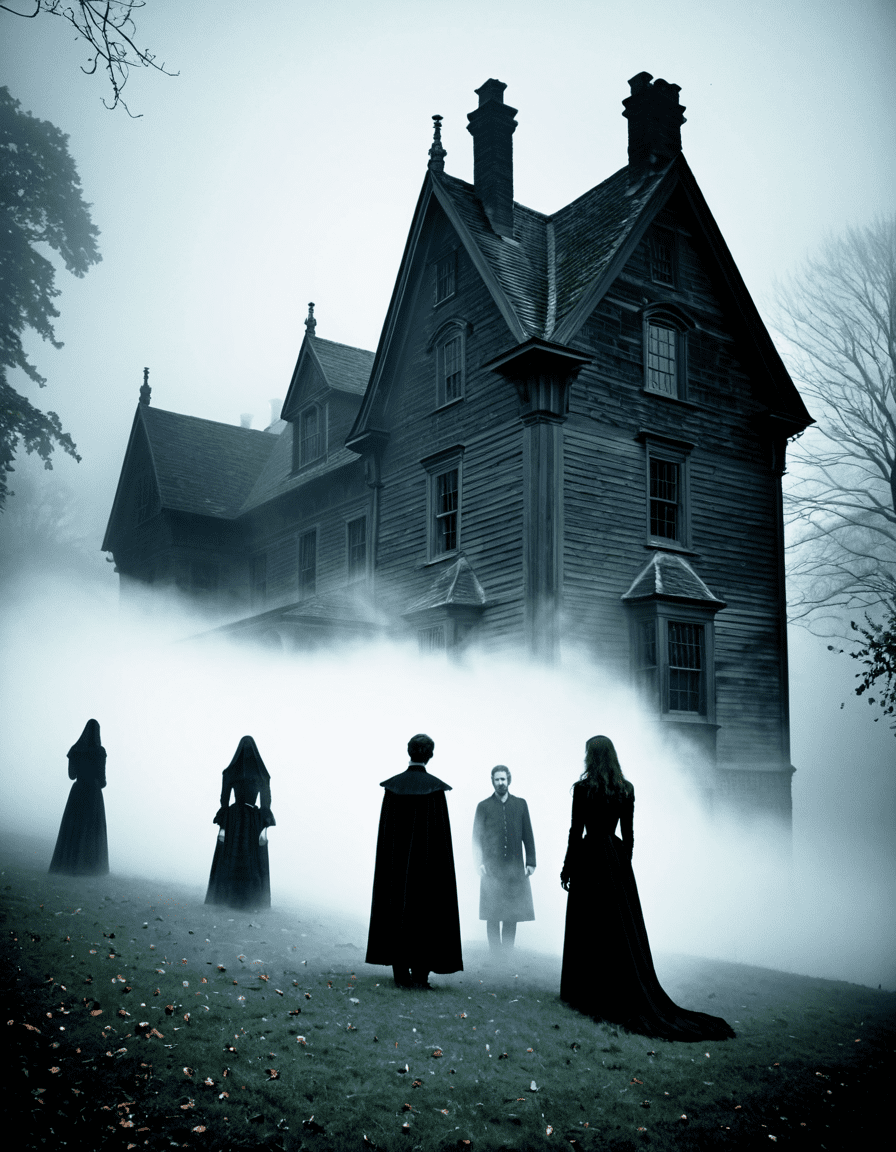
Edgar Allan Poe’s “The Fall of the House of Usher” has long captivated audiences with its themes of decay, madness, and family tragedy. But in 2026, why does this story still resonate in contemporary literature and film? The truth lies in its ability to articulate the nuances of isolation and despair, emotions that cut deep in today’s hyper-connected society. As we sweat under the pressure of constantly curating our lives for social media, the creeping darkness of psychological horror becomes evident. Ghost stories today aren’t just about eerie shadows lurking in the night; they’re an exploration of the internal battles we face, striking parallels with Roderick Usher’s fateful descent into madness.
As we navigate the swirl of pixels in the digital age, Poe’s exploration of emotional turmoil rings as true as ever. The psychological horror in “The Fall of the House of Usher” isn’t confined to its pages; it stretches out into our real lives. We can’t help but feel a chill when reflecting on how Roderick’s deeply troubled state can easily mirror the frazzled existence many lead today—isolated, often alone, surrounded by facades that hide the truth about our mental health.
The Relevance of Gothic Horror Through Today’s Media: The Fall of the House of Usher
In this world of instantaneous connection, isn’t it fascinating how often we feel alone? Despair drips from the pages of Poe’s classic, echoing through every corner of modern storytelling. Movies such as “The Secret Life of Walter Mitty” play on this very theme. Walter’s daydreams offer a quick escape, much like Roderick’s eerie confinement leads him deeper into madness. The stark dichotomy of their experiences serves up a deliciously haunting slice of humanity—reminders that isolation can manifest in both fantastical escape and chilling reality.
Likewise, family dysfunction becomes a profound undercurrent in the layered narratives we digest today. Take Stephen King’s “The Life of Chuck,” for example; it expertly dials into familial bonds that unravel to reveal deeper truths about mortality, legacy, and the human condition. What haunts a family? What secrets twist and coil like shadows, threatening to consume anyone who dares peer too closely? “The Fall of the House of Usher” asks these questions, lingering like smoke from a dying fire.
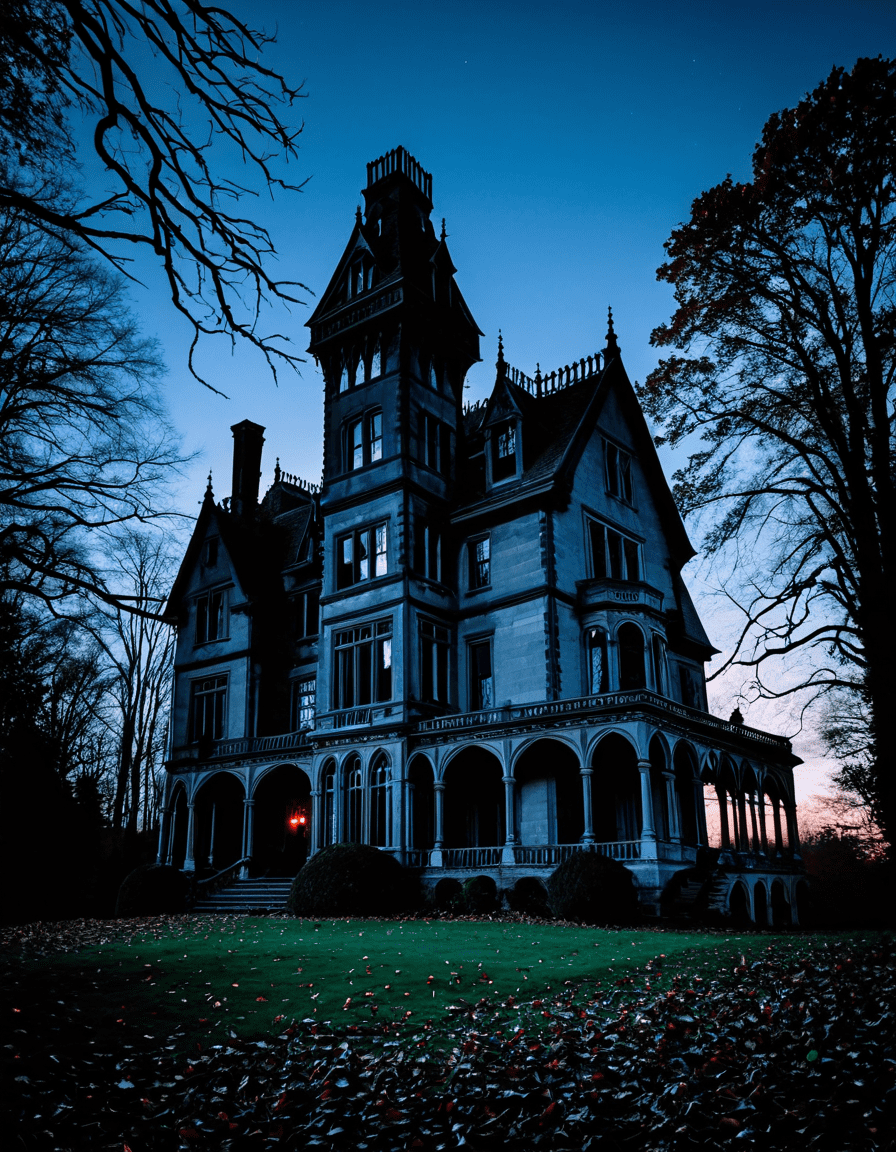
The visual splendor of a decaying mansion in Poe’s masterpiece serves as more than a mere backdrop; it becomes a living entity, entwined with Usher’s deteriorating psyche. This vivid imagery finds a mirror in contemporary narratives like “The Last Days of Ptolemy Grey,” where mental decay is a poignant part of existence. With fading memories and casting shadows, both Usher and Ptolemy confront a loss so deep it resonates with our shared fears of aging and neglect.
Top 5 Parallels Between The Fall of the House of Usher and Contemporary Narratives
Much like Roderick Usher, Walter Mitty in “The Secret Life of Walter Mitty” grapples with his own method of escape from a life that feels confining. While Mitty daydreams of adventure, Usher’s confinement leads to an unsettling realization of his reality. The two characters mirror each other’s struggles, showcasing how isolation can warp one’s perception.
The deep-rooted family ties unraveling in “The Fall of the House of Usher” resonate with “The Life of Chuck” by Stephen King. Both pieces reveal how familial connections can lead to the revelation of profound truths about mortality. The tension and deep connections bend and snap the characters, creating a relatable echo of Poe’s tragic family dynamics.
Poe’s depiction of the decaying mansion serves not only as a backdrop but as a character in itself, reflecting Usher’s mental state. In “The Last Days of Ptolemy Grey,” theme of decay resonates as Ptolemy grapples with fading memories and the deterioration of his body. Such themes compel audiences to confront their own relationship with aging, much like Usher’s haunting legacy.
The specter of family legacy looms large in both Poe’s work and the exploration of narrative identity in “My Life with the Walter Boys.” Characters are drawn to uncover their family’s ghosts while battling their pasts. The haunting feeling of unfinished business rides alongside Usher’s demonic ancestry, giving weight to the struggle of identity.
As adaptations proliferate, Alan Cumming’s roles—from stage to screen—allow audiences to witness portrayals that resonate with Usher’s tormenting psyche. So, what has Alan Cumming been in? From mesmerizing theatre performances to gripping screen adaptations, such portrayals remain hauntingly familiar, reinforcing this legacy of madness.
How Long Is the Minecraft Movie? Contextualizing Emotional Resonance in Comparisons
With the upcoming “Minecraft Movie” generating buzz, its anticipated release resonates with audiences personally affected by themes of exploration and creativity. Just as Poe’s narrative delves into the labyrinth of the mind’s dark corners, the “Minecraft Movie” offers a playful frontier of constructed worlds—an escape that, paradoxically, can symbolize both creation and destruction. Are we crafting something beautiful or merely masking the decay around us?
The emotional resonance in both stories can’t be ignored. Throughout history, explorations have led characters into the abyss, revealing the fragility of human existence. In both cases, the connection becomes apparent: as we traverse through crafted worlds or creepy mansions, we grapple with ghosts that reflect our own internal human struggles.
The Enduring Legacy of The Fall of the House of Usher in Pop Culture
In 2026, “The Fall of the House of Usher” remains a pivotal cornerstone for untangling the complexities of human emotions. It transforms from just another classic into a lens through which to navigate the tumultuous tides of life. From contemporary adaptations blending horror with introspection to modern narratives that draw from its core themes, Poe’s dark legacy whispers to us across generations.
The question lingers: what does it mean to be haunted by our legacy? Each new adaptation, narrative, and reflection in literature and film keeps Poe’s original tenets alive. In seeking to understand these powerful stories, we too embark on a journey through the murky waters of our own psyche, as echoes of Usher’s tragic tale resound in our modern-day lives. As we grapple with our ghosts, we recognize that the efforts to confront them may just mirror the timeless struggle of the human experience—an experience that’s still compellingly relevant today.
As we reflect on this legacy, it becomes evident that “The Fall of the House of Usher” not only belongs to the past but continues to shape our understanding of isolation, decay, and familial ties in storytelling today. So, grab your haunted heart and navigate this literature-infused labyrinth with care, for the legacy of Usher isn’t just confined to dusty old pages; it lives on and pulses within us. Press on!
The Fall of the House of Usher’s Haunting Legacy
Eerie Inspirations
Did you know that “The Fall of the House of Usher” was inspired by Edgar Allan Poe’s own struggles with mental health? Throughout his life, Poe battled demons that deeply influenced his writing. In fact, some of his more eerie narratives, like this one, reflect a fear of madness and loss, themes often tied to his personal experiences. Speaking of haunting tales, John Hurt played memorable roles in various films, bringing characters to life with chilling intensity, not unlike Poe’s protagonists.
Cultural Footprints
This iconic story has lingered in popular culture and has been referenced in various mediums. For example, the term ‘usher’ evokes images of haunting heritage. You might find it interesting that “The Fall of the House of Usher” has even made its way into video games like Unreal Tournament. The gory themes and dark settings align disturbingly well, capturing the essence of Poe’s gripping horror. Meanwhile, if you’re a board game fan, you might find backgammon – a game of chance and strategy – offers a different kind of tension, though certainly less macabre than Poe’s work.
Thematic Connections
Moreover, the familial blood ties and suffocating atmospheres in “The Fall of the House of Usher” echo elements found in classic narratives such as The . Both stories explore themes of decay and disillusionment, albeit through very different lenses. Even the ensemble cast of “Brooklyn Nine-Nine”, while primarily comedic, sometimes offers chilling insights that reflect darker realities, much akin to the emotional undercurrents in Poe’s tale. The sharp contrasts between laughter and despair reinforce how diversely humanity can experience life.
Poe’s work undoubtedly reverberates today, intertwined with how we perceive relationships, madness, and even the mundane aspects of existence. Just like the gripping narratives that pull us in, don’t forget to explore other classic good Books that might resonate with those who appreciate Poe’s chilling style and complex characters. If you want a different kind of thrill that’s also filled with emotional depth, be sure to check out how the upcoming Wakanda Forever tickets make waves in explorative cinema. After all, stories—whether they tug at our heartstrings or chill our bones—connect us in unexpected ways.