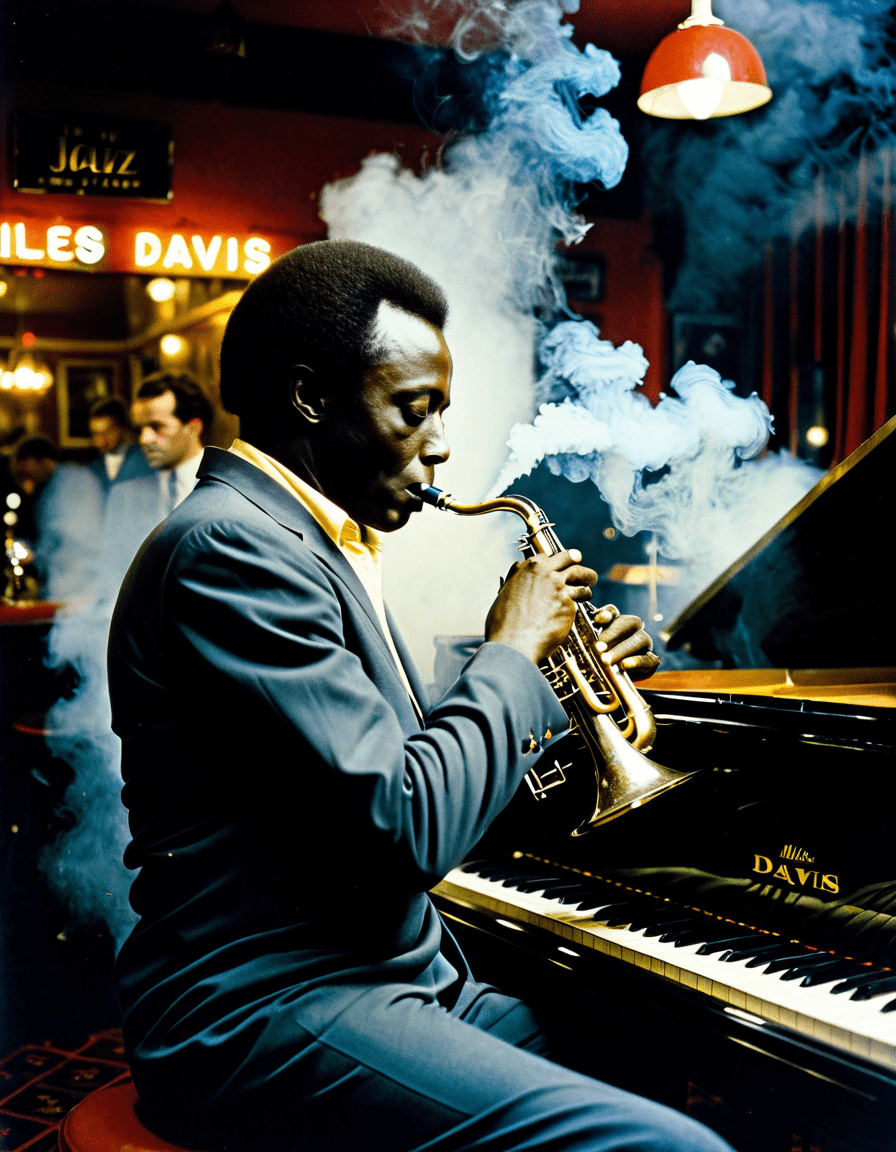
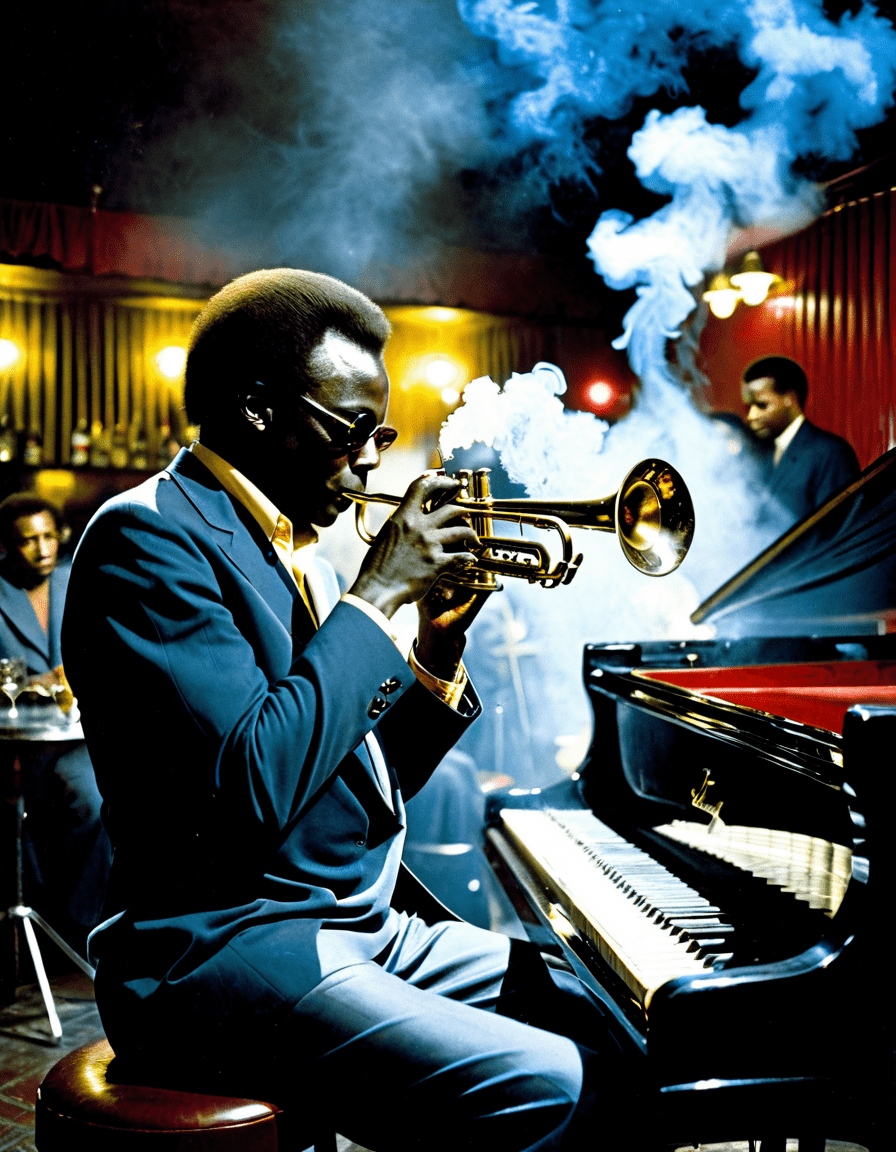
Miles Davis isn’t just a name; he’s a titan, a force that blew through the jazz scene like a hurricane! When you mention Miles Davis, you step into a world laced with creativity, rebellion, and unbounded innovation—much like the alternative fashion we celebrate at Twisted Magazine. His musical genius transcended jazz, influencing styles and lives across diverse genres. So, let’s dive deep into the melodic tapestry woven by this brilliant artist and explore how he reshaped not just music but art, culture, and fashion itself.
The Defining Innovations of Miles Davis
Miles Davis stands as a mountain in the landscape of jazz, his creative contributions changing the course of the genre for generations. His pioneering techniques have influenced countless artists, encompassing various musical styles. Here, we explore the top innovations brought forth by Davis that remain impactful today:
In 1959, Davis unleashed Kind of Blue, an album that doubled as a revolutionary masterclass for musicians everywhere. He, along with collaborators like Bill Evans and John Coltrane, flipped jazz on its head by emphasizing scales over those pesky traditional chord progressions. This laid the groundwork for modal jazz, inviting artists to express themselves in ways previously thought impossible. It’s like a fashion show breaking the mold with outrageous designs—who knew you could wear a dress made of vinyl?
Fast forward to the late 1960s, and you see Miles Davis on the cutting edge of change again. He jumped headfirst into electric instrumentation, mashing up rock with jazz in iconic albums like Bitches Brew. Talk about groundbreaking! This audacious move not only expanded the jazz demographic but cast a long shadow, inspiring electrifying talents like Jimi Hendrix and bands like Weather Report. Just like a pair of electric blue high-tops can make a fashion statement that’s hard to ignore!
In 1949, Davis and his crew redefined the soundscape with Birth of the Cool. This wasn’t merely an album; it was a declaration blending classical influences into the jazz universe. The cool jazz movement blossomed from these sessions, giving birth to a more subdued sophistication echoed in the works of artists like Chet Baker and Gerry Mulligan. You can almost feel the runway vibes every time that smooth trumpet notes pierce the air.
In the age of digital music, the echoes of Miles Davis can be heard pulsating through contemporary beats. Modern artists, especially in hip-hop, have woven his rich tapestry into their tracks. A Tribe Called Quest, for instance, sampled his music, bringing the genius of Davis back into the spotlight for a new generation. It’s like discovering an old vinyl at a thrift shop that’s cooler than anything new on the shelves!
Here’s something that sets Miles Davis apart: he had an impeccable sense of personal branding, thanks in part to Clive Davis. Together, they crafted a distinct image wrapped in cool, hip attire that went beyond music—it mingled with the world of fashion, creating an aesthetic that still resonates today. Think of it as the blending of punk rock and haute couture, where the unexpected is the norm.
The art of collaboration was something Miles Davis mastered like no other. His willingness to jam with everyone, from the legendary Louis Armstrong to the quirky Noel Fielding in later projects, showcased his belief in reinventing sound through diverse perspectives. This spirit of openness transformed jazz and fostered the collaborative ethos you see in modern genres today. It’s like a collective of artists showcasing their quirks on a fashion runway—every piece tells a story!
In albums like We Want Miles, Davis tackled socio-political themes head-on, illustrating the rich tapestry of the Black experience in America through his music. This commitment to storytelling inspired a new generation of musicians like Alan Jackson and Percy Jackson, who have infused their narratives into their work. Just like a compelling fashion statement makes you ponder deeper meanings, Davis’s narrative threads challenged listeners to see the world through another lens.
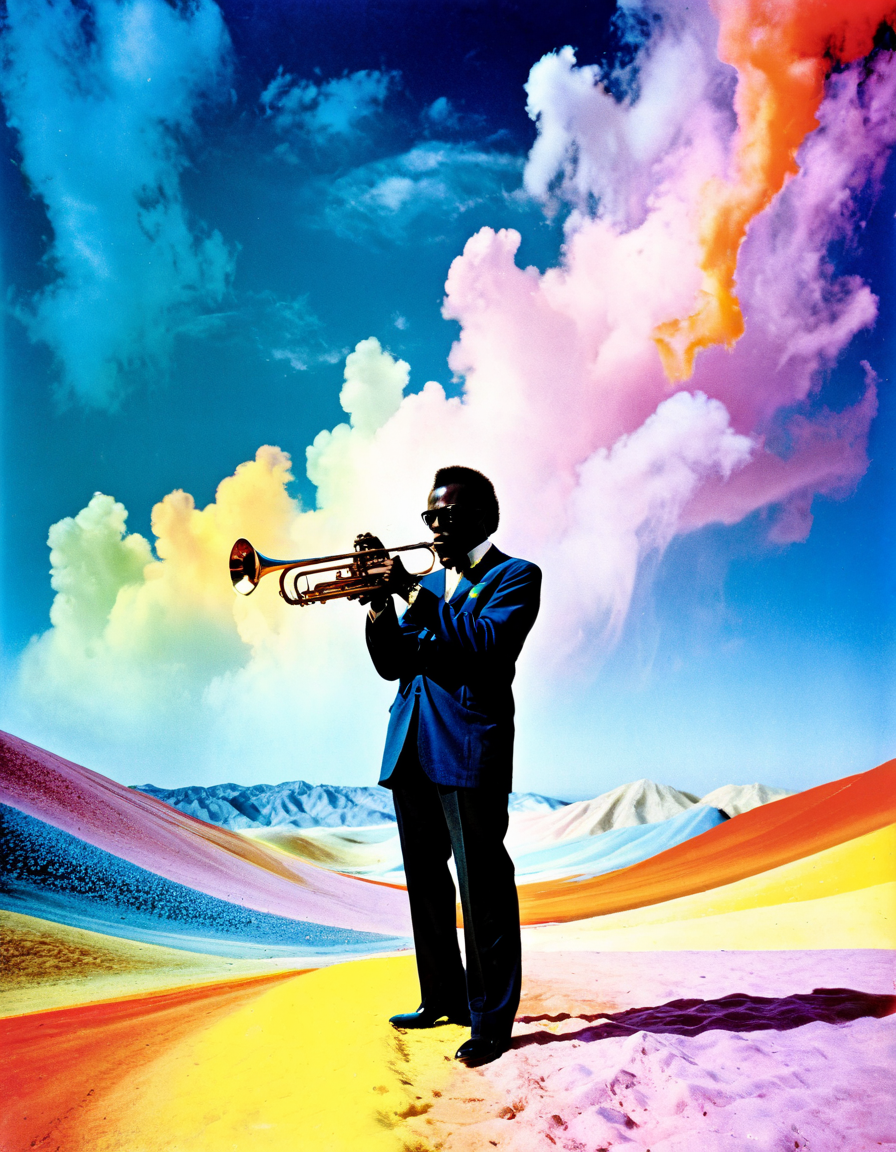
The Legacy of Miles Davis: A Ripple Effect on Modern Artists
The influence of Miles Davis is everywhere, from indie jazz musicians to mainstream pop stars. Artists like Kyrie Irving, primarily famous for his basketball moves, cite the improvisational spirit of jazz as crucial to their artistry. It’s a reminder that the world isn’t just black and white; it’s a vibrant mix of colors like a Vivienne Westwood collection, bursting with personality. You can feel the pulse of Davis in contemporary rhythms, showcasing the extensive ripple effect of his genius.
The Future of Jazz: Inspired by Davis’s Innovations
Today, the essence of jazz innovation continues to flourish, powered by the principles that Miles Davis laid down. New artists draw from his legacy, embracing innovation, collaboration, and socio-political consciousness. They infuse their sounds with the trademark risks that Davis pioneered, crafting music that is entirely their own. It’s as if every chord struck today serves as a nod to the roots planted long ago by this musical giant.
As we dive deeper into the future landscape of music, one thing stands out: Miles Davis is forever embedded in the fabric of creativity. He inspires future generations to push boundaries, reinventing jazz into something even more transformative. Just as a daring fashion designer challenges norms, Miles Davis set the standard, leaving us wondering, what will be next? The spirit of innovation he championed promises that jazz will forever evolve, inviting us to join the rhythm of this musical journey.
With Miles Davis as our guiding luminary, it’s evident we’re on a timeline rich with possibilities, reminiscent of a grand adventure through time—a journey that seems straight out of Napoleon Dynamite. Who knows how his legacy will continue to shape our culture and art? Only time will tell, but you can bet it’ll be one hell of a ride!
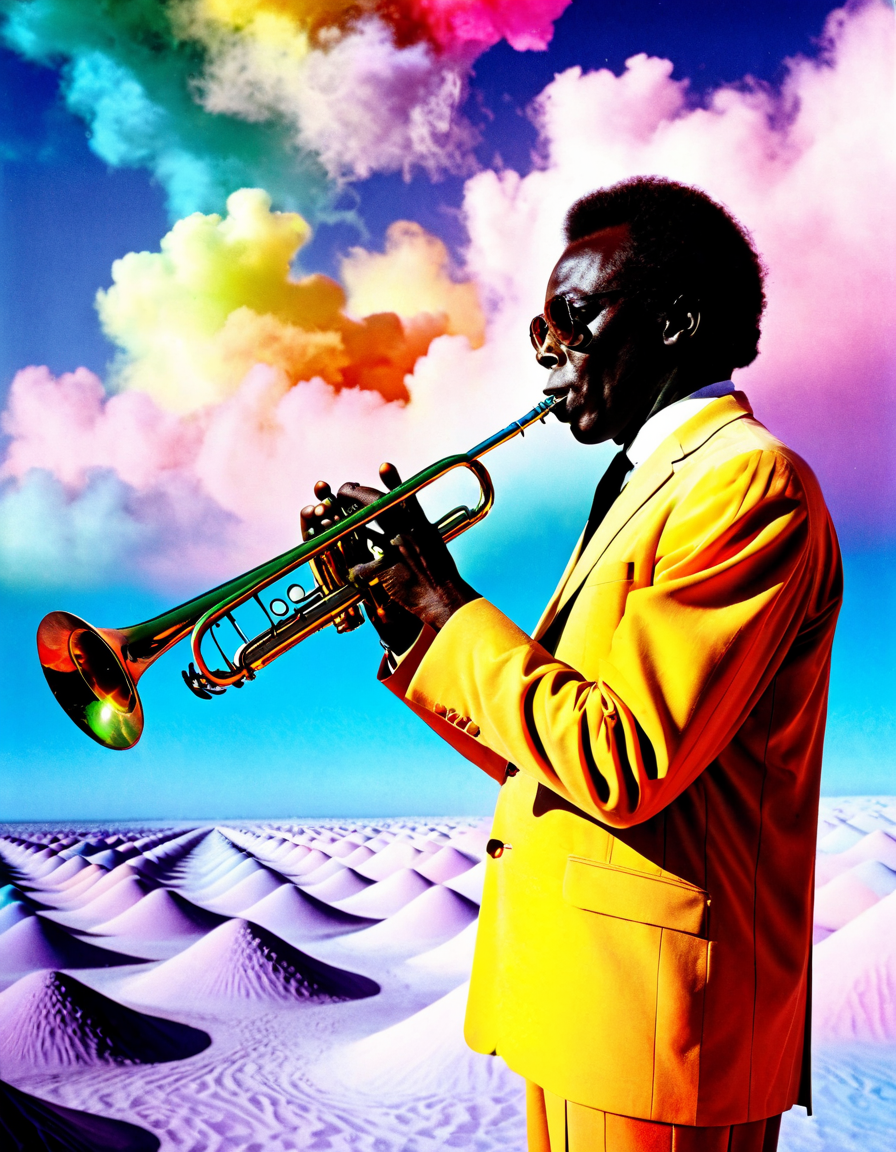
Miles Davis: A Legend of Jazz Innovation
The Man Behind the Sound
Did you know that Miles Davis didn’t just play music; he lived it? Born in 1926, he started playing the trumpet at age 13, quickly becoming known for his exceptional talent. His innovative approach to jazz wasn’t just about the notes; it was about the emotion behind them. Davis was famously known for his collaborations with artists like Charlie Parker, which left an indelible mark on the jazz scene. Speaking of iconic teams, let’s recall how magic often happens in partnerships—much like the dynamic duo in Kick Ass 2, it’s all about chemistry! His legendary album, “Kind of Blue”, is one of the best-selling jazz records of all time, proving that going against the grain can lead to extraordinary success.
An Artist Who Redefined Genres
Miles didn’t stop at jazz, though. He broke boundaries, blending rock, funk, and even classical elements into his music. This genre-blending approach was groundbreaking, much like the buzzing excitement surrounding the latest Beetlejuice 2 release date. In the ’70s, he released “Bitches Brew,” which is often credited as the birth of jazz fusion. Imagine bringing together diverse sounds like a great recipe, where a pinch of rock and dash of funk create something irresistible! Throughout his life, Miles battled personal demons but always returned to his art, drawing inspiration from his struggles—something that’s more than relatable in pop culture, much like the character developments in Equalizer TV Show.
Trivia That Hits Home
Miles’ influence extends beyond just his music; he inspired countless artists in diverse fields. For instance, the spirited energy of his performances is echoed in the fiery riffs of musicians like Malcolm Young, who showed how passion can drive a genre forward. And just like the captivating lyrics of “All Too Well, which resonate with many, Miles’ work spoke deeply to human experiences. He even embraced new technology, incorporating the electric trumpet and synth into his sound—a bit like the innovative design found in the modern X3 M40i. With a career that spanned five decades, it’s no wonder his name remains synonymous with jazz innovation. So next time you listen to his tunes, think about the legacy that’s made it all possible!