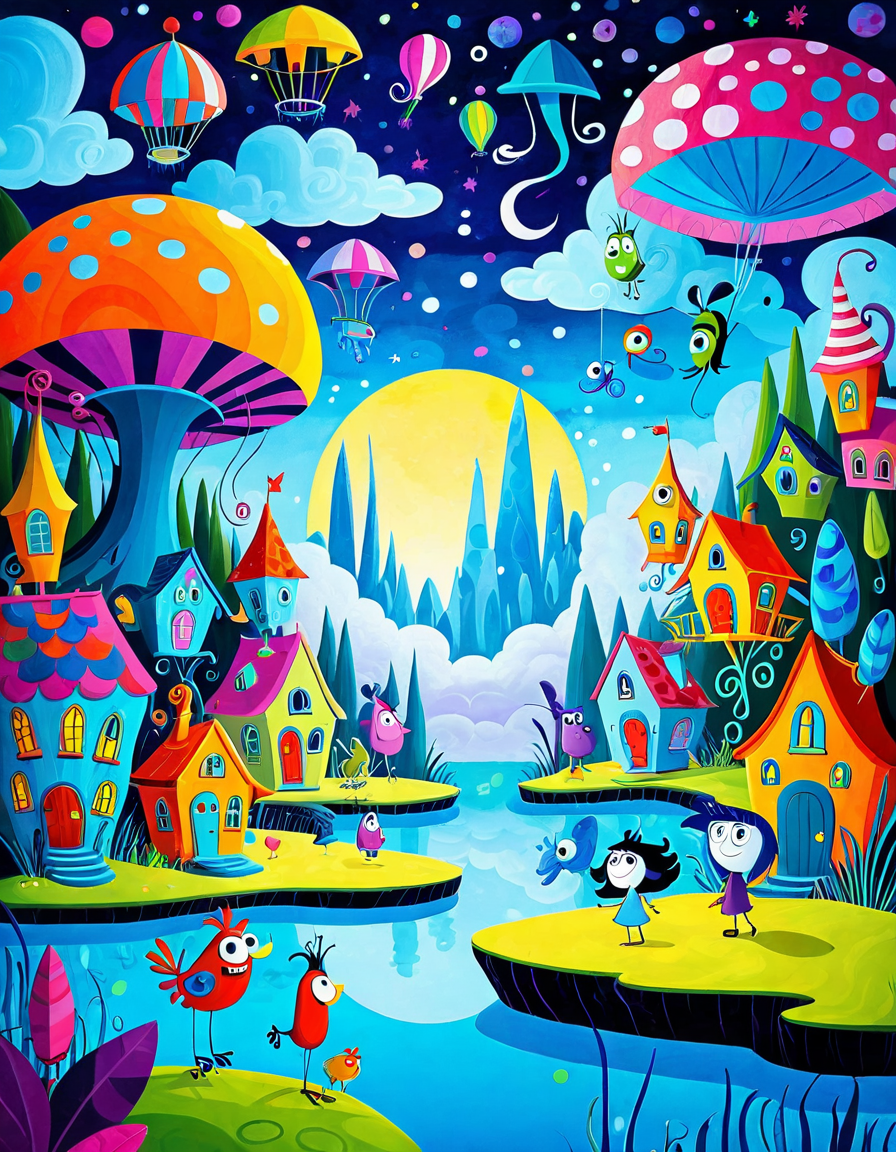
In the vibrant universe of animation, few shows encapsulate the spirit of creativity and childhood quite like Fosters Home for Imaginary Friends. Launched in 2004, this whimsical series captured the essence of imaginative play through its quirky characters and heartfelt narratives. As we dive deep into the colorful world of Fosters Home for Imaginary Friends, it’s not hard to see why it remains a cultural icon, even amidst the whirlwind of modern media that includes gems like Miss Peregrine’s Home for Peculiar Children. Let’s explore this enchanting realm and discover its lasting impact on kids’ media.
5 Reasons Why Fosters Home for Imaginary Friends Remains a Cultural Icon
1. Innovative Character Designs
The vivid character designs in Fosters Home for Imaginary Friends redefined creativity. Each imaginary friend embodies a distinct blend of colors, shapes, and emotions. Take Bloo, for instance—his cheeky demeanor encapsulates the essence of carefree childhood, while Wilt showcases the power of self-acceptance and resilience. Influences range from surrealist art to elements of pop culture, reminding us that imaginary friends mirror our own growing pains and joys.
With their mismatched features and charming quirks, these characters invite us into a world uncontained by the bounds of reality. Eduardo, with his gentle heart and fearsome exterior, is a perfect embodiment of understated strength. The audacious designs in this series reveal the playful side of imagination, proving that each imaginary friend isn’t just a character; they’re a reflection of what it means to be a child.
2. Impact on Animation and Kids’ Media
Launched boldly in a time when children’s programming often played it safe, Fosters Home for Imaginary Friends broke barriers. It introduced vibrant animation and a sprinkle of adult humor that appealed to parents as much as children. By influencing shows like Adventure Time and The Amazing World of Gumball, it opened a treasure chest of creative possibilities, allowing complex themes to weave into familiar stories.
The show shattered norms, creating a pathway for narrative complexity that brazenly embraces the awkwardness of growing up. This freedom in storytelling allows young viewers to explore their own anxieties while knowing their thoughts and feelings are valid. Remember when Bloo gets into trouble for not thinking big enough? It’s a gentle nudge for kids to embrace their creativity without fear of judgment.
3. Nurturing Imagination in Children
At its core, Fosters Home for Imaginary Friends champions the importance of imaginative thinking. In a world that sometimes feels cold and confusing, this show reminds children that their imaginary friends can serve as companions through the ups and downs of growing up. These friends illustrate the idea that confronting fears can be part of growth, allowing kids to tackle real-life dilemmas with an ally at their side.
By highlighting the importance of imagination, the show empowers children to seek out creativity even as they enter adulthood. Imagine kids watching Bloo navigate life’s challenges, learning the value of emotional connections and the richness of friendship. It affirms their feelings, enhancing emotional intelligence and providing a safe space for self-expression.
4. Merchandising Success and Cultural Footprint
When it comes to Fosters Home for Imaginary Friends, its influence goes beyond animation—it’s a cultural phenomenon. The array of merchandise, from plush toys of beloved characters like Coco and Eduardo to clothing lines featuring whimsical designs, solidified its place in the toy industry. Kids could have a part of the show with them, stimulating playtime and imagination.
Similar to how products related to Miss Peregrine’s Home for Peculiar Children blend fantasy with reality, Fosters merchandise invites fans into an engaging experience. This commercial success underscores the show’s reputation, fostering a loyal and devoted fan base that continues to thrive over the years.
5. Thematic Depth: Friendship, Belonging, and Growth
The narratives within Fosters Home for Imaginary Friends unveil themes central to the human experience—friendship, belonging, and personal growth. Each episode artfully traces the evolution of friendships, mirroring real-life challenges that resonate with viewers of all ages. It’s the kind of storytelling that lingers in the mind, harkening back to treasured childhood memories and the lessons learned along the way.
When the characters learn to navigate social dynamics and complex emotions, they remind us that every friendship is a journey. It models how to deal with misunderstandings and to celebrate differences—an important message for kids still figuring out their place in the world. This thematic richness solidifies Fosters status as a classic, attracting not just children but adults who grew up cherishing its messages.
Parallels with Miss Peregrine’s Home for Peculiar Children
Both Fosters Home for Imaginary Friends and Miss Peregrine’s Home for Peculiar Children present engaging tales steeped in imaginative storytelling. Each features uniquely crafted characters that challenge societal norms, extending an invitation to audiences to see beyond the surface.
1. Character Development
Character journeys in both narratives highlight the beauty of self-acceptance. Jacob, the protagonist of Miss Peregrine, learns to embrace his identity alongside friends who possess peculiar abilities. This parallels Bloo’s experiences, where understanding friendship’s true value leads to personal growth. Both stories showcase that embracing differences not only enriches relationships but also fosters confidence.
2. Visual Aesthetics
Visually, both series craft stunning environments that captivate their audiences. The bright, kaleidoscopic palette of Fosters mimics the exhilaration of childhood, while the atmospheric landscapes of Miss Peregrine evoke intrigue and wonder. Together, they create portals into otherworlds, each taking viewers to a deeply personal exploration of life’s splendid chaos.
New Kids on the Block: How Fosters Home for Imaginary Friends Influenced Modern Media
The influence of Fosters Home for Imaginary Friends stretches into the realm of contemporary shows, continuing to inspire a new generation of animated series that understand the importance of creativity.
1. Representation of Emotions in Modern Animation
Today’s children’s media revels in portraying complex emotional experiences. Animated gems like Big Mouth and Steven Universe dive into themes of vulnerability and growth. They reflect the profound understanding embedded in Fosters, where imaginary friends address emotional fears, teaching young viewers the importance of emotional exploration.
2. Diverse Character Arcs
Animations like Tuca & Bertie embrace diversity within friendship narratives, highlighting relatable experiences that resonate with modern audiences. This evolution recalls the emotional core that Fosters so boldly declared: empathy is key.
3. Imaginative World-Building
Modern series continue to perfect imaginative world-building, crafting environments that resonate with children’s thirst for adventure. The Owl House, for instance, introduces rich and fantastical settings where viewers are invited to explore identity and friendship, following the heartfelt trail blazed by Fosters.
4. Fostering Creativity Among Young Viewers
Today’s content creators prioritize imaginative play more than ever. Nickelodeon’s interactive programs motivate kids to think creatively, reflecting the empowering ethos that Fosters Home for Imaginary Friends laid down. It’s a clear nod to the importance of imagination in sculpting the next generation of innovators.
5. Bridging Generations Through Storytelling
The narrative legacy established by Fosters continues to bridge generational gaps, fostering lessons that linger. As adaptations and reboots arise, they reaffirm creativity, friendship, and growth, ensuring that timeless messages resonate across ages—a true tribute to the notion that imagination knows no bounds.
As we critically reflect on the cultural impact of Fosters Home for Imaginary Friends, its legacy becomes undeniably clear. The series ignited vibrant creativity that continues to influence children’s media, shaking the foundations of what animated storytelling can achieve. A symphony of adventure, emotion, and growth, Fosters is more than just entertainment; it’s a celebration of the imaginative spirit that lives within us all. ✨
With the imaginative wonder contained in each frame, Fosters Home for Imaginary Friends will forever stand as a beacon, guiding us through the whimsical landscape of our own imaginations, inspiring us not to settle for dull norms but to embrace the extraordinary colors of life.
Fosters Home for Imaginary Friends: A Colorful World of Creativity
The Imaginative Backstory
Did you know that Foster’s Home for Imaginary Friends was created by Craig McCracken, the same brilliant mind behind The Powerpuff Girls? This show not only became a staple for many kids but also appealed to adults, capturing the essence of imagination and creativity. Traditionally, kids can outgrow their imaginary friends, leaving them behind. In these colorful halls, abandoned friends find new homes, which really adds an emotional twist! Speaking of emotions, you might think of the complexities of growing up—similar to themes explored in Licorice Pizza, where relationships bloom in unexpected ways.
Character Highlights
On the character front, you’d be surprised to learn that the voice of Bloo, one of the most beloved imaginary friends, is provided by none other than animator and voice actor, Keith Ferguson. Imagine for a second the blend of playfulness and mischief he brings to the show! Also notable is the aloof yet wise character, Madame Foster, whose role as a guiding figure resembles what we might see in the nurturing support of community initiatives, akin to those found in Freidensburg PA. And get this: actor Patrick Stewart lends his voice to the character of Coco, which adds a layer of pedigree to the colorful cast – who knew that Patrick Stewart And a cartoon bird had such an intriguing tie?
Behind the Scenes Secrets
Now, let’s dive into some quirky behind-the-scenes tidbits. The show’s art style was inspired by a variety of influences, including 60s pop art and even the retro aesthetics of animation like Winnie the Pooh: Blood and Honey. And if you think developing unique imaginary friends was a piece of cake? Think again! The team hosted brainstorming sessions to conceive distinct designs for each character—each one bursting with personality and pizzazz. Fun fact: Laura Ramos worked on the show’s art direction, proving that creating such colorful worlds requires both talent and vision. If you’re curious to learn more about creative heads in animation, check out Zoe Perrys works, showcasing how passion fuels inventive storytelling.
So next time you envision a colorful creation fluttering to life, remember the heart behind Foster’s Home for Imaginary Friends. This series is not just nostalgic; it’s a treasure chest of creativity waiting to be explored, much like how Lubriderm keeps skin nourished and ready for all the adventures life brings!