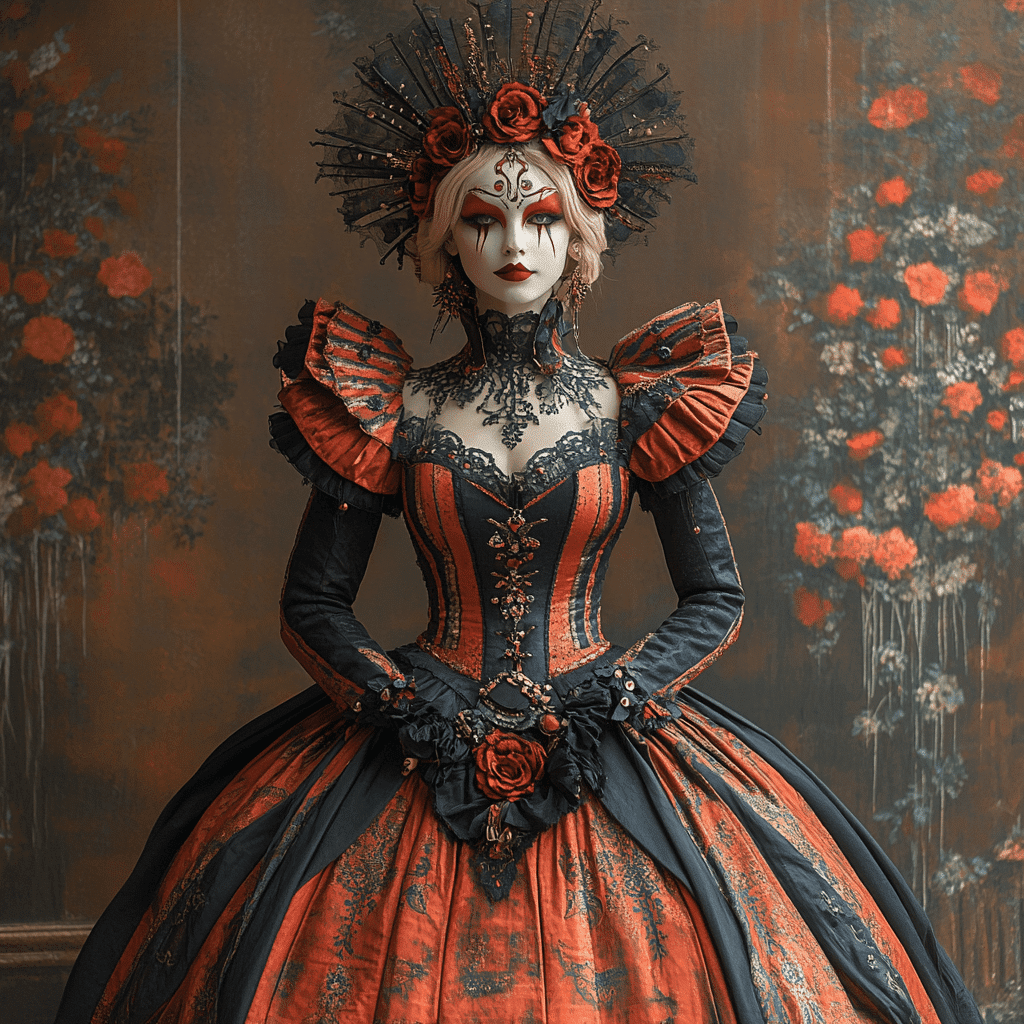
The world of The Handmaid’s Tale looms large, a haunting landscape where control and fear walk hand in hand like an eerie couple on a moonlit night. Margret Atwood’s nightmarish vision of Gilead captures the very essence of societal nightmares, and as we plunge into the Handmaid’s Tale episodes, we learn just how closely these dystopian elements echo the troubling realities of today. From oppressive totalitarianism to the psychological chains that bind its characters, the Handmaid’s Tale invites viewers to explore the intersections of fashion, identity, and freedom—or the lack thereof.
Diving deep into the fabric of this universe reveals thick, textured seams stitched together by profound themes. So buckle up, fellow fashionistas and dystopian thinkers; we’re about to unravel the Handmaid’s Tale and discover its startling similarities to our current world, complete with a sprinkle of alternative flair.
## Handmaid’s Tale: A World of Dystopian Control and Fear
In the ever-disturbing tapestry of The Handmaid’s Tale, seven key themes emerge like shadows on a foggy street, making us question the very foundations of our society.
At the heart of Gilead’s oppressive nightmare is the chilling theme of reproductive control. Women are stripped of their autonomy, reduced to vessels for childbirth—echoing the real-world struggles occurring in places like Texas and Poland, where reproductive rights are constantly under threat. Just as Gilead’s Handmaids embody society’s darkest fears, contemporary women face aggressive policies aimed at limiting their reproductive freedoms, startlingly reminiscent of this dystopian tale.
The eyes of Gilead are always watching, instilling a pervasive atmosphere of fear and paranoia. This theme resonates chillingly with the current state of governmental surveillance seen through the lens of Edward Snowden’s explosive revelations about NSA practices. Much like the Handmaids, today’s society grapples with a constant sense of being surveilled, creating a stifling environment where personal liberties seem to evaporate in the fog of fear.
Language serves as a weapon in Gilead, manipulating thought and restricting freedom. Phrases like “Blessed be the fruit” aren’t just greetings; they’re chains fastening the ideology of the regime’s dominance. The growing concerns around political correctness and the control over language today reveal how societies manipulate narratives, just as Gilead twists language to enforce its brutal doctrine. This reflection calls for an awareness of how words can shape or shackle our reality.
Gilead’s hierarchy starkly illustrates the grim underbelly of gender inequality. Women like the Handmaids endure subjugation that mirrors the oppression many women face even in modern contexts. Movements fighting for gender equality reveal that the struggle isn’t just a tale played out in a dystopian series; it’s alive and well in our everyday lives. Look no further than the resurgent anti-feminist sentiments worldwide, which paint a stark, unfortunate picture of the uphill battle women continue to fight.
The enforced isolation within Gilead creates a society forged in mistrust, where friendships are forbidden, and competition is king. This eerily parallels the algorithms of modern social media, which often foster echo chambers that undermine real human connection. Just as Gilead’s Handmaids are pitted against each other, today’s society risks losing its collective voice amidst heightened divisiveness thanks to disturbing digital dynamics, breaking bonds that once held communities together.
Fear grips Gilead tightly, employing horrific punishments and executions to ensure compliance. These acts play out like a grim theater of terror, reminiscent of the regime tactics in North Korea or Iran, where dissenters are met with swift and often violent repercussions. As we consume The Handmaid’s Tale episodes, it’s a stark reminder to scrutinize the growing authoritarianism visible in various corners of the world.
In a world drenched in darkness, hope flickers, notably through characters like June Osborne, played poignantly by Elisabeth Moss. Her journey mirrors the real-world resistance movements fighting against oppression and fear. Just as June embodies resilience and rebellion, activists today, especially in places like Belarus and Afghanistan, refuse to succumb to tyrannical governance, reminding us that the human spirit is unyielding even in the bleakest of landscapes.
The Handmaid’s Tale Cast: Bringing Dystopia to Life
The allure of The Handmaid’s Tale extends far beyond its chilling themes; it lies in the potent performances of its cast, who breathe life into Atwood’s vision. Elisabeth Moss’s masterful portrayal of June serving as a lodestar, guiding us through a harrowing exploration of loss and resilience. Alongside her, characters like Aunt Lydia, played by Ann Dowd, offer nuanced dimensions to the narrative—both enforcers and products of Gilead’s twisted ideology.
This Handmaid’s Tale cast doesn’t just depict a dystopian reality; they invite us to contemplate the roles we play in our own societal narratives. The duo of Moss and Dowd showcases the inherent complexities present in human morality, raising ethical questions we need to confront in our daily lives.
Through engaging performances, the series layers the personal with the political, making us question our responsibility in the face of rising authoritarianism. As we root for June’s victories and decry Gilead’s horrors, we also draw parallels to contemporary struggles against oppression and the fight for autonomy.
A Glimpse into the Future of Dystopia
As we journey through the dark corridors of The Handmaid’s Tale, it’s clear that this series stands as a cautionary tale—an urgent reminder of how swiftly power can corrupt. The narratives woven throughout the show reflect our present realities, urging vigilance against the encroaching shadow of complacency.
Much like the socio-political dynamics reflected in The or the intricate storytelling found in the Hillbilly Elegy movie, The Handmaid’s Tale invites us to engage with our surroundings critically. The unsettling themes resonate with our truth, especially in an era where dystopian narratives are becoming increasingly real. As we ponder the power dynamics within the tale of Gilead, we must ask ourselves what part we play in shaping tomorrow’s reality.
In conclusion, The Handmaid’s Tale isn’t merely a warning; it’s a rallying cry for consciousness, empowerment, and defiance against the darkness of fear. As the final credits roll, let’s carry these lessons with us, ensuring that the horror of Gilead never becomes our reality.
Ultimately, the interplay of control, fear, and hope within The Handmaid’s Tale beckons each of us to be aware, to resist, and most importantly, to nurture the flicker of hope within us—even when faced with a storm.
Together, let’s create a future where such dystopian fears remain confined to fiction, where the vibrant colors of compassion outshine the shadows of oppression, and where every voice is not only heard but cherished.
For those eager to dive deeper, check out Justin Berfields insights on upcoming projects and tantalizing new TV shows set to debut in 2025 that might spark crucial conversations around themes like those explored in The Handmaid’s Tale and beyond.
With The Handmaid’s Tale, we’re not just observing a story; we’re participating in a movement larger than ourselves—a movement towards awareness, resistance, and, ultimately, transformation.
So gear up, fashion dreamers! The echoes of Gilead reach us from the past; let’s make sure they don’t resound into our future. Delve into the fabric of the resistant soul and remember, we carry the power to define our reality, stitch by intricate stitch.
handmaids tale: A World of Dystopian Control and Fear
A Frightening Reflection
“The Handmaid’s Tale” isn’t just a story—it’s a cultural phenomenon that strikes a chord with today’s pressing issues. For instance, the show’s chilling portrayal of a totalitarian regime resonates even more in our socio-political climate, resembling the tensions seen in classics like The —both explore power dynamics, but in vastly different settings. Adapted from Margaret Atwood’s novel, the series invites viewers into a universe shaped by fear and repression, much like the real-life narratives of oppressed communities, such as the Hadza Tribe in Tanzania. This hunter-gatherer group has a lifestyle that starkly contrasts with Gilead’s harsh societal constraints, reminding us of the diverse ways humans can navigate life.
Behind the Scenes
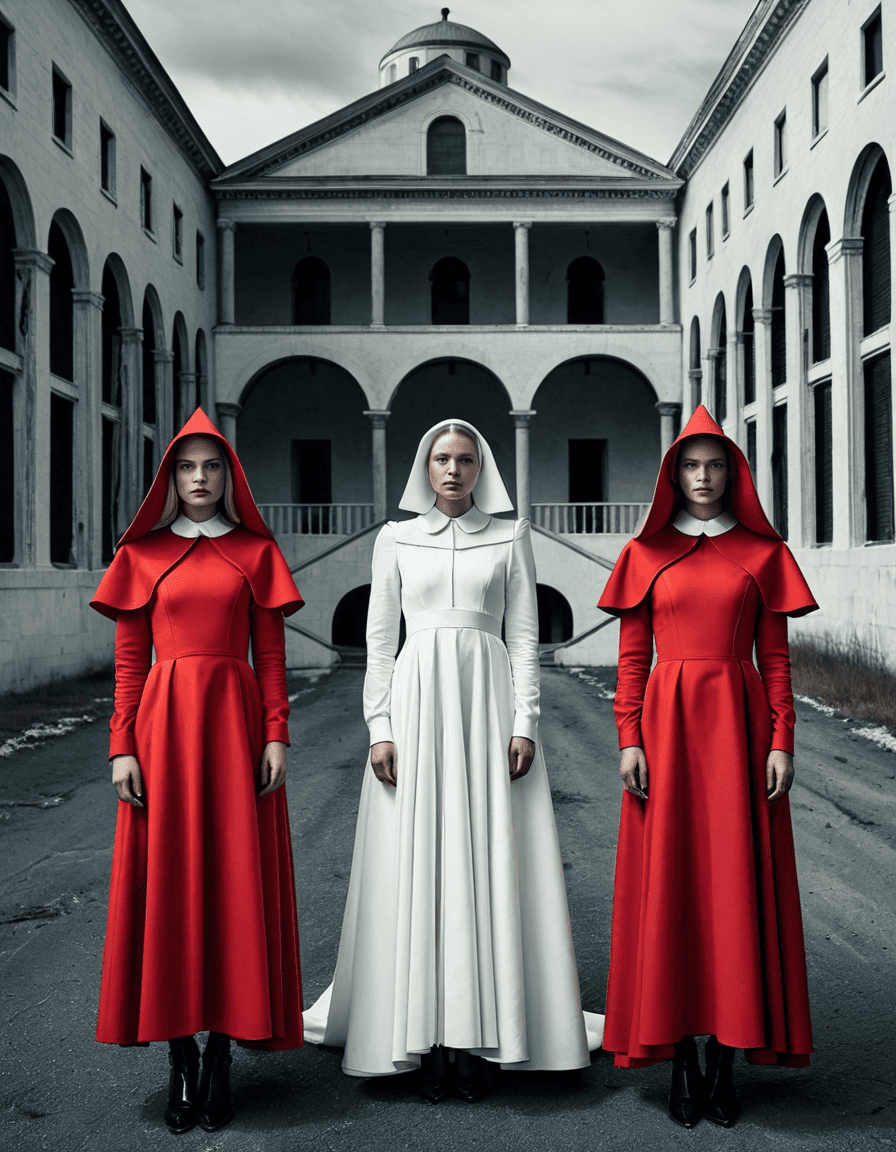
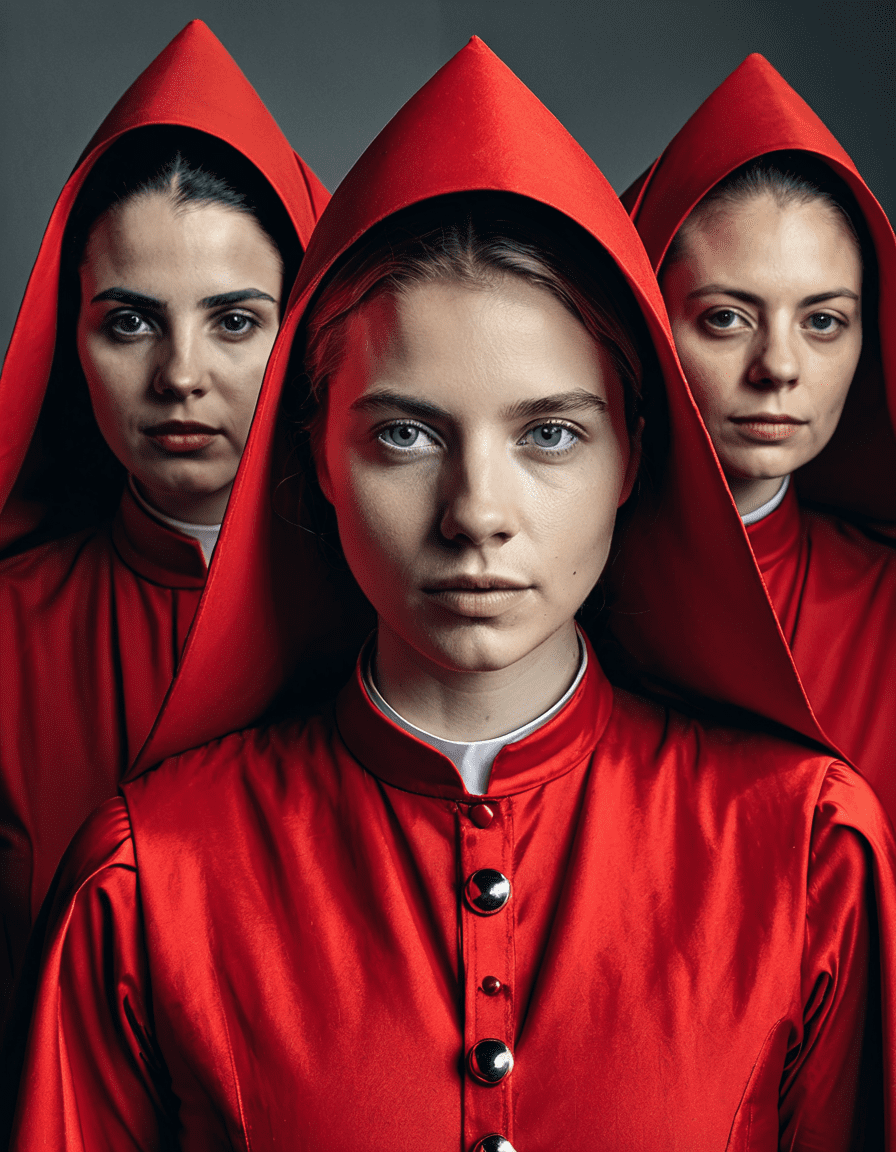
Did you know that the series features a unique combination of cinematography and storytelling techniques to enhance its stark themes? The creators use visual motifs that can be quite striking—like the symbolism in color choices that tell the audience what’s at stake without a single word. For instance, the color red worn by the Handmaids isn’t just a fashion statement; it symbolizes both fertility and oppression. This attention to detail is as crucial in some DIY applications, like using a ball joint removal tool, where precision is key. The craftsmanship behind both mediums highlights how impactful well-executed visual storytelling can be.
The Show’s Legacy
“The Handmaid’s Tale” has had quite the ripple effect in pop culture—spawning discussions about women’s rights, privacy laws, and personal autonomy. It’s fascinating to see how the themes resonate with new TV shows in 2025 that might dive deeper into societal issues. The show also brings to light various literary and musical influences that inspire similar narratives. Are you curious about how these themes exist in other art forms? Consider how the concept of confinement and control plays out in various structures, like a Triangulo isosceles, where balance is key. It’s all interconnected!
With its rich, fear-driven storytelling, “The Handmaid’s Tale” captivates by reflecting not only a fictional dystopia, but also facets of our reality. As you dive into this gripping series, keep an eye out for the layered meanings and cultural conversations it inspires. Who knows, you might find parallels in unexpected places—like in a Blak Bolssom article reflecting on societal critiques or even within the confines of your own experiences!