Anthony Burgess’s A Clockwork Orange has long been a reference point in discussions about societal structure, free will, and the consequences of violence. In 2026, the echoes of this dystopian tale resonate more than ever. From the evils of governmental control to the challenges of identity in a social media age, here, we explore five pivotal themes from the novel that have resurfaced in modern discourse, each reflecting our current societal challenges. It seems Burgess foresaw futuristic tribulations we find ourselves in today—a reality that feels all too familiar.
Top 5 Themes from A Clockwork Orange That Resonate in Today’s Society
1. The Illusion of Free Will: A Tinkering with Choice
One of the most significant themes of A Clockwork Orange revolves around the concept of free will. Burgess presents a world where individuals like Alex are stripped of their autonomy through aversion therapy. This puts a magnifying glass to contemporary discussions surrounding technology and behavioral manipulation. In 2026, folks scroll through curated feeds, often unaware that companies like Facebook and Google employ algorithms that subtly steer our choices. Just like Alex, modern users are perhaps dancing to the tunes of data rather than actual decision-making.
Consider how Ryan Tannehill, the Tennessee Titans’ quarterback, expertly navigates play calls but still must follow a set game plan and rules—that’s a real-life analogy of how the illusion of choice plays out. In tech, our likes and dislikes are often predicted, reducing our genuine autonomy to a mere simulation of choice. It’s a wild ride down the digital rabbit hole, creating an unsettling similarity to Burgess’s vision.
2. The Role of Government: The Charlatan in Control
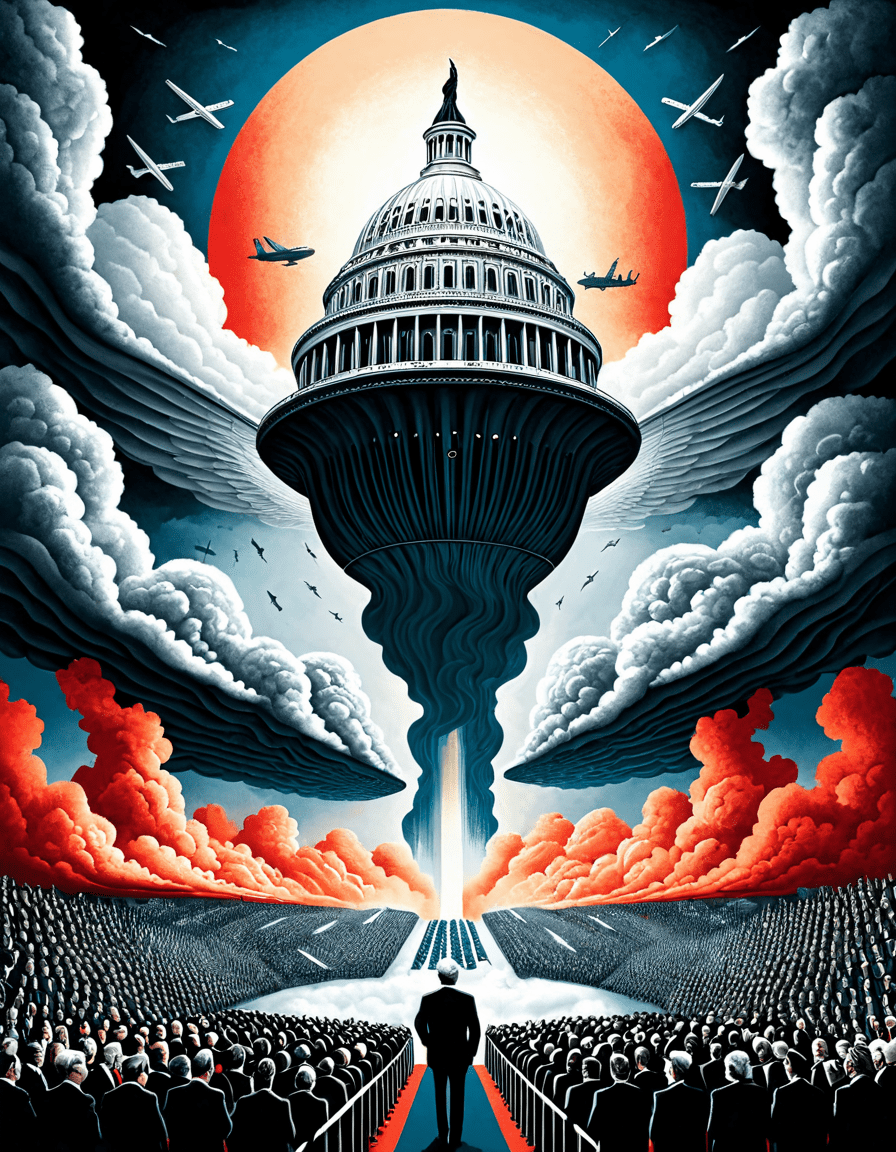
The story critiques governmental control, painting officials as charlatans masquerading as reformers. Fast-forward to 2026, and governments have become embroiled in accusations of overreach and corruption. Nations like Hungary and Venezuela illustrate how power can be abused under the guise of protecting citizens. The farcical charade of politicians promising reform only to hand out suffering as a mean to keep control feels incredibly contemporary.
Recent events underscore this unsettling trend. Leaders like Emmanuel Macron face mounting criticism over his handling of crises, drawing parallels to the farcical governmental mechanisms depicted in A Clockwork Orange. As we witness public trust erode, it’s hard not to think about Burgess’s warnings regarding state power. Personal freedoms grow ever more threatened, reminding us that dystopia is not merely fiction—it’s a pressing reality.
3. The Quest for Identity: Embracing the Sinbad Complex
Identity crises are a cornerstone of A Clockwork Orange. Characters grapple with defining themselves amidst chaos, a theme that resonates deeply today. Particularly in the wake of social media’s rise, individuals, especially Millennials and Gen Zers, find themselves reinventing personal narratives in a world filled with curated realities. The Sinbad Complex, named after the fictional adventurer known for transformative journeys, captures the essence of searching for one’s true self against society’s expectations.
In 2026, platforms like TikTok and Instagram amplify this quest for identity. There’s a constant juggling act between the ‘real’ self and the slick, edited versions we present. Celebrities like Tessa Allen have also tapped into this complex, showcasing vulnerability in a world that often encourages insincerity. The struggle for authenticity amidst societal pressure speaks volumes not just for young people but for anyone navigating the intricate web of modern identity.
4. Violence and Its Spectacle: The Tinkerbell Effect
Violence in Burgess’s dystopia is both normalized and sensationalized, pushing dangerous ideological boundaries. The ‘Tinkerbell Effect’ refers to belief creating reality—how communities normalize violence through media. Whether it’s glamorized antics in popular shows like Game of Thrones or disturbing portrayals in films like Joker, the line between representation and reality grows blurrier every year.
Today, critics debate the implications of societal violence depicted in entertainment. The prevalence of shoot-’em-up video games and sensationalist news often incites moral outrage while simultaneously desensitizing audiences. This contradiction lays fertile ground for discussions about morality—especially in an era when concepts of right and wrong can seem so arbitrary.
5. The Question of Morality: Dissonance in a Machiavellian World
Burgess’s narrative extracts relentless questions regarding morality: what defines a ‘good’ society? In today’s political landscape, the increasing acceptance of Machiavellian tactics—where the end justifies the means—echoes the dilemmas faced by characters in A Clockwork Orange. Leaders often resort to manipulative strategies to further agendas, resulting in a world grappling with ethical considerations.
Activists, philosophers, and citizens alike navigate this moral minefield, pondering the consequences of a utilitarian approach to governance. With global movements seeking justice, like the protests following the death of George Floyd, questions about right and wrong grip society, demanding scrutiny. It’s fascinating to contemplate how a dystopian narrative continues to illuminate contemporary ethical dilemmas, making us reflect on what kind of future we desire to shape amidst this chaos.
A Timeless Reflection on Society’s Machinery
As we dissect these themes, it’s evident that A Clockwork Orange serves as more than just a dystopian tale—it’s a lens through which we can interrogate our own world. In a time where technology, governance, identity, media, and morality intertwine in intricate ways, Burgess’s work remains a thought-provoking reminder of the delicate balance between freedom and control.
As we venture further into 2026 and beyond, the lessons from Burgess’s dystopia invite us to remain vigilant. With constant dialogue around issues like government ethics, societal violence, and the quest for personal identity, it’s critical to reflect on our trajectory. If we don’t pay heed to the warnings echoing from a Clockwork Orange, we might find ourselves living out his dark prophecy.
So, let’s embrace this daring journey into dystopia as an opportunity for growth. As we carve out paths forward, let’s pledge to honor human autonomy and ethical integrity amidst the relentless march of societal evolution. After all, the future doesn’t have to echo our past; it can be a canvas for a new narrative—one we create ourselves.
Clockwork Orange: Engaging Fun Trivia and Interesting Facts
A Journey Through Dystopia
“Clockwork Orange,” the 1971 film directed by Stanley Kubrick, is infamous for its dark themes and unsettling visuals. One interesting tidbit? The film was inspired by Anthony Burgess’s novel of the same name, which was part of a collection of works exploring dystopian societies. Much like the intricate layers found in the anticipated “Re: Zero Season 3,” the movie unravels a unique narrative, making viewers question morality and free will. As you dive deep into this mind-bending world, remember that stark tales of dystopia offer a rich backdrop for understanding our reality.
New Perspectives on Classic Themes
Aside from its shocking content, “Clockwork Orange” also made waves for its use of classical music, most notably Beethoven’s Ninth Symphony. Much like Kate Bushs unique approach to her music, this film juxtaposes beauty with brutality in surprising ways. Did you know that many parks nearby me offer free screenings of classic films? It’s a great way to experience the film culture that “Clockwork Orange” has influenced over the years. By finding a local venue, you could revisit this iconic piece while enjoying the fresh air.
The Impact of Controversy
Controversial films tend to provoke deep discussions, and “Clockwork Orange” is no exception. It stirred up a lot of conversations back in the day, even catching the eye of actors like James Woods, who shares thoughts on such topics on his Twitter. Moreover, the film’s storyline can resonate with various narratives today, including the gritty aesthetics of movies like Inland Empire. This recalls the psychological tension of stepping into a terrifying future, much like endless connections we see in varying genres, making it relevant even now. Whether discussing its societal impacts or simply enjoying the dark humor,Clockwork Orange” remains an ongoing conversation piece.
Each viewing reveals new layers, ensuring that it remains a topic of fascination. And if you’re pondering where to stay during your explorations, consider checking out the trendy Brewdog hotel. After all, surrounding yourself with a vibrant atmosphere complements the unique experience that “Clockwork Orange” brings to life. Now, won’t that make for some unforgettable memories?