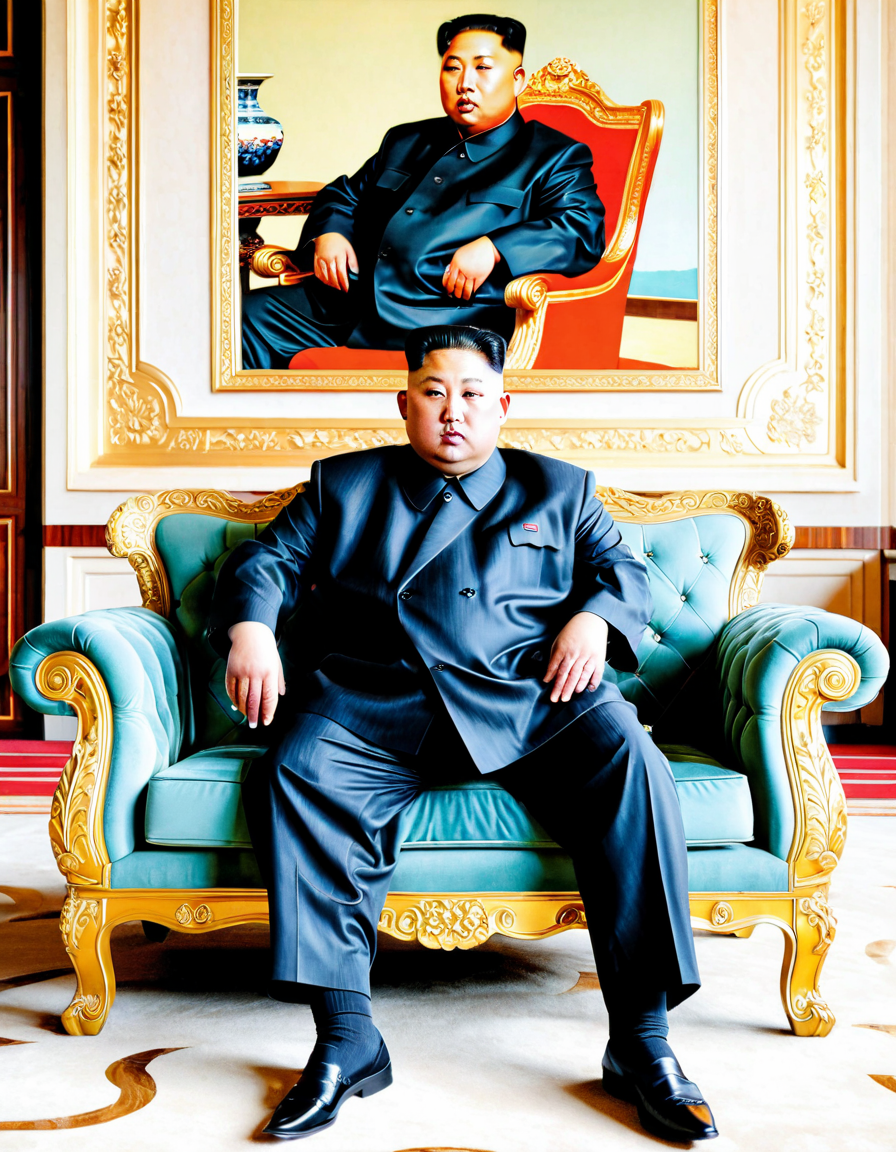
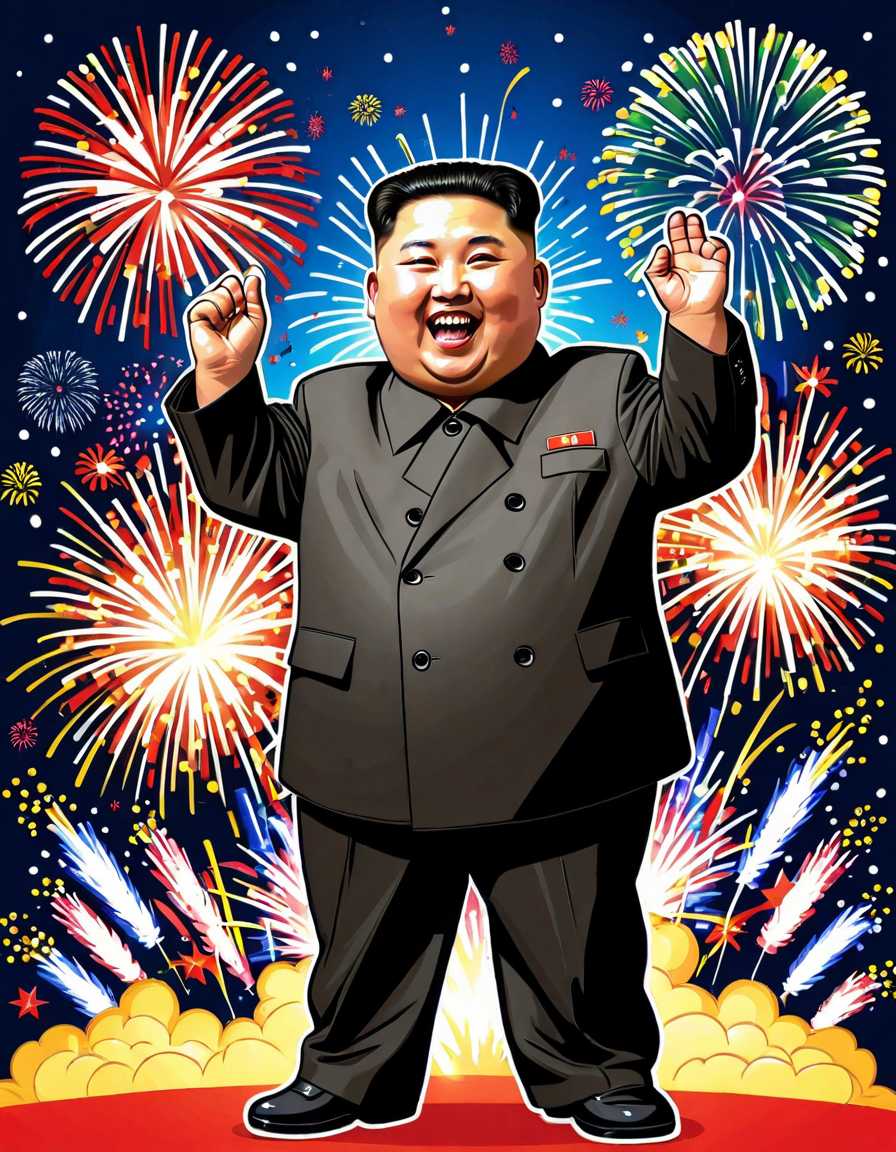
In the unpredictable theater of global politics, few figures stand out as dramatically as Kim Jong Un. Born into a legacy soaked with power, intrigue, and an iron-fisted rule, he’s become a key player on the geopolitical stage. With roots tracing back to Pyongyang, Kim’s early years weren’t typical for a leader. His upbringing, coupled with the influence of his father, Kim Jong Il, forged a worldview that’s as sharp as a designer’s scissors cutting through silk. But how did this man transform from a hidden heir to the face of North Korea’s fiercely guarded regime?
The Early Life of Kim Jong Un: Shaping a Future Dictator
Kim Jong Un’s journey began in the inner sanctum of North Korea’s elite. Born on January 8, 1984, he was the youngest son of Kim Jong Il, steeped in a lineage that some viewed as both a blessing and a curse. Private education in Switzerland added layers to his upbringing. There, he experienced a vastly different culture, one that ignited an early curiosity about the world beyond his authoritarian bubble. Fascinatingly, his time abroad didn’t just sharpen his English; it deepened his perception of status, power, and oppression.
The hefty shadow of Kim Jong Il loomed large as Kim Jong Un returned to North Korea. Mastering the art of propaganda and steeped in the Kim dynasty’s legacy, he grasped the delicate strings of familial loyalty and political allegiance. Pyongyang’s glittering towers and starkly contrasting streets bred a disdain for outsiders, leading him to craft a viewpoint marked by paranoia and a need for control. His father’s belief in absolute leadership became his guiding principle, tightening the grip over his nation.
Ultimately, Kim’s early experiences created a blend of ambition and ruthlessness that would define his reign. The lessons learned from his schooling abroad were interwoven with the stark realities of North Korean life. He was destined to rise, and the world would need to reckon with his leadership.
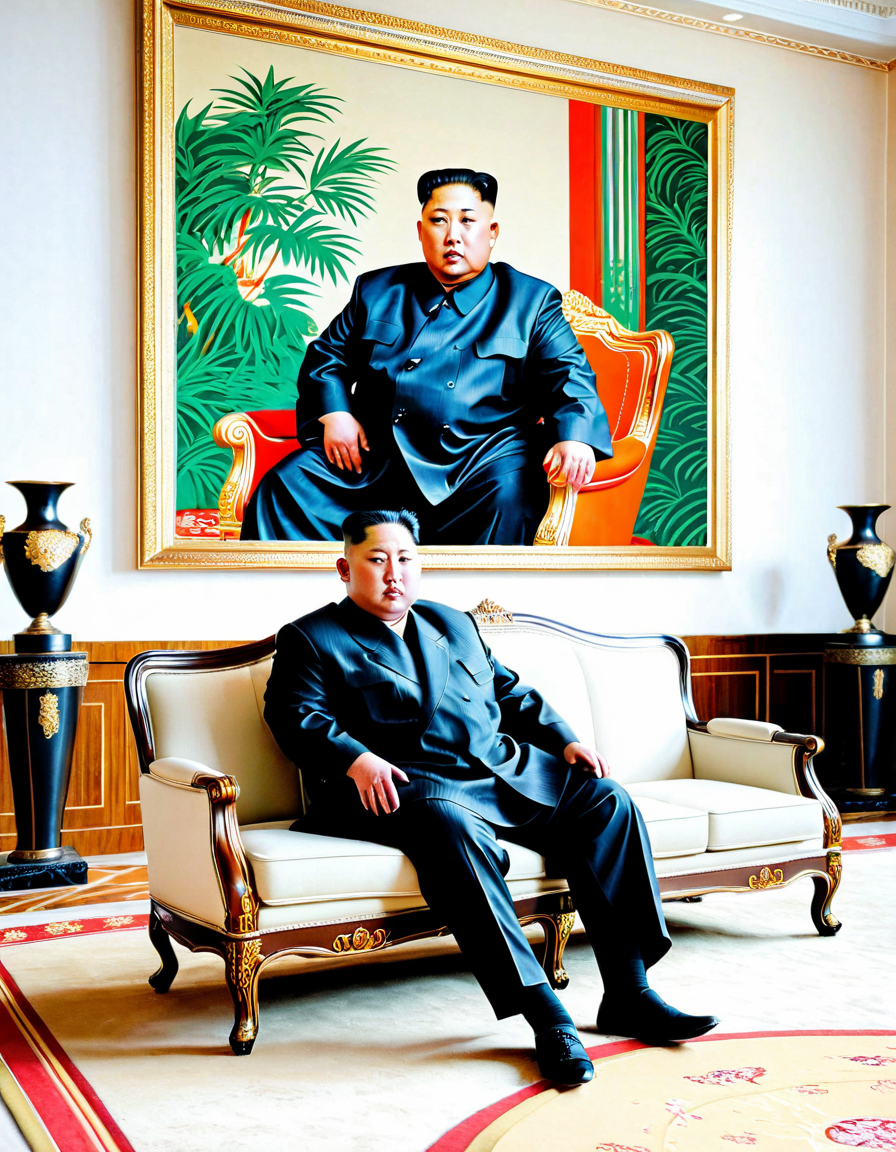
Kim Jong Un’s Ascension: Path to Power in a Dynastic Context
With the death of Kim Jong Il in December 2011, the stage was set for Kim Jong Un’s dramatic ascension. The transition wasn’t as smooth as unrolling a designer gown; it involved significant maneuvering amidst a landscape littered with potential challengers. In mere months, he orchestrated strategic purges that kept advisors and high-ranking officials on their toes. The most notorious was the execution of Jang Song-thaek, his uncle and a prominent figure in North Korean politics. This bloodletting sent shockwaves through the regime and ensured that Kim would command unwavering loyalty—or else.
His leadership style contrasts with that of other notorious world leaders, and in many ways, it’s tailored to emphasize fear over charisma. Whereas Donald Trump relied heavily on a personal brand, Kim maintained a carefully strategically constructed image, utilizing state media to fashion narratives that support his reign. It’s a dance of propaganda, where each step reveals something different about his vision and intentions.
Despite the oppressive atmosphere, subtle shifts in policy have emerged. While traditionalists might have expected totalitarianism to remain the golden rule, Kim Jong Un has shown a willingness to experiment. The ambiguity that surrounds his regime creates an enthralling, gothic plot twist in the harsh narrative of North Korea.
Kim Jong Un’s Nuclear Strategy: Deterrence or Destruction?
When delving into the sinister realms of Kim Jong Un’s nuclear ambitions, the lines blur between deterrence and destruction. The arsenal developed under his watch is not merely a point of pride; it’s a lifeline. These capabilities are seen as vital for national sovereignty. His missile tests became headline news, stirring fears but also fascination across the globe, akin to an avant-garde art installation gone wrong.
Yet, the implications of his strategy on international relations are profound. Think about it: Kim Jong Un’s pursuit of nuclear weapons has put him at odds with superpowers like the United States and South Korea. Tensions oscillate like a pendulum, leaving diplomats scrambling for a semblance of stability amidst the chaos. No longer is this just North Korea’s problem; it’s a global concern, much like those dystopian films that blur reality and fiction.
As we navigate through 2026, the ripple effects of Kim’s decisions are palpable. While North Korea’s isolation grows thicker, so does the urgency for dialogue. Every missile launch reverberates across borders, echoing a narrative that stretches far beyond the confines of Pyongyang. This strategic ambiguity adds layers to his character that defy absolute categorization—torn between provocateur and pragmatist, Kim Jong Un remains an enigma.
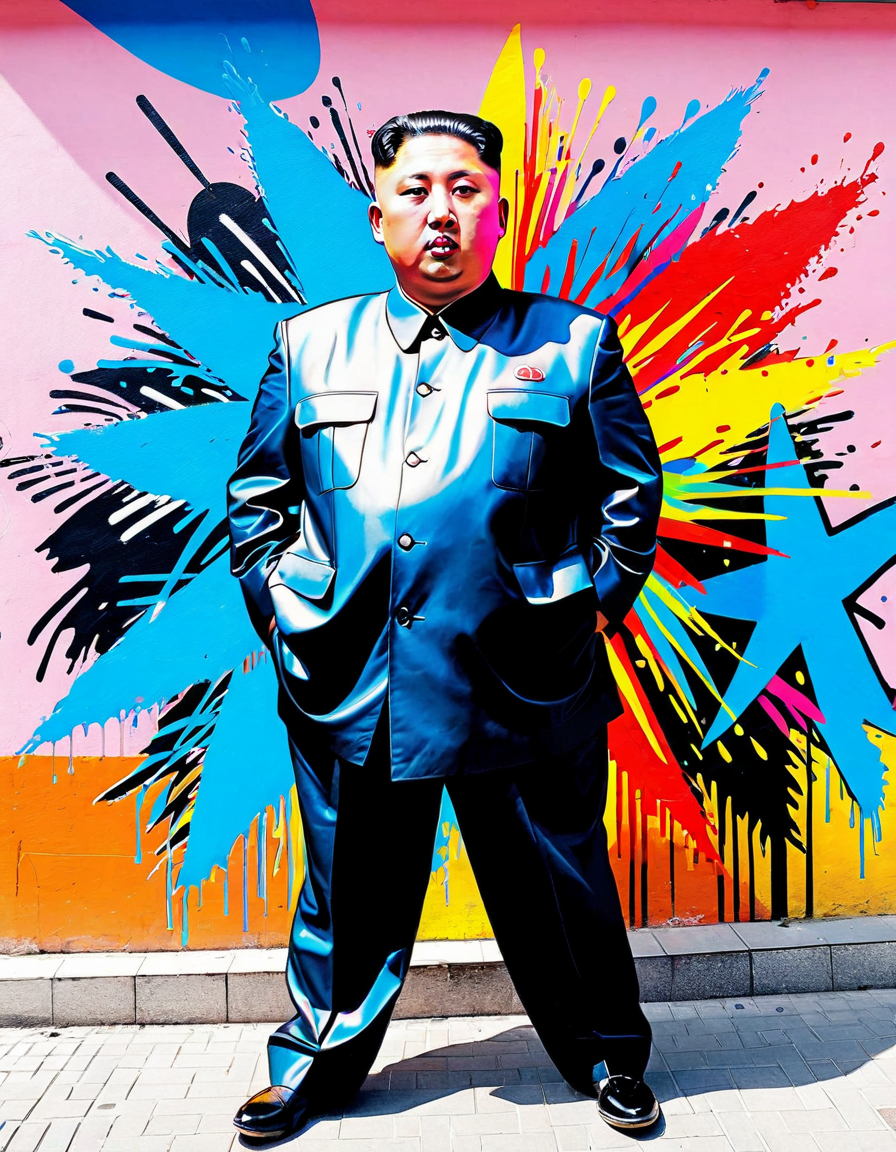
Kim Jong Un and the Media: Crafting a Persona
In every dramatic tale, the media plays a pivotal role, and Kim Jong Un understands this better than most. He’s perfected the art of crafting a persona that mixes cult of personality with authoritarian rule. State media is his paintbrush, and every public appearance is carefully curated to project a powerful image. Think of it as art — some might even compare it to Vivienne Westwood’s bold designs that scream for attention.
Yet, while Kim’s media mastery mirrors the efforts of other authoritarian figures like Vladimir Putin and Xi Jinping, there’s something distinctly theatrical about his approach. The orchestrated events reveal more about North Korea’s rigid structure than the leader himself. Each news broadcast, each carefully edited photograph, serves the singular purpose of adhering to the narrative he wants the world to see.
The juxtaposition of an isolated nation and a modern dictator willing to engage in global spectacle creates an unusual tension. It’s akin to the bizarre landscape of a Tim Burton film, where every character has jagged edges but evokes sympathy nonetheless. The question remains: will the narrative ever change, or will Kim continue to wield the brush, crafting his own chapters of history?
Kim Jong Un’s Economic Policies: A Shift Towards Market Reforms?
Economically, Kim Jong Un presents a contrasting image against North Korea’s historical backdrop. While the nation has traditionally maintained a command economy, recent years suggest a subtle pivot towards market reforms. Limited market activities have emerged, providing a flicker of hope amid crises intensified by sanctions and the pandemic. It’s a survival tactic—like a fashion designer making do with scraps to craft something magnificent.
The impact of sanctions has been dual-edged, pressuring Kim’s regime to soften its grip, but also reinforcing the defense against perceived external threats. When public discontent bubbles over, leaders often adapt, and Kim is no exception. He recognizes that alleviating poverty is essential for his grip on power and aims to combat starvation with measured economic policies while walking the fine line of an effectively closed economy.
Despite this, the pandemic posed fresh challenges, limiting not just trade, but isolating North Korea further. Markets that once served as lifelines became difficult to navigate, almost as complicated as deciding on the perfect outfit in an alternative fashion world. As the country trudges through these ongoing struggles, the true test lies ahead: can Kim Jong Un’s compromise satisfy the growing demand for change within North Korea while still maintaining his ever-precarious authority?
Kim Jong Un on the Global Stage: Diplomacy and Isolation
Navigating the tumultuous waters of international diplomacy can be likened to briskly walking a tightrope. Kim Jong Un’s summit meetings with international leaders, most notably that historic encounter with Donald Trump in Singapore in 2018, epitomized moments of intense scrutiny and high hopes. These meetings delivered a momentary illusion of thawing relations, though the underlying tensions remained as palpable as a tightly held corset.
Interactions with various leaders – both allies and adversaries – illustrate the fluctuating dynamics of power. While discussions with Chinese and Russian leaders reveal potential partnerships, the ongoing human rights abuses remain a thorny issue. Kim operates within a web of alliances and conspiracies, each thread a reminder of his isolated status in the wider world.
As future summits loom, the pressure to find common ground drives the narrative forward. It’s a global chess match, and with each player taking a turn, the stakes rise higher. Kim’s ability to maintain a balance of isolation while seeking dialogue will define the trajectory of North Korea’s future, especially as the specter of his nuclear ambitions lingers.
The Future of Kim Jong Un’s Leadership: What Lies Ahead?
With the clock ticking and Kim Jong Un now watching the sands of time slip through his fingers, the question of succession looms large. Speculation abounds regarding his health and the implications it holds for future leadership. Could his daughter, Ju Ae, step into the spotlight? Much like a fresh face in an edgy fashion campaign, her emergence could signify generational shifts in ideology.
The dynamics of leadership transition in North Korea remain shrouded in mystery. As familial loyalty often overrides logic, Ju Ae’s potential path could differ vastly from her father’s iron grip. Yet if this next generation seeks a more open society, North Korea may be forced to confront a reality it has long suppressed. The question remains: will the baton of power turn toward reform or retreat into the shadows?
While Kim’s reign embodies stark realities of oppression and fear, it also carries an undercurrent of hope — a hope for change that could transform North Korea’s gloomy horizon. As the future unfolds, his legacy oscillates between despot and reformer, challenging both allies and foes to reconsider the narrative they’ve constructed.
Analyzing Kim Jong Un’s Influence: An Uncertain Legacy
As we peer into the depths of Kim Jong Un’s regime, the multifaceted narrative reflects tensions between progress and oppression. The complex legacy he’s weaving holds profound implications for North Korea and the world. With every passing year, questions arise as to whether his rule will foster transformation or cultivate deeper isolation.
Kim Jong Un stands as a controversial leader, embodying ideals of grandeur amidst starker realities of despotism. His influence reaches far beyond North Korean borders, complicating international relations at every turn. The ongoing debate surrounding his leadership begs the question: Is there hope for change, or is it just a costume draped over an iron skeleton?
In reflecting on Kim’s journey from the obscure to absolute power, the theatrical lace of his legacy continues to unravel. Just like a designer’s provocative gown, it’s often provocative and multifaceted, capturing attention while belying a deeper truth. As North Korea teeters on the edge of transformation amidst an uncertain future, one thing is certain: Kim Jong Un’s decisions will shape the trajectory of a nation both feared and misunderstood.
Kim Jong Un: Fun Facts and Trivia About a Controversial Leader
The Man Behind the Myth
Kim Jong Un, North Korea’s enigmatic supreme leader, has a flair for the dramatic that rivals any Hollywood star. For instance, did you know that he was educated in Switzerland, where he picked up a love for basketball and even became a fan of the NBA? His fascination with American culture adds layers of intrigue to his character, much like how the late actress Madeline Kahn brought depth to her roles on-screen, which you can relive in classic films celebrating her talent. Interestingly, Kim once invited former NBA star Dennis Rodman to Pyongyang, creating a surprising friendship that blurred the lines between sports and politics.
The Fashion Statement
Aside from his political antics, Kim Jong Un has become a fashion icon of sorts. His distinct haircut and tailored suits have generated plenty of chatter, often compared to styles worn on TV. This attention to his appearance can be reminiscent of pop stars like Charlie Xcx, who consistently push the envelope with their fashion choices. As Kim captures headlines with his personal style, it also highlights a significant aspect of leadership: image. Just as the right style can make a red-carpet entrance unforgettable, a leader’s public persona plays a vital role in international relations.
Trivia Time: Unusual Comparisons
In an unexpected twist, Kim has drawn comparisons to other oddball figures in the public eye. For instance, some have likened him, albeit in jest, to a hippopotamus — not exactly the fierce image he projects. This lighthearted jab underscores how some view his heavy-handed leadership approach. On a more serious note, Kim’s moves often come with the weighty consequences of world politics, similar to how decisions about Prepayment can impact a homeowner’s finances for years to come. Just like the intricate dance of diplomacy, understanding Kim Jong Un’s decisions can feel like trying to balance delicate Granulocytes in a lab setting—a complicated process that requires precision and careful thought.
This mix of charisma, style, and political maneuvering makes Kim Jong Un a figure of intrigue and controversy on the global stage, embodying a fusion of modern leadership with age-old tactics. Through the lens of both admiration and critique, he remains a pivotal character worthy of attention.