
The name Black Dahlia resonates through time, echoing in the hallowed halls of true crime lore and pop culture. This stunning moniker, given to the tragic figure Elizabeth Short, invokes images of glam, ambition, and an insatiable curiosity that’s endured since her grisly murder in 1947. As an alternative fashion magazine, Twisted Magazine dives deeper than the sensational headlines — we peel back the layers of this timeless mystery to explore a woman whose life ignited the imaginations of many and continues to provoke a fascination with the shadows that linger in her story.
7 Intriguing Aspects of the Black Dahlia Case That Still Captivate Today
The allure of the Black Dahlia captivates enthusiasts of mystery and crime. As we tease apart the threads of her story, let’s unwrap seven compelling elements that keep Elizabeth Short’s narrative alive:
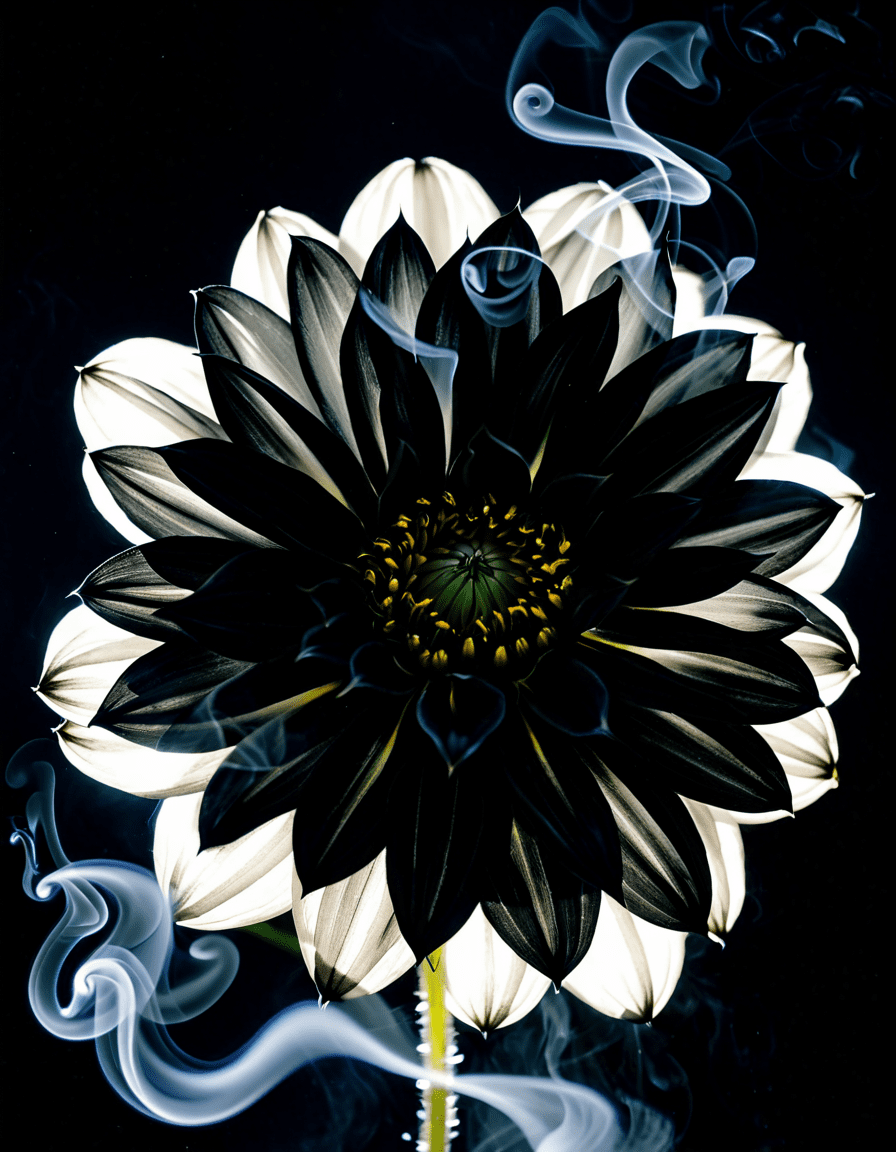
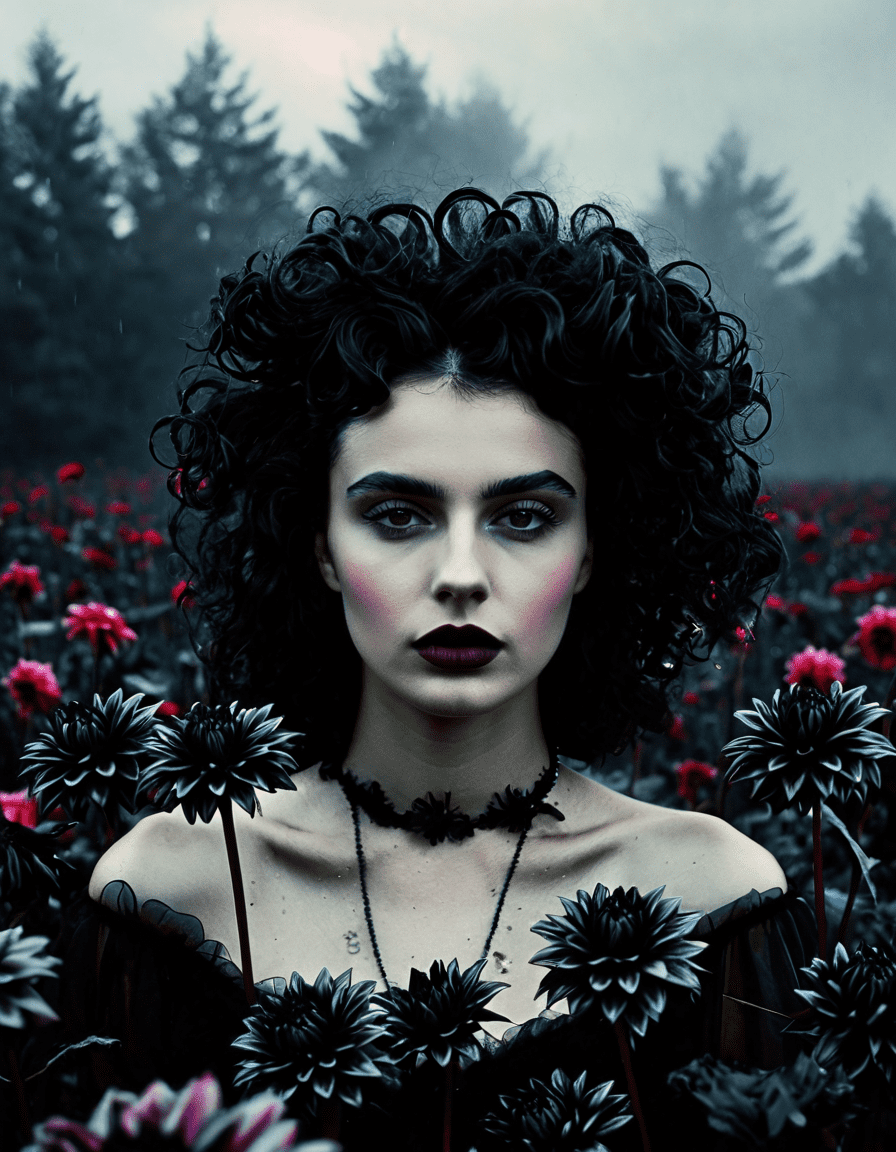
This evocative label was purportedly inspired by the film The Blue Dahlia, a noir thriller that flickered on screens just before Short’s demise. As we delve into the cultural tapestry of post-war Los Angeles, we uncover how the glamorization of beauty blended ominously with crime, creating an unsettling juxtaposition that continues to intrigue.
Elizabeth Short’s dream was set in the sun-soaked streets of Los Angeles as she aspired to become an actress. However, the stark contrast between the glimmer of fame and her grim reality paints a haunting portrait of an ambitious young woman caught in a merciless environment. Stories from those who crossed paths with her reveal more than ambition — they lay bare the cost of pursuing fame in an exploitative industry.
The press went wild over the Black Dahlia case, revolutionizing how crime stories were reported and consumed. Outrageous headlines and sensationalized accounts, particularly from the Los Angeles Herald-Express, turned Short into an instant posthumous celebrity. The ethics of media coverage during this era remain an engaging question: how did these journalistic practices shape the perception of crime and victims alike?
When it comes to suspects, the investigation surrounding the Black Dahlia was nothing short of chaotic. Over 150 names glided through police interrogation rooms, with George Hodel emerging as a prime suspect. Gaze into the life of Hodel, a man whose artistry and dark suggestions ensnare both writers and film buffs alike, merging the worlds of art, crime, and conspiracy in one chilling narrative.
Eyewitness snippets from the night Short last graced the world offer a ghostly thread into her final hours. These accounts linger in shadows and can now be reassessed through the lens of modern investigative techniques. Could fresh perspectives and forensic advancements finally lead to answers long buried?
The Black Dahlia frenzy cascaded into films, literature, and even art, each iteration breathing life into the tragic story. Christoph Waltz’s portrayal of a shadowy suspect in the film adaptation keeps the narrative entwined with modern storytelling. We can analyze how true crime continues to cast ripples through the art world, regardless of medium.
The unresolved nature of Short’s murder ignites an unquenchable thirst for theories and retellings. Recent fictional works like Zodiac reinvigorate the Black Dahlia’s allure, leading new generations to partake in this ageless fascination with unsolved mysteries.
The Suppressed Story of Elizabeth Short: Unveiling the Truth
Peeling back the layers of Elizabeth Short’s life reveals a journey rife with obstacles. Born in 1924 in Boston, she fought through a family life punctuated by turmoil, grappling with social norms that often marginalized women. Her dreams of breaking into Hollywood and basking in fame became increasingly overshadowed by the harshness of her reality. When we examine the societal pressures on women in the 1940s, we see a brutal paradox: an era celebrating beauty yet often punishing those who dare to chase it. Tragically, Short embodies this dissonance, becoming yet another victim of her time.
The Intersection of Art and Crime: The Role of Cultural Figures
The Black Dahlia has sparked inspiration across artistic realms—from filmmakers to writers and visual artists. Christoph Waltz, famed for performances that navigate the murky waters of moral ambiguity, has forged a link between theatrical storytelling and the chilling narratives of true crime. The complexity surrounding Elizabeth Short positions her as a canvas upon which interpretations of femininity, vulnerability, and beauty clash, igniting debates that resonate in both historical and modern contexts.
The Unraveling Mystery: New Perspectives
Evolving investigative techniques augment our understanding of cases like the Black Dahlia. With every advancement in forensic science, cold cases inch closer to resolution. Current discussions among true crime aficionados echo a renewed enthusiasm to delve into the past—modernDNA testing on preserved evidence might uncork mysteries that have evaded resolution for decades, offering lifelines of hope in a case that never truly went cold.
Reflections on the Legacy of Elizabeth Short
The tale of the Black Dahlia serves as a somber reminder of a gritty chapter in American society. Short’s tragic narrative compels us to confront broader issues surrounding crime, gender norms, and the arduous quest for fame in a world that often consumes and disposes of its stars. Her life represents a rich interplay between media, celebrity culture, and the societal norms that envelop individuals. As we sift through the layers of Elizabeth Short, we can’t help but reflect on the stirring humanity anchored in her mysterious existence, urging us to acknowledge the tragic beauty that continues to envelop her legend.
In the grand theatre of life, Elizabeth Short, the Black Dahlia, remains a tragic performer, caught forever in a narrative that invites us all to ponder our fascination with the unknown.
Black Dahlia: The Mysterious Life of a Tragic Icon
A Starlet’s Life Cut Short
The Black Dahlia, born Elizabeth Short, has fascinated the public for decades, not just because of her tragic end but because of the life she lived. Before she became a crime scene headline, Elizabeth was an aspiring actress in Hollywood. Interestingly, some speculate that she was inspired by other iconic actresses of her time, such as Susan Lucci, whose journey in the entertainment world showcases both resilience and talent. Tragically, Elizabeth’s aspirations were extinguished far too soon, making her a tragic icon of the silver screen.
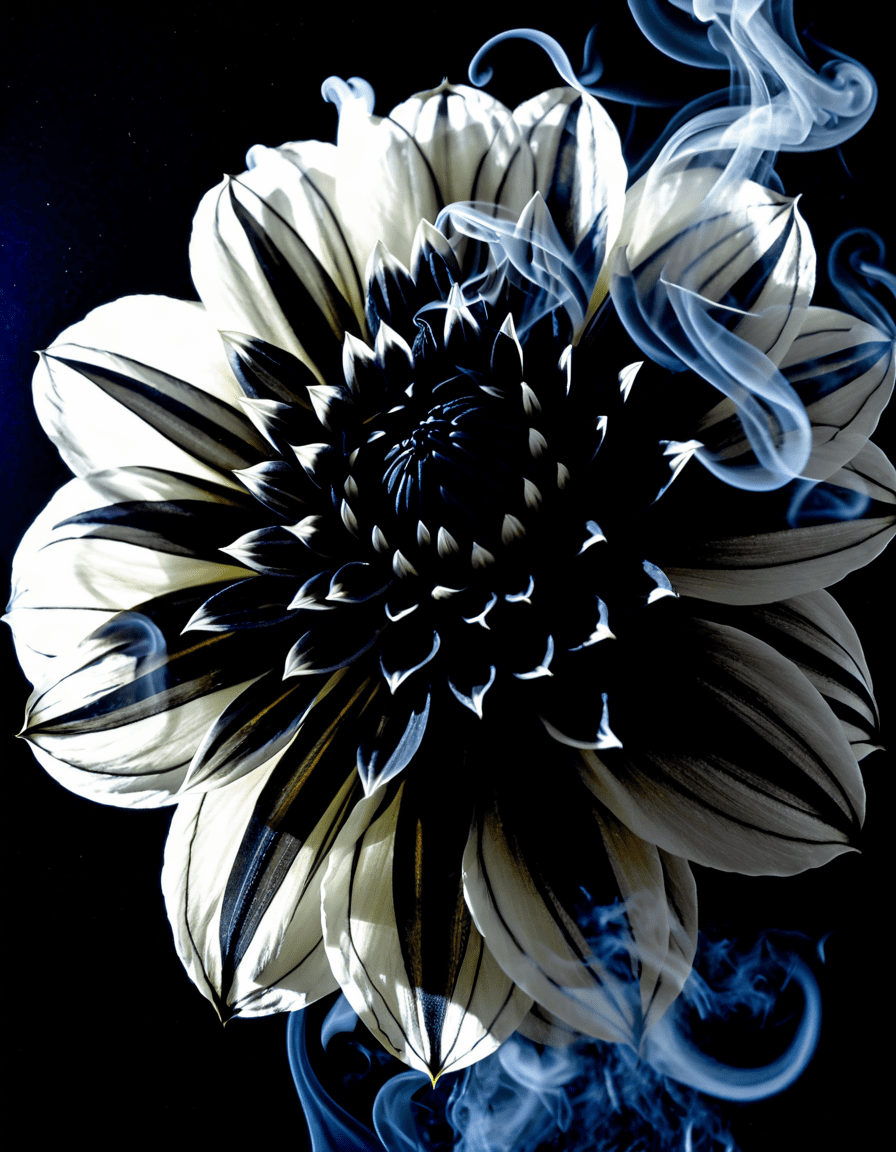
You might not know that the Black Dahlia was often spotted enjoying the nightlife in Los Angeles, where she mingled among movie stars. It’s said that her beauty and charm made her unforgettable, much like the cast Of 16 Candles, who captured the era’s spirit. Elizabeth was often seen wearing black, which led to the moniker “Black Dahlia, referring to both her favorite flower and a film by the same name. The parallels between her life and the plots of classic films like Freaky remind us how fiction sometimes mirrors reality in the most eerie ways.
Unraveling the Mystery
The mystery surrounding the Black Dahlia’s death has sparked numerous theories and discussions. From the enigmatic circumstances of her murder to the myriad of suspects, it feels like a twisted plot straight from a thriller. Just like the plot twists in Munich, the narrative surrounding Elizabeth’s life and untimely death keeps enthusiasts guessing. Not to mention, the way her story has inspired various Hollywood iterations, including references in the anime Jo Jos, shows how deeply her legacy is woven into pop culture.
Adding to the intrigue, many modern actors have cited the Black Dahlia as a symbol of the beauty and darkness intertwined in Hollywood. Take Jacob Anderson, for example; his own charisma on screen echoes the charm that Elizabeth possessed. Moreover, blending art and life, the Paprika Movie illustrates how dreams can morph into nightmarish realities, much like the current fascination with the enigma of Elizabeth Short. Thus, the allure of the Black Dahlia continues to captivate a new generation, ensuring her story remains perpetually relevant.
Elizabeth Short might’ve only lived a brief life, but her tragic story leaves behind a legacy as rich and layered as the darkest Hollywood screenplay. In the end, the Black Dahlia reminds us of the persistent shadows cast by fame and the ultimate price of beauty.