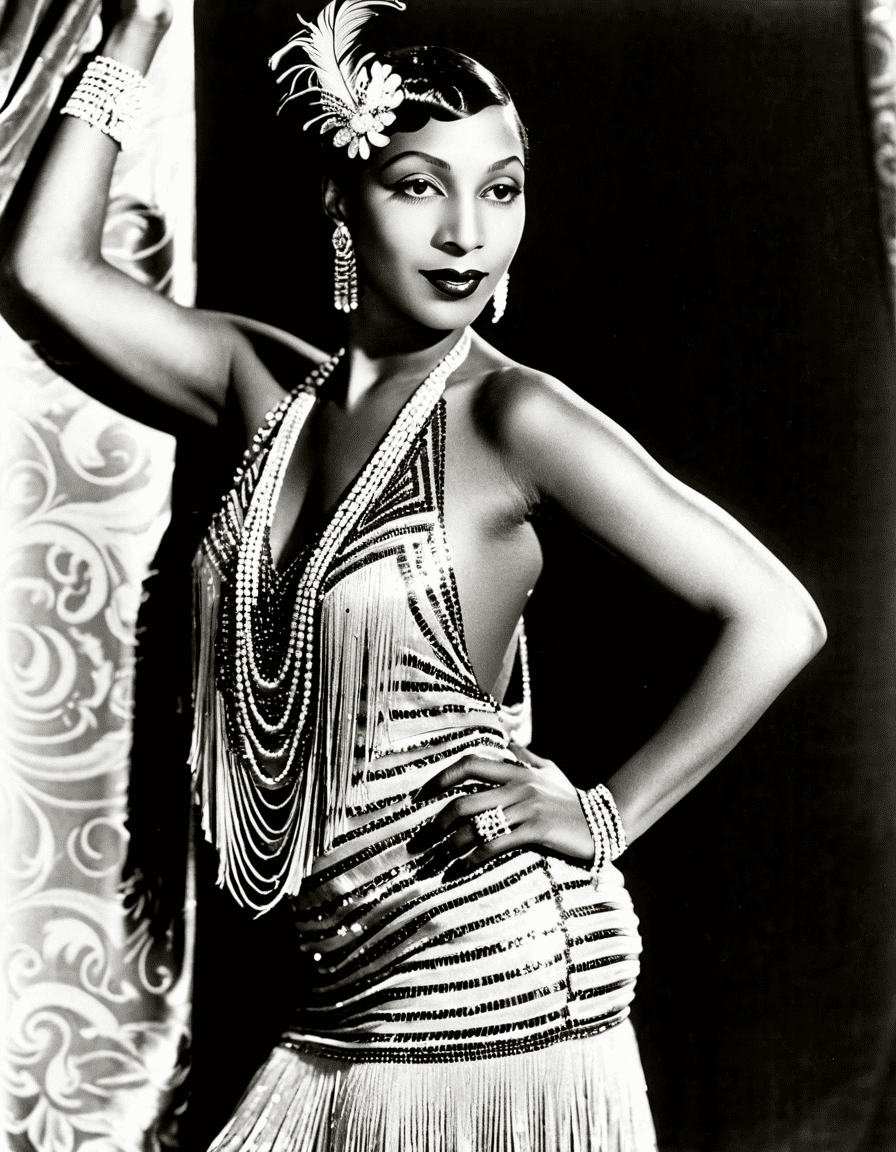
1. The Life and Legacy of Josephine Baker
Josephine Baker’s remarkable saga kicks off in St. Louis, Missouri, on June 3, 1906. Born into a world brimming with challenges, this spirited girl refused to be confined by her circumstances. Her early struggles shaped her into a beacon of hope and freedom, not just for African Americans but for all marginalized souls hungry for liberation. Off to Paris in the 1920s she went, marking a significant pivot in her vibrant journey. There, she made history as the first Black woman to star in a major motion picture, “La Revue Nègre,” catapulting herself into the international spotlight.
Baker’s artistry was a combustible mix of music, dance, and audacious performances that shattered the rigid social norms of her time. She wasn’t just a performer; she was a provocateur, an audacious force challenging racial and gender disparities. Baker’s impact rippled through the arts and society, and her legacy resonates powerfully today. From her daring outfits to her heartfelt activism, Josephine Baker became more than an artist; she became a movement that dared to ask the world: Why not?
Enigmatic and enthralling, Baker’s persona was accompanied by a fierce determination to promote equality. The world was her stage, and she played every part with confidence and charisma. From dazzling performances to her bold political stances, Josephine Baker’s life writes itself into the annals of history as a powerful narrative of resilience and audacity.
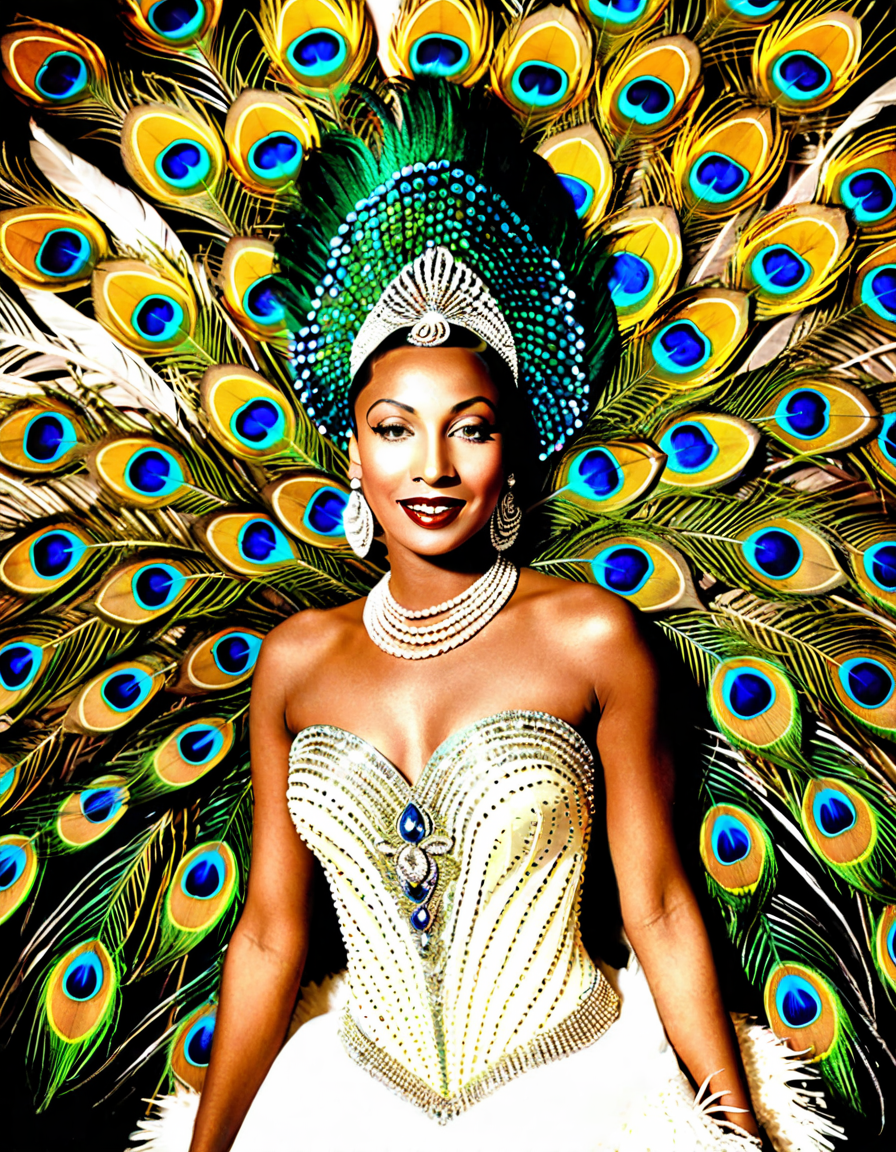
2. Top 5 Moments That Defined Josephine Baker’s Career
Josephine Baker’s life was a rollercoaster ride of exhilarating achievements, each one more groundbreaking than the last. Here’s a look at five of those charged moments that sealed her fate as a trailblazing icon:
2.1. The Banana Skirt: A Symbol of Liberation
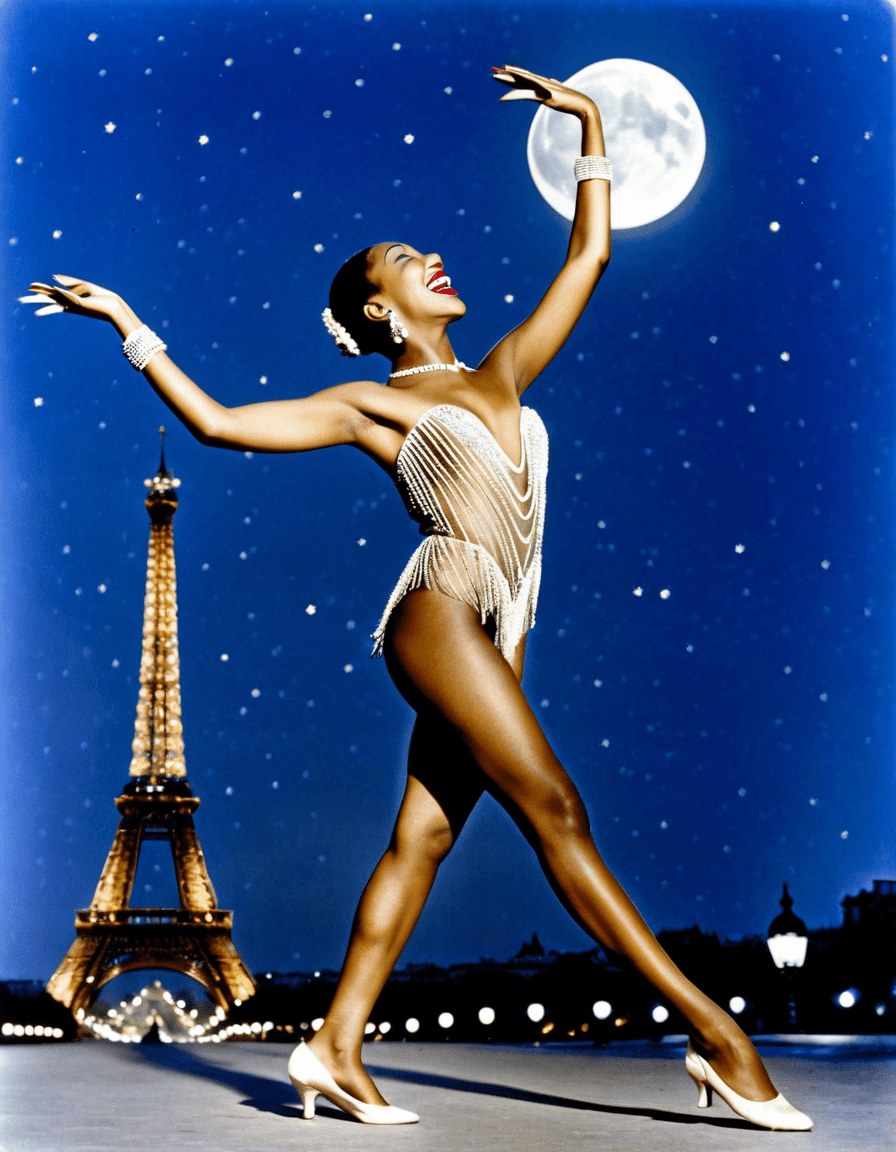
Without a doubt, the sight of Baker strutting her stuff in a banana skirt at the Folies Bergère is legendary. This performance wasn’t merely entertainment; it was a celebration of womanhood and a direct challenge to colonial stereotypes. It screamed liberation, reflecting the vibrant spirit of the Roaring Twenties and encapsulating the joyous chaos of the Jazz Age.
2.2. Activism During World War II
Baker didn’t just wow audiences; she jumped headfirst into serious activism during World War II. As a member of the French Resistance, she wielded her talent for espionage, slipping intelligence notes hidden in her sheet music. Talk about guts! This fearless defiance showcased her unwavering commitment to justice and equality—a true testament to her character.
2.3. The Civil Rights Movement and the March on Washington
In a powerful return to the United States, Baker stepped up for the Civil Rights Movement. Sharing the stage with luminaries like Martin Luther King Jr. at the March on Washington in 1963, she voiced the need for intersectional equality. Her speech echoed with the call that the struggle for racial and gender justice was far from over, her presence heralding unity amidst a fragile time.
2.4. Awarding of the Croix de Guerre
Baker’s fearless altitudes during wartime didn’t go unnoticed. The French government granted her the Croix de Guerre, an honor highlighting her courage and contributions. This accolade not only cemented her legacy in entertainment but also celebrated her as a valiant advocate for social justice.
2.5. Lasting Impact on Future Icons: Ella Fitzgerald and Lucille Ball
Josephine Baker’s magic cast a long shadow over the creative landscape, inspiring folks like Ella Fitzgerald and Lucille Ball. Fitzgerald cited Baker as a beacon during her rise in jazz, absorbing the essence of her audacity and elegance. Meanwhile, Lucille Ball admired Baker’s boundary-breaking spirit, setting her own course in television and carving out diverse roles for women.
3. Josephine Baker: A Comparative Analysis with Ella Fitzgerald and Lucille Ball
Josephine Baker, Ella Fitzgerald, and Lucille Ball share the spotlight as titans in their fields, each defining a new era. While Baker smashes through racial barriers in cabaret and film, Fitzgerald elevates jazz with her incomparable voice. On the other hand, Ball revolutionizes TV, paving a path for diverse roles that challenge traditional gender norms.
3.1. Breaking Racial Barriers
Each woman faced her own unique challenges against racial and gender biases. Baker’s journey through segregated America is a mirror reflecting Fitzgerald’s rise, ensuring the jazz genre was acknowledged at last. In tandem, Ball tackled the television industry’s stereotypes, flame in her belly as she forged ahead with “I Love Lucy,” highlighting women’s roles both at home and in the entertainment sphere.
3.2. Cultural Impact and Legacy
Baker’s legacy stands intertwined with her artistry and activism, a tapestry rich with messages and inspiration. Fitzgerald’s influence on jazz is monumental, laying down tracks for future generations. Similarly, Ball’s impact in television proves formidable, inspiring creatives across the industry while opening doors for women who dare to dream.
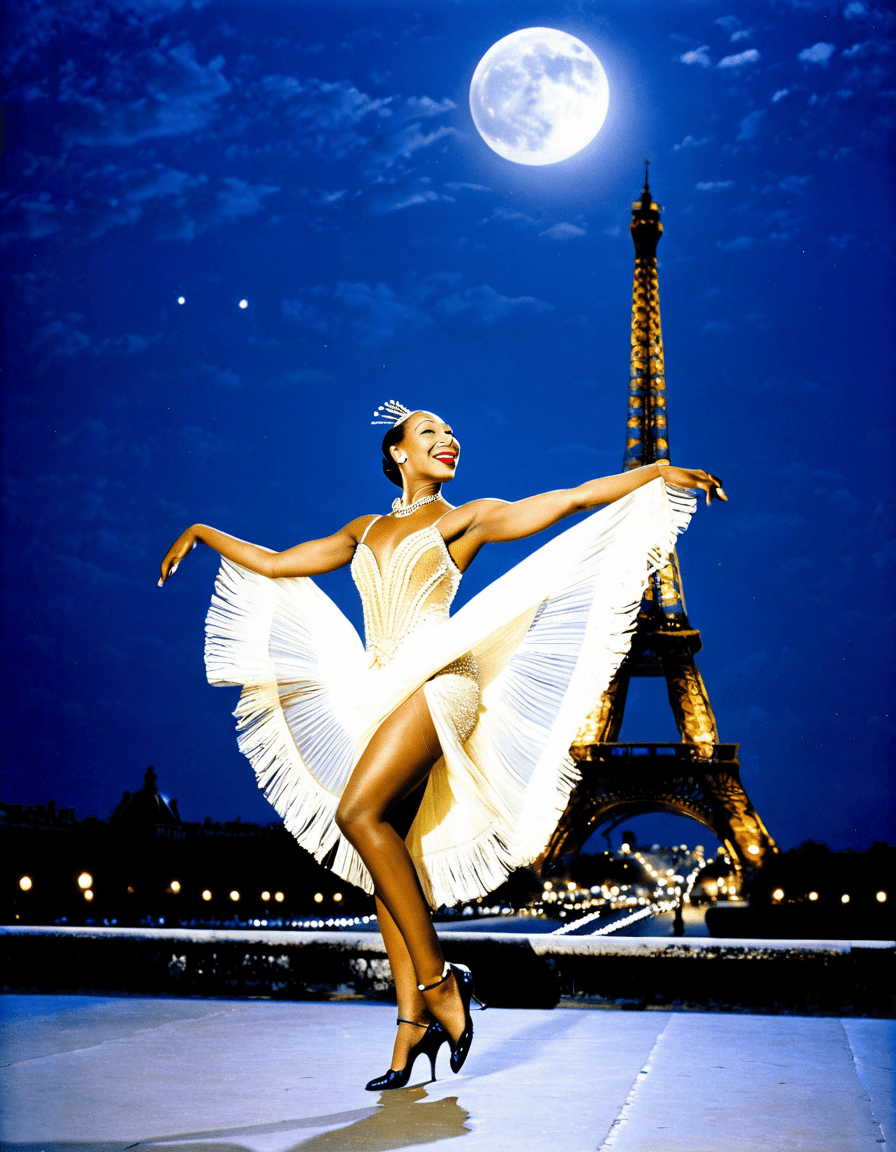
4. Josephine Baker’s Enduring Legacy in Contemporary Culture
Fast-forward to today, and Baker’s spirit still reverberates through the hearts of artists and activists alike. Her life sparks crucial conversations about racial equity and representation, a truth that modern performers like Janelle Monáe and Beyoncé carry forward. These bold talents draw from Baker’s fierce style and commitment to activism, keeping her legacy alive in myriad ways.
Baker’s story isn’t just a tale etched in history. It’s a timely call to action, urging future generations to continue pursuing equality and justice. With every beat of the drum and every lyric sung, the essence of Josephine Baker thrives, reminding us that every step forward is a tribute to those who carved the paths before us.
A Lasting Influence Worth Celebrating
Josephine Baker wasn’t merely an artist; she was a formidable movement, daring individuals to shatter societal constraints. Her vibrant life sparked creativity and encouraged humanity to live freely and authentically. As we contemplate her powerful contributions, we recognize that trailblazers like Baker spark a never-ending journey for justice and representation. In doing so, they inspire innovators and activists, ensuring the fight for equality thrums on into the future.
So, here’s to Josephine Baker—a flamboyant figure who won’t be forgotten. Her existence challenges us to grab our bananas (and our shower caps), strut our stuff, and demand the spaces we deserve! Let’s keep her revolutionary spirit aflame and honor her legacy with our voices, our art, and our undying commitment to justice.
Josephine Baker: The Daring Life of a Trailblazing Icon
A Star Beyond Borders
Josephine Baker wasn’t just a performer; she was a pioneer who broke boundaries in both art and society. Born in St. Louis in 1906, she transformed the stage with her unparalleled talent and exuberance. Interestingly, her career took flight in Paris where she dazzled audiences with her dance routines, most famously known for her “banana skirt” performance! This daring act made her not just the toast of French culture but a symbol of the Roaring Twenties. So, what’s the scoop? Baker was the first African American woman to star in a major motion picture, cementing her legacy as not only a remarkable entertainer but a trailblazer in cinema. Speaking of cinema, some folks may know Eric Johnson, an actor making waves in his own right lately, but Baker’s impact was groundbreaking long before him!
A Champion of Change
Baker didn’t stop at just dazzling performances; she also advocated for civil rights, playing a notable role in the American civil rights movement. She often used her platform to speak against racism and discrimination. Did you know that she refused to perform for segregated audiences? This bold move inspired many and emphasized her commitment to equality. Plus, her contributions reached even the likes of icons like John Fogerty, who have also stood against social injustices through their art. Baker’s life was also marked by her diverse family, famously adopting 12 children of various ethnicities, creating what she called her “Rainbow Tribe. It’s a little reminiscent of how the cast of Cobra Kai Season 6 Part 3 showcases diversity in its own plotlines, don’t you think?
Multifaceted Legacy
Josephine Baker’s journey didn’t just include entertainment and activism; she was an entrepreneur as well. She opened a nightclub in Paris, showcasing her versatility. She also wrote a memoir about her life, bringing her story full circle and impacting generations to come. The spirit of her artistry is alive today, reminding us of the importance of resilience and creativity. Did you know, she once posed as a spy for the French Resistance during World War II? Talk about daring! In her own way, she carved a space for the likes of artists today, such as Arturo Castro, who continue to push boundaries and challenge societal norms. Even the spirit of adventure can be found in nature, like climbing Piestewa Peak, where one can reflect on how such remarkable figures inspire us to reach new heights. Whether you’re humming a tune from Team umizoomi or flipping through a history book, Josephine Baker’s legacy is all around us!