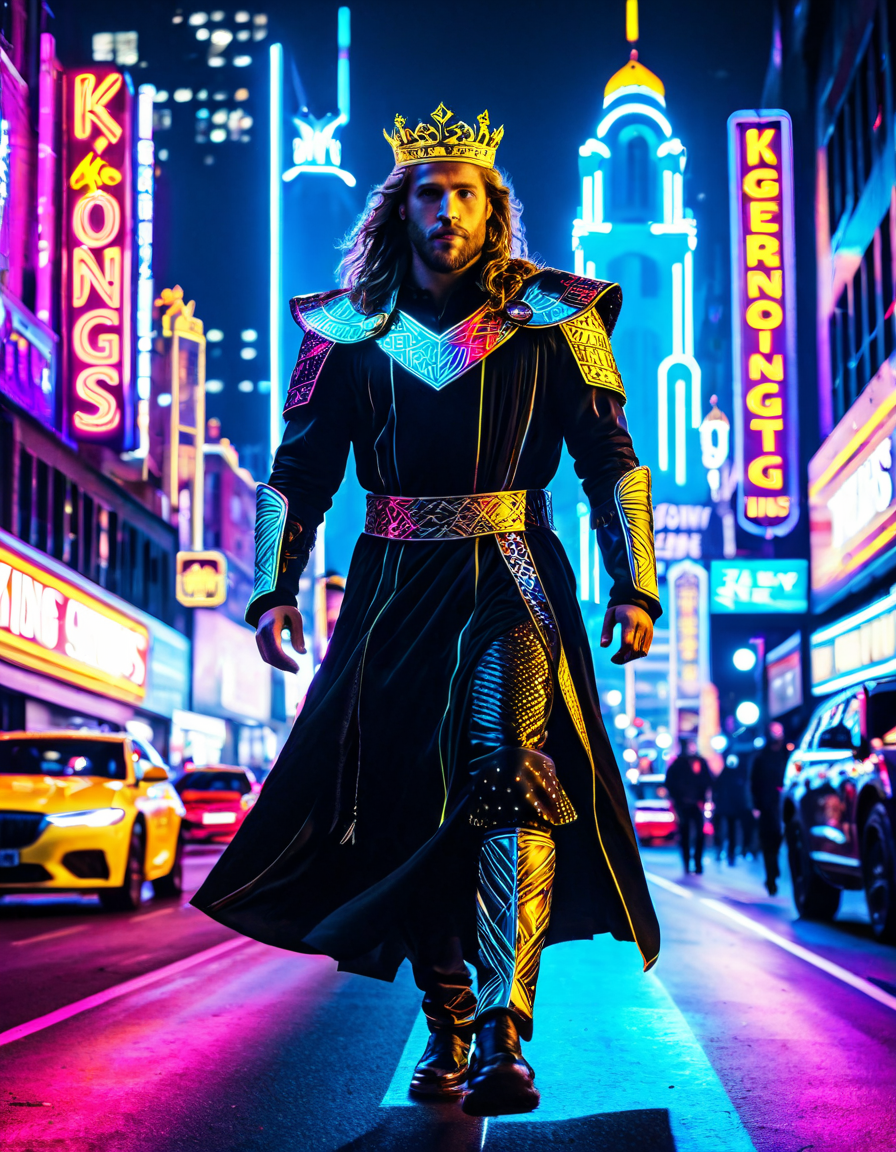
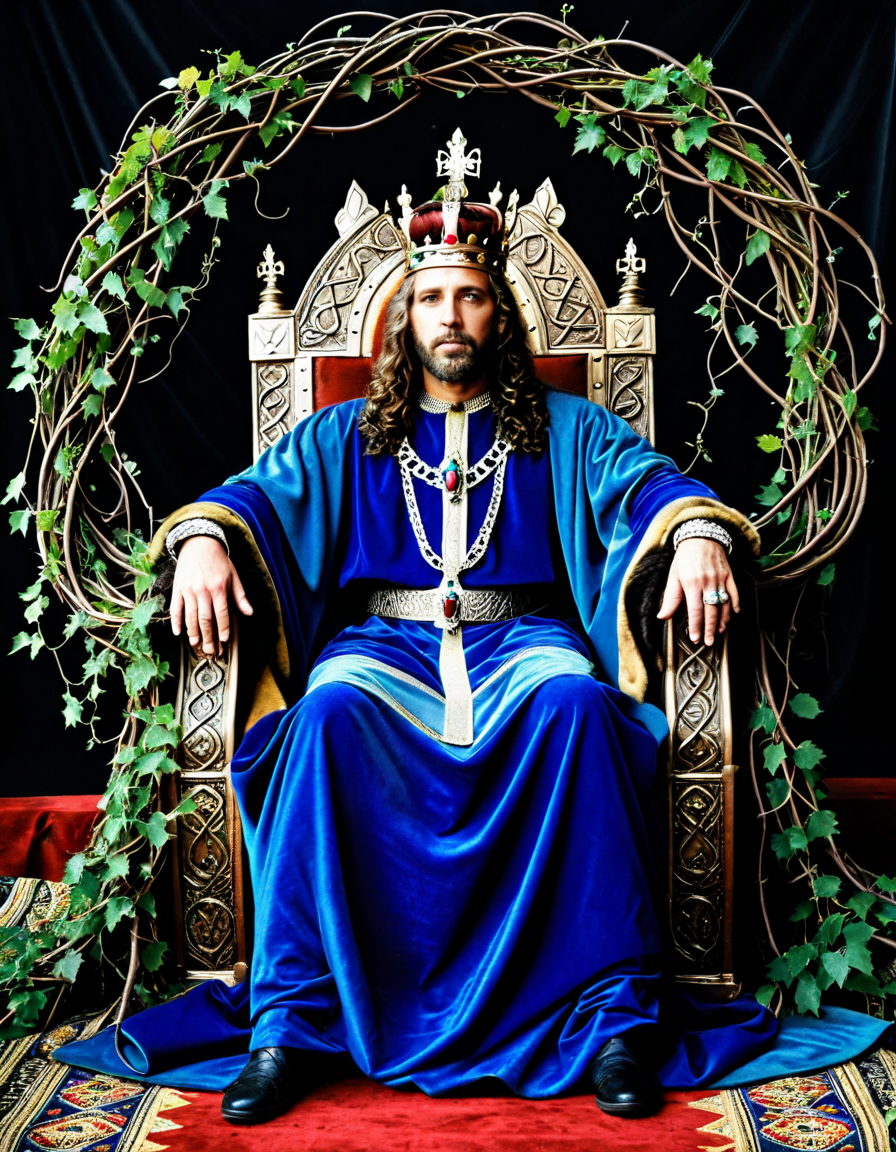
The term ‘king of kings’ echoes through the ages, a phrase heavy with authority, regal splendor, and divine heritage. This title isn’t just about cloaks of velvet, crowns studded with sapphires, or the opulence of ancient thrones in dimly lit castles. Rather, it carries the weight of history, culture, and aspirations—an extraordinary narrative interwoven with the fabric of civilizations. In this exploration, we’ll dive into the tales of monarchs both celebrated and contested, unearthing the layers that define what it truly means to be a king or queen in today’s ever-changing landscape.
King of Kings in Historical Context: Monarchies that Shaped Civilizations
The Divine Right of Kings
From the moment he declared “L’état c’est moi,” Louis XIV of France transformed the narrative of kingship. He upheld the doctrine of the divine right of kings—essentially arguing that his power was not merely political but divinely ordained. His reign illustrates how monarchs have historically woven themselves into the fabric of spiritual narratives, granting legitimacy to their rule through religious affirmation. This heady blend of politics and theology encouraged a culture where authority equaled as much divine providence as noble lineage.
The Role of Kings in Religion
Consider Jesus, revered as the “King of Kings” in countless scriptures. His influence transcends the pages of the Bible, echoing in today’s discussions about leadership, morality, and responsibility. His teachings invite us to reflect on the ethical dimensions of power. Just look at how leaders seek inspiration from his story, dancing along the thin lines between service and authority. This king doesn’t wear a crown but rather spins a web of influence that stitches society together around ideas of hope and redemption.
Modern Monarchies as Symbols
Zooming into the present, we meet the British monarchy, where figures like Queen Elizabeth II and now King Charles III stand as living relics of an age-old tradition. They symbolize continuity, heritage, and the delicate balancing act that lies between past legacies and modern expectations. Each royal appearance becomes a cultural event, highlighting how these contemporary monarchs navigate a sea of public scrutiny. The ongoing fascination with their lives provides a backdrop for discussions on leadership’s relevance in our digital society, where every public figure is but a keystroke away from both adoration and critique.

The King of Queens: Female Sovereignty Across History
While kings often bask in the spotlight, queens have wielded power in shadows not always seen. Consider Cleopatra, dazzling with her intellect and ambitions, or Elizabeth I, who juggled national identity with gender politics. These formidable women illustrated that sovereignty isn’t limited by gender. Their legacies shimmer through time, reminding us of the nuanced roles women have played in shaping history’s narrative.
From Queens to Modern-Day Icons
In contemporary storytelling, female leaders make waves as audiences tune in to shows like The Crown. These dramas render vivid portrayals of royal life, revealing the struggles queens face against the tide of patriarchal expectations. The complex emotional landscapes of these characters invite viewers to consider how gender affects leadership. Stories of women rising and prevailing speak volumes about society’s shifting perception of power dynamics.
Feminine Energy in Leadership
As we dissect the modern world, we see women stepping into roles once reserved solely for men, flooding industries previously dominated by male figures. The rise of female executives is like reveling in an empowered renaissance. Companies today are not just champions of equity; they mirror historical figures who’ve dared to defy norms. These narratives challenge the age-old conventions that have long defined kingship and queenship, pushing against the barriers of tradition.
The God of War: Kings in Conflict and Conquest
When one contemplates kings, war often weaves its way into the tapestry of history. Take Alexander the Great: he redefined geography with military precision, but at what cost? The paths carved by kings like him are soaked in both glory and bloodshed, questioning the ethics of leadership amid conflict. The title of ‘king’ often emerges through the battlegrounds they’ve conquered.
Legacy of Warrior Kings
Consider Genghis Khan, whose empire sprawled across continents. His relentless spirit to conquer reshaped societies, but his legacy prompts weighty questions about the morality behind such reigns. Warriors claim crowns, yet they often leave devastation in their wake. The complexities of leadership through warfare shed light on the darker side of kingship—one riddled with dilemmas regarding responsibility and empathy.
The Impact on Modern Warfare
Fast forward to today, and the essence of ‘king of war’ transforms yet again. The battlefield is no longer confined to borders; it exists in boardrooms and social media feeds, where combatants engage in dialogue, diplomacy, or sometimes, disillusionment. The modern leader, like a king in battle, must navigate an unpredictable landscape, using wit and foresight rather than mere swords and shields.
The King of Kings Movie: Film Adaptations and Their Impact
Cinematic interpretations of the ‘king of kings’ are a lens through which history is often reframed. Take The King of Kings (1961), for instance. This film attempts to peel back the layers of Jesus’s life, enhancing the historical narrative with drama and emotion. Although it focuses on his crucifixion, the underlying themes of sacrifice and authority resonate deeply.
Exploring Modern Film Adaptations
Watching movies like Gladiator and The Last Duel could prompt a rethinking of kingship; these narratives blend honor, betrayal, and moral dilemmas. Each character grapples with the weight of their decisions, echoing the timeless discussions around leadership. On the big screen, we’re not merely passive viewers; instead, we’re stirred to question the ethics surrounding power and those who wield it.
Art as Reflection of Authority
Films are a mirror reflecting society’s evolving views on authority. As viewers engage with these royal narratives, their complexities invite debate about real-world leaders. Like all great art, film prompts us to examine our perceptions of kingship, scrutinizing the traits we value in our own leaders.
The King of the Hill: Hierarchies in Personal and Societal Constructs
Shifting gears from royal thrones to corporate kingdoms, the title of ‘king of the hill’ emerges in modern contexts. Figures like Steve Jobs and Elon Musk reign in their respective fields, displaying a different kind of leadership governed by innovation and capability. Their legacies evoke conversations about what it means to lead in environments fraught with uncertainty.
Dominance in Business
Jobs pioneered a culture where creativity married technology, fostering a fertile ground for ideas to bloom. Meanwhile, Musk’s daring ventures into electric vehicles and space travel illustrate the relentless pursuit of progress. Both navigated the swirling tides of an unpredictable landscape, rising as titans in their industries. Their journeys remind us that true kingship can manifest through entrepreneurial pursuits, leading to discussions about the longevity of their influence.
Leadership in the Age of Influence
The modern ‘king of the hill’ in business faces a conundrum: how to maintain dominance while being criticized in a world that demands authenticity. These leaders showcase an evolution; they’re not just kings crowned by their successes, but also those challenged by the public’s expectations. This dynamic reminds us that true leadership may require more than just a title; it demands integrity and strategic foresight.
In Closing: Defining Kingship for the Modern Era
As we step back and connect the dots, we realize kingship is a tapestry woven from the threads of history, culture, and individual aspirations. The essence of a king—or queen—stretches beyond inherited titles; it speaks to the very nature of leadership. Through historical figures, cinematic portrayals, and the deconstruction of gender roles, we’re opening discussions about what it means to lead in today’s tumultuous landscape.
The Future of Kingship
The question lingers: how will we redefine kingship for future generations? Will the next kings and queens emerge from the realms of innovation and authenticity rather than tradition? In a society increasingly scrutinizing authority, the answers lie not only in the illustrious legacies of history but also in our capacity to reshape ideals into narratives that inspire.
These legacies compel us to look forward, evaluating what we seek in our own leaders. As the lines between convention and modernity blur, Kings and Queens of today are painting a new portrait of authority—one that may redefine what it truly means to be ‘king of kings’ in the years to come.
In this thrilling exploration of power and influence, we’re ever cognizant of the fact that the journey is as vital as the destination. Both reflective and anticipatory, these discussions form an elaborate dance of long-term consequences, shaping the sociopolitical stage and prompting us to engage with differing stories—whether we’re celebrities, warriors, entrepreneurs, or simply citizens in this choice-laden world.
So, strap in, dear readers, because the stories of kings, queens, and everything in between are far from over. As we reflect on our own place within the tapestry, we stand at the precipice of what’s next, forever searching for the extraordinary amidst the ordinary. For each ‘king of kings’ we encounter, a new chapter in the human narrative unfolds.
King of Kings: The Extraordinary Life and Legacy
Intriguing Facts About the King of Kings
Did you know that the title “King of Kings” has been used across various cultures and religions through history? It’s fascinating to see how this title has symbolized ultimate power and leadership. In ancient times, kings would often strut around with crowns encrusted with jewels, much like the cast from “Night at the Museum,” who portrayed colorful characters based on historical figures, bringing history alive in unexpected ways. This imagery resonates perfectly with the grandiose depictions of royalty today.
Speaking of royalty, you might find it amusing that even modern pop culture references often nod to this title. Take Rebecca Black, for instance, whose music has made waves in pop culture, reminding us that everyone’s got a story, much like the kings of old. Additionally, did you know that O.T. Fagbenle, popular for his role in “The Handmaid’s Tale, has also brought powerful narratives to the screen that echo the struggles and glory found in kingly tales? These connections highlight how the theme of kingship permeates various facets of our lives.
Legacy and Influence
Now, let’s dive into the profound legacy attached to the idea of a king. The influence of figures dubbed “King of Kings” often transcends borders, inspiring creative works like the nostalgic Pixar classic, Lilo & Stitch. The story celebrates family, love, and resilience, mirroring the values often associated with legendary rulers. In a different sphere, Kanyes artistry has also captivated audiences worldwide, as he carves out his own legacy, adding layers to our understanding of what it means to be a leader.
It’s wild how these threads connect! For those wondering where to watch gripping tales of leadership like “1923,” it’s intriguing to see how storytelling can reflect broader themes of power and responsibility. And in today’s fast-paced world, the art of communication—like that found in professional settings through Executive Speaker coaching—plays a critical role in shaping future leaders. The concept of a “King of Kings” has evolved, but its essence still fuels our fascination with authority, legacy, and influence. So, the next time you hear the phrase, remember these rich connections and the stories that continue to inspire us!