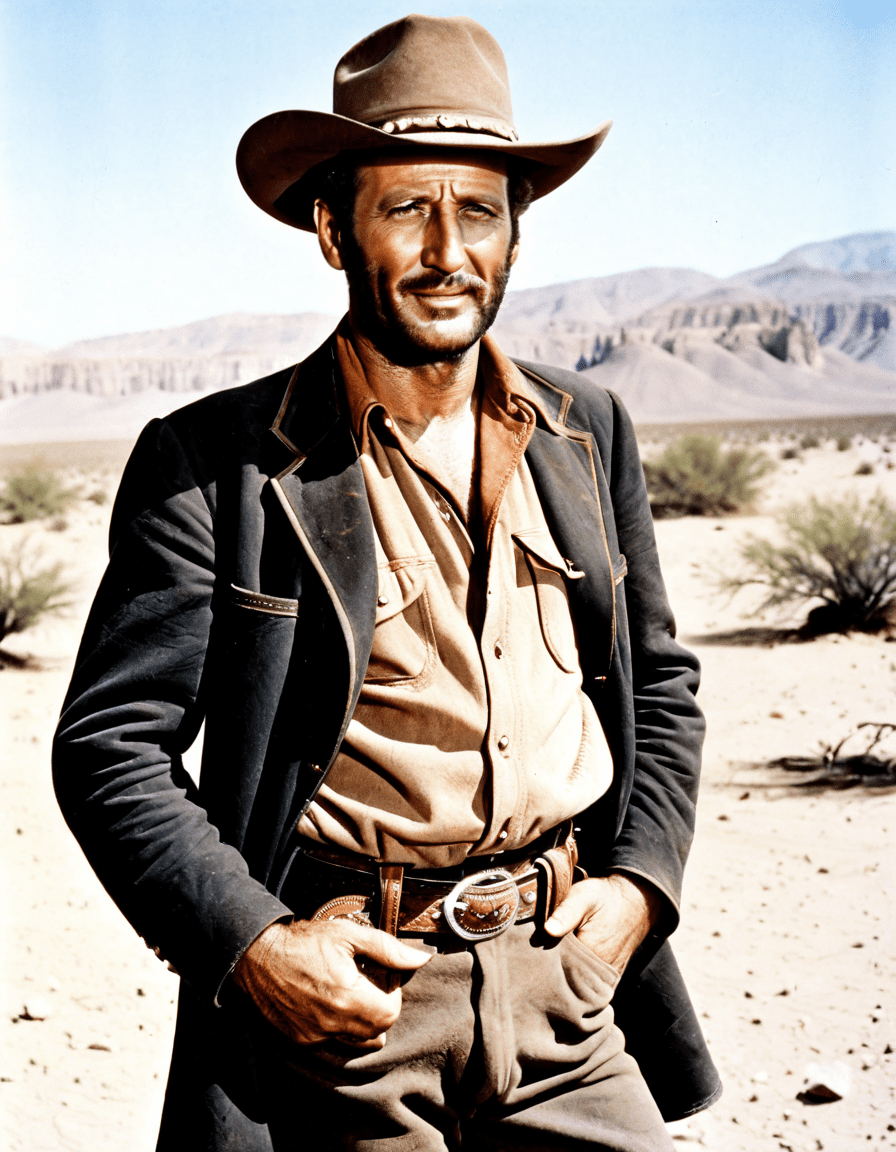

Eli Wallach stands as a towering figure in the landscape of American cinema. The span of his six-decade career showcases an extraordinary talent, with each role revealing his ability to embody a multitude of diverse characters. Wallach’s signature style blends humor with depth, allowing him to navigate the morally ambiguous landscapes of classic Westerns to the intimate realms of groundbreaking dramas. This article will delve into seven of Eli Wallach’s most unforgettable roles, highlighting how his performances resonate with audiences and demonstrate his versatility as an actor.
Top 7 Unforgettable Roles of Eli Wallach
1. Tuco in “The Good, the Bad and the Ugly” (1966)
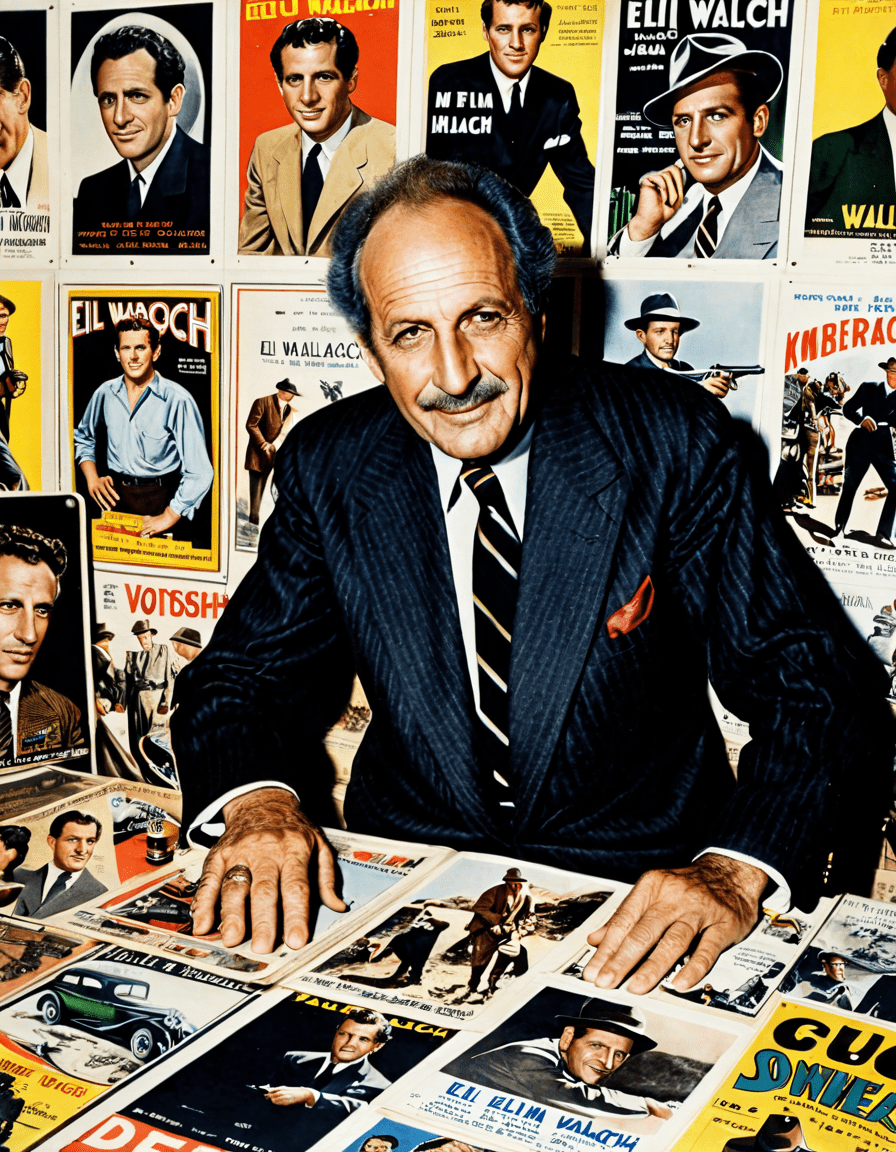
Eli Wallach’s portrayal of Tuco Salamanca in Sergio Leone’s epic Spaghetti Western cemented his status as an iconic figure. Tuco’s character embodies a mix of cunning charm and vulnerability, showcasing Wallach’s flair for blending humor with pathos. The stunning chemistry between Wallach, Clint Eastwood, and Lee Van Cleef crafted a dynamic narrative of friendship and betrayal, making Tuco not just one of the most memorable villains, but a character that lingers long after the credits roll. Watching this trio unfold their complex journey is akin to seeing a live performance of surreal art—every moment is alive with tension and release.
2. Calvera in “The Magnificent Seven” (1960)
In the timeless classic, “The Magnificent Seven,” Wallach shines as Calvera, the charming yet menacing bandit leader. His character poses a significant threat to a small Mexican village, transforming him into a complex figure who is not merely a villain, but a desperate man driven by circumstance. The sophistication of Wallach’s portrayal stands out, especially in an era when many antagonists flopped around in one-dimensional roles. His performance threaded layers and motivations into Calvera, exposing the depths of human desperation and survival, much like vibrant splashes of color on a stark canvas.
3. Don Altobello in “The Godfather Part III” (1990)
Transitioning from Westerns to the mob genre, Wallach’s take on Don Altobello in “The Godfather Part III” introduced a unique blend of sophistication and menace. Here, he serves as a clever foil to Al Pacino’s Michael Corleone, infusing the mafia politics with an extra touch of intrigue. His knack for subtlety added depth to an already complex narrative, making Wallach the linchpin that wove various threads of tension. With each interaction, you feel the aura of power struggles and shifting allegiances, an intense dance that unveils the darker corners of loyalty.
4. The Man in “Baby Doll” (1956)
In Elia Kazan’s provocative film “Baby Doll,” Wallach portrays a man clawing for revenge against a rival. His performance is raw and passionate, thrusting audiences into a world entwined with sexuality and desire. Wallach successfully shifted from what could have been a typical romantic lead to a profoundly tormented character. The role challenged the norms of its time, pushing buttons and establishing Wallach’s capabilities to portray deeply flawed characters, ensuring the film’s identity rests on more than its scandalous themes.
5. The Old Man in “The Holiday” (2006)
Flipping genres, Wallach’s character as The Old Man in “The Holiday” injects warmth and wisdom into a romantic comedy dominated by younger stars like Kate Winslet and Jack Black. His portrayal shines a light on the beauty of life’s lessons, transcending the confines of traditional roles he often undertook. Wallach’s ability to transform the mood from light-hearted chaos to genuine connection shows his range goes beyond tough guys or villains. The film flows with an underlying warmth, evoking nostalgia and joy, much like a well-loved song strumming gently on a summer’s day.
6. Bob in “The Misfits” (1961)
Sharing the screen with the iconic Marilyn Monroe, Wallach’s performance as Bob in “The Misfits” adds another feather to his illustrious cap. The film delves deep into love and existential despair, anchored by Wallach’s intricate portrayal of a man engulfed by life’s uncertainties. His performance elevates the film’s emotional core, illustrating how he captivated audiences amidst Hollywood heavyweights. Wallach had the remarkable ability to blend into ensemble casts, yet drew the eye with his uniquely resonant delivery.
7. The Cowpoke in “The Good, the Bad, and the Ugly” (1966)
Even in a more understated role as a cowpoke, Wallach showcases his extraordinary versatility. This fleeting appearance delivers significant emotional impact—the kind that cements him in one’s memory. His ability to convey complex emotions in mere moments demonstrates that every line can resonate, like whispers of forgotten dreams swirling in the wind. Wallach’s talent transformed even background roles into memorable insights, proving a true artist can capture hearts in any guise.
Eli Wallach’s Collaborations: Insights on His Impact
Wallach’s contributions to cinema extended far beyond just acting; they wove together the fabric of numerous collaborations that inspired an entire generation. Working alongside actors like Ron Perlman and filmmakers like Adam Shulman and Miriam Shor, Wallach provided more than brilliant performances; he acted as a mentor, guiding talents toward new artistic visions. His collaborations with directors, whether it was with the legendary Sergio Leone or more contemporary cinematic minds, showcased his adaptability amid shifting storytelling approaches.
Moreover, like flickers of light battling shadows, Wallach’s influence is apparent in the stylized works that followed, reminding newer artists of the importance of depth within performance. He led by example, encouraging a focus on the nuances that give characters life. Wallach fostered an environment where vulnerability and strength danced together, much like the interplay of light in avant-garde fashion, adding layers of richness to the art of storytelling.
A Lasting Legacy
Eli Wallach’s illustrious career remains a testament to the power of versatility in acting. He transitioned effortlessly between various genres and character types, enriching cinema’s narrative landscape, much like palette-swaps of deep and vibrant colors. Each unforgettable role stands as a lens through which audiences can appreciate not just Wallach’s talent, but also the broader narrative styles and themes influential in cinema throughout the decades.
His legacy is a vibrant tapestry woven of powerful performances that serve as both a guidepost and inspiration for future actors. Wallach’s contributions remind us just how much impact a great actor can have on both audience experience and the film industry. Just like the moving works of artists like Shel Silverstein or the intriguing conspiracies found in “The X-Files,” Eli Wallach’s cinematic journey will never fade from silver screen whispers or fashion-forward conversations. With his spirit lingering, he remains a fixture that shall always revive the appreciation for storytelling in its most authentic form.
Eli Wallach: A Legend in Every Role
Facts and Fun About Eli Wallach
Eli Wallach, known for his iconic performances, was a master of embodying characters that spanned genres and cultures. Before becoming a Hollywood staple, he honed his skills on stage, cementing his reputation as a powerhouse of emotion and depth. Did you know that Wallach once had a robust friendship with the famous British Prime Minister, Margaret Thatcher? Their correspondence revealed not only a political bond but also mutual respect for the arts, showcasing how intertwined culture and leadership can be, much like the gripping narratives of shows like The X-Files.
Wallach’s breakthrough role in The Good, the Bad and the Ugly transformed the Western genre. His portrayal of Tuco was unforgettable, intertwining humor and menace in a way that left audiences in awe. Just like how Cage The Elephant revamps indie rock with eclectic energy, Wallach’s unique take on characters brought a fresh twist to each film. For those who explore his incredible filmography, it’s apparent that every role he took on had a story that kept viewers on their toes.
As a true Renaissance man, Eli’s versatility also extended beyond films and into the landscape of powerful narratives like Your Honor, where he wasn’t part of the cast but still inspired many in the acting community. Imagine if he’d been part of that gritty world—his presence would surely have added a depth that resonated well with the show’s themes. Additionally, if you’re intrigued by darker real-life stories, you might find the chilling profile of the Toy Box Killer reminiscent of the darker aspects Wallach sometimes portrayed. His ability to balance light and dark is a testament to his formidable talent.
Eli Wallach was not only an incredible performer but also a great storyteller off-screen. In a time when the cinema was rapidly evolving, he adapted seamlessly into various roles. He might have enjoyed the thrilling concept of Ungentlemanly Warfare, blending humor and history like the films he starred in. Whether you’re catching a basketball game on Nba crackstreams or rediscovering classic films, let Eli Wallach’s legacy remind you of the art of storytelling that compels us all. Each role he embodied continues to resonate, showcasing the enduring impact of his work in cinematic history.