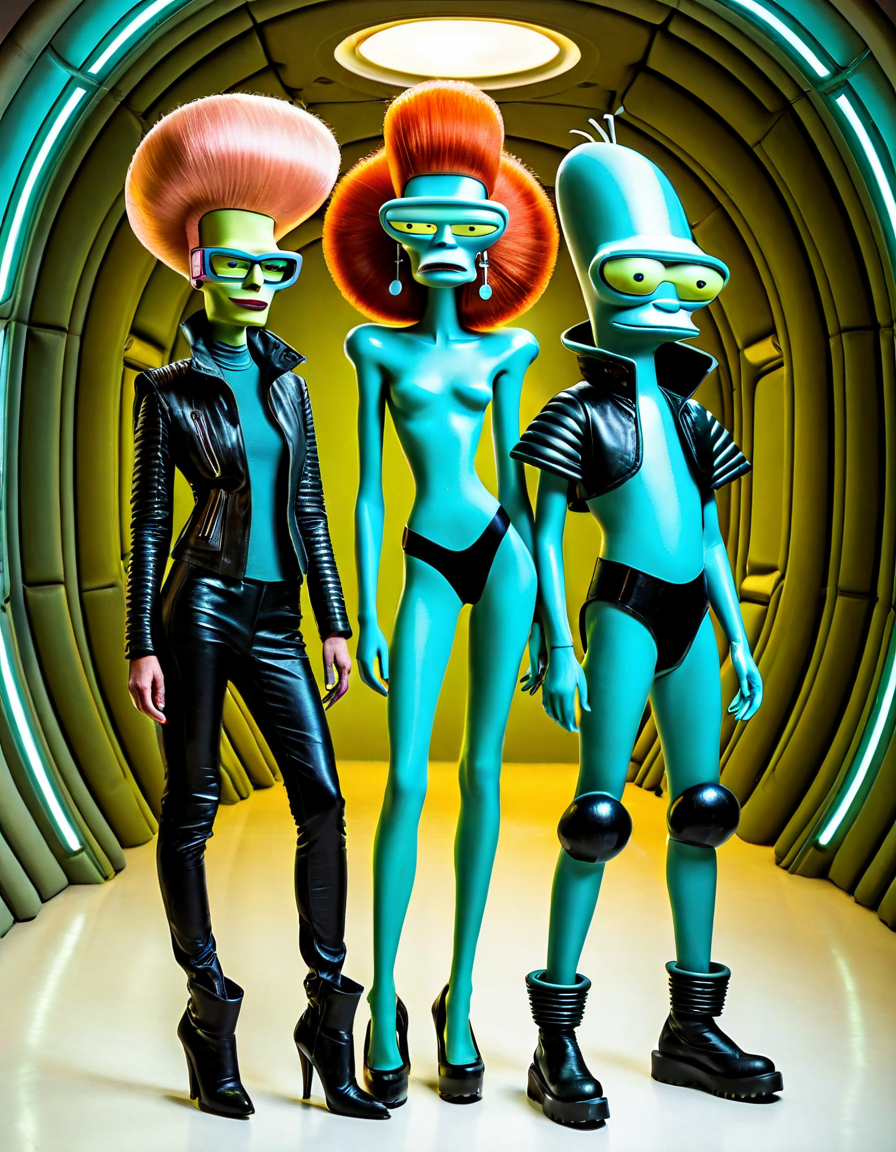

Futurama has long been celebrated as more than just a television show—it’s a cultural phenomenon that dives headfirst into the oddities of the future. Created by the genius behind The Simpsons, Matt Groening, this animated series redefined our understanding of storytelling within the sci-fi genre. Marked by its sharp satire and humor, Futurama gives viewers a glimpse into technological advancements, societal challenges, and quirky characters that stick with you long after the credits roll. As we explore the intertwining universes of Futurama and other iconic franchises, like the Teenage Mutant Ninja Turtles, the lines between imagination and reality begin to blur in the most delightful ways.
Futurama’s unique mix of dark humor, biting wit, and social commentary took us on a rollercoaster of emotions, proving that animation can tackle significant themes while keeping us entertained. In this article, we’ll uncover the ways Futurama has influenced pop culture and sci-fi, providing a comprehensive look into its lasting impact.
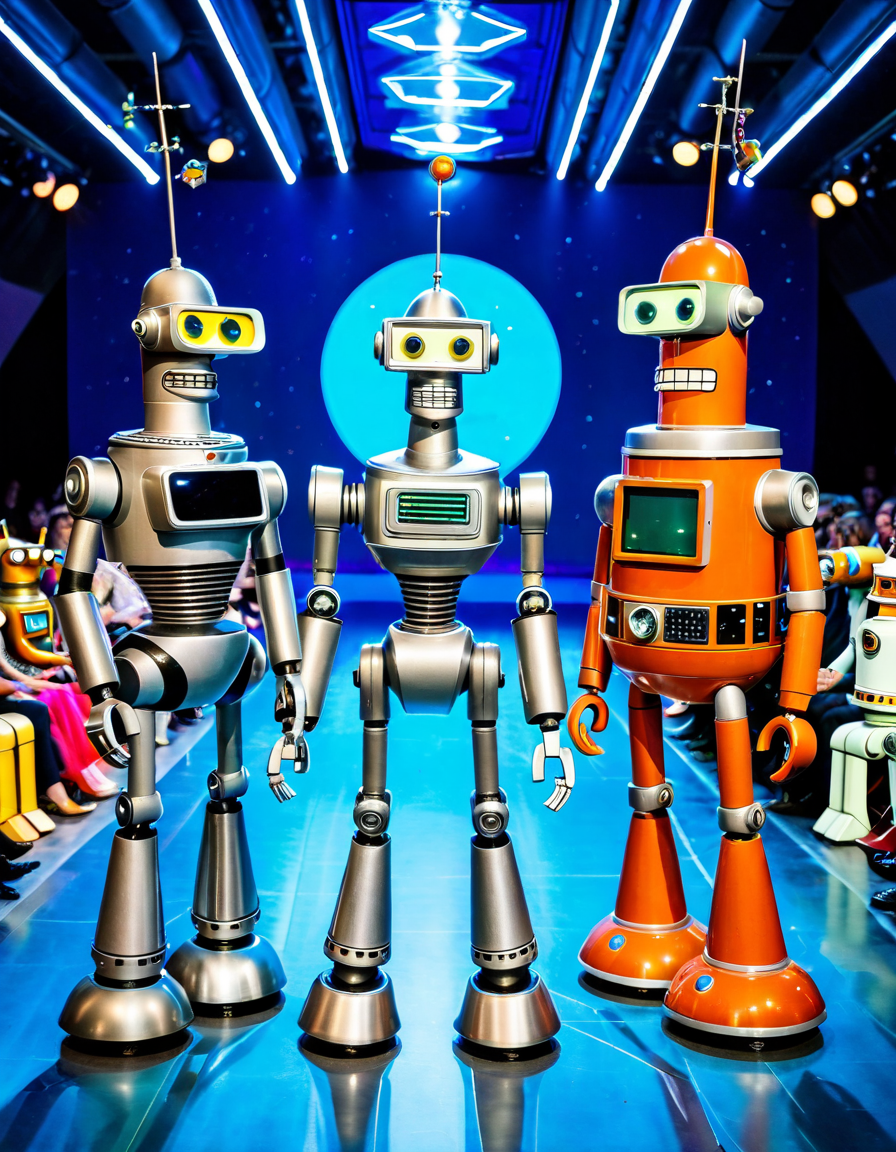
Top 7 Ways Futurama Influenced Pop Culture and Sci-Fi
Futurama has left an undeniable mark on pop culture, influencing storytelling techniques and character development. Here are seven illustrative ways it shaped our understanding of futuristic realms, particularly in connection with classic franchises like Teenage Mutant Ninja Turtles.
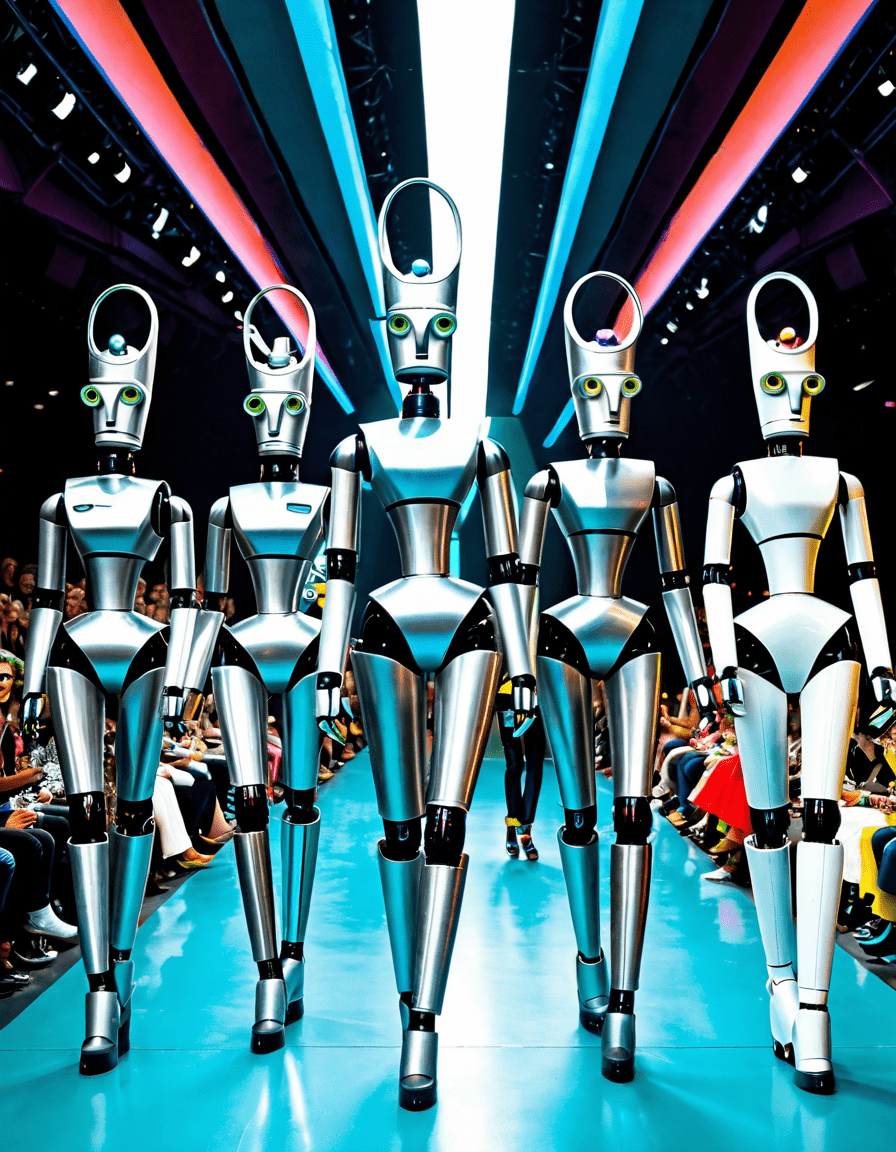
1. Satirical Takes on Science and Technology
Futurama might not just be a series; it’s a sharp lens aimed at society’s technological obsessions. The show humorously critiques our collective fears about climate change and artificial intelligence, often leaving us with more questions than answers. Just look at how Teenage Mutant Ninja Turtles playfully critiques urban living and consumer culture through its heroic antics.
Both series manage to articulate genuine societal fears while delivering laughs, making the more serious issues easier to digest. They invite viewers to ponder how technology impacts our lives, couching deep societal critique in layers of comedy that often resonate more profoundly than we’d like to admit.
2. The Rise of Geek Culture in Animation
Futurama heralded the acceptance of geek culture within mainstream animation. Characters like Fry, the lovable everyman, and Bender, the booze-loving robot, became icons for those who embrace science fiction and gaming culture. This rise in geek representation aligns with the themes of Teenage Mutant Ninja Turtles, which incorporates martial arts lore and comic book references seamlessly.
Both series beautifully intertwine geek culture into everyday life, drawing in fans who crave depth. Where other shows might skimp on character arcs or complex narratives, Futurama and Teenage Mutant Ninja Turtles engage viewers with rich backstories that elevate them beyond mere entertainment, becoming cultural touchstones for a dedicated fanbase.
3. Crossovers and Collaborations
Futurama’s approach to crossovers has sparked conversations and camaraderie among fans, presenting alternate realities that thrill and surprise. For instance, the crossover with The Simpsons catapulted both shows into a shared comedic universe that fans couldn’t get enough of. Similarly, Teenage Mutant Ninja Turtles has interacted with iconic figures like Batman, showing off its versatility in narrative.
These crossovers do more than just delight; they capitalize on existing fandoms to broaden their respective narratives. The collaborations build community, fostering shared experiences amongst fans who eagerly devour each episode in anticipation of their favorite character interactions.
4. Unique Character Development
The characters in Futurama are anything but one-dimensional. The complexities of figures like Bender reveal multifaceted personalities that stray from typical archetypes. His mix of shallowness and depth has led many to affectionately embrace him as an anti-hero. This level of character development also shines through in Teenage Mutant Ninja Turtles, where heroes like Michelangelo exhibit unique traits that capture the hearts of diverse audiences.
Character-driven storytelling has become a hallmark of both series, inviting audiences to sympathize with their flaws and celebrate their victories. Viewers are drawn into their lives not just for the laughs, but for the emotional connections that spring from their evolving narratives.
5. Influencing the Future of Animated Storytelling
Futurama set a new standard for storytelling in animated shows, daring to explore themes like morality and futuristic dilemmas while serving up hearty humor. With its clever use of time travel and scientific speculation, the series demands viewers reflect on serious philosophical questions. This thematic richness is evident in Teenage Mutant Ninja Turtles, especially in recent adaptations that explore weightier topics like responsibility and friendship.
As animated series push boundaries, they serve not only to entertain but also to engage audiences in deeper conversations. Futurama and its ilk remind us that laughter can be a gateway to thoughtful dialogue.
6. Cult Following and Fandom Dynamics
The passionate fanfare surrounding both Futurama and Teenage Mutant Ninja Turtles exemplifies their lasting cultural significance. Futurama’s sharp-witted references and Easter eggs draw in devoted fans, inviting them to dive deeper into its layered humor. On the other hand, Teenage Mutant Ninja Turtles thrives on nostalgia, with dedicated gatherings at conventions that celebrate its enduring legacy.
This communal enthusiasm transforms casual viewership into something more profound. Fans create bonds through shared interests, propelling these shows into the larger cultural fabric that spans generations.
7. Future Predictions and Their Accuracy
Futurama is notorious for making audacious predictions that often seem to align chillingly with our present reality. From the advent of smartphones to online dating, the show has eerily foresaw trends that have unfolded over time. While Teenage Mutant Ninja Turtles doesn’t focus squarely on predictions, it encapsulates the zeitgeist of its era, cleverly addressing contemporary themes through its storylines and character arcs.
As we stand in 2026, it’s fascinating to see how these animated worlds unfold alongside ours, illustrating a reflection of cultural trends, fears, and hopes. The foresight displayed by both series encourages viewers to remain mindful of the future we’re creating together.
Navigating the Cultural Landscape: The Impact of Futurama and Teenage Mutant Ninja Turtles on Future Generations
Here we are in 2026, and both Futurama and Teenage Mutant Ninja Turtles remain vibrant within popular culture. Futurama’s sharp mix of humor and commentary has cranked the animation dial up, inspiring shows like Rick and Morty and Big Mouth. Meanwhile, Teenage Mutant Ninja Turtles cleverly adapts to shifting narratives, reminding audiences of the importance of legacy and evolution in storytelling.
Both series exemplify a balance of entertainment and thought-provoking narratives that sparks discussions about societal challenges. As new generations discover these shows, they demonstrate that animation can articulate profound reflections on our existence, technology, and humanity’s ongoing journey through life. With their lasting influence woven into the cultural fabric, Futurama and Teenage Mutant Ninja Turtles remain pivotal in shaping future storytelling.
In summary, these animated titans hold valuable lessons for not just entertainment but also cultural dialogue and connections. They show us that even in exploring the absurdities of the future, we might just find the truest reflections of ourselves. From Futurama‘s comedic brilliance to the nostalgic charm of Teenage Mutant Ninja Turtles, their impact resonates deeply, continuing to inspire and engage as humanity forges ahead into tomorrow.
Futurama: A Mind-Bending Journey into the Future Worlds
A Galactic Blend of Humor and Science
Did you know that Futurama was created by Matt Groening, the same genius behind The Simpsons? This animated series first premiered in 1999 and quickly became a cult favorite, thanks to its clever writing and hilarious characters. It doesn’t just tickle your funny bone; it often gives a nod to real scientific concepts. For instance, the show’s approach to time travel and alternate realities adds a fascinating twist. If you’re into exploring other mind-bending narratives, check out the new Final Destination spin-off, as the franchise takes its own wild turns, mixing horror and humor in unexpected ways.
Speaking of crazy twists, fans are buzzing about Squid Games Season 2. Much like Futurama, the show keeps viewers on the edge of their seats, merging dark humor with thought-provoking scenarios. And let’s not forget the unique voice cast behind Futurama! Billy West, who voiced Fry, also took on the roles of notable characters like Dr. Zoidberg, while John DiMaggio lent his unforgettable voice to Bender. This range of talent makes the show’s comedic timing one of its standout features.
Characters That Stand Out
In the quirky universe of Futurama, you’ll meet unforgettable characters like Professor Farnsworth, whose age paradoxes playfully question age and wisdom. It’s interesting to compare Farnsworth’s eccentricity to characters like those in Freakier Friday, where identity and roles swap in wild ways. Additionally, the show has tackled social commentary skillfully wrapped in hilarity, just like the themes of friendship and war you’ll find in the Band Of Brothers cast dynamic. With a mix of satire and heartfelt moments, Futurama has solidified its place in animated history.
The creativity doesn’t stop at character designs. Many episodes took inspiration from real science fiction authors and films, blending satire with homage. In a universe where aliens can become your boss, how does Futurama manage to critique society while keeping things light-hearted? Well, if you look closely, the subtle digs often remind viewers of the drama found in other serials, like the Vampire Diaries serial, which balances intense storylines with quirky moments. It’s this hybrid that makes Futurama a unique blend of entertainment and insight.
So, the next time you dive into Futurama, remember—behind each chuckle, there’s a clever concept worth pondering. As we gear up for future cinematic experiences, like the latest Alpha movie, it’s a reminder of how far creative storytelling can take us, blending fantasy with a hint of reality. Whether you’re binging episodes or catching the latest news on your favorite shows, Futurama is a journey that never fails to entertain, leaving us all excited for what’s next!