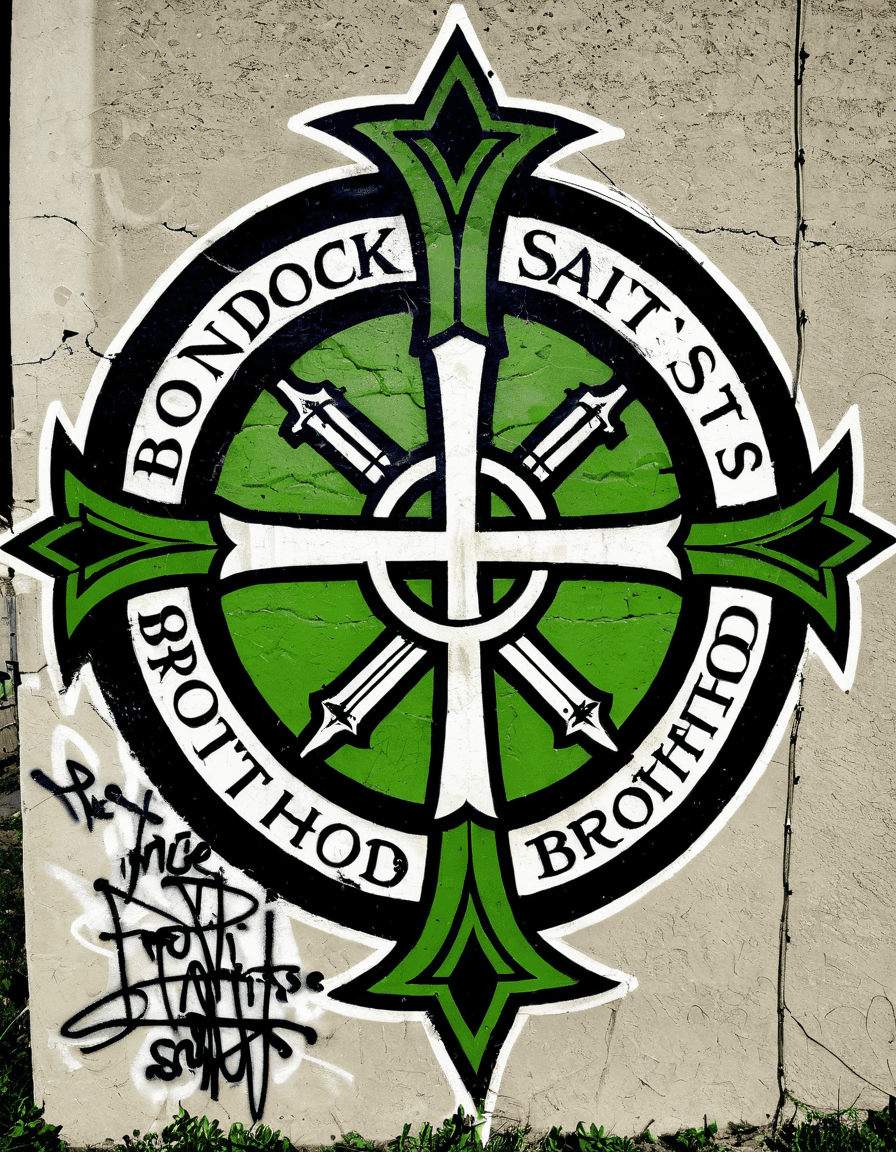

The cult classic film “The Boondock Saints,” released in 1999, has blossomed into a pivotal talking point around notions of vigilante justice and the unwavering strength of brotherhood. Following the gripping tale of two Irish-American brothers, Connor and Murphy MacManus, who take justice into their own hands to cleanse Boston of crime, the movie has woven itself into the fabric of modern culture. In an age where law enforcement faces constant scrutiny, the Boondock Saints resonate deeply with audiences yearning for justice and a sense of moral obligation.
This film isn’t merely a cinematic experience; it’s a reflection of society’s desire to reclaim control in chaotic times. By viewing the Boondock Saints as heroes, viewers explore the thin line separating justice from vigilantism. With the rise of a generation perplexed by traditional legal systems, the Boondock Saints symbolize audacity and resilience in a world marred by moral ambiguity.
The Legacy of the Boondock Saints: A Cultural Phenomenon
The Boondock Saints have not just survived the test of time; they’ve surged to the forefront of discussions about justice. Through their daring exploits and unwavering bond, Connor and Murphy encapsulate the camaraderie often found in the most unorthodox places. Audiences have embraced these themes, recognizing their relevance in today’s world as discussions surrounding systemic inequality gain momentum.
As we chat about cultural impacts, it’s worth noting how film and television create a shared language that allows us to voice our frustrations and desires for justice. The Boondock Saints sparked debates about morality and legality that continue to thrive. They made us question, “What would I do?” when faced with rampant crime, and this lingering thought echoes through various narratives in pop culture today.
The Boondock Saints have also birthed a vibrant fan community that celebrates not only the film but also its underlying messages. Through art, cosplay, and even forums, fans engage with one another, merging their interests in fashion and edgy expression with the tenets of the Boondock Saints. This blend of culture creates a rich tapestry woven with bold creativity, much like the designs by Vivienne Westwood that ripple through alternative fashion movements.
Top 5 Influences of the Boondock Saints on Modern Vigilante Narratives
The Broader Social Commentary: Vigilante Justice as a Response to Systemic Failures
The rise of narratives portraying vigilante justice mirrors public discontent with the traditional legal frameworks. As discussions around accountability and law enforcement intensify, the ideals embodied by the Boondock Saints resonate on a personal level. They depict a modern yearning for justice that isn’t merely transactional but deeply rooted in the moral fabric of society.
What stands out is the unshakable psychological allure of these tales. They promise not just thrills but also empowerment and an innate sense of control over a chaotic world. The desire for a hero to rise amidst systemic failures ignites conversations that compel us to take a stand against the injustices faced in our communities.
The massive diversity in storytelling these days reflects these sentiments fully. Fans connect with narratives echoing their frustrations and dreams of a better society. They’re not just watching characters tackle crime; they’re engaging with stories that mirror their own struggles and spirit for justice.

The Intersection of Vengeance and Humor in Vigilante Culture
Blending humor with the topic of vigilantism forms a refreshing narrative style. The Boondock Saints gracefully intertwine dark comedy with serious themes, paving the way for other dynamic stories. It allows audiences to traverse the delicate balance between laughter and the gravity of justice.
Look at Deadpool, for instance! With its quirky irreverence, the film softens the often brutal concept of vigilantism, appealing to a broader audience. The mixture forms a concoction of action and hilarity that connects with viewers and offers relief within the chaos of the plot.
As storytelling evolves, the use of humor encapsulates a unique cultural shift, bridging the gap between camaraderie and comedic moments. Fans of both Boondock Saints and shows like RuPaul’s Drag Race appreciate these elements. They signify not just battles against foes but a triumph of spirit.
The Nuggets Schedule and Instances of Vigilantism
Reflecting upon modern sports, the Nuggets schedule can illustrate how athletes embrace the role of modern-day vigilantes in their communities. By standing up against social injustices, figures like Nikola Jokić and Jamal Murray embody an ambition reminiscent of the Boondock Saints ethos. Their activism showcases a burgeoning commitment among athletes to act boldly, inspire change, and bond with their communities.
Athletes increasingly utilize their platforms to highlight critical issues, championing justice and equality. In tandem with the fierce intensity of their sport, these actions mirror the strength within the Boondock Saints narrative. As audiences gain insights through these personalities, their influence extends beyond the court, resonating deeply.
Over time, the Nuggets schedule transforms from mere game listings into a canvassing opportunity for athletes to raise awareness about crucial societal matters. These narratives of solidarity draw parallels to the brotherhood portrayed by Connor and Murphy, reminding us that empowerment can indeed blossom from ambition and courage.
Final Thoughts: A Brotherhood of Vigilante Justice in an Uncertain World
In 2026, the ongoing evolution of narratives shaped by the Boondock Saints continues to reflect profound societal concerns and our collective relationships. The desire for justice remains as compelling as ever, haunting the corners of our minds when chaos infiltrates our lives. As traditional systems often falter, the allure of vigilante justice not only persists but flourishes.
The cultural phenomenon surrounding the Boondock Saints mirrors our enduring battles and the sisterhood and brotherhood that emerge amid adversity. Audiences are compelled to reconsider the nature of justice itself while navigating personal connections with those standing alongside them in these fights. In doing so, we examine our values and find strength within shared journeys seeking justice and solidarity.
Boondock Saints: Rise of Vigilante Justice and Brotherhood
Behind the Scenes with the Boondock Saints
Did you know Boondock Saints was filmed in and around Boston? The city’s gritty vibe matches perfectly with the film’s dark themes of vigilante justice. You might be surprised to learn that the original script was written by Troy Duffy while he was working as a bartender. Talk about humble beginnings! Speaking of humble origins, the film draws a parallel to some real-life tales that echo with younger audiences, much like the recent film Bodies Bodies Bodies which dives into modern friendships and betrayals.
The cast is another fascinating aspect—many fans are unaware that Norman Reedus and Sean Patrick Flanery were virtually unknown before starring as the boisterous MacManus brothers. Reedus has since gained massive popularity with his role in The Walking Dead, akin to how Fred Astaire became a household name decades ago. These actors brought their characters to life with a blend of humor and sincerity, stirring camaraderie that’s reminiscent of iconic duo friendships throughout cinema history, perhaps akin to the dynamics in The .
The Legacy of Vigilante Justice
The concept of vigilante justice has long been a gripping topic in film history. In Boondock Saints, the MacManus brothers’ journey of taking matters into their own hands reflects a deep-rooted societal angst, reminiscent of classic antiheroes. Interestingly, this thematic line resonates in diverse narratives, even in modern horror thrillers. Just like the suspenseful tension found in the Osu game or the creative chaos with Floyd Trolls, the film provokes discussions about morality and justice, prompting audiences to weigh the price of law versus chaos.
Moreover, the symbolism behind the characters’ distinctive styles can’t be overlooked. From their iconic Snakeskin Boots to the fierce way they carry themselves, wardrobe choices amplify the story’s impact. The fashion isn’t thrown together; it’s intentional, drawing inspiration from various styles, reminiscent of contrasts seen in the fashion world, and even how certain youths adopt identities, similar to the journey of a Demigirl. The film continually challenges viewers to question the heroes’ methods, ensuring its relevance stands the test of time. The brothers’ undying loyalty to each other reflects that tight-knit bond, acting as a reminder that brotherhood can flourish even in adverse situations.