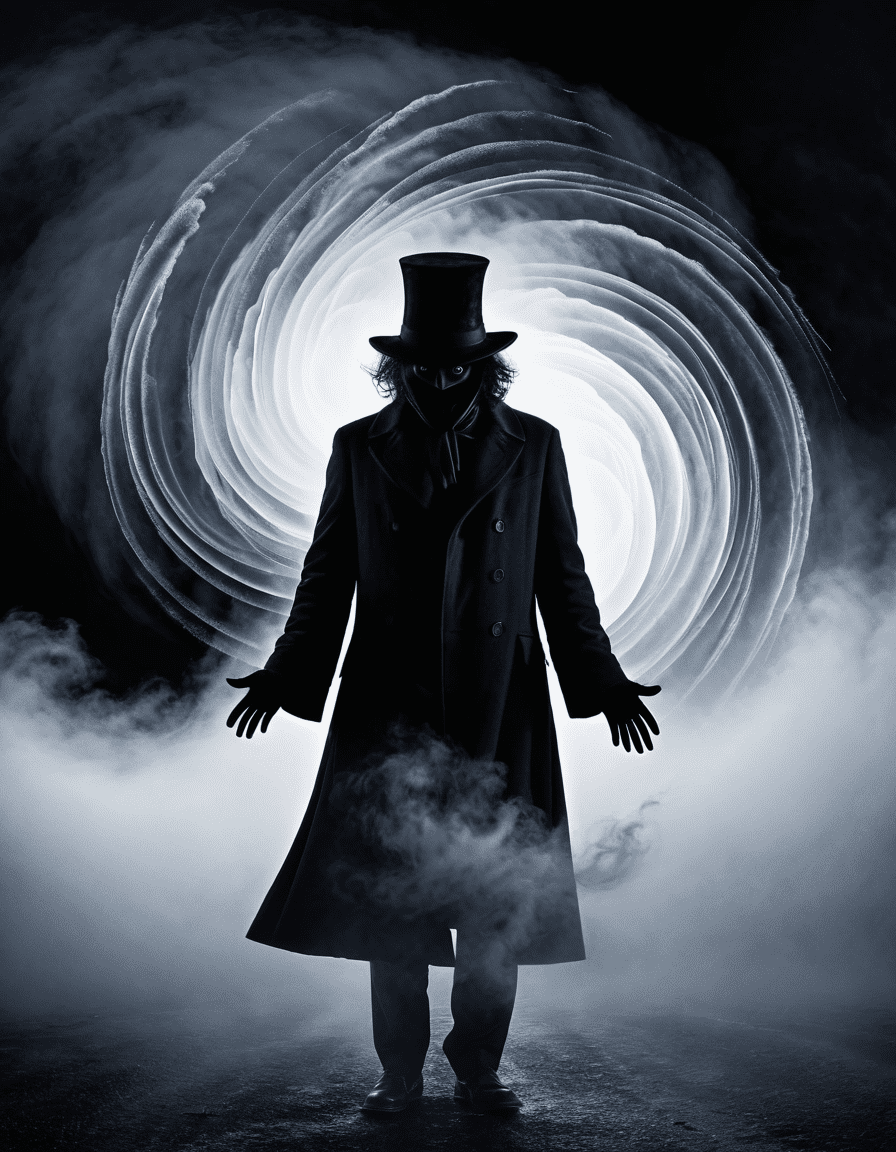
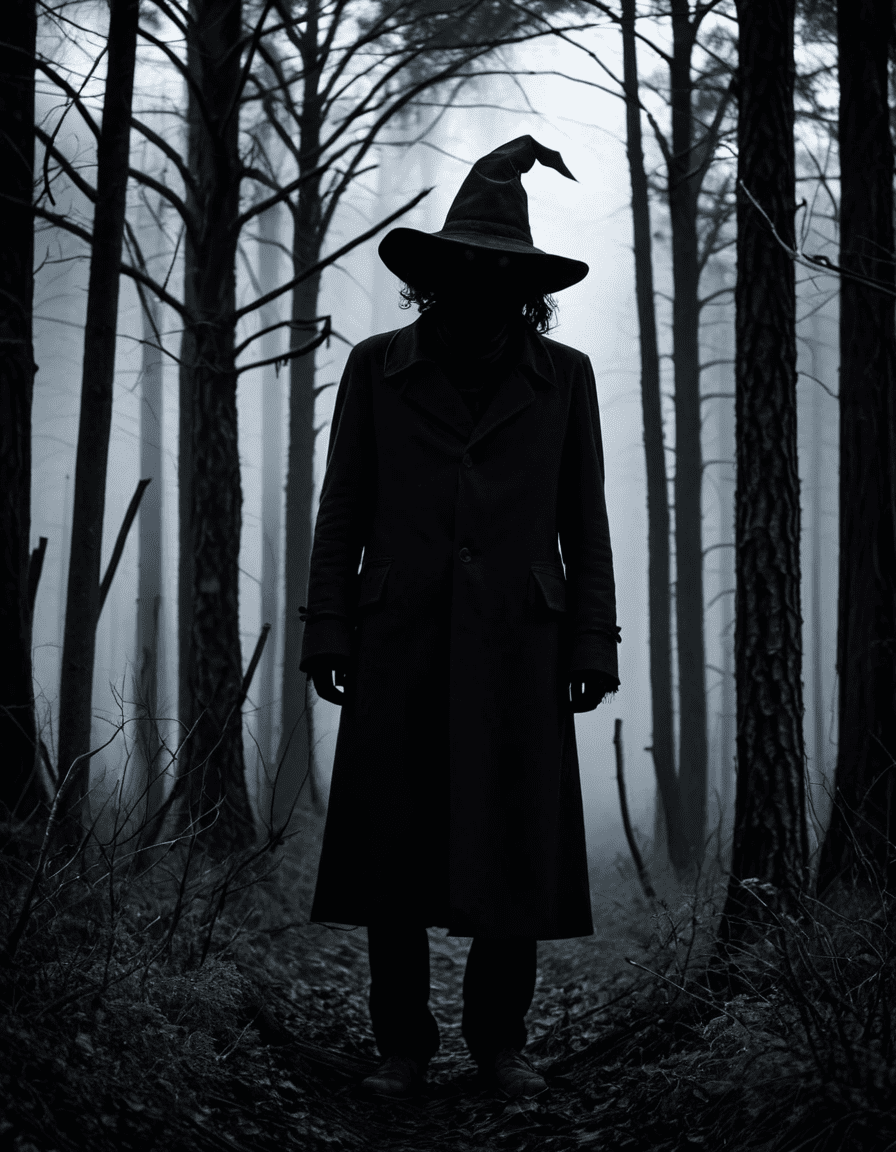
From the moment you lay eyes on the chilling, shadowy figure of the Babadook, you’re sucked into a world where grief and fear collide. Directed by Jennifer Kent, this 2014 indie horror masterpiece explores the raw, haunting depths of sorrow through a lens that’s as oddly beautiful as it is terrifying. Picture a dark, twisted fairy tale wrapped in the fabric of unsettling reality; the Babadook is not just a monster lurking under your bed, but a profound symbol of lasting pain that’s been locked away.
As we embark on this disquieting journey, let’s unravel the intricate themes that make the Babadook such a vital piece of contemporary cinema. Buckle up; it’s a ride that’s going to take you through grief, motherhood, and paranormal terror, all while weaving itself into the very fabric of pop culture and modern storytelling.
Exploring the Elements of The Babadook: Five Key Themes of Grief and Fear
1. The Babadook: Manifestation of Loss
Oh, the Babadook! If you think it’s just a scary story about a creepy pop-up book come to life, think again. At its core, the Babadook embodies unresolved grief, reflecting how Amelia, the protagonist, grapples with the intense emotions following her husband’s tragic death. Instead of neatly categorizing grief as something you can easily fix, the film illustrates how it often manifests in unexpected and tumultuous ways. Throughout the movie, we watch Amelia confront the emotional beast lurking within herself, a reminder that the monsters we fight are often a reflection of our own struggles.
This haunting representation prompts us to recognize the multifaceted forms that grief can take, isn’t it fascinating? Just like how characters evolve over time, grief itself transforms, sometimes leading to unexpected places, both terrifying and enlightening.
2. Motherhood and Isolation
Mommy-dearest moments in horror are rarely sweet, and the Babadook doesn’t hold back in illustrating the heavy weight of motherhood, particularly when tinged with isolation. Amelia finds herself increasingly trapped in her sorrow, struggling to connect with her son Samuel, whose own tribulations fuel the tension. This internal battle illustrates the paradox of nurturing: how can one care for another while fighting one’s own demons?
The film delves deep into the emotional turmoil that often accompanies single motherhood, especially when mental health is affected. It’s almost like watching a dark, twisted ballet where parental love clashes with despair, amplifying feelings of helplessness and driving the narrative. How relatable is that for many parents out there, caught in a similar whirlwind of emotions?
3. Surreal Horror: The Role of the Supernatural
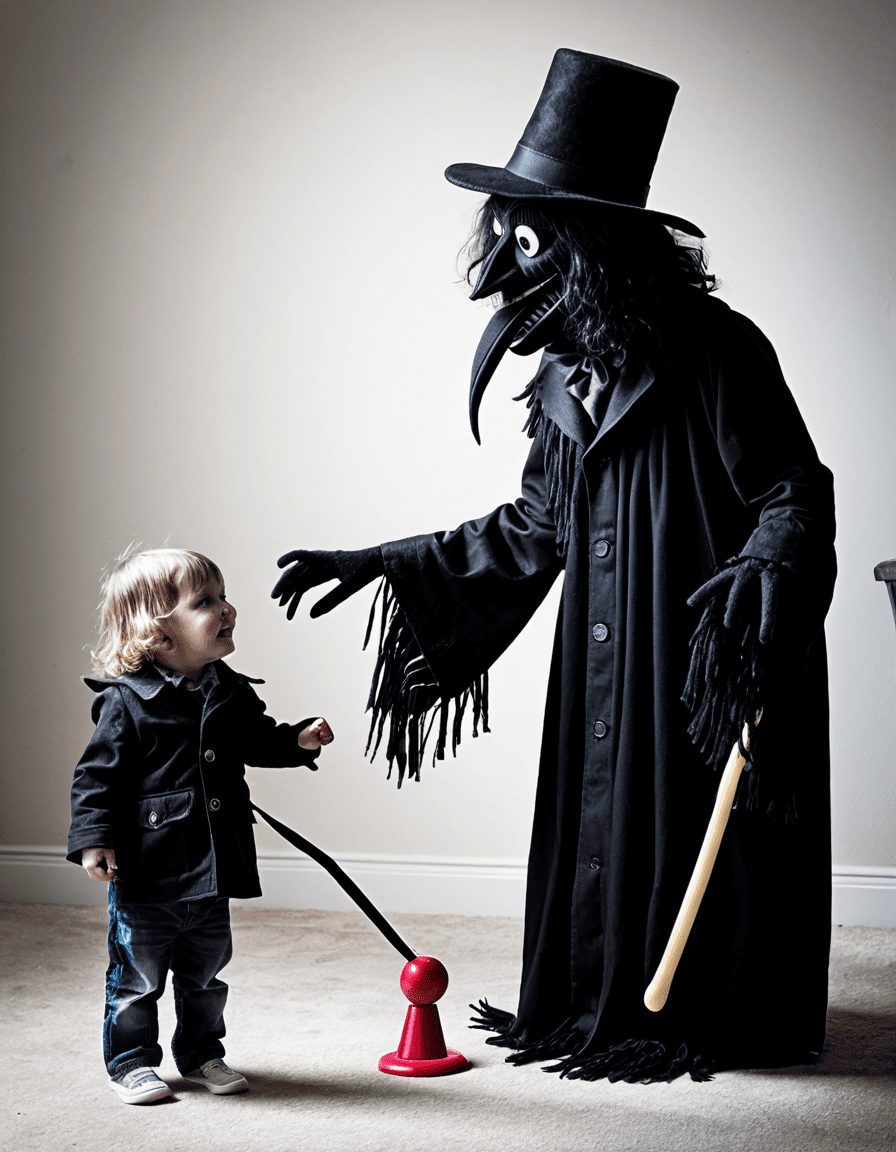
Unlike many other horror flicks, the Babadook employs a surreal style, relying on psychological tension rather than jump scares to truly get under your skin. The titular creature—a mix of shadow and dread—serves as an innovative allegory for Amelia’s mental unraveling. Just as in Kiki’s Delivery Service, where the supernatural becomes intertwined with everyday life, the Babadook creatively merges horror with the mundane, making the surreal feel all too real—and threatening.
This unique approach to the supernatural leaves viewers questioning the boundary between reality and illusion. The haunted book becomes a powerful tool, illustrating how the fear of confronting one’s inner chaos can often feel more perilous than any tangible threat.
4. The Babadook and the Media Landscape: Cultural Significance
Released with modest fanfare, the Babadook quickly entered the cultural zeitgeist, inspiring countless memes and interpretations. The character has taken on a life of its own, finding a place in everything from fashion statements to humorous references in the ever-popular “Skibidi Toilet” series. It’s fascinating to see how horror influences culture across mediums, inviting people to engage with themes of grief and terror in surprising, relatable ways.
The horror genre isn’t simply about scaring viewers; it opens up conversations surrounding deeper societal issues. The character’s emergence in media underscores the relevance of grief, making the Babadook a framework for dialogue.
5. Comparative Analysis with Other Films: From The Big Lebowski to Skibidi Toilet Movies
When you stack the Babadook against films like The Big Lebowski, it’s evident how different genres tackle the complexities of human experience. While “The Big Lebowski” delivers an absurdist comedic approach to existential dread, the Babadook dives into relentless psychological terror. This contrast showcases how humor and horror can both coexist while addressing themes of grief and isolation.
Emerging trends in film show an alluring mix of genres, where humor intertwines with darkness—as we see in the Skibidi Toilet parodies. These films reflect an audience’s growing desire for narratives that balance levity and weightiness, effortlessly merging horror with hilarity while maintaining serious undertones about the human condition.
The Creative Mind Behind The Babadook: Jennifer Kent and the Impact of Grief
Jennifer Kent’s personal journey deeply informs her artistic lens. Drawing from her experiences with loss and parenting, she crafts a story that’s not just horrifying but also brutally honest about the realities of grief. It’s her ability to channel these experiences into a horrifying narrative that brings authenticity to the characters, particularly Amelia’s pain.
Kent’s storytelling resonates similarly to the work of actresses like Danai Gurira, who powerfully embodies themes of grief and resilience in her performances. Just as Gurira’s roles explore the intricacies of personal struggle, Kent’s work reflects how trauma can become a powerful driver for creativity and expression.
The Babadook in Popular Culture: Lasting Influence and Adaptations
The impact of the Babadook transcends its initial release, permeating various artistic forms, including literature and theater. Recent adaptations have sprung forth, dissecting the emotional landscape in fresh narratives. It’s captivating to witness how the original story’s haunting theme endures and evolves through retellings, keeping the spirit of Amelia’s battle alive.
Not just limited to serious interpretations, the horror’s cultural significance extends into parodies like the Skibidi Toilet series. These adaptations blend sinister humor with familiar themes, showing how the essence of horror can transform into something more relatable and entertaining while still addressing deep-rooted fears.
Navigating Grief Through Horror: A Unique Lens
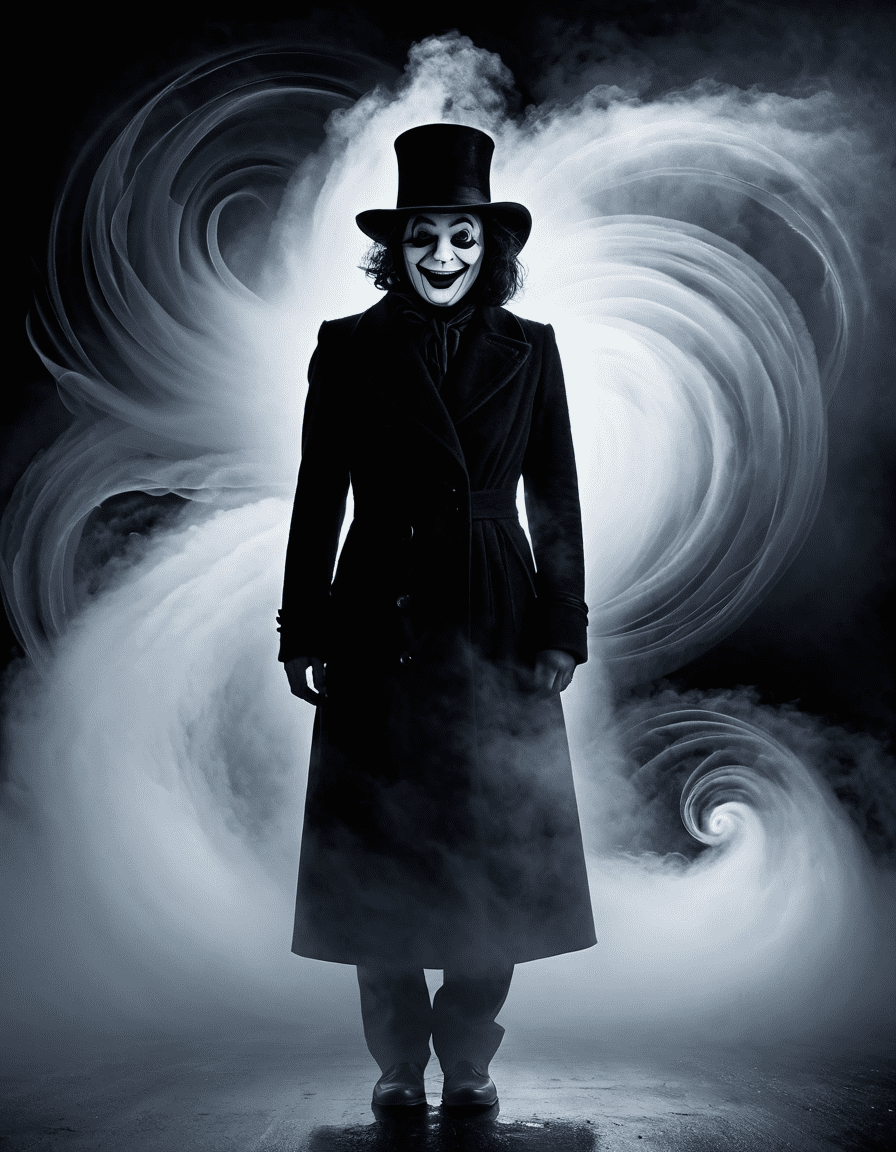
While confronting loss often feels overwhelming, the Babadook invites viewers to engage with grief in a new way. This narrative transcends the typical fear of monsters, exploring how terror and sorrow can coexist and ultimately lead to personal growth and healing. Engaging with such emotional undercurrents allows audiences to reflect on their own experiences, fostering a sense of connection and resilience.
Ultimately, the Babadook challenges the notion of horror, proving it’s a vessel for emphasizing visceral human experiences. The themes of grief and terror intertwine, leaving a haunting imprint that endures long after the credits roll. This film isn’t just about monsters lurking in the shadows; it’s about grappling with the darker corners of our own hearts and emerging stronger for it.
As we explore the world through a shadowy, twisted lens, let’s remember the underlying message: when faced head-on, terror doesn’t just frighten—it can inspire growth, understanding, and healing. So, whether you view the Babadook as a terrifying figure or a profound allegory of our innermost struggles, one thing’s for sure—the journey it takes you on is worth revisiting, time and time again.
The Babadook: Gripping Tale of Grief and Terror
Unearthing the Roots of The Babadook
Did you know that The Babadook, directed by Jennifer Kent, was initially inspired by her own personal experiences with grief? The film encapsulates the profound struggle of overcoming loss and transforming it into something sinister. Just like how the Fast And Furious 3 cast brought their own complexities to the screen, Kent utilized her background to craft a chilling narrative that resonates with many. The movie doesn’t just scare; it digs deep into the psyche, revealing how haunting memories can shape our fears.
What’s even more fascinating is how The Babadook has captured the imagination of audiences and critics alike, establishing itself as a contemporary horror staple. It echoes themes universally felt, similar to how music icons like Pete Wentz address life’s trials through their lyrics. The film’s eerie antagonist cleverly manifests the protagonist’s pain, akin to how sometimes we all feel overwhelmed and unable to conquer our inner demons.
Behind the Scenes
In terms of nuggets of trivia, the film’s monster isn’t just any boogeyman. The character of the Babadook is a metaphor for depression and grief, showcasing how fear can evolve when left unaddressed. You might find it surprising that the iconic monster was created by click on detroit using a refined approach that allows audiences to see a representation of their own fears. These creative choices are reminiscent of the thoughtful detail seen in projects like Paul Atreides’ adaptations, where every element is vital to the narrative’s heart.
Additionally, the subtlety in the film’s design and sound contributes significantly to its unsettling atmosphere, reminding viewers of other cinematic experiences, such as those starring Bow Wow. The haunting lullaby that plays in the movie leaves a lasting impression, similar to how the Kentucky Derby 2024 will mark a significant moment in sports this year, conjuring anticipation and excitement.
The Legacy of The Babadook
As The Babadook continues to echo through cinematic history, it’s worth noting its impact on future horror films. The film’s exploration of trauma has paved the way for other projects to boldly tackle similar themes. Just as Peter Mark Kendall engages audiences with his range in movies and TV shows, this film has opened the floodgates for a new wave of horror that intertwines emotional depth with palpable terror.
As we all prepare for upcoming releases and celebrations, keep in mind that much like the Mueller settlement Amazon, revelations can yield powerful discussions. Sometimes, like a “rat terrier’s life expectancy,” these intense stories remind us that confronting our fears and embracing our grief ultimately leads to healing. So, whether you’re a hardened horror fan or just curious about cinema’s darker facets, The Babadook serves as a compelling mirror reflecting our shared human experiences.