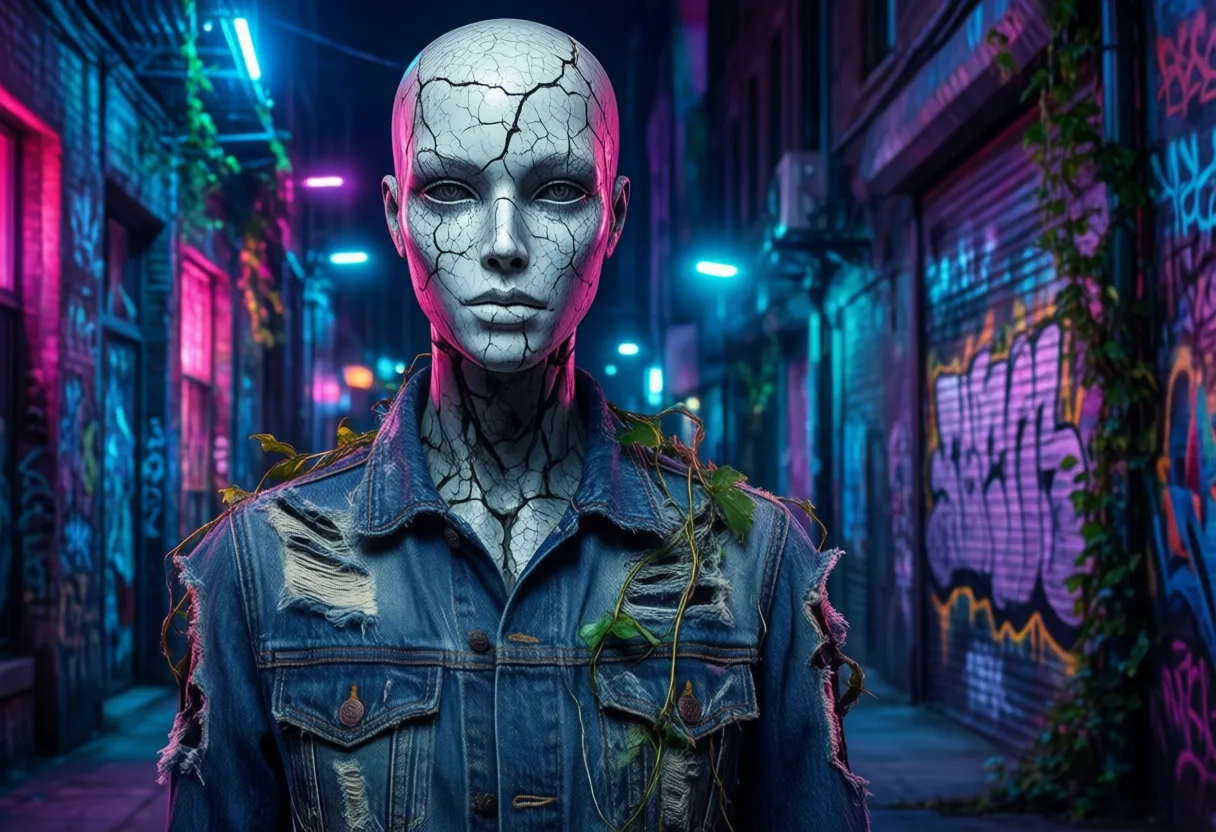
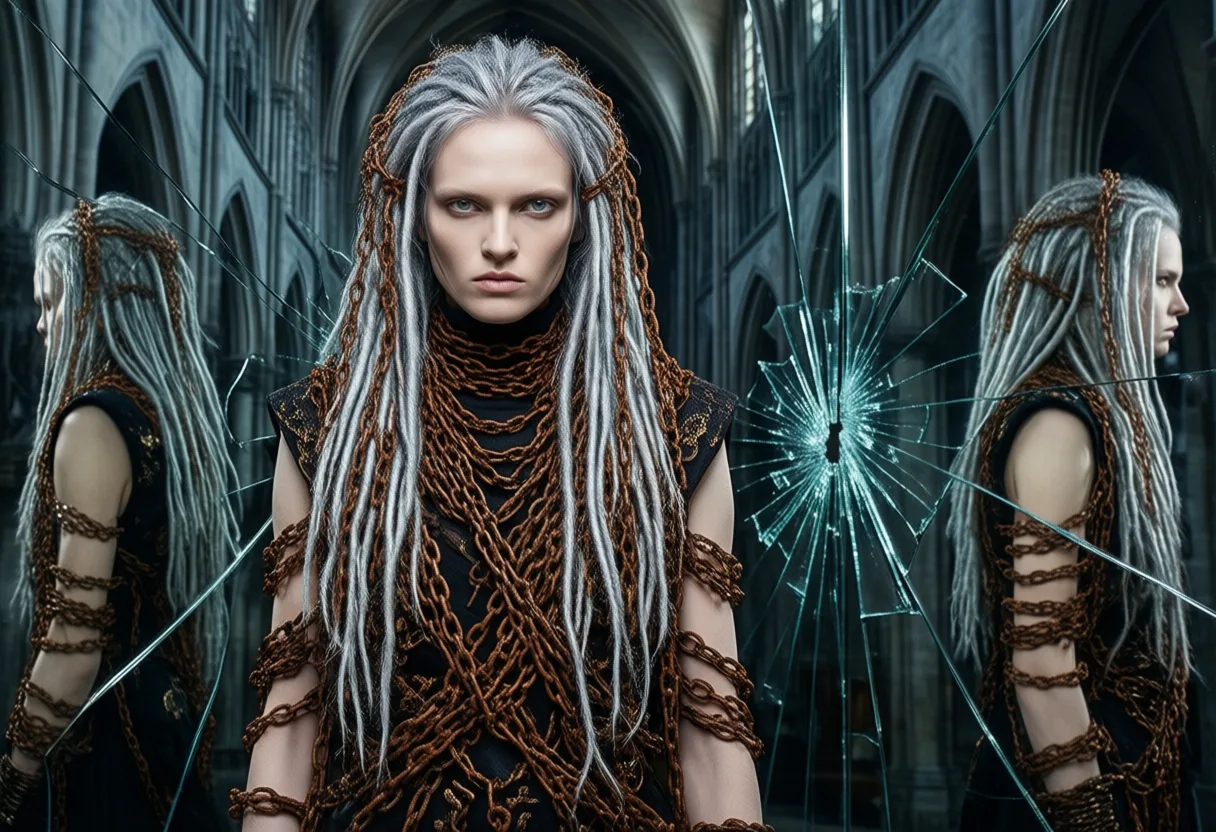
Beneath the surface of mainstream runways, where symmetry bows to chaos and silk surrenders to safety pins, a pulse beats in jagged rhythm-raw, unfiltered, alive. This is not Fashion As decoration, but fashion as declaration: a language stitched in leather, written in ink, spoken through the silence between stitches. It is the whisper of rebellion, the scream of selfhood, the quiet defiance of those who wear their truths like armor.
The Roots of Rebellion: Where Alternative Fashion Began
Alternative fashion Did not emerge from boardrooms or glossy catalogs. It sprouted in dimly lit basements, in the backrooms of punk clubs, on the cracked pavement where conformity cracked and splintered. It was born from a refusal-to be silent, to be smooth, to be palatable. The movement grew not as a trend, but as a response, a visceral reaction to the polished sterility of mass-produced style.
In the 1970s and 1980s, youth culture began to fracture. What had once been a monolith of tailored suits and pastel dresses shattered into shards of leather, tartan, and ripped fishnets. Clothing became a canvas for dissent, a way to wear one’s politics, pain, and poetry on the sleeve-sometimes literally. Safety pins held together not just fabric, but ideologies, stitching together a new kind of beauty: one that embraced imperfection, decay, and transformation.
These early expressions were not curated for consumption. They were urgent, handmade, defiant. A band tee wasn’t a souvenir-it was a banner. A dyed mohawk wasn’t a haircut-it was a war cry. The meaning behind the look was never superficial; it was survival. To dress differently was to say, I am here, and I will not be erased.
Beyond Aesthetic: The Cultural Weight of Subversion
Alternative fashion Has always been more than a style-it is a Living archive of resistance. Each subculture-goth, cyberpunk, riot grrrl, dark academia-carries its own lexicon of symbols, textures, and silhouettes. Black velvet speaks of mourning and mystery; chrome reflects a future both feared and desired; lace, once delicate, becomes a weapon when layered over combat boots.
These styles do not exist in a vacuum. They mirror the anxieties, dreams, and fractures of their time. The rise of industrial textures-rubber, metal, synthetic fibers-echoed the mechanization of society, while the return to Victorian silhouettes in modern dark romanticism suggests a longing for depth in an age of digital ephemerality. Every stitch holds a story, every asymmetry a question.
What makes alternative fashion culturally significant is its refusal to be absorbed without a fight. While mainstream fashion often commodifies rebellion-turning mohawks into marketing-the underground continues to evolve, mutate, and resist. It thrives in the margins, where Creativity Isn’t polished into profit, but allowed to bleed, burn, and bloom in its rawest form.
- It challenges gender norms through androgynous cuts and fluid silhouettes
- It reclaims taboo symbols-skulls, religious iconography, occult motifs-not as shock tactics, but as personal talismans
- It transforms the body into a site of narrative, where piercings, tattoos, and prosthetics become part of a larger mythos

The Body as Canvas: Identity, Expression, and Transformation
To wear alternative fashion is to Inhabit the body differently-not as a vessel of expectation, but as a sculpture of self. It is the act of carving identity out of fabric, dye, and defiance. A corset is not merely a garment; it is a reclamation of power, a reshaping of form on one’s own terms. A face painted in white with hollowed eyes is not disguise-it is revelation.
This transformation is deeply personal, yet inherently communal. In the shared spaces of underground scenes, the body becomes a bridge between inner world and outer expression. A shaved head, a septum ring, a cloak stitched from vintage curtains-each choice is a declaration of autonomy. These are not trends borrowed from influencers, but Rites of passage, earned through introspection and courage.
The textures tell their own stories: the cool glide of latex against skin, the rough kiss of distressed denim, the whisper of tulle that brushes the ankle like a forgotten memory. These sensations ground the wearer in their truth, making the intangible tangible. Fashion, in this light, is not adornment-it is alchemy.
And yet, this power is fragile. When the mainstream co-opts these symbols-when a goth aesthetic becomes a filter on a social media app-the depth risks dilution. But the core remains. Because alternative fashion was never about being seen-it was about being Felt. It is the shiver down the spine when you pass someone on the street whose look dares you to look deeper.
The Future in the Fringes: Where Alternative Fashion Is Going
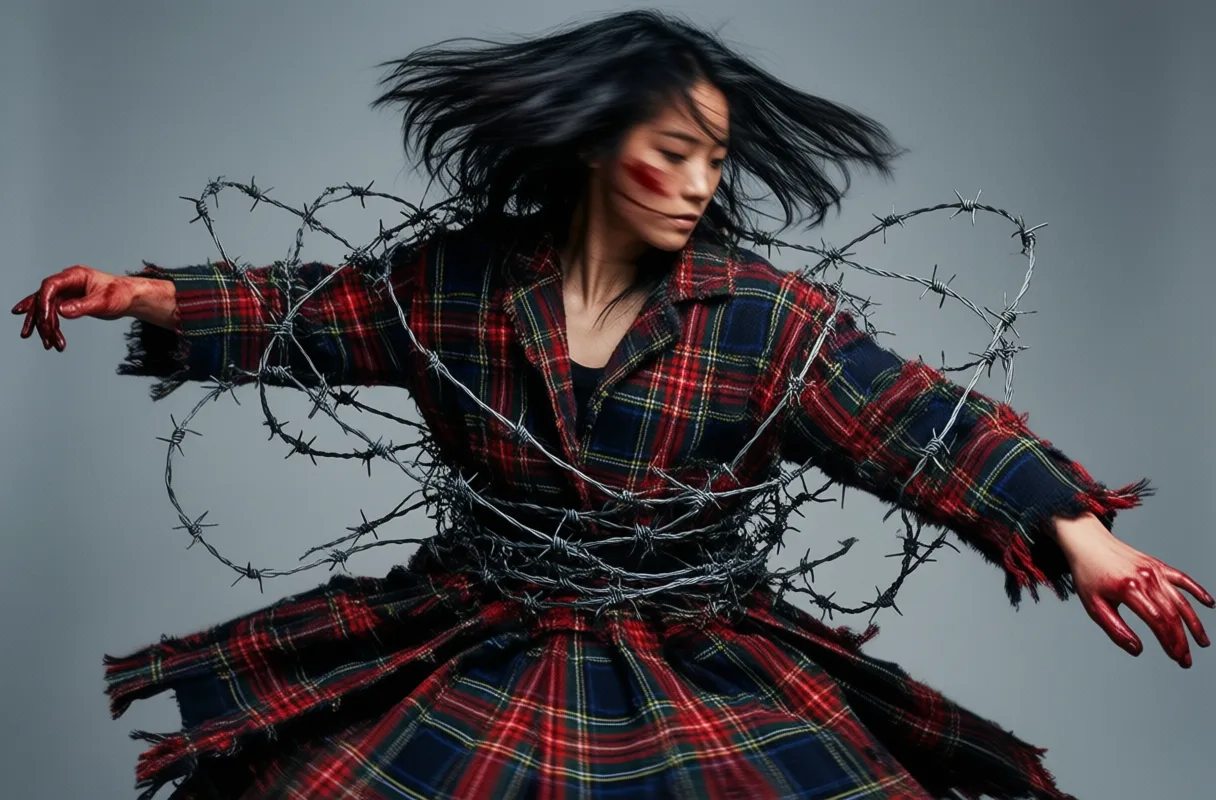
The future of alternative fashion does not lie on the catwalks of Paris or Milan. It pulses in underground zine fairs, in queer collectives, in DIY ateliers where fabric is dyed with coffee and protest. It lives in the hands of those who sew their own myths, who refuse to let style be sanitized or sold back to them.
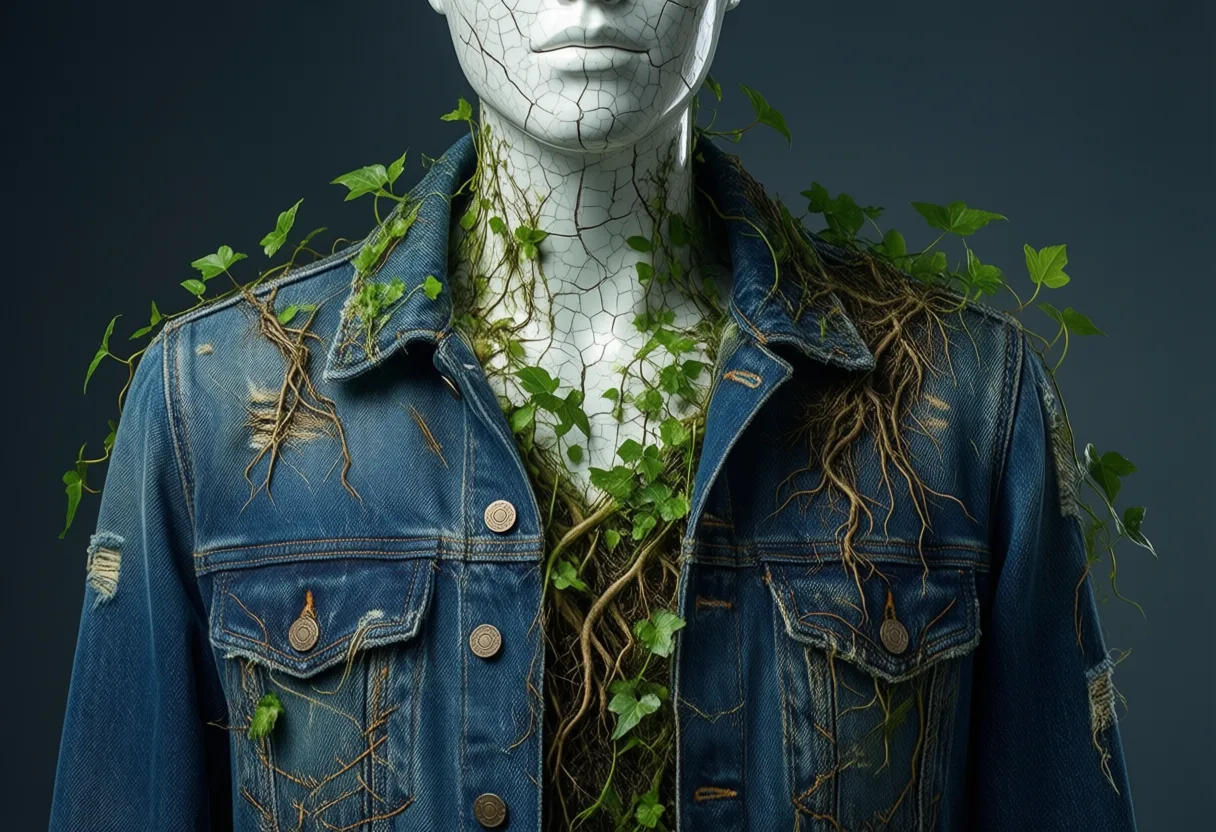
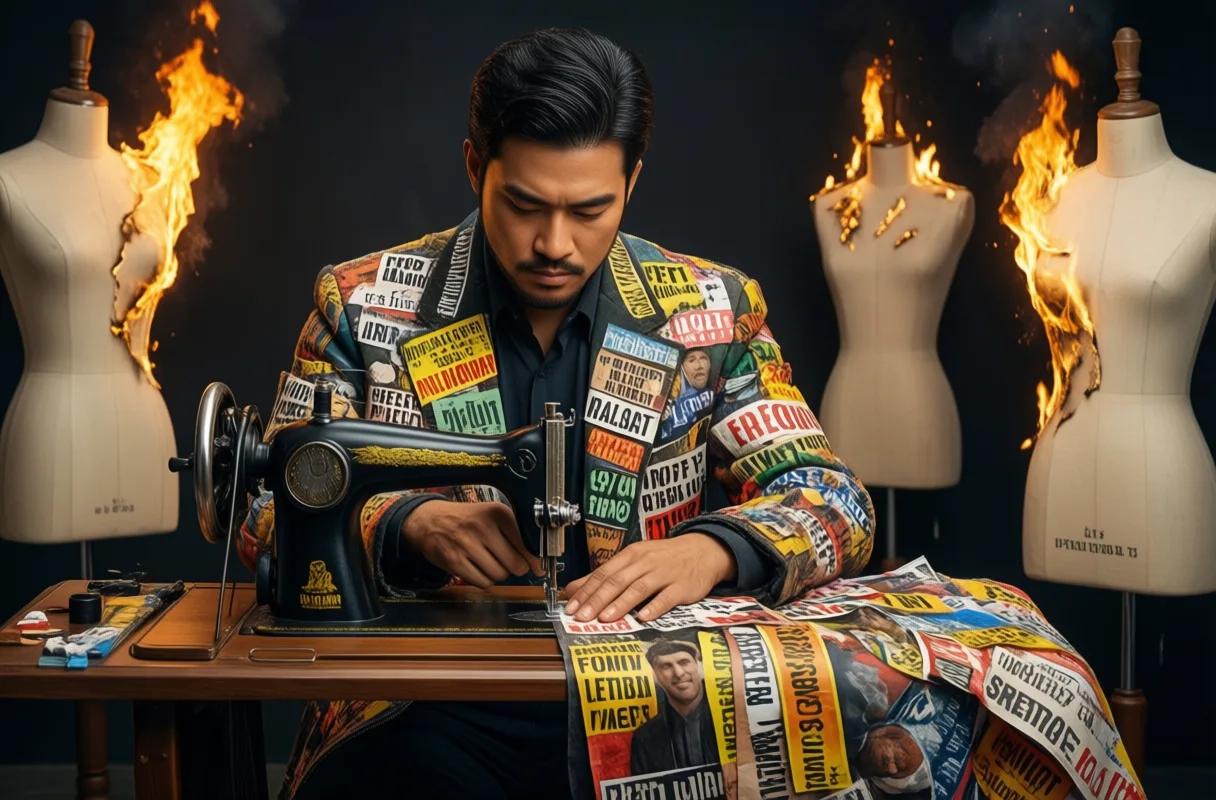
Sustainability, long inherent in the alternative ethos, is becoming more visible. Upcycling, mending, repurposing-these are not just eco-practices, but acts of resistance against fast fashion’s disposability. A jacket patched with memories, a skirt made from old concert posters, a necklace forged from broken electronics-these are heirlooms of a different kind.
Technology, too, is being reshaped by the alternative gaze. 3D printing allows for prosthetics that are art, not apology. LED-embedded garments pulse like living circuits. But unlike mainstream techwear, the alternative use of innovation is not about efficiency-it’s about Transcendence, about turning the body into something other, something more.
The meaning behind these choices remains rooted in authenticity. Not perfection. Not polish. But presence. In a world that demands conformity, alternative fashion insists on the beauty of the broken, the bold, the beautifully strange. It is not a phase. It is a promise-to stay unquiet, unquieted, and utterly, unapologetically oneself.
More Than Just Black Clothes: The Spirit of Alternative Fashion
Roots in Rebellion and Identity
Alternative fashion isn’t a single style, but a collective expression born from pushing back against the mainstream. It emerged from subcultures using clothing as a form of identity and resistance, long before it ever hit the runway. Think of the sharp silhouettes and political statements of punk in the 1970s, or the dark romanticism of goth fashion drawing from Victorian and Edwardian eras-these weren't just trends, they were visual manifestos.
What makes alternative fashion truly dynamic is how it thrives on mixing influences. You’ll often see elements borrowed and reimagined-military jackets paired with lace, religious iconography reinterpreted through a secular lens, or traditional workwear transformed into high-concept statements. This constant remixing keeps the aesthetic fresh and deeply personal, allowing wearers to build wardrobes that reflect complex inner worlds rather than seasonal dictates.
Symbols, Scents, and Subversion
Accessories and details often carry hidden meanings within alternative circles. For instance, specific jewelry placements or colors can signal affiliation with certain subgenres, while band patches aren’t just decoration-they’re badges of musical allegiance and cultural belonging. Even scent plays a role; niche perfume houses catering to alternative tastes often craft fragrances inspired by incense, damp earth, or aged paper, reinforcing a mood that transcends the visual.
Footwear, too, tells a story. From the practical rebellion of combat boots to the theatrical lift of platform shoes, the choice of shoes often anchors an entire look in a particular subcultural lineage. These choices aren’t arbitrary-they’re part of a visual language developed over decades, allowing individuals to communicate values like nonconformity, creativity, or emotional intensity without saying a word. Explore more stories, videos, and creators on Loaded.
Frequently Asked Questions
What is alternative fashion?
Alternative fashion is a form of self-expression and resistance that emerged from subcultures rejecting mainstream style. It uses clothing, accessories, and aesthetics to declare identity, politics, and personal truth.
Where did alternative fashion begin?
It began in the 1970s and 1980s in punk clubs, basements, and on city streets as a reaction against mass-produced, polished fashion. It was handmade, urgent, and rooted in defiance.
How does alternative fashion express cultural resistance?
It challenges norms through androgynous cuts, reclaimed symbols like skulls or religious iconography, and DIY practices. Each style carries meaning, reflecting personal and collective struggles.
What role does the body play in alternative fashion?
The body becomes a canvas for transformation, where piercings, tattoos, makeup, and garments like corsets or latex express identity. It's not about disguise but revelation and autonomy.
This article was produced with AI assistance. How Twisted Magazine uses AI.
Mira explores the artistry behind tattoos and avant-garde beauty, spotlighting innovators who blur identity and expression. She approaches each piece as cultural narrative, weaving personal journeys with global trends in bold, intimate profiles.