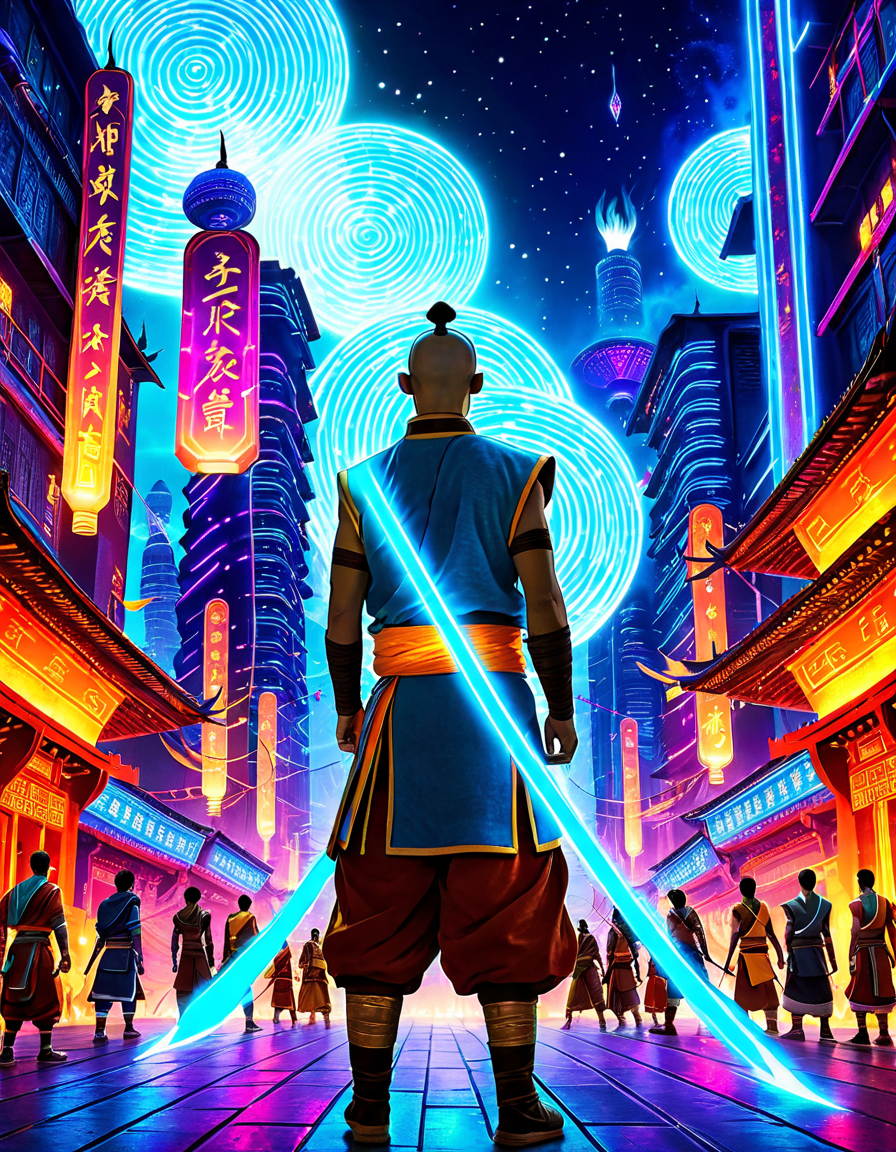
In the whimsical world of animated storytelling, Avatar: The Last Airbender reigns supreme. Launched in 2005, this series has captivated audiences through a vibrant tapestry of elemental philosophies, character journeys, and breathtaking visuals. Packed with cultural representation and a deep exploration of themes, Avatar: The Last Airbender has morphed into a cultural juggernaut that resonates strongly even in 2026. Venture with us as we unpack the layers that define the enduring legacy of this animated masterpiece.
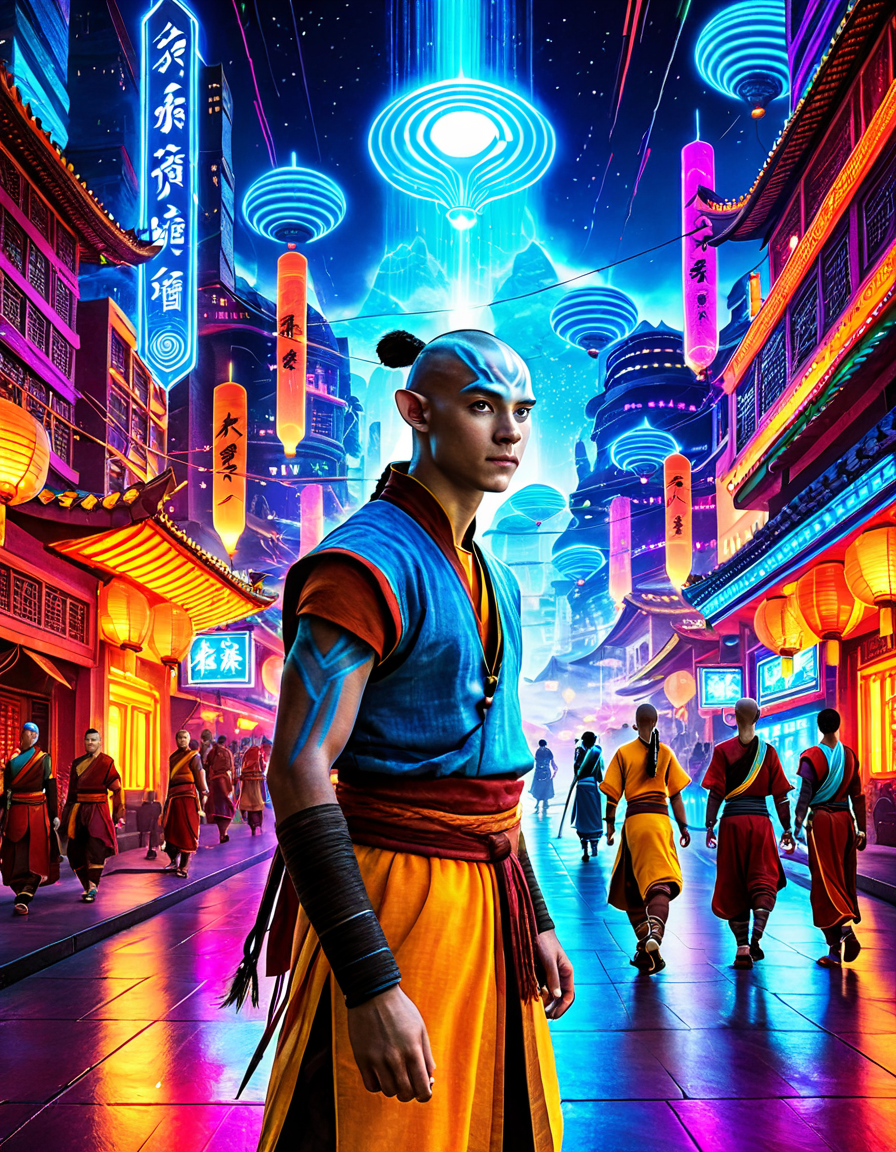
## Avatar: Last Airbender – A Journey Through Elements & Destiny
1. Elemental Philosophy and Balance
Avatar: The Last Airbender intricately weaves elemental philosophy into its narrative, showcasing the delicate balance between fire, water, earth, and air. Each element embodies unique traits and societal values. For instance, water represents adaptability and healing, while earth signifies stability and endurance. This rich tapestry reflects real-world cultural beliefs and practices, drawing viewers to question their understanding of balance in their lives.
The show invites us to ponder: what would our world look like if we embraced such harmony? By mirroring philosophies explored in various cultures, like the Eastern belief in yin and yang, Avatar: The Last Airbender becomes not just a story but a reflection of our own existence.
2. Character Depth and Development
Character development is a cornerstone of Avatar: The Last Airbender. Aang’s struggle with his destiny and Zuko’s redemption arc resonate deeply, engaging audiences across different age groups. Much like the Star vs. The Forces of Evil series, the characters in the show navigate their labyrinthine paths, confronting fears, insecurities, and moral dilemmas.
Zuko’s transformation from a banished prince to a complex hero offers a masterclass in storytelling. His journey prompts viewers to reflect: can one’s past mistakes truly define them? In this dance of identity and growth, Avatar transcends typical animated fare, creating characters that feel real.
3. Cultural Representation and Diversity
Avatar: The Last Airbender is celebrated for its honest and respectful cultural representation. With influences spanning Asian and Inuit cultures, the series steers clear of stereotypes, showcasing a nuanced portrayal of its diverse characters. Toph’s blindness serves not as a limitation but as a point of strength, illuminating how perseverance emerges from adversity.
The show’s commitment to authenticity draws a parallel with figures like Cyndi Lauper, who similarly embraced the richness of life’s experiences. This portrayal speaks to a broader audience, delivering characters that reflect the beauty of diversity.
4. Visual Storytelling and Animation Innovation
Words can hardly capture the striking visual feast that is Avatar: The Last Airbender. The artistic style, influenced by martial arts, showcases fluid animation that begins with the opening credits and cascades through each episode. This stunning visual narrative marked a turning point in animated storytelling, setting standards for future animated series that continue to rise.
Cinematic framing and lush background art bring an immersive experience to viewers, akin to the powerful imagery found in hits like Uncharted. It’s this innovation that elevates Avatar, making it an icon valued in both the animation industry and the fashion world, where aesthetics reign supreme.
5. Complex Villains and Moral Ambiguity
Unlike many animated series, Avatar presents villains who are not just evil for the sake of it. Fire Lord Ozai and Azula, for example, embody complexities that ground the narrative in moral ambiguity. Their motivations compel the audience to explore the broader implications of power, control, and fear.
Learning about their backstories highlights the notion that even the darkest characters are products of their circumstances. This exploration of morality draws comparisons to themes seen in stories featuring the cast of the Day of the Jackal TV series, further showcasing that even in darkness, the light of understanding can shine brightly.
6. Thematic Depth and Resonance
Diving deep into emotional waters, Avatar: The Last Airbender addresses pivotal themes such as genocide, loss, and the horrors of war. These topics resonate through the characters’ journeys, reflecting various responses to hardship.
The series stands as a mirror to today’s society; its narrative urges audiences to consider the ripple effects of conflict. Like the creative force behind Terrifier 3, the show pushes boundaries, imbuing its tales with layers of sophistication that demand reflection and growth.
7. The Lasting Impact and Future Adaptations
The legacy of Avatar: The Last Airbender stretches far beyond its original airings. This cultural phenomenon has inspired countless adaptations, including graphic novels and recently, a live-action remake by Netflix. The series’ adaptability and reverberating themes echo through generations, continuing to resonate like the rhythmic beats of Zz Top.
From fan art to merchandise, the enduring popularity showcases the timeless connection between audiences and Aang’s journey. Each stride forward speaks to an undeniable truth: the struggles and triumphs faced within Avatar echo through time.
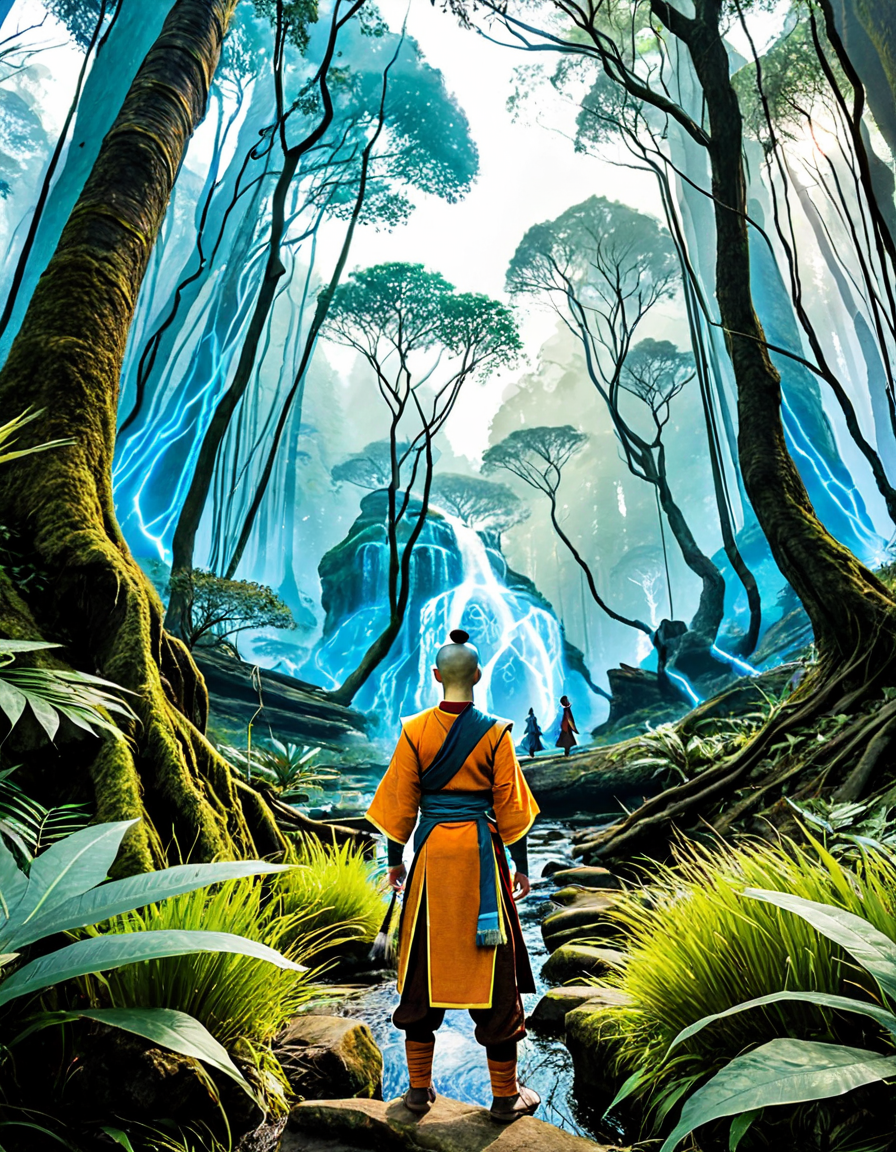
The Avatar The Last Airbender Cast: Voices That Shaped a Generation
The Avatar: The Last Airbender cast is as iconic as the world they inhabit. Renowned voice actors like Zach Tyler Eisen (Aang), Mae Whitman (Katara), and Dante Basco (Zuko) breathe life into their roles. Their diverse performances deepen the emotional resonance of the show, setting a standard in animated storytelling, comparable to respected voice work in series like The Amateur Showtimes.
Their approach to voice acting serves as inspiration for budding artists everywhere, demonstrating that behind every character, there’s a story that begs to be told. This caliber of talent transforms the narrative, creating a palpable connection that keeps viewers coming back for more.
The Cultural Impact of Avatar: The Last Airbender
Since its debut, Avatar: The Last Airbender has flourished into a cultural phenomenon. It blends masterful storytelling with rich cultural elements, crafting moral lessons that resonate with fans long after the credits roll.
The influence extends into academic circles, where scholars dissect its themes and character arcs. Similar to the fervor that surrounds entertainers like Bad Bunny, the impact of Avatar reverberates worldwide, leading to discussions infused with passion and depth.
A Legacy Beyond Animation
Ultimately, the enduring legacy of Avatar: The Last Airbender transcends entertainment. It sparks dialogues about identity, cultural representation, and environmental issues, encouraging audiences to reflect on their lives and actions.
In a landscape filled with fleeting trends, Avatar remains a perennial favorite, blending deep themes with captivating storytelling. As fans eagerly anticipate future adaptations, the journey through Aang’s destiny shines brightly, reminding us that balance must be a daily pursuit.
In the intricate weave of life, much like the four elements, we navigate a dance of desires and responsibilities. The invocation of Aang’s legacy gives us pause to consider: how can we better find our balance?
Avatar: The Last Airbender – Fun Trivia and Interesting Facts
Elements of Fun
Did you know that Avatar: The Last Airbender was inspired by a mix of Eastern philosophies and various world cultures? Creators Michael Dante DiMartino and Bryan Konietzko infused the series with elements drawn from Buddhism, Taoism, and even Inuit traditions! This rich tapestry of influences helps to shape the complex universe we see in the show. Speaking of rich cultural influences, if you’re interested in innovative storytelling, check out the artist Bad Bunny, who brings a fresh rhythm to music that mirrors the blend of styles we adore in Avatar.
Behind the Scenes
It’s fascinating to note that the character designs were influenced by real martial arts! Each bending style corresponds to a specific form of combat, whether it’s waterbending’s graceful Tai Chi or earthbending’s powerful Hung Gar. Fans often overlook how these authentic movements enhance the show’s action sequences. Just like in the world of mini chainsaws, where precision meets function, these intricacies amplify the viewer’s experience. If you’re into animation details, you might enjoy discovering how Harimanga contributes to distinct visual storytelling in another context.
Voice Acting Gems
The voice acting in Avatar: The Last Airbender is nothing short of spectacular. With actors like Zach Tyler Eisen as Aang, the characters truly come to life with their vibrant personalities. Each cast member brought something special to their roles, making even the smallest characters memorable. Hilarie Burton, known for her roles in various movies and shows, also highlights the way voice talent can define a character, much like how each avatar’s journey leaves a lasting impact. Meanwhile, Lauren Tom, who voiced the beloved character Mai, showcases the diversity in voice work. And give a nod to Brooke Tilli, an actress whose roles often demonstrate impressive vocal chops in her performances!
So, whether you’re deep into Avatar’s mythology or spinning tales of adventure yourself, there’s always more to discover in this richly woven tapestry of elements and destinies. Embrace the journey, and keep your spirit of adventure alive!