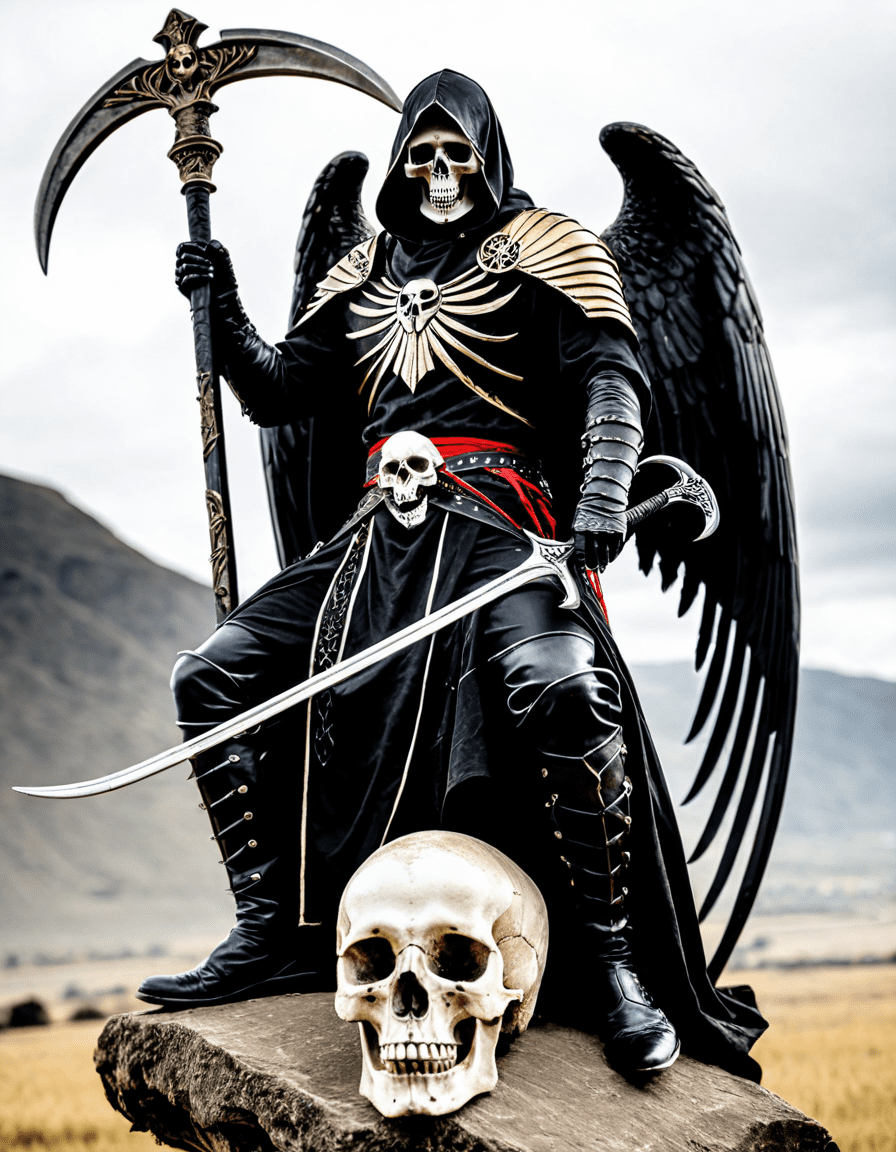
Throughout history, the concept of death has been personified across various cultures and literature, but none are as enigmatic as Azrael. Often overshadowed by figures from popular culture like Cthulhu and Freddy Krueger, Azrael stands as a complex symbol of death’s dual nature: both a guide and a harbinger. In this exploration, we’ll delve into Azrael’s multifaceted persona while drawing parallels to other iconic representations of death and destruction in modern media.
Azrael: The Archangel of Death
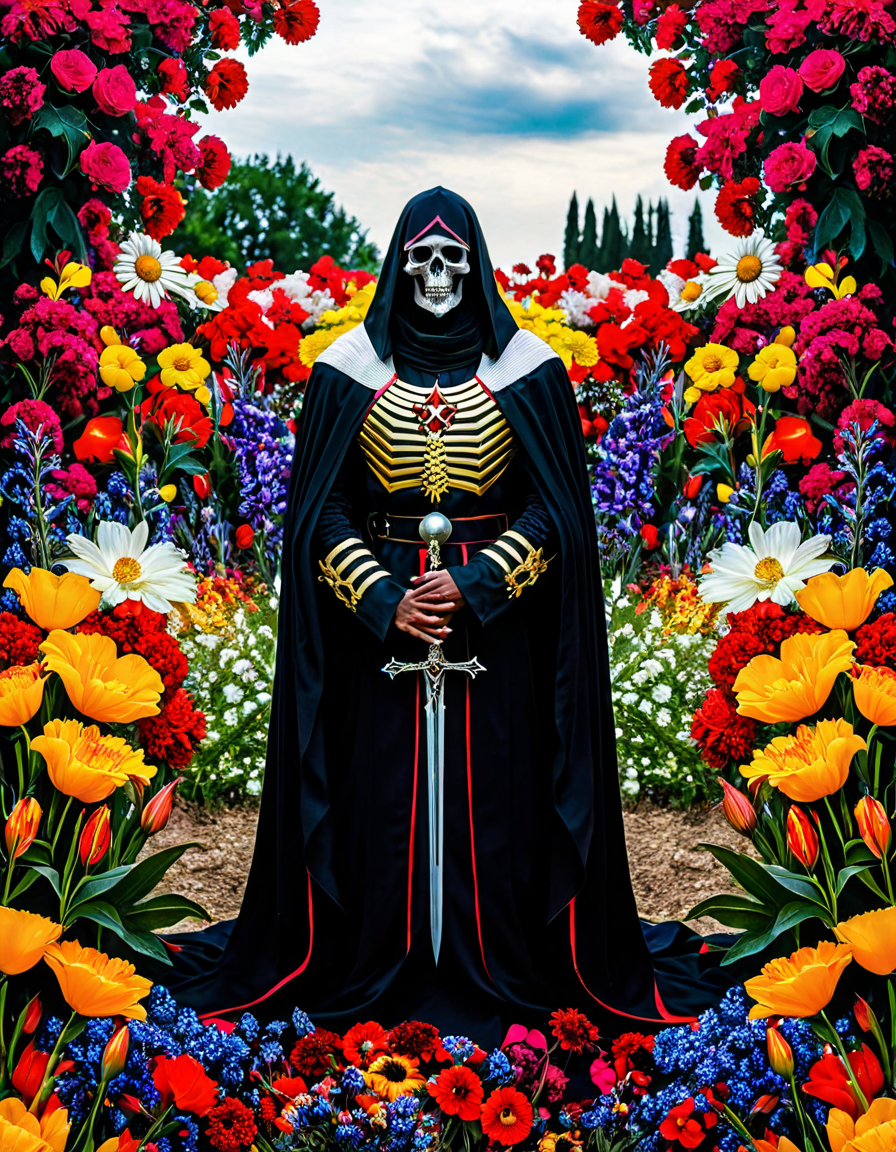
Azrael, often referred to as the Angel of Death in various religious texts, serves the role of a compassionate guide who assists souls in transitioning from the earthly plane to the afterlife. Unlike demonic portrayals of death, Azrael is depicted as a figure of kindness and support. Historical accounts suggest that Azrael’s narrative interlaces with metaphysical questions, presenting him not merely as a taker of lives but as a liberator who eases the burdens of suffering.
In many cultures, Azrael’s presence provides solace amid the heartbreaking reality of mortality. He represents an ending that is not solely tragic but also a worthy passage into a new state of being. This perspective is crucial, especially when we reckon with the raw emotions tied to loss. So, would it be too bold to view Azrael as one who gifts us hope in our darkest moments?
Azrael’s compassionate role invites a deeper understanding of life, nudging society to confront its fears surrounding death with grace rather than terror. It’s a reminder that, in embracing the inevitability of mortality, we might also unlock a parallel discourse about the beauty of life itself.
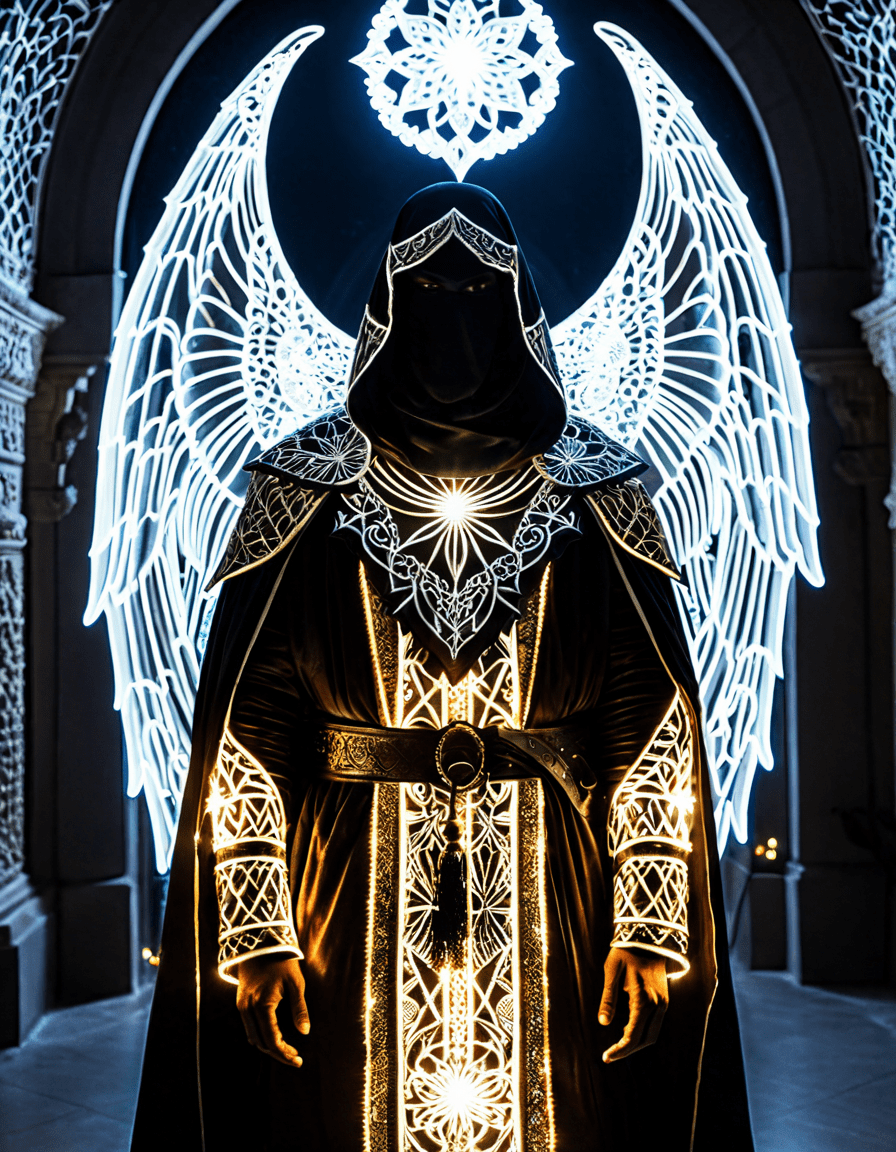
The Influence of Azrael on Popular Culture
As we examine the impact of Azrael in modern storytelling, we must acknowledge the broader cultural reflections of death. Here, we’ll explore five significant characters whose narratives resonate with themes found in Azrael:
Cthulhu: The Cosmic Horror
Cthulhu, conceived by H.P. Lovecraft, embodies an overwhelming sense of chaos and the unknown. He evokes dread over death’s uncertainties and reminds us of our own fragility. In stark contrast to Azrael’s comforting presence, Cthulhu offers a nihilistic perspective, emphasizing how insignificance often accompanies the inevitability of death.
Kraven the Hunter: The Pursuer of Life and Death
Marvel Comics’ Kraven the Hunter reflects a more obsessive pursuit of life. His relentless chase for immortality mirrors a darker facet of what death can symbolize—a quest for meaning in the face of finality. When Kraven dies, he becomes a living phantom of overreach, reminding us of the thin line between ambition and destruction, much like Azrael’s balanced approach to life’s conclusion.
Goliath: The Giant and His Fall
In considering Goliath’s monumental narrative, we see a mythic representation of strength and its frailty, encapsulating the age-old theme of giants falling. Azrael serves as a steady hand that embraces the fallen, transforming the tale into one about humility and acceptance. The juxtaposition of Goliath’s crash and Azrael’s compassion becomes a lesson in recognizing that death does not discriminate; it visits the mighty and the meek alike.
Darth Maul: The Dark Side of Death
Darth Maul, from the Star Wars universe, creates a more menacing visage of death—the brutality of conflict and struggle. Azrael’s approach to death, focused on providing peace, starkly contrasts with Maul’s vengeful spirit. The existence of such figures reminds us that death can come shrouded in chaos, yet it is Azrael who advocates for tranquility amid the storm.
Freddy Krueger: The Nightmare of Death
In horror, Freddy Krueger encapsulates the terror linked to death and the unknown. Yet, Azrael, as the gentle release from fear, demonstrates how different interpretations of death can shape our understanding and acceptance of mortality. The varied representations reveal how society navigates its myriad fears, often casting death as either a comforting embrace or a terrifying specter lurking in the shadows.
The Duality of Death: Azrael’s Symbolic Role
Azrael’s presence is crucial in understanding the duality of death as both a fearful end and a potential beginning. The angelic duty of guiding souls unveils insights into how societies cope with their mortality. As cultures evolve, so do their interpretations; Azrael’s character reflects the collective grappling with our ultimate fate while contrasting the ominous portrayals found in horror films and fantasy.
The narratives surrounding Azrael challenge us to confront our notions of death head-on. They invite us to ponder the fear intertwined with losing loved ones and to reflect on how we can view this transition not as a curtain call but as a door opening to new experiences. Embracing this duality enriches our lives, molding our perspectives into something more life-affirming.
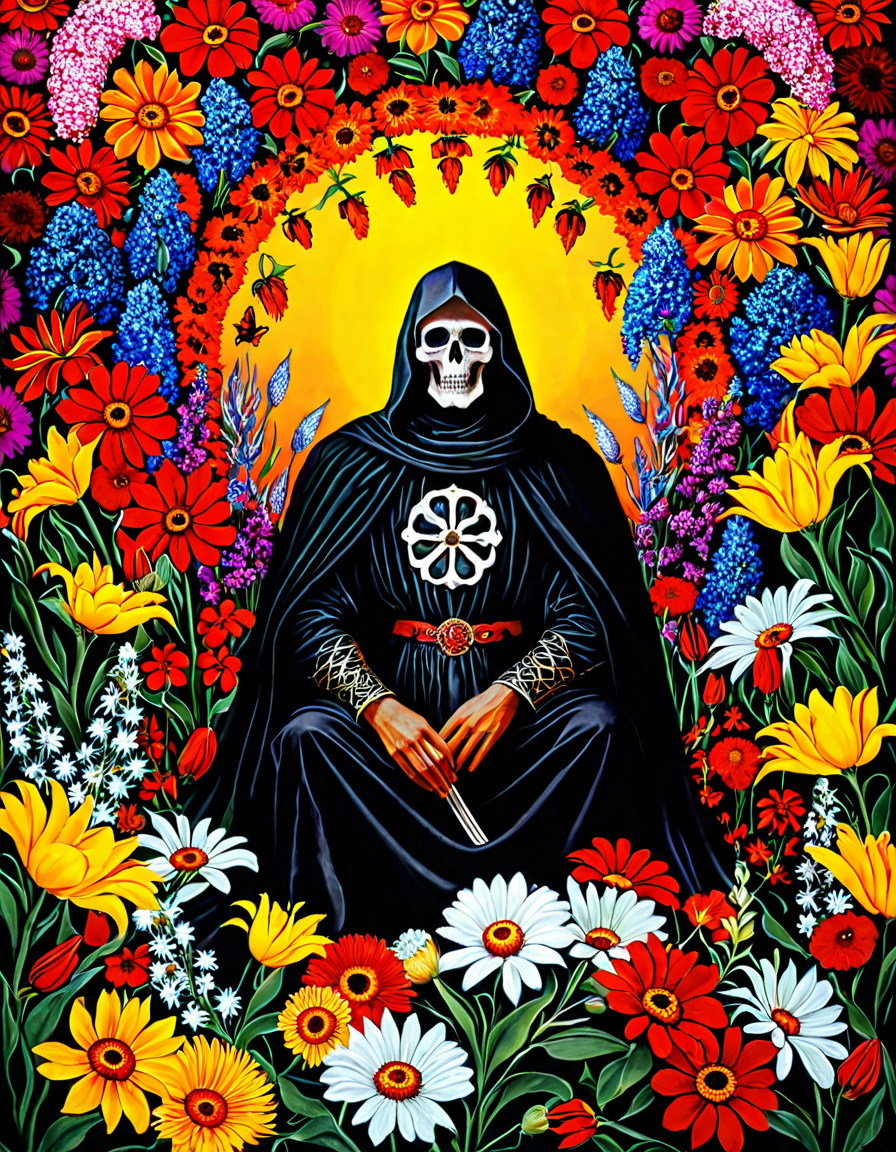
Azrael’s Legacy: Bridging the Gap Between Worlds
Examining Azrael provides a unique opportunity to analyze how modern society perceives death through its myths and historical texts. As humanity seeks to demystify what lies beyond, Azrael stands as a reassuring symbol against the collective anxiety represented by Freudian horrors like Freddy Krueger and Cthulhu.
In a world increasingly engulfed by fear around death, Azrael’s role resonates across narratives, championing the message of gentle passage over the mere void of existence. By innovating ways to understand death, we reshape our conversations and beliefs around life’s inevitable conclusion, essentially challenging the gloom surrounding mortality.
By embracing Azrael’s persona, we not only invite a new perspective but also champion compassion in our view of mortality. In doing so, we forge a pathway toward deeper acceptance, reshaping fears into understanding, and transforming grief into gratitude for life’s impermanence. As we incorporate various interpretations of death—like those encapsulated by Kraven, Goliath, Freddy, and Darth Maul—we establish a richer, more complex narrative of existence, further solidifying Azrael’s place as a pivotal figure in our cultural landscape.
In our quest to understand Azrael, we glean wisdom about life, death, and everything in between—aligning ourselves not just with fear of destruction but with a celebration of life’s cyclical nature. So, let’s embrace Azrael’s revelation, and in doing so, pen a new chapter in our stories where death isn’t the enemy, but merely another page turned in our infinite script.
Azrael: The Mysterious Figure Behind Death’s Role
The Origins of Azrael’s Mythology
Azrael, often referred to as the Angel of Death, carries a complex legacy that spans several cultures and religions. In Jewish folklore, he is depicted as a compassionate figure who guides souls to the afterlife, helping to ease their transition. This portrayal contrasts sharply with other interpretations where Azrael strikes fear into the hearts of mortals—much like the enigmatic figures found in stories like Zorro or the intense plots seen in Avatar: The Last Airbender. For those familiar with the delicate balance between life and death, understanding these variations provides a fascinating glimpse into how society views mortality. In many respects, Azrael embodies the bittersweet nature of goodbyes, echoing themes explored in The Secret Lives Of Mormon wives, where personal journeys and endings intertwine.
Azrael in Popular Culture
Azrael’s character has influenced a myriad of storytelling forms, ranging from literature to video games. If you’ve ever played Tf2, you might have encountered similar concepts of mortality through various game mechanics, making players confront the fate of their characters in engaging ways. Movies and TV shows often personify death in ways that resonate with audiences, revealing our collective curiosity about what lies beyond. Furthermore, this urge for exploration is mirrored in the alternate histories we see in For All Mankind, where every choice shapes a different reality. This points to an ongoing dialogue in pop culture: How do we negotiate our fears and hopes surrounding death?
Fun Facts About Azrael
Did you know that in Islamic tradition, Azrael is referred to as “Malak al-Mawt”? His task is to separate the soul from the body at death, a job not taken lightly. This concept of duality mirrors elements found in modern stories, where characters like those in Fire Flame or the breathtaking landscapes of Rodeo stampede remind us that life is a series of adventures with inevitable conclusions. Interestingly, actor Graham Mctavishs portrayal of characters often parallels the experiences of Azrael—he makes audiences feel the weight of their choices, much like Azrael’s role in our own narratives. By reflecting on Azrael’s multifaceted identity, we not only illuminate the human experience but also engage in deeper conversations about what it means to live and die.
So, next time you ponder the mysterious figure of Azrael, remember the myriad ways he influences our understanding of life, death, and everything in between!