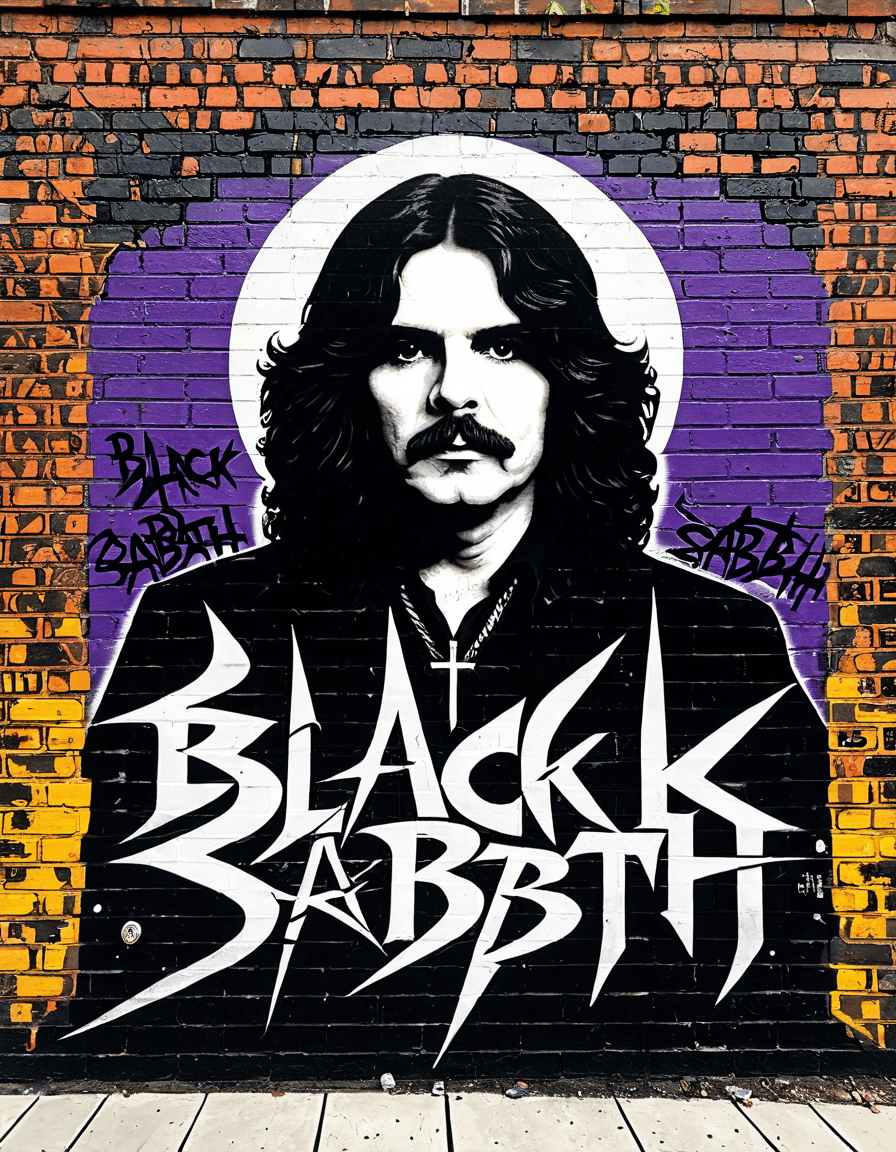
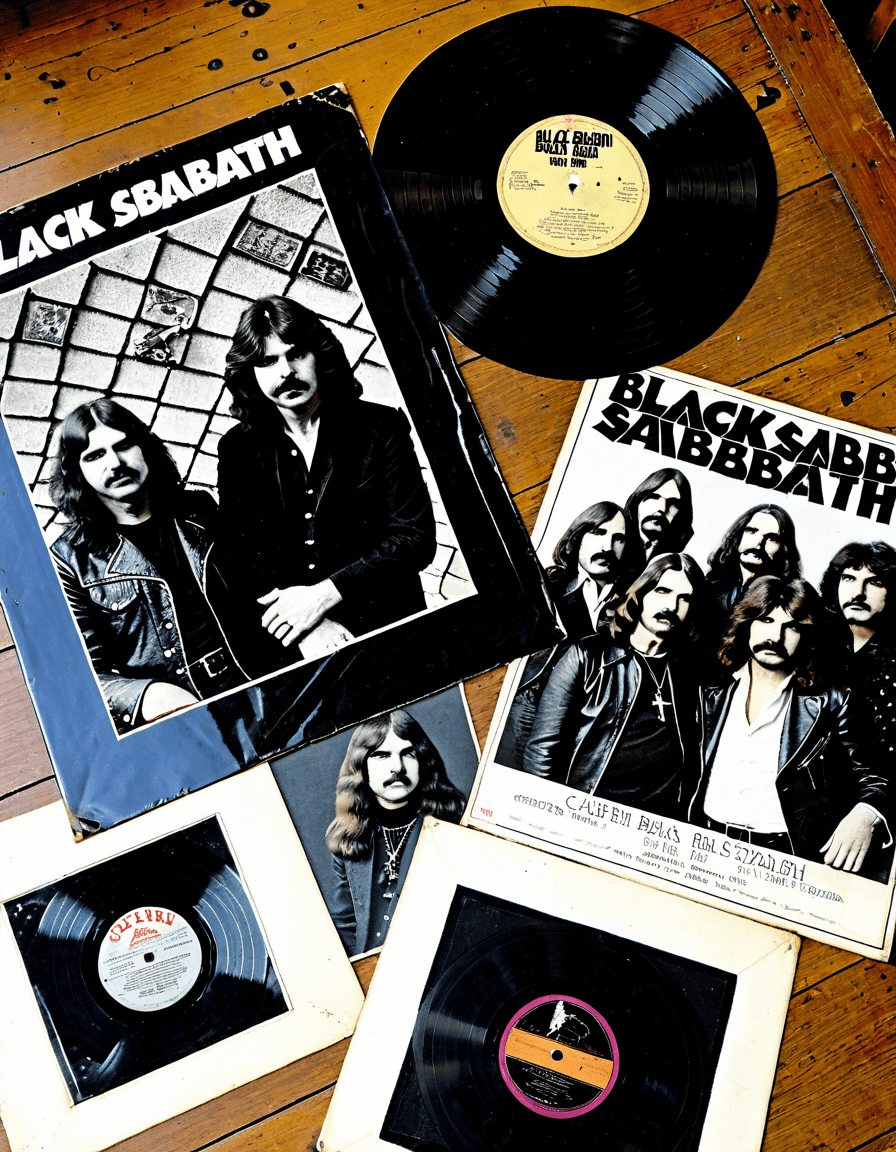
When you think about the roots of heavy metal music, there’s no way to skirt around the dark and thunderous legacy of Black Sabbath. Formed in the gritty heart of Birmingham, England, in 1968, Black Sabbath isn’t just a band; they’re the very architects of a genre that has influenced rock’s landscape for decades. With their somber lyrics, haunting melodies, and a groundbreaking sound that made listeners feel like they’d just wandered into the depths of a twisted fairytale, Black Sabbath forever changed the way we view music and culture.
So, let’s embark on a journey through the hazy smoke and swirling shadows of Black Sabbath’s legacy. Grab your leather jacket, put on your favorite vinyl, and let’s dig into how this legendary band crafted the edgier side of rock, leaving an indelible mark that resonates even into our contemporary society, shaping everything from fashion statements to musical form.
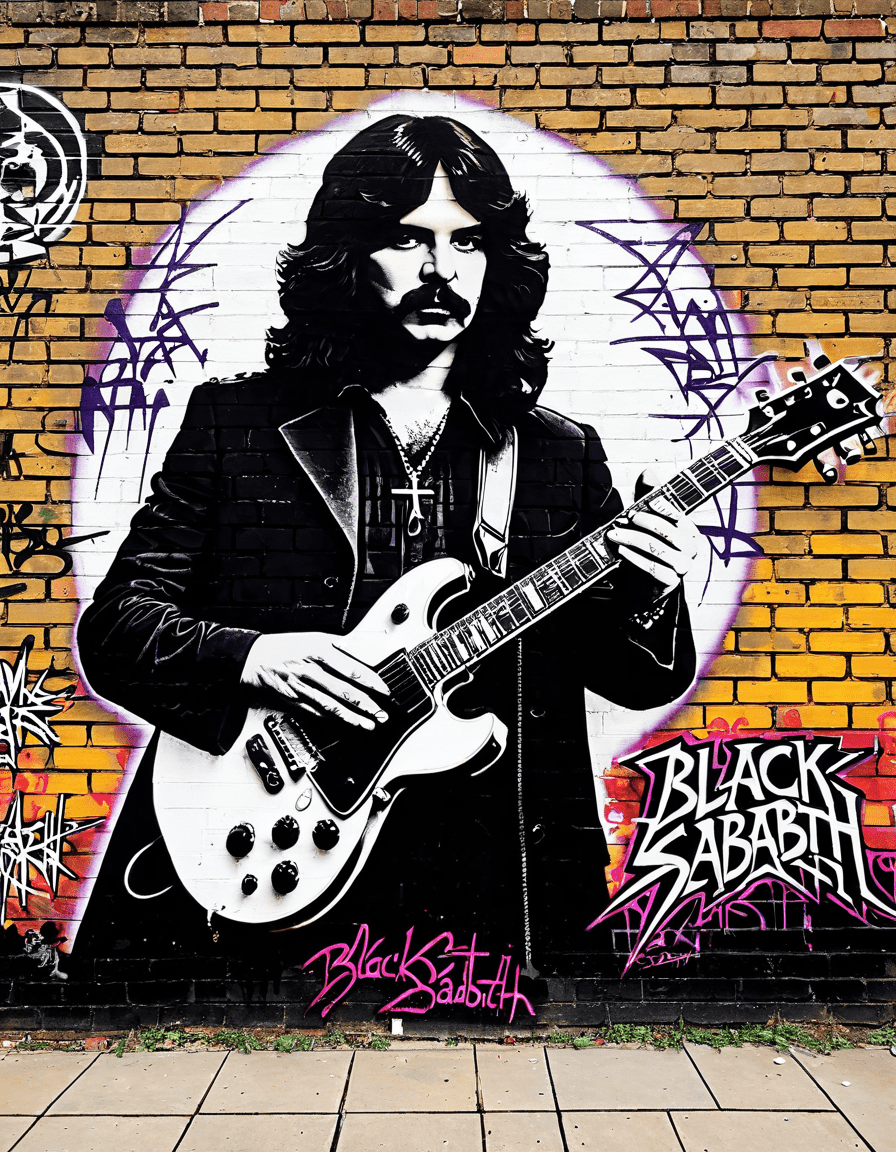
7 Ways Black Sabbath Shaped the Sound of Heavy Metal
Black Sabbath embraced dissonant chords and dark themes in a way no band had done previously. The heavy, distorted guitar riffs crafted by Tony Iommi became the gold standard for metal and inspired future icons like Metallica and Slipknot. The world hadn’t heard anything quite like it before, and just like that, the gates to an abyss of sound swung open wide.
With lyrics steeped in the macabre and visuals that would make even the bravest soul shudder, Black Sabbath elevated the theatrical elements of rock. Their performances laid the groundwork for artists like Marilyn Manson, who took shock-value to new heights, creating performances that felt like stepping into an eerie carnival. Each concert was a wicked spectacle, capturing the audience’s imagination while sending shivers down their spines.
Tracks like “Black Sabbath” and “Iron Man” laid the fundamentals for what we now call doom metal. These songs, with their slow tempos and heavy instrumentation, crafted an ominous atmosphere that inspired bands like Candlemass and Saint Vitus. It’s like a gripping story that unfolds, leaving listeners anxious yet exhilarated, craving the next chapter of darkness.
Tony Iommi’s down-tuning and distortion techniques sparked a revolution in the sound of guitars worldwide. Influential artists, from Foo Fighters’ Dave Grohl to Aerosmith’s Joe Perry, have praised Iommi’s genius as an essential element of their own artistry. That raw, gritty sound became the heartbeat of a genre, transforming mere music into an experience that resonates deep within.
Black Sabbath was unafraid to plunge headfirst into themes of war, mental illness, and existential dread. Their bold lyrics echoed the societal turmoil of their time, influencing other visionary bands like Led Zeppelin to explore mystical realms and complex narratives. They showed us that music can be more than just notes and beats; it can be a profound commentary on the human condition.
From their iconic album art, particularly for “Paranoid” and “Master of Reality,” Black Sabbath crafted a visual identity that became synonymous with heavy metal culture. This aesthetic, filled with haunting imagery, has inspired countless musicians and artists looking to convey the essence of rebellion and haunting beauty intertwined. It’s a look that continues to emerge in alternative fashion circles today, influencing everyone from punk rockers to goth divas.
While firmly anchored in heavy metal, Black Sabbath was never afraid to draw from blues and psychedelic rock influences. Tracks like “Fairies Wear Boots” offer a glimpse into a kaleidoscope of sounds that set the stage for genre-blending. This openness to experimentation paved the way for bands like Pink Floyd, who took psychedelic rock to new heights, filling arenas and minds alike.
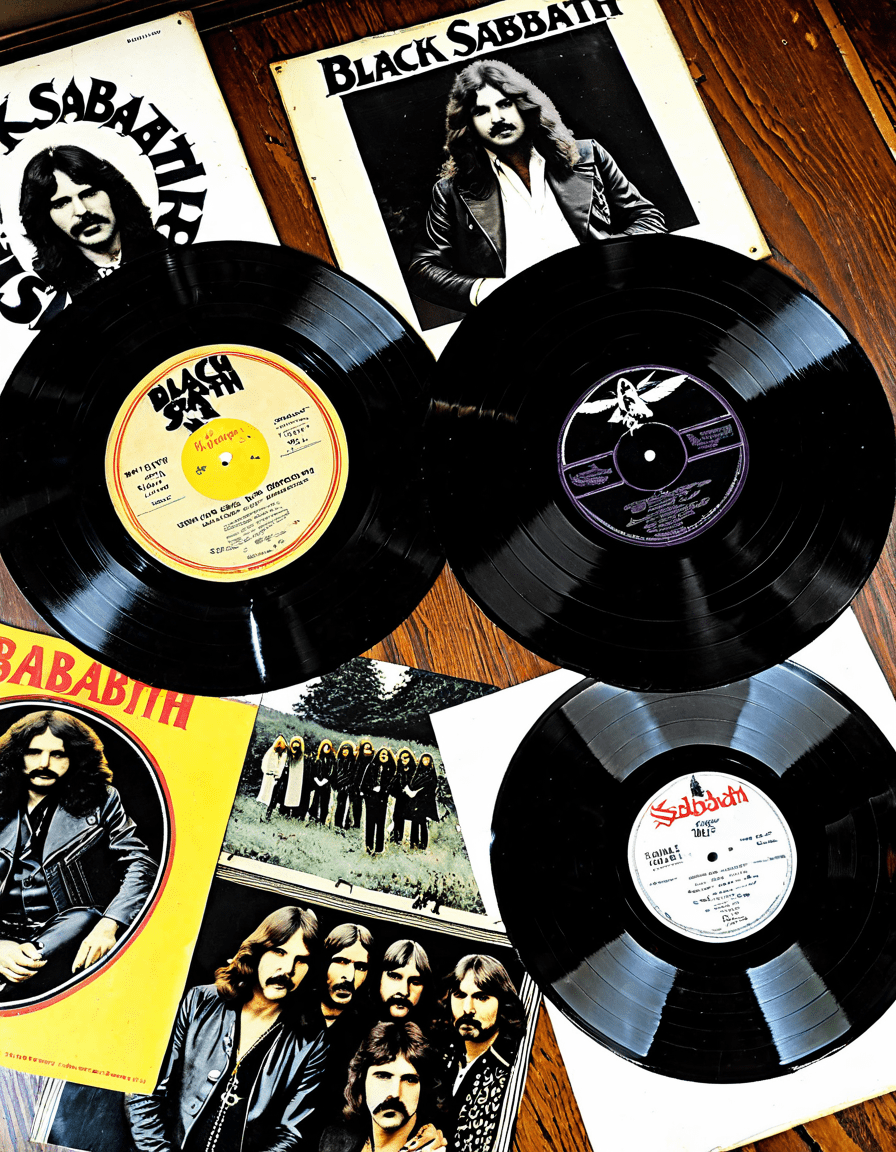
Black Sabbath’s Lasting Legacy in Rock History
As pioneers of heavy metal, Black Sabbath transcended mere musical innovation. They didn’t just play music; they created an emotional landscape that transformed teenage angst into anthems that echoed through rock history. This isn’t just nostalgia; it’s the reality of how they carved out a subculture, giving voice to countless fans searching for an outlet. Their sheer presence resonated so powerfully that even the likes of Joe Morgan, a celebrated voice in music journalism, echoed their significance during interviews and discussions.
The band’s influence reverberates through time, shifting the soundscape in ways we may not have anticipated. You can hear it in the fuzzed-out riffs of modern musicians and even the lyrical experimentation of contemporary artists. Just look at the Foo Fighters or Marilyn Manson; they all owe a debt of creativity to the groundbreaking paths trodden by Black Sabbath.
Embracing the Darkness and Celebrating Music’s Evolution
In an age where genres collide and evolve at lightning speed, Black Sabbath remains a gripping reminder of what true innovation looks like. Their shadow has stretch across decades, inspiring countless artists to explore the dark corners of sound and meaning. To fully appreciate their artistry demands recognition of their contribution to the legacy of rock music. It reminds us that every time we strum a guitar or pen a lyric, we stand on the foundation they built, a testament to the power of music in shaping our identity.
The magic lies in the resonance of their sound, suffused with the raw essence of human experience. As the scenes of music morph and adapt, the haunting echoes of Black Sabbath linger on, ensuring that legends and the music they inspire will never fade into darkness.
Black Sabbath: Unveiling the Legends of Heavy Metal Music
The Unique Roots of Black Sabbath
Did you know that Black Sabbath hails from Birmingham, England? This hard-hitting band formed back in 1968, revolutionizing the music scene. Their blend of heavy guitar riffs and dark, brooding lyrics laid the groundwork for heavy metal as we know it. Interestingly, their debut album, simply titled Black Sabbath, was released on Friday the 13th, establishing a superstitious connection that fans still talk about. Just like the cast of Transformers 1 shook up Hollywood, Black Sabbath shook the music world to its core, merging rock and horror like never before.
The Mystiquing Persona of Ozzy Osbourne
Ozzy Osbourne, the band’s frontman, is often referred to as the “Prince of Darkness.” His theatrical persona and distinctive voice made him a legendary figure. Interestingly, Ozzy’s antics and larger-than-life lifestyle sometimes overshadowed the band’s early work. He famously bit the head off a bat during a concert, an act that—though shocking—added to his infamous reputation. Just like the Zoot suit style became a symbol of the 1940s, Ozzy and Black Sabbath became icons of a rebellious youth culture, forever enshrining the band in rock history.
Black Sabbath and Pop Culture
Black Sabbath’s influence extends beyond music into film and beyond. Their music has been featured in various shows and films, including Empire Records, highlighting the band’s enduring legacy. The tension and drama in their songs resonate with the ups and downs of life, much like the political climate during Robert F. Kennedy’s era, where music often served as a form of rebellion. If you’re a fan of exhilarating true stories, check out the film I Got One More in Me, which captures the spirit of rock and roll just as Black Sabbath captured the essence of heavy metal. In fact, the convergence of styles has inspired countless artists, with Lena Waithe and others expressing their own journeys through music and culture. So, whether you’re a heavy metal aficionado or a casual listener, the tale of Black Sabbath is woven into the fabric of modern music.