## Cyberpunk and the Dystopian Dream of Tomorrow’s World
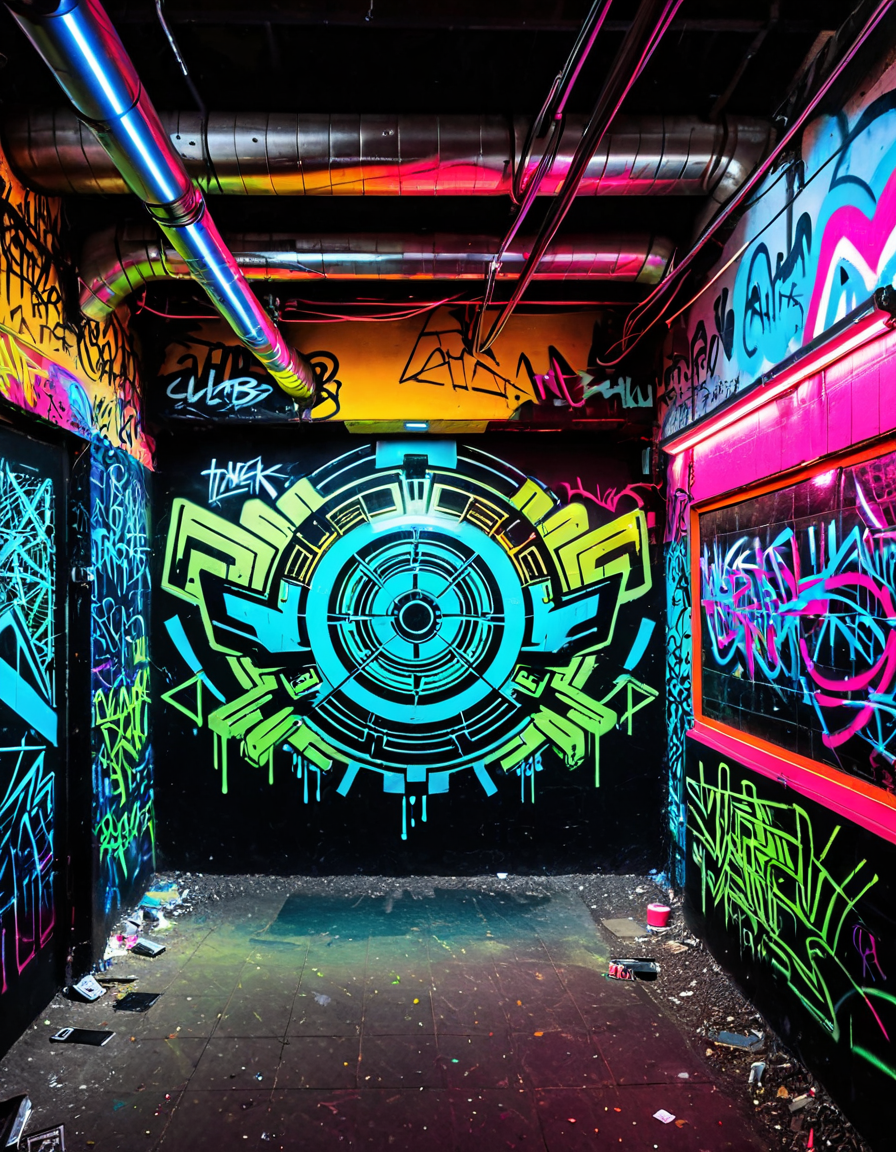
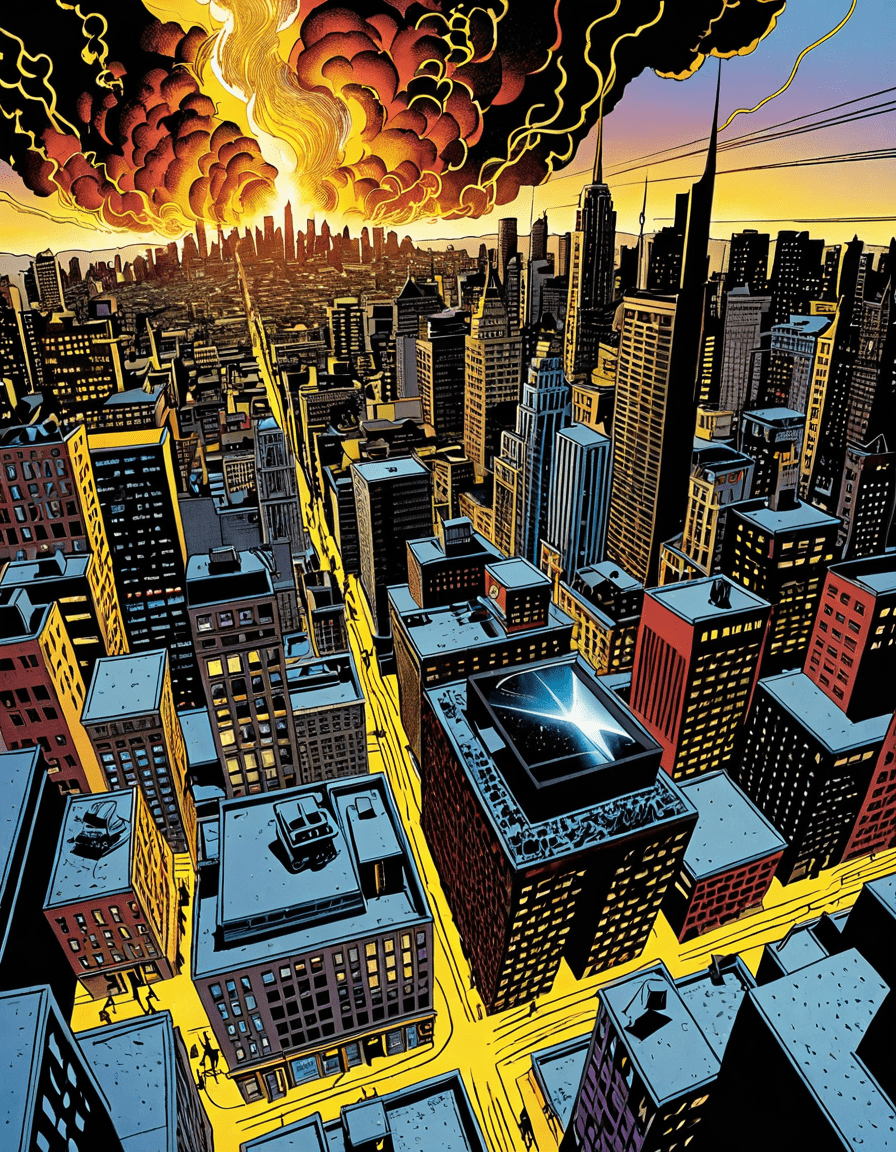
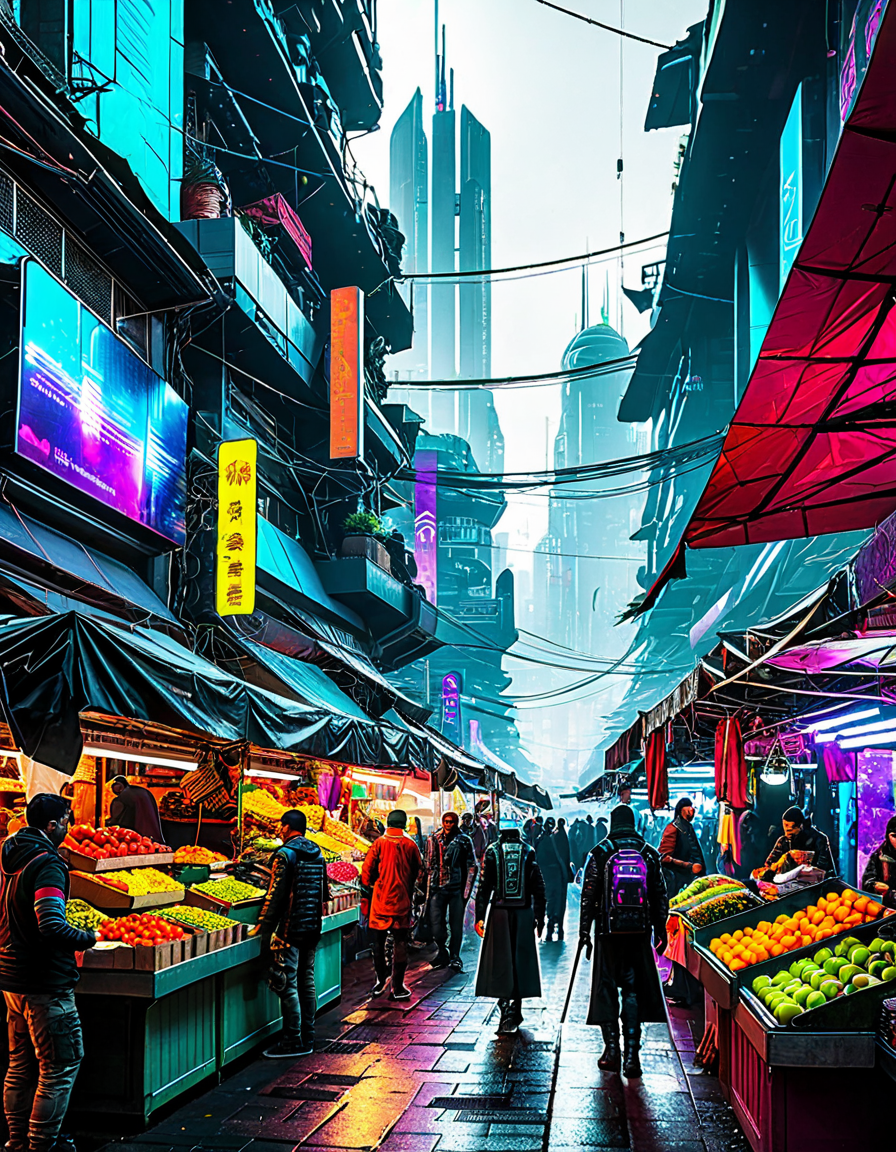
Ah, cyberpunk! It’s more than just neon-soaked aesthetics and techno-melancholic vibes; it’s a reflection of our collective anxieties and aspirations. This genre, with its striking blend of high-tech innovation and societal breakdown, is a mirror showing us both the dazzling future we strive to create and the dystopian possibilities lurking in the shadows. Urban landscapes like Tokyo and Hong Kong come alive in cyberpunk narratives, their chaotic, densely packed scenery inspiring everything from futuristic films to cutting-edge tech startups. Take a stroll through these cities, and you’ll feel the pulse of cyberpunk—a seductive dance of light and dark, beauty and chaos.
Cyberpunk isn’t merely relegated to the domain of literature and film; it seeps into fashion, art, and even city planning. The steeple of innovation towering above gritty back alleys, all bathed in the flickering glow of a million LED screens, speaks to a world where the avant-garde fuses with reality. It’s a relentless race of technological advancement paired with a glaring reminder of the disparities created in its wake. To capture this aesthetic is to delve deep into societal critiques, questioning the intentions of technological developers and the implications of the rapid urbanization surrounding us.
Fashion designers today are riffing on cyberpunk themes, blending avant-garde silhouettes with utilitarian pieces. Think about the late Alexander McQueen’s fantastical creations or the rebellious streak of Vivienne Westwood, who saw clothing as a canvas for cultural dialogue. These designers challenge us to reconsider not just what we wear but why we wear it. Just as Wayne’s World celebrated the unexpected pleasures of life, the cyberpunk aesthetic forces us to confront the darker aspects of our desires while embracing our quirkiness in a rapidly changing world.

2. Top 7 Cultural Artifacts Influenced by Cyberpunk
2.1. Blade Runner’s Enduring Legacy
Let’s kick things off with Ridley Scott’s Blade Runner (1982). This enchanting cinematic jewel laid the groundwork for the cyberpunk genre, exploring existential questions around artificial intelligence and what it means to be human. Its haunting visuals and philosophical depth profoundly affected how we perceive our relationship with technology. Fast-forward to 2026, and works like Altered Carbon continue the dialogue, questioning identity amidst a hyper-commercial dystopia where bodies are merely vehicles for consciousness.
2.2. The Evolution of Robocop – A Satirical Lens on Capitalism
Next up, we dive into the world of Robocop (1987)—a film that serves as both a critique and a representation of corporate overreach. Regardless of the evolution in film technology, the essence remains timeless: surveillance and state control still haunt us. Taking cues from its satirical sharpness, the adaptations of Robocop resonate in today’s society, where topics like data privacy and ethical AI are hot off the press. Pause for a moment; one can’t help but think of Mary Tyler moore who challenged societal norms, pushing against the tide with her media portrayal.
2.3. Steampunk: A Sister Genre
Moving on, let’s explore the whimsical world of steampunk—a genre born out of the same fertile soil as cyberpunk but twisting it into a Victorian aesthetic. Styles prominently feature in brands like SteamCrow, showcasing how the platform offers an alternate historical interpretation of innovation. Think of it as a vibrant mashup of past and future, attracting a broad spectrum of fans. Just as Jerry Garcia embraced individuality, so too does steampunk invite a celebration of craftsmanship and creativity.
2.4. Gremlin: Subverting Expectations in Design
Who thought that the Gremlins (1984) could fit snugly into the chaos of cyberpunk? With themes of technology gone awry, the film captures our fears and hopeful aspirations surrounding innovations. Little creatures wreaking havoc in domestic spaces serve as an offbeat reminder: advancements come with their own brand of discord. Just as the plot flips expectations, the ensuing chaos becomes a metaphor for our own clash with technology—a reminder that not everything is as it seems.
2.5. Cyberpunk Gaming: A New Playground for Exploration
Gaming has taken a wild turn over the last few years, courtesy of hits like Cyberpunk 2077. This immersive experience transports players into a fantastical yet chaotic world reflecting societal hierarchies, personal connections, and the intricacies of human interactions with technology. Updates for the game keep the conversation alive, paving the way for discussions about the future roles of technology in our lives. It’s a playground, yes, but it’s also a cautionary tale about losing oneself in an alternate reality.
2.6. Fashion Statements: The Emergence of Cyberpunk Streetwear
The cyberpunk aesthetic doesn’t stop at the theater or gaming; it’s seeped into streetwear, too! Brands like Acronym and Y-3 effortlessly blend high fashion with utilitarian elements. Their incorporation of tech-infused materials and multifunctional designs reflects what it means to exist in the cyberpunk era. There’s something beautifully rebellious in sporting a high-quality jacket that could double as a solar charger. Talk about a fashion statement!
2.7. Musical Revolutions Inspired by the Dystopian Dream
Musicians like Grimes and The Weeknd have woven the cyberpunk aesthetic into their sound. Ethereal soundscapes and thematic explorations of lost futures resonate in their lyrics. They prompt listeners to think deeply about technology’s impact on not just our individual identities, but our collective psyche. These artists invite us to dance on the fringes of dystopia while contemplating the fabric of our existence—like an echo from the past, challenging us while delivering a catchy beat.
3. Cyberpunk and the Dystopian Concern: Present-Day Parallels
As we journey through 2026, the parallels to past cyberpunk narratives become undeniably striking. Emergent technologies raise significant ethical issues concerning surveillance and autonomous governance, often questioned through the cultural lens. Concepts such as smart cities echo environments discussed in films like Minority Report, forcing us to confront free will in a data-driven society. They make us wonder—are we the architects of our future, or mere puppets to a well-crafted script?
With every filter we apply to our lives through social media advertising and data tracking, it feels as though we tread deeper into a narrative penned by visionaries of yore, straddling the line between convenience and exploitation. And let’s not forget the heartbreaking reality of NIMBY (Not In My BackYard) attitudes surfacing in neighborhoods resisting development—an irony considering how urban centers were meant to be inclusive and thriving, reflecting a broader critique of society.
Given the rapid advancements in biotechnology and robotics, we can’t ignore the ethical implications of our discoveries. This dialogue emphasizes that exploring cyberpunk isn’t just about dystopian imaginings; it’s about managing our path forward, spotlighting our role in crafting a more empathetic future.

4. The Future of Cyberpunk: Beyond the Dystopian Dream
The charm of cyberpunk is evolving—beyond mere cautionary tales, there lies potential pathways to a better tomorrow. With a growing interest in sustainability and ethical tech, brilliant minds like Neal Stephenson push forward, urging us to ponder solutions rather than Dystopian consequences. Creators are shifting narratives, imagining futures where humanity harnesses technological advancements for a collective good.
Art is breaking free from traditional molds, with AI-driven collectives reimagining aesthetics we thought we knew. It’s not just about peas in a pod; it’s about crafting innovative dialogues, enriching our relationship with technology. Instead of fear, this new cyberpunk fosters community and collaboration, paving the way for interconnected worlds beyond our wildest imaginings.
Let’s embrace the cyberpunk culture as a vibrant tapestry. By actively engaging in its narratives, whether through fashion, film, art, or music, we create a dynamic society—one that flows like Carole King soulful melodies, inviting us to harmonize with hope. As we look forward, we must strive to shape our current reality into tomorrow’s dream, carving avenues of possibility out of the complex dance of reality, chaos, and creativity.
In this never-ending dialogue with cyberpunk, we see reflections of our own futures. Whether through the tales we tell or practical applications of creative ideals, we hold the keys to shaping a more promising world—encouraging us all to dive into this vivid dreamscape and unleash inspiration that awaits us.
Cyberpunk and the Dystopian Dream of Tomorrow’s World
Cyberpunk and Its Inspirations
Cyberpunk and its gritty vision of the future have roots in various cultural phenomena, which make the genre both fascinating and diverse. For instance, concepts of high-tech, low-life found in cyberpunk reflect critiques of modern capitalism and societal structures. This genre often finds itself exploring corporate dystopias, much like the precarious standing of companies such as Tesla. Who would’ve thought that the fluctuating dynamics of the 테슬라 주가, or Tesla’s stock price, could echo the volatile markets depicted in cyberpunk narratives?
Moreover, the aesthetics inspired by cyberpunk films like “Wayne’s World” and “Ferris Bueller’s Day Off” add layers to visual storytelling. These films, often featuring characters caught in their own worlds, highlight themes of individuality amidst societal pressure. Jumping into the cinematic realm, one can see how cyberpunk’s neon-lit chaos finds a playful counterpart in the carefree vibes of these classic comedies.
The World Around Cyberpunk and Housing
Cyberpunk and its take on urban living also touch upon housing issues that are increasingly relevant today. The term “NIMBY,” or “not in my backyard,” encapsulates the tension between community desires and urban development. In many cyberpunk stories, we often see mega-corporations pushing boundaries, leaving individuals clamoring for reasonable living conditions. The intricacies of homeownership tie into these narratives, especially concerning established entities like the Fha Federal housing administration, which play crucial roles in shaping the housing market.
Living in a cyberpunk-inspired environment could provoke thoughts on how we approach our communities and neighborhoods. The juxtaposition of high-tech innovation and social decay serves as a warning—much like the strained systems we encounter today. So, if you’re a fan of the genre, it’s worth pondering how these underlying messages reflect real-world issues we face or might face in the years to come. Cyberpunk and its visions can offer insights that resonate with our present, urging us to engage with the future on our terms.