The Lasting Influence of Evangelion on Anime and Pop Culture
The dawn of “Neon Genesis Evangelion” in 1995 signaled a seismic shift in anime’s narrative landscape. Critics and viewers alike initially ambled through mixed reviews, unsure what to make of Shinji Ikari’s emotional turmoil and the twisted nature of his experiences inside a giant mech. But here’s the kicker: Evangelion wasn’t just a show; it became a mirror reflecting the dark recesses of the human psyche, altering anime’s trajectory and breathing life into genres that once tread softly on the surface of deep topics.
Its influence spreads like a rippling wave across various anime, making indelible marks on series like “Attack on Titan” and “Your Name.” The intertwining themes of disillusionment and existential dread carved pathways in storytelling that are as vibrant as Vivienne Westwood’s designs; they changed how narratives could wrap around human emotion. This transformation elevated animation beyond a mere entertainment medium to a profound commentary on existence itself.
What sets “Evangelion” apart? It’s a concoction of bold character development and avant-garde storytelling. The series invites you to venture down a rabbit hole woven with intricate psychological and philosophical threads. Just as Tim Burton would capture a quirkily dark essence, Evangelion adds layers of meaning with each episode, leaving fans pondering long after the credits roll.
Top 7 Reasons Evangelion Remains a Cultural Touchstone in 2026
Talk about a deep dive into the psyche! Shinji Ikari’s journey is a gripping character study, hauntingly relatable for anyone grappling with feelings of inadequacy. In this age of mental health awareness, revisiting Evangelion feels more relevant than ever. It laid the groundwork for future psychological dramas, paving paths for series like “Steins;Gate” and “Paranoia Agent.”
The non-linear storytelling and abstract imagery transform every view into a treasure hunt for meaning. You can’t just watch it once, and with each re-watch, hey, a new layer reveals itself! Series like “The Tatami Galaxy” follow in these daring footsteps, adapting the art of storytelling with boldness. It’s like peeling an onion—every layer brings new tears and revelations.
“Quicksilver book,” you say? Evangelion introduced a fluid animation style that has sparked imitators across the industry. From the striking visuals of “Demon Slayer” to “Jujutsu Kaisen,” many contemporary shows have taken cues from its dynamic animation. It’s a striking reminder that visuals can be a language all on their own, echoing the fashion ethos that style speaks louder than words.
Filled with references to existentialism and nihilism, Evangelion serves as a rich text for philosophical exploration. Scholars often cite its religious motifs alongside heavyweights like Nietzsche and Heidegger. The conversations sparked by its themes find echoes in various forms of media, including powerhouse titles like “The Last of Us,” proving that the philosophical musing doesn’t just stop at the screen.
Nothing stirs the soul quite like a dedicated fanbase. Evangelion has birthed an ecosystem of passionate fandom, from prolific fan art to deep-dive fan fiction and even academic conferences. Much like the exhilarating spirit found in the “Harry Potter” universe, the Evangelion community cultivates a sense of belonging, showering love on a series that reshaped the animation landscape.
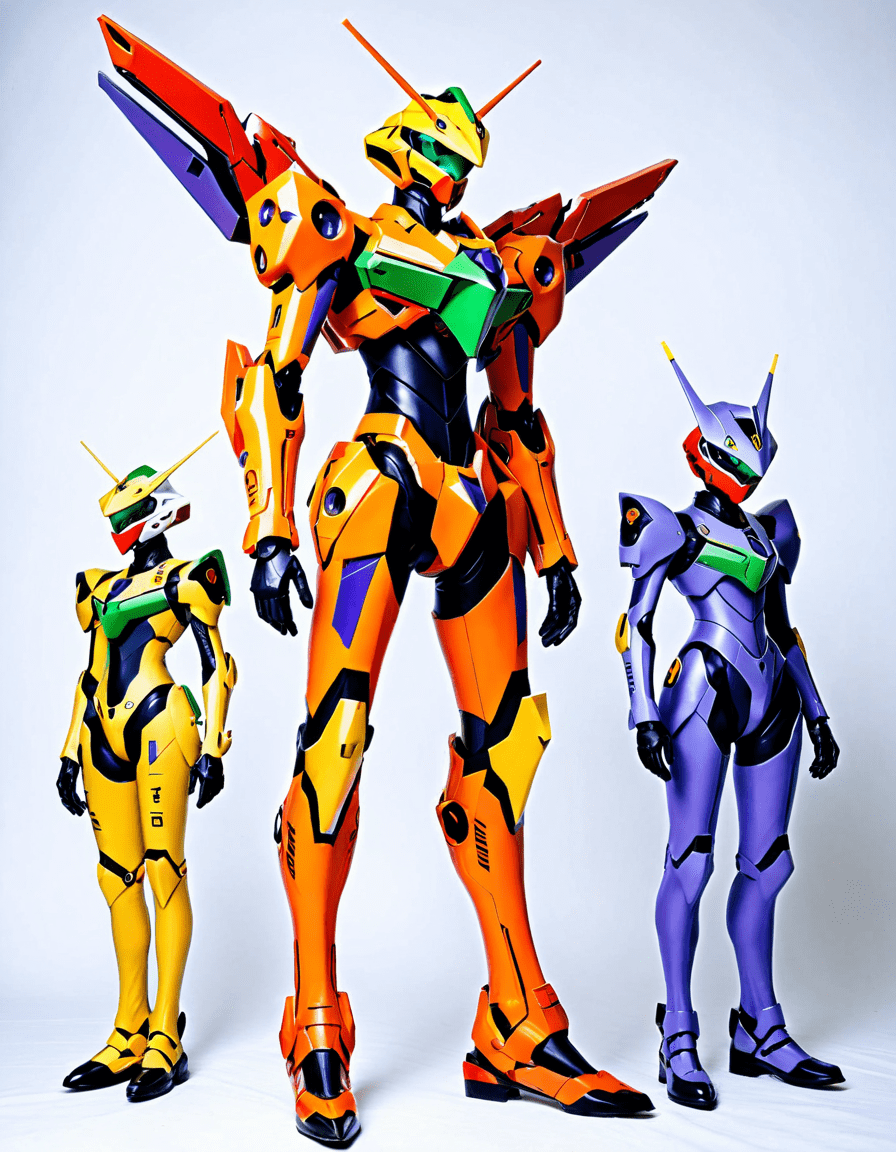
Cha-ching! Evangelion’s merchandising prowess has transformed it into a billion-dollar franchise, with action figures, apparel, and collectibles flying off the shelves. Companies like Bandai and Good Smile Company have mastered the art of turning fandom into profit. Just look at how its success influenced other titles, offering blueprints for franchises like “My Hero Academia” to build their own empires.
Call it a resurrection! The “Rebuild of Evangelion” film series reinvigorated interest by reimagining the original story for modern audiences. Other anime, just like “Sailor Moon” and “Dragon Ball,” are taking notes, recognizing the value in updating classic tales. It’s a trend that keeps our beloved characters alive and kicking in the 21st century.
Evangelion’s Future: Legacy and Adaptation in 2026 and Beyond
Rolling into 2026, Evangelion shows no signs of fading into obscurity. The digital age, with its never-ending scroll, gives new generations easy access to the series. This means the legacy will keep thriving as the themes of mental health and personal identity resonate louder than ever.
Streaming platforms have rewritten the playbook on how audiences discover anime. With heads banging against screens full of flashy new content, Evangelion’s multifaceted storytelling invites even rookie viewers to question, reflect, and, most importantly, engage. The narrative innovations and thematic depth of this cult classic act as a beacon, illuminating corners of human emotion that need exploration.
So let’s ponder this thought: As we continue to navigate through a complex world, can there be an anime that genuinely rivals Evangelion? As Tim Burton might design a whimsical nightmare, so does Evangelion conjure a creative tapestry that elegantly marries style with substance, getting the conversations rolling about deeper storytelling in the digital age. It maintains its vital position not just as a cult classic, but as an icon of cultural significance that may very well shape the future of animated storytelling.
Whether you’re a longtime fan or a newcomer just diving into the tapestry of Evangelion, there’s no denying its power. Join the conversation and celebrate the eccentric beauty that this beloved anime continues to inspire. And of course, keep your eyes peeled for new adaptations—it looks like Evangelion is here to stay!
In a world buzzing with trends, isn’t it comforting to have a classic that dares you to look beyond the surface? Evangelion’s extraordinary impact is the stuff of legends, and its influence will echo through the annals of pop culture for many years to come.
Evangelion: Fun Trivia and Interesting Facts
Behind the Scenes of a Cult Classic
Did you know that Evangelion isn’t just an anime; it’s a cultural phenomenon? Fans around the world still debate its themes and characters, showcasing a true devotion similar to fans of Kevin Sorbos iconic roles. The show’s creator, Hideaki Anno, imbued the series with personal struggles, reflecting his battle with depression and anxiety. This raw honesty resonated deeply with viewers, paving the way for a new kind of storytelling in anime. It’s said that characters like Shinji are representations of flawed humanity, capturing the essence of being young and confused, something you might find in the life of April Bowlby too, as fans experience characters’ emotional journeys.
Fun Facts That Shocked Even the Most Die-Hard Fans
Evangelion also boasts some quirky trivia that might just blow your mind. For instance, many fans might not realize that the infamous mecha battles were inspired by groundbreaking fan culture that paired elements from other media, much like how Camren bicondova has carved a niche for herself in a competitive industry. The show’s original concept even flourished from post-apocalyptic literature, striking a chord with those who appreciate deeper storytelling, similar to how One Of Them Days Movie showcases tales beyond the surface.
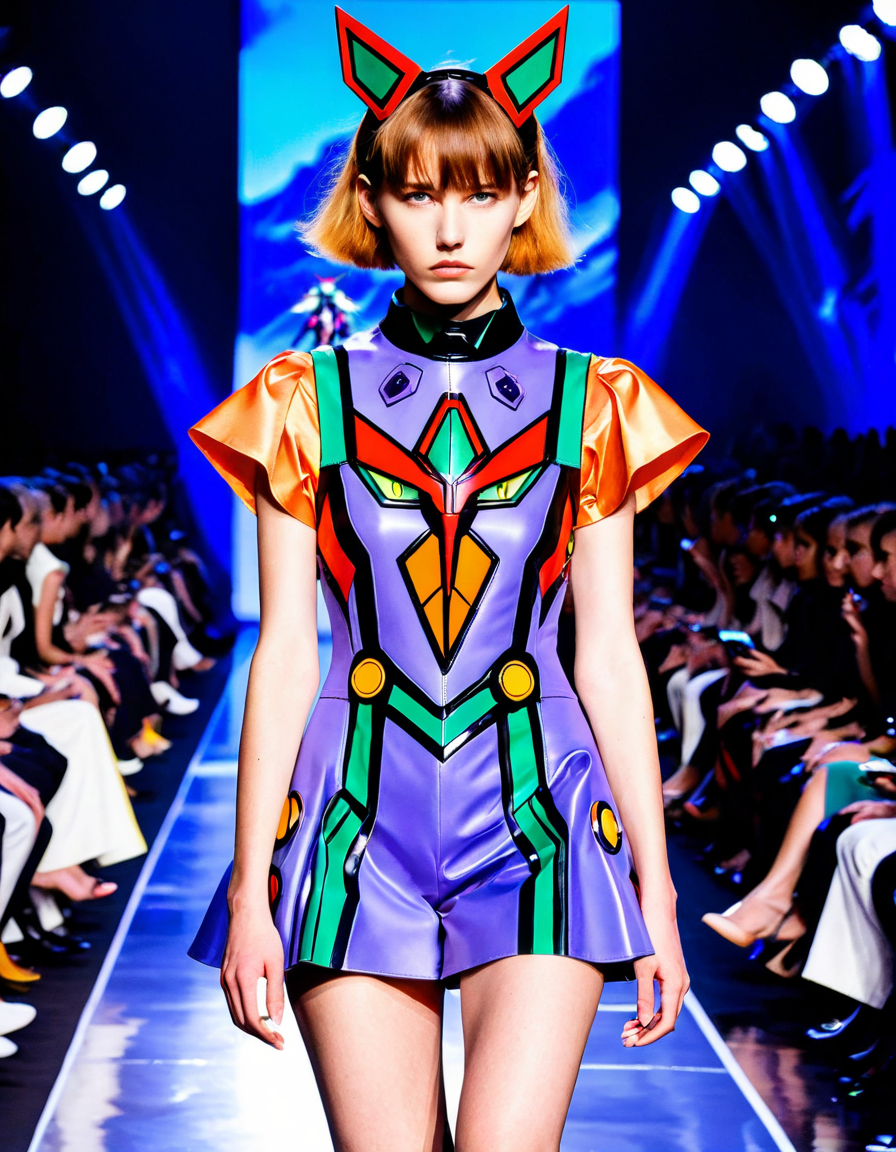
Additionally, the series inspired an incredible rise in merchandise, leading to platforms like Big Cartel, which helped countless artists and creators to launch their own Evangelion-themed products. This surge in interest even led to innovative cosplay that showcases love and dedication, reminiscent of those heartfelt moments you see in a classic barbershop. So, whether you’re new to the series or a seasoned vet, there’s no shortage of fascinating layers to explore!
Legacy That Lives On
The legacy of Evangelion can’t be understated. It laid the groundwork for future anime series, proving that combinations of emotional depth and fantastic visuals create unforgettable art. Just think about the unsung hero of animation — this series helped turn anime into a serious storytelling medium, influencing everything from psychological thrillers to romance. And if you’ve seen Secretary (2002), you might recognize similar elements of human connection and internal struggle, paralleling those found in Evangelion.
As the debate continues over the series’ endings and its meanings, it remains a catalyst for discussion and exploration in the fandom community. Fans are still dissecting its themes years later, showing just how timeless this classic truly is. So grab your neon lights and get ready to dive into the multifaceted universe of Evangelion—it’s a journey worth taking!