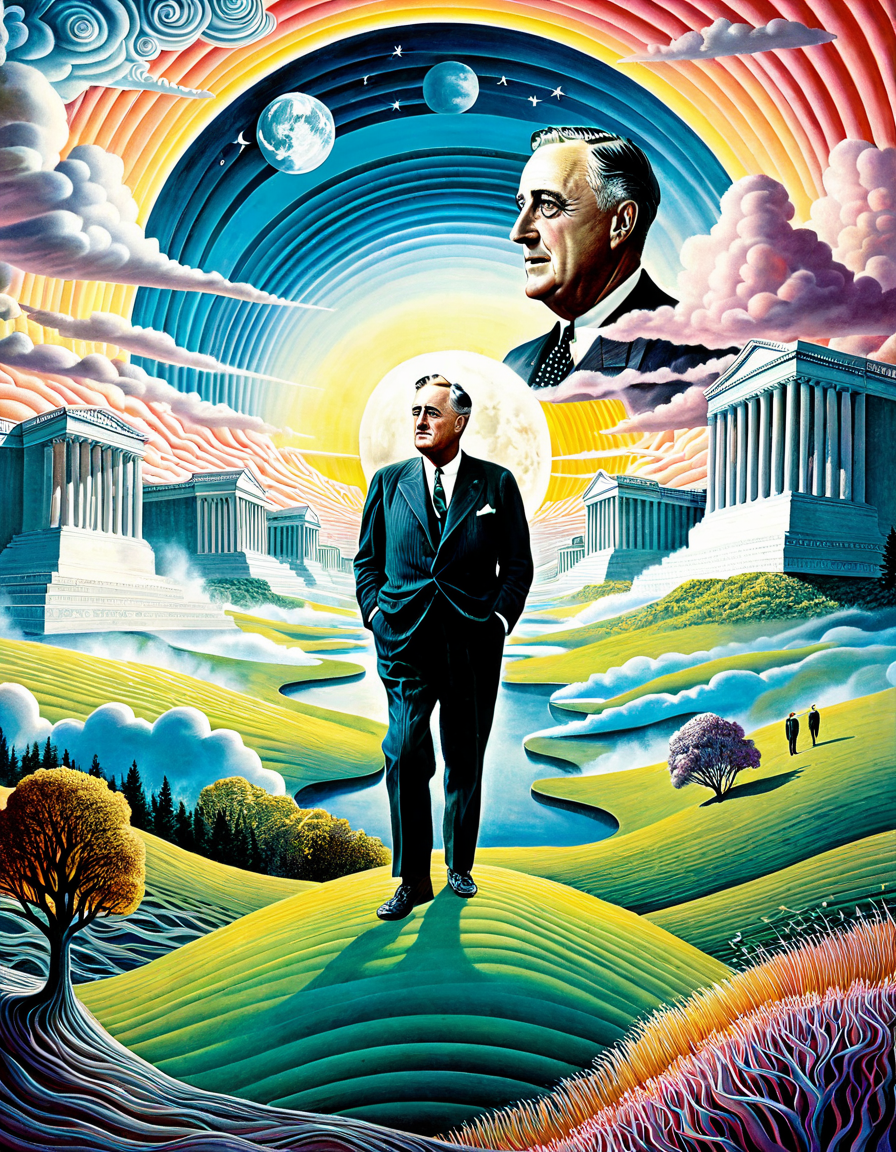
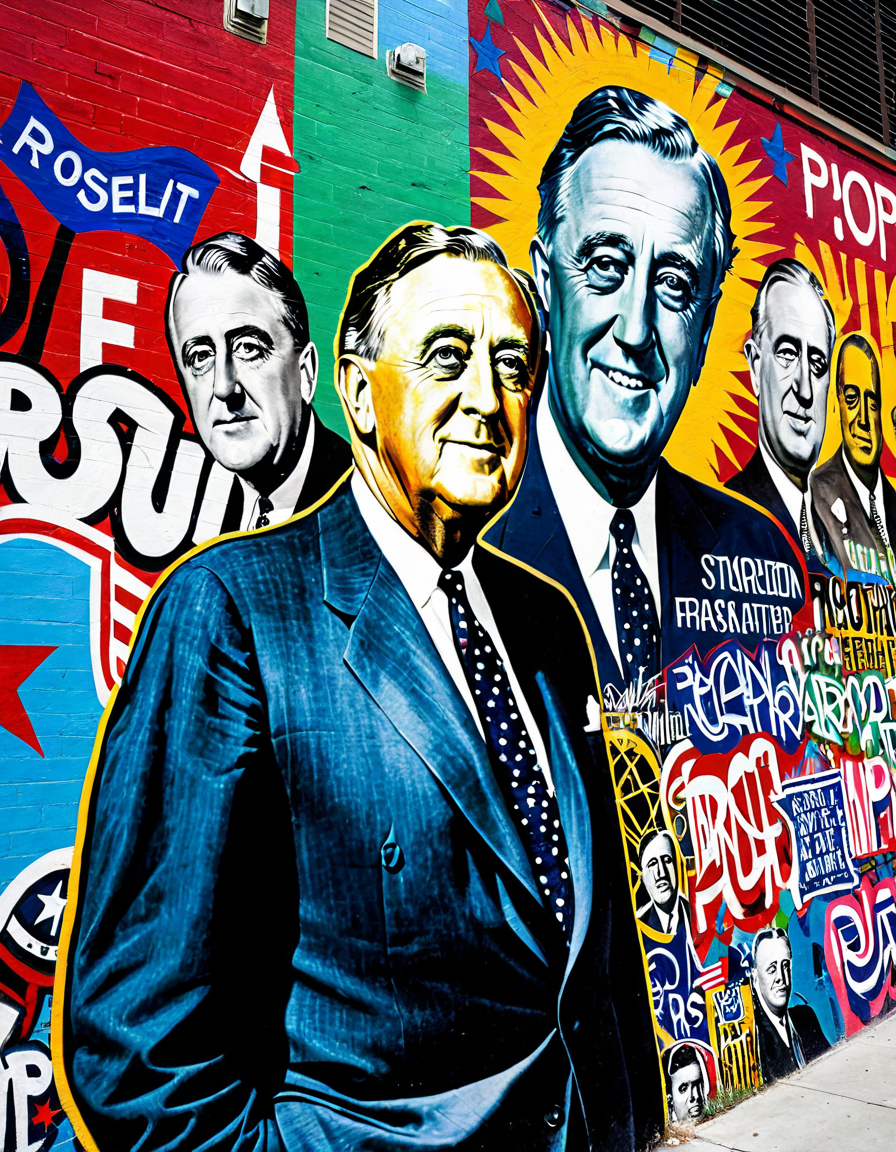
Franklin D. Roosevelt (FDR) stands as a towering figure in American history, shaping the nation during tumultuous times with a visionary presence that resonates even today. elected during the Great Depression, FDR introduced policies that served as lifelines for millions while crafting an expansive blueprint for governmental responsibility. His legacy isn’t just history; it’s a living foundation for ongoing debates about welfare, social justice, and economic reform, reflecting deeper societal values. Let’s delve into the captivating details of FDR’s life, leadership traits, wartime strategies, and the enduring influence he had on the political landscape of America.
The Visionary Policies of Franklin D. Roosevelt
FDR’s New Deal reshaped America’s economic landscape through a series of groundbreaking policies aimed at reviving a nation battered by the Great Depression. Key programs like Social Security, the Works Progress Administration, and the Agricultural Adjustment Act laid the groundwork for a safety net that still cradles citizens today. These initiatives weren’t just about immediate relief; they redefined how Americans viewed their government and its responsibility toward its people.
FDR’s policies transformed America’s governmental role, instilling an expectation that the government should actively support its citizens. As we revisit these policies, we must ask ourselves, how do they shape our current understanding of what constitutes a just society?
Five Transformative Leadership Traits of Franklin D. Roosevelt
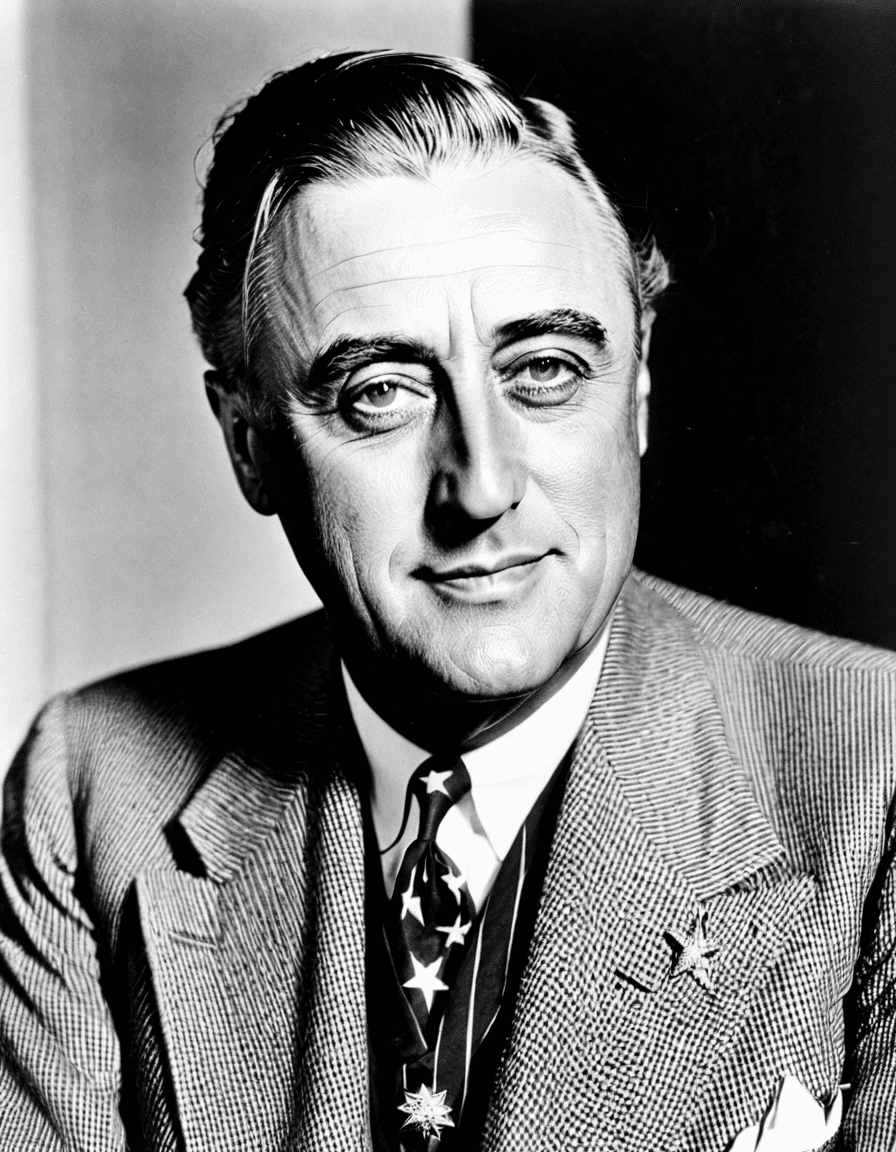
FDR exemplified a leadership style filled with extraordinary traits. He showcased adaptability, empathy, resilience, pragmatism, and communication, making his presidency a masterclass in political maneuvering. His ability to relate to everyday Americans through fireside chats showcased a revolutionary approach to presidential communication.
As we explore these traits, it’s essential to consider how each has influenced subsequent political leaders and molded American governance as we know it.
Navigating War: FDR’s Strategies and Their Lasting Impact
When World War II erupted, FDR stepped into the role of wartime leader with unparalleled finesse. His diplomatic relationships with figures like Winston Churchill and Joseph Stalin were crucial in forging alliances that shifted the tide of war. FDR’s strategies, such as the Lend-Lease Act, allowed the U.S. to support allied nations while maintaining a semblance of neutrality early on.
FDR’s wartime influence continues to shape international relations, reminding us of the complex web of alliances and diplomacy that defines our world today.
The Influence of FDR on Post-War Presidents: A Legacy of Change
The ripples from FDR’s presidency extend far beyond his time in office. His pioneering beliefs laid the foundation for the New Frontier initiatives of John F. Kennedy and the Great Society programs spearheaded by Lyndon B. Johnson. It’s fascinating to watch how later presidents drew directly from FDR’s pragmatic, hands-on governance style.
This legacy indeed shapes modern political parties and their platforms, reminding us that leadership styles and policies are rarely born in a vacuum.
The FDR Effect: How Franklin D. Roosevelt Redefined American Ideals
FDR’s presidency led to the birth of new American ideals around social justice, welfare, and economic equity. It’s intriguing how his themes of responsibility and compassion remain relevant in contemporary discussions about income inequality and climate action. Modern leaders frequently reference FDR when advocating for universal healthcare and government intervention in education and welfare.
These ideals of FDR invoke a powerful narrative that invites us to ponder how the role of government and social responsibility can evolve into tomorrow’s revolutionary movements.
Wrapping Up the FDR Legacy
Franklin D. Roosevelt’s time as president was a tapestry woven from both trials and triumphs. His multi-faceted approach provided innovative solutions that not only tackled immediate concerns but also laid the groundwork for future expectations of leadership and governance. By dissecting FDR’s enduring impact, we gain essential insights into today’s political discourse, reflecting on how visionary leadership can still carve pathways for change.
As we grapple with contemporary issues, we’re often left with the burning question: what would FDR do? His legacy is rich with lessons that remain relevant, illuminating our collective journey toward a more equitable society. As we walk that path, let’s channel FDR’s spirit of resilience and creativity, leading us toward a brighter tomorrow for all.
Franklin D Roosevelt: Fun Trivia and Interesting Facts
The Man Behind the Change
Franklin D. Roosevelt, often called FDR, wasn’t just a president; he was a trailblazer! Born in 1882, he faced a significant hurdle when he contracted polio at the age of 39, leaving him with limited use of his legs. Rather than letting that define him, he became a symbol of strength. Interestingly, during his presidency, many were unaware of his disability due to his careful public persona. This aligns remarkably with how certain icons, like in the Gladiator movie, also project strength against the odds. Speaking of unexpected twists, did you know that while FDR was leading the country through the Great Depression, his administration launched several public works initiatives, creating jobs for millions? This highlights his commitment to the people, a trait still celebrated today.
Innovations and Cultural Impact
FDR’s presidency sparked ingenious innovations like the Social Security Act, forever transforming how America cares for its citizens. He even had a special connection to the arts—he was an avid fan of cinema, and who can forget the impact of Doctor Strange on modern filmmaking? You might be surprised to learn that during his time, movies and radio were primary entertainment, much like the influence of gaming today, as seen with phenomena like Stardew Valley red snapper! Roosevelt’s “fireside chats” provided comfort and community during tough times, making him one of the first presidents to effectively use mass media.
His Legacy and Uncommon Insights
FDR’s contributions to the social fabric of the United States resonate even now, seen in the continuous discussions around topics like healthcare and welfare. His visionary mindset foreshadowed many movements we witness today, including the fight for family support days like Mothers Day. Fascinatingly, Roosevelt was also a close friend of intellectuals like Noam Chomsky, emphasizing his appreciation for thought leadership. Even amidst the chaos of his presidency, he managed to balance political shifts and ethical debates, much as directors cast talent for projects—like the Star Wars 1 cast, blending diverse elements to create a compelling narrative. As we look forward down the road, one might ponder, What Is 60 days From today in comparison to Roosevelt’s long-reaching impact, a question that invites us to think about our future while reflecting on the past. FDR indeed changed America forever, turning challenges into opportunities for growth and resilience.