A Historical Snapshot of Gangs of New York
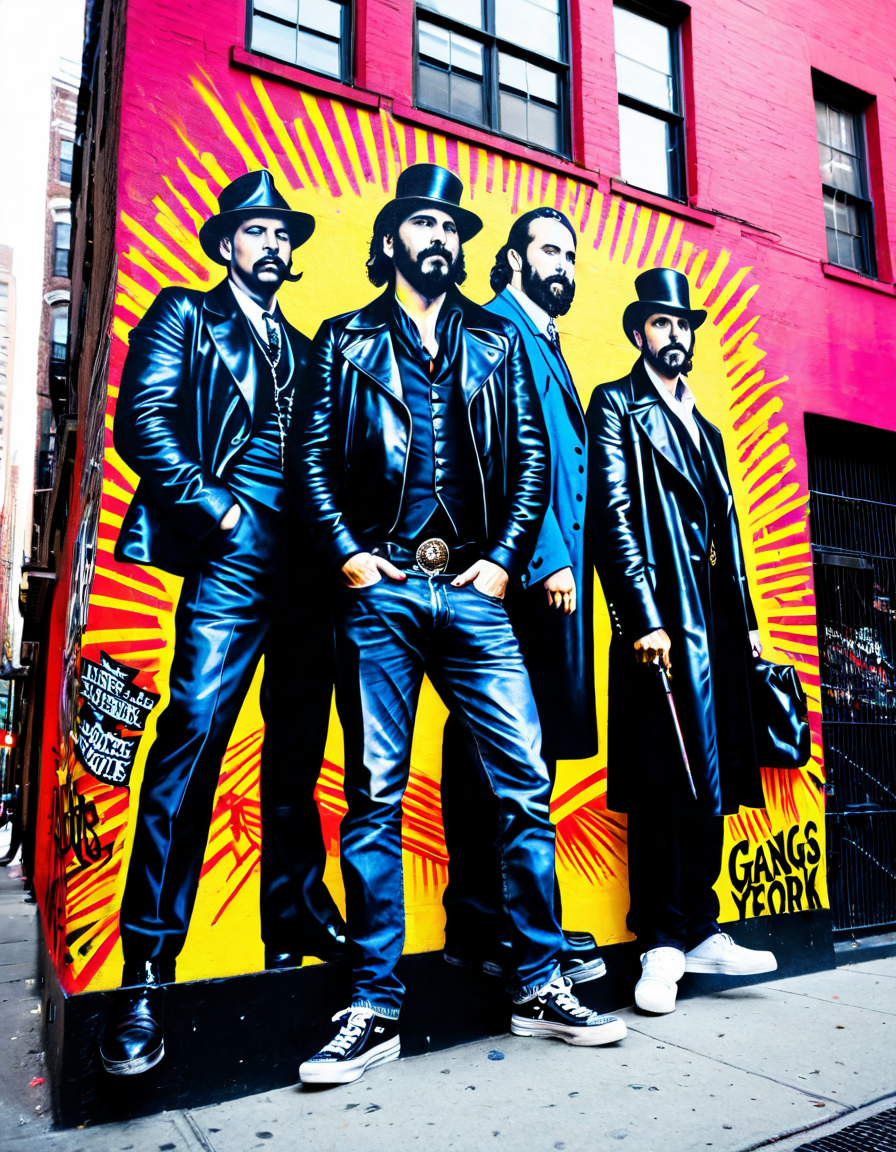
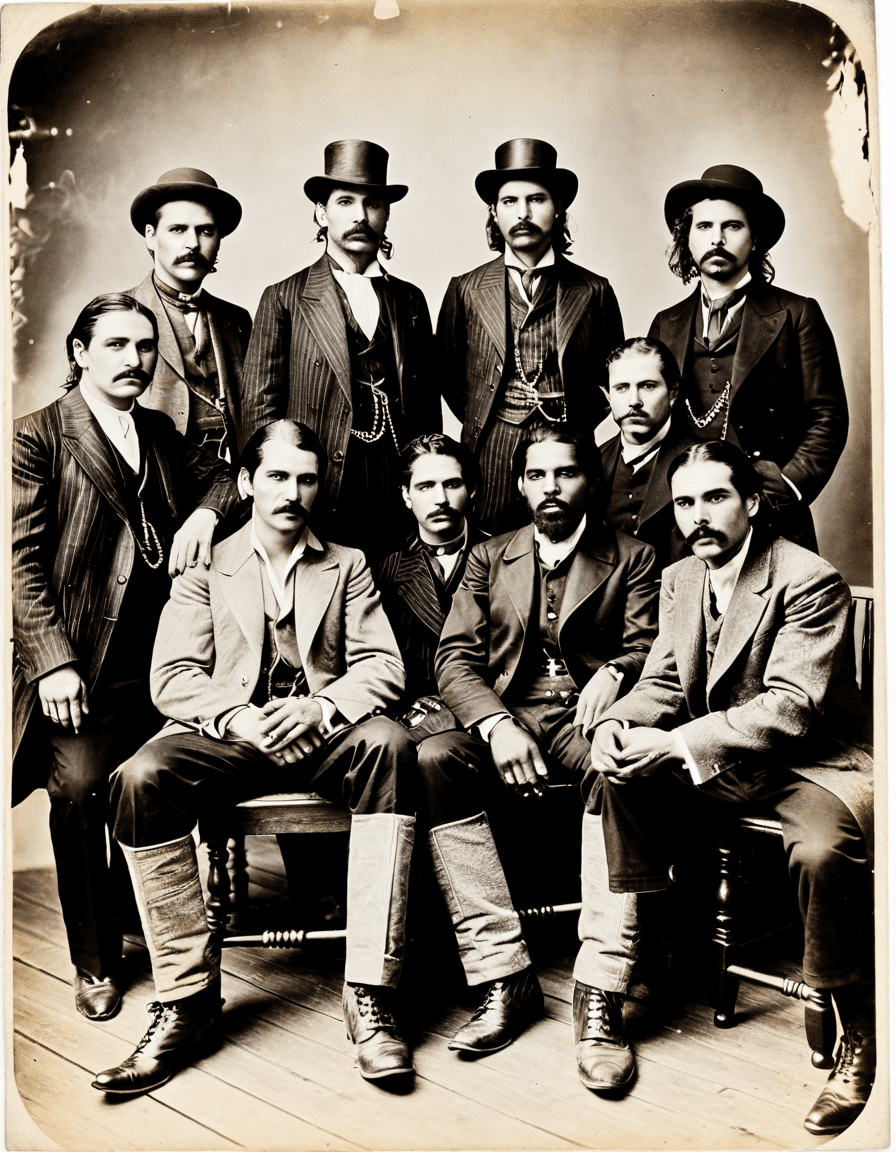
When you think of gangs of New York, you’re dipping into a vivid tapestry embroidered with conflict, culture, and chaos. The city’s gangs have a history that stretches back to the early 19th century, rooted deeply in the socio-economic upheaval of the time. Picture a bustling metropolis swamped with immigrants—Irish, Italian, and Jewish—fleeing poverty and persecution, their dreams running right into the wall of urban hardship. They formed gangs, not just out of malice but out of necessity, seeking protection and influence within their communities.
These gangs weren’t mere crime syndicates; they were lifelines, threading their way through the city’s gritty streets. Communities banded together, navigating the poison of political corruption and social ostracism. As the years rolled by, these groups evolved into pivotal players in the city’s underbelly, capturing the imagination of their era and serving as both antagonists and protagonists in a timeless urban saga.
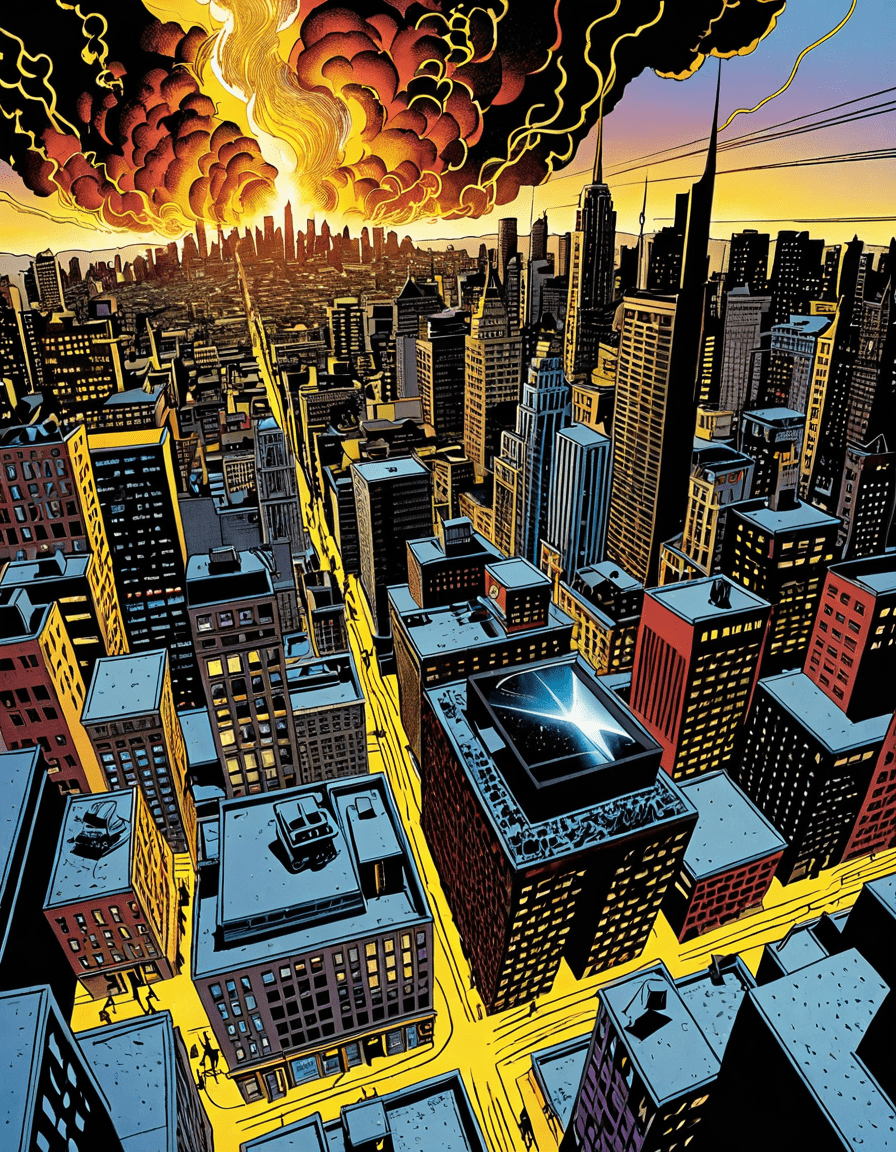
Like a scene ripped from Tim Burton’s vivid imagination, the landscape of New York’s criminal underbelly pulsated with life, presenting stories soaked in both tragedy and irony. Early 20th-century gangs, battling for territory and prestige, were almost like characters stepping right out of a dark fairy tale—each with their defining quirks, traits, and chaotic narratives.
Top 5 Most Infamous Gangs of New York
Examining the Intense Rivalries of Gangs of New York
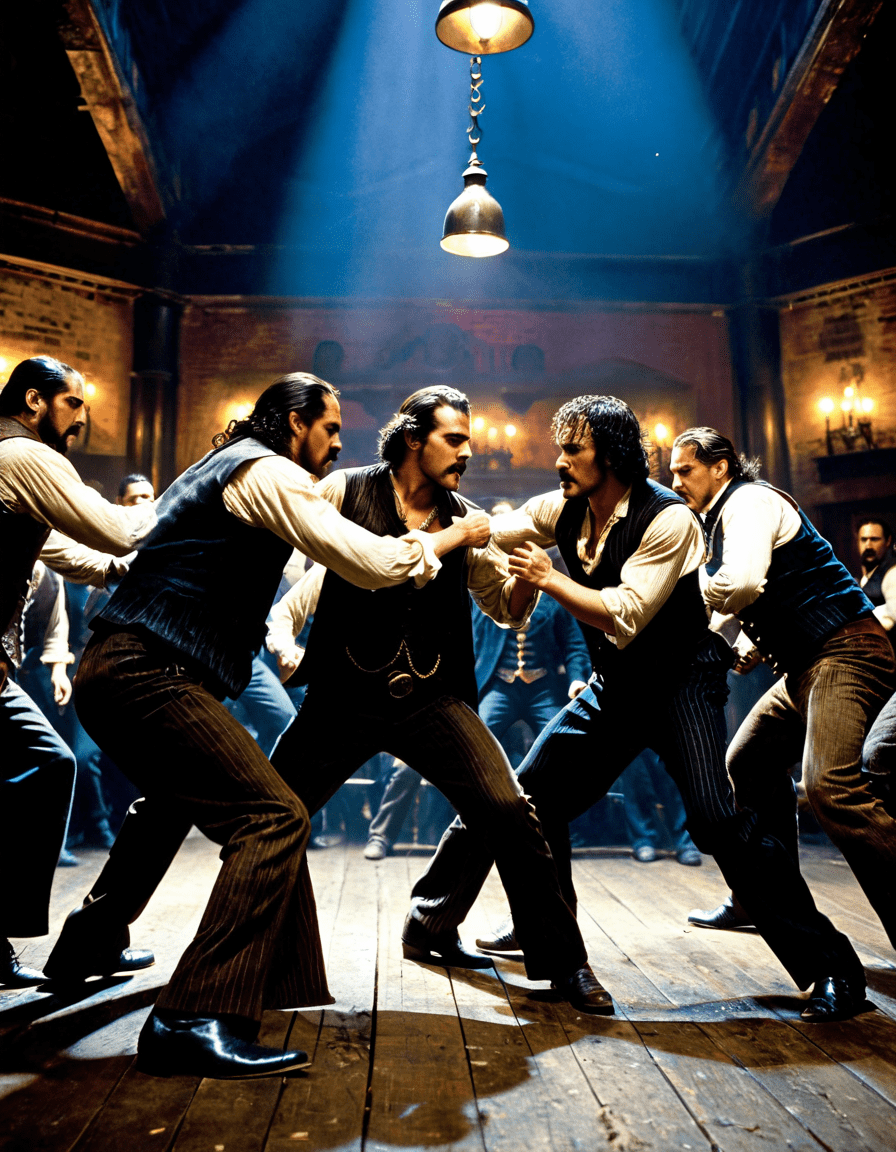
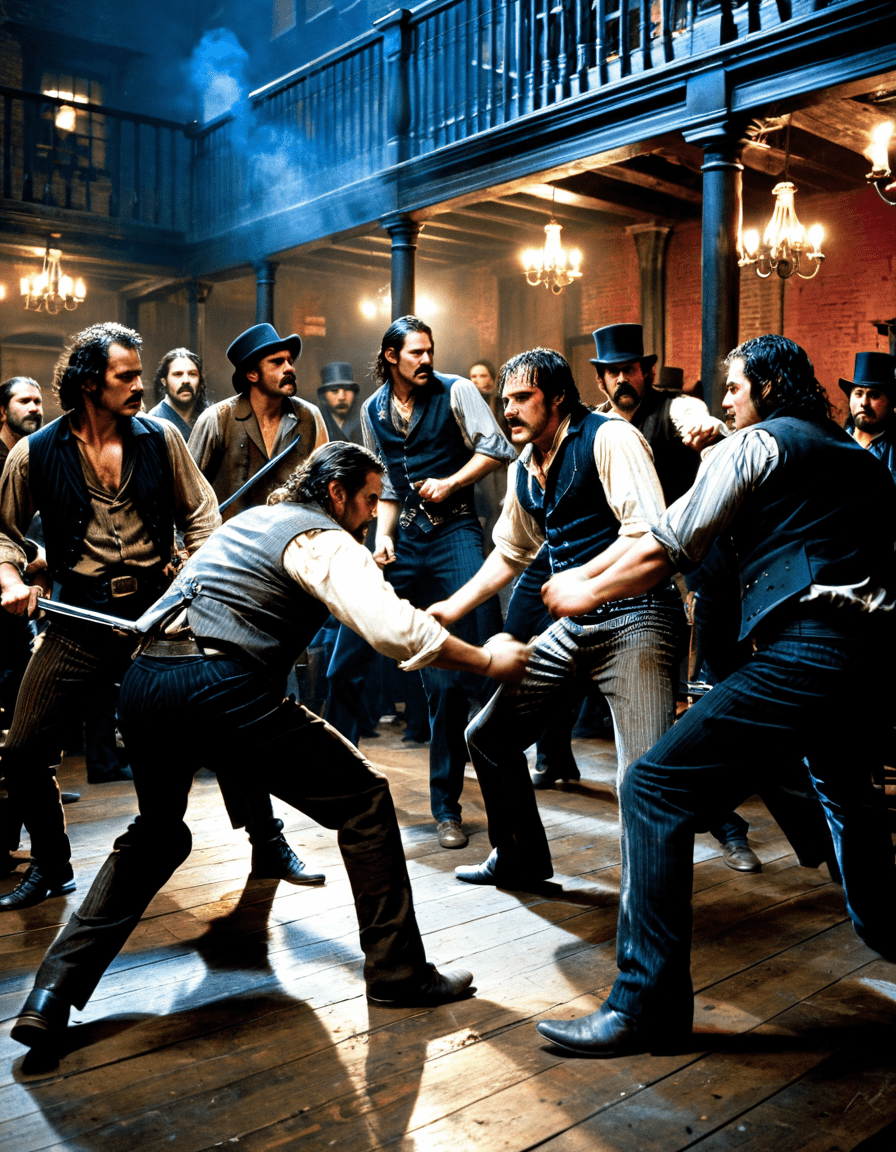
The rivalries that pulled at the seams of New York gangs have become the stuff of legend, marked by brutal street battles and bitter territorial disputes. These clashes often stemmed not solely from the pursuit of power but from a swirling mix of racial and ethnic tensions deeply ingrained in the city’s history. It wasn’t just about street corners; it was a visceral dance reflecting loyalty and betrayal, with revenge killings exacerbating the cycle of violence.
Drawing a comparison with gangs of London—like the Cray Twins against the Richardsons—shows a different flavor of rivalry. While New York gangs battled for territory and prestige partly shaped by cultural identities, London’s competition often revolved around financial stakes in the criminal underworld. Understanding these motivations reveals how cultural contexts shape gang dynamics, helping us dissect the fierce animosities that flare up in both cities.
As stories from these rivalries emerge, we find more than just tales of bloodshed; we uncover a deeper narrative woven with the threads of hope, desperation, and community. Each confrontation could have served as a catalyst for larger social dialogues, mirroring ongoing conflicts that transcend mere crime.
Legendary Stories of Gang Life: More Than Just Crime
The tales surrounding gangs of New York resonate beyond the confines of crime; they’ve seeped into the very fabric of urban folklore. Figures like Bill the Butcher from the Five Points era evolved into mythic symbols fighting against the tide of new immigrant groups. Imagine the indefatigable spirit of a man who became synonymous with resistance, his life echoing through literature and cinema, transforming him into an icon of rugged individuality.
In modern times, figures like ‘Big’ L from Harlem have transcended mere gang affiliations, shaping hip-hop culture while juggling the chaotic duality of street life and artistic expression. Their complex narratives challenge the glamorization of gang life, revealing the intricate intersections of identity and artistry at play in urban settings.
The stories paint a lively tableau, with each anecdote revealing layers of community, struggle, and aspiration. Engaging with these narratives through various media—whether film, literature, or music—highlights how the gangs of New York have engrained themselves into America’s socio-cultural landscape.
The Legacy of Gangs in New York and Their Cultural Resonance
Fast forward to the mid-2020s, and the legacy of New York’s gangs remains palpable, echoing through many cultural spheres. From thrilling movies like Gangs of New York to compelling television dramas exploring gang life dynamics, the stories persist, provoking discussions on justice and community. The piercing narratives interweaved with gang life provide valuable insights into issues relevant to urban America today.
Moreover, the evolution of these gangs—from criminal enterprises to sometimes surprisingly complex entities proactively engaging in community activism—illuminates their multifaceted existence. The duality of their influence is undeniable; while they wreak havoc, certain factions have rallied for positive change, nudging the conversation towards rehabilitation and social justice.
Understanding this legacy fosters ongoing dialogues about urban policy and societal responses to crime. It invites us, as a vibrant and unaware populace, to re-evaluate our narratives about these groups, coaxing out the nuanced realities lurking beneath simplistic perceptions. The powerful stories of old echo like dark shimmers in the light, waiting to shape new understandings of urban life.
Addressing the Future: Gangs of New York and Beyond
As we shine a light on the future, we realize the landscape of gangs, whether in New York or globally, is always shifting. New generations bring fresh ideologies and methods, evolving the very essence of gang culture. While traditional mafia-style organizations might dwindle, new forms are rising, reflecting contemporary issues—globalization, technology, and urgent social justice movements.
The ongoing dialogue surrounding gangs invites us to explore root causes, offering a pathway for societal transformation. By delving into their complex histories, understanding their cultural impact, and fostering community engagement, we can begin harnessing these stories for a renewed impetus toward positive change.
As time marches on, the lessons from the tumultuous chronicles of New York’s gangs and the broader implications for societies around the world can guide us into the next chapters of urban life and synergy. Gangs exist in a delicate balance of destruction and construction; through their lens, we can witness the raw and gritty reality of humanity itself, giving rise to deeper empathetic connections.
So, there you have it, a journey through the chaotic streets of New York. Like a Tim Burton film set against the backdrop of urban decay and revival, the story of its gangs unfolds, forever etched into the city’s vibrant history, begging us to listen and remember.
Gangs of New York: Intense Rivalries and Legendary Stories
The Gritty Beginnings
The story of gangs of New York is a whirlwind of thrill and chaos. Back in the 19th century, when the streets of New York were filled with tension and the specter of violence loomed large, names like the Bowery Boys and the Dead Rabbits painted a vivid canvas of rivalries. Did you know Marv Levy, the iconic football coach, once joked he wouldn’t trade his tough upbringing for the world? He suggested that some of those tough streets could build resilience, akin to the kind of grit showcased by characters in animated Movies. These stories illustrate how even childhood hardships can be a backdrop for legendary tales and intense rivalries.
The Electrifying Turf Wars
Battles for dominance in the ever-shifting neighborhoods led to notorious turf wars. Just like the fierce rivalries between fictionalized characters akin to Serena Van der woodsen and her foes, real-life gang leaders fought tooth and nail for respect and territory. It’s fascinating to think how these rivalries influenced New York’s culture, layering it with stories as vivid as a Kubrick film. And speaking of cinema, the power dynamics of gangs of New York have inspired countless films and tales that resonate with the creative spirit, including modern interpretations of past events.
Colorful Personalities and Legends
Let’s not forget the quirky personalities that emerged from the gangs. Figures like the glamorous Clark Gable and the entrepreneurial Jeanie Buss had their own struggles with rivalries, albeit in different circles. Just like Chelsy Davys high-profile life and how it intertwines with celebrity culture, the lives of gang members were intertwined with the city’s history. They painted the broader picture of resilience and ambition amidst chaos. It’s amazing how far these legends reached beyond their neighborhoods—much like Michael Cera’s wife, who illustrates how even the most unassuming figures can have extraordinary backstories.
There you have it! The gangs of New York tell tales that weave through time, revealing not just violence but an incredible tapestry of human experience. The unyielding atmospheres and the cultural impacts shaped generations, leading to stories that continue to thrill audiences today.