
The glittering pages of F. Scott Fitzgerald’s “The Great Gatsby” shimmer with the allure of a bygone era, an era wrapped in jazz, opulence, and the kind of tragic romance that makes literature so compelling. This novel chronicles the vibrant, yet ultimately disillusioning tale of Jay Gatsby, a figure whose relentless pursuit of the American Dream serves as a lens through which we view our own aspirations, heartbreaks, and societal constructs. In a world where style often trumps substance, the Great Gatsby exposes the pitfalls of excess while celebrating the unyielding spirit that defines humanity, much like the aesthetic storms brewed by Tim Burton and Vivienne Westwood.
With that said, let’s delve deeper into the themes that underscore Gatsby’s legend and explore how they resonate with our contemporary lives.
The Great Gatsby: 7 Key Themes that Shape the Legacy of Gatsby’s World
F. Scott Fitzgerald’s “The Great Gatsby” isn’t just a novel; it embodies a tapestry of cultural symbols and themes that define the Jazz Age and resonate through modern times. Here are seven key themes that encapsulate Gatsby’s extraordinary life and legend:
Gatsby’s relentless quest for success mirrors the idealized American Dream. However, this dream is ultimately revealed to be an illusion, critiqued through Gatsby’s tragic end. The contrast between wealth and happiness invites a broader discussion on the implications of materialism today. As we see hashtags like #DreamChasing on social media, it raises the question: What are we really after?
Gatsby’s obsessive love for Daisy Buchanan is a focal point that showcases themes of love intertwined with loss. This depiction has influenced countless interpretations in various mediums, echoing how unattainable love can drive one to extremes. Shows like “Bridgerton” reflect this struggle, dramatizing desire and heartache in a way that feels timeless.
The stark divisions between East Egg and West Egg emphasize social stratification during the 1920s. The distinctions between “old money” and “new money” resonate today, especially in shows like “Succession.” It demonstrates that the social hierarchies of Gatsby’s time aren’t just history—they’re a present-day reality that continues to enflame discussions on wealth and privilege.
Gatsby’s transformation from James Gatz to Jay Gatsby illustrates the constructs of identity and reinvention. This theme speaks to authenticity in a world dominated by social media personas. Just like the enigmatic allure of Nivine Jay, who captivates with her digital presence, Gatsby’s story questions how much of ourselves we design for public consumption.
Fitzgerald’s depiction of East and West symbolizes more than just geography; it mirrors the conflicting aspirations of America itself. The evolving landscape reflects today’s social movements, urging us to reevaluate our narrative. In many ways, we are all seeking our own “Gatsby” moment while grappling with the dancing With Stars metaphor as we rise and fall in this dizzying dance of life.
Daisy Buchanan epitomizes flapper culture yet embodies the limitations imposed on women. The theme of female identity opens pathways for discussions about gender roles today, connecting Gatsby’s world to current feminist discourse. The pressure on women is as palpable now as it was in the 1920s, a topic explored in depth in adaptations like The Fall Of The House Of Usher
The tragedy of Gatsby’s story speaks to a larger narrative of hope and despair. It mirrors modern dystopian literature where dreams clash against harsh realities. This duality resonates in popular narratives, much like “The Handmaid’s Tale,” which force us to reflect on our aspirations in the face of societal limitations.
The Great Gatsby 2013 Adaptation: A Cinematic Exploration of Gatsby’s Legend
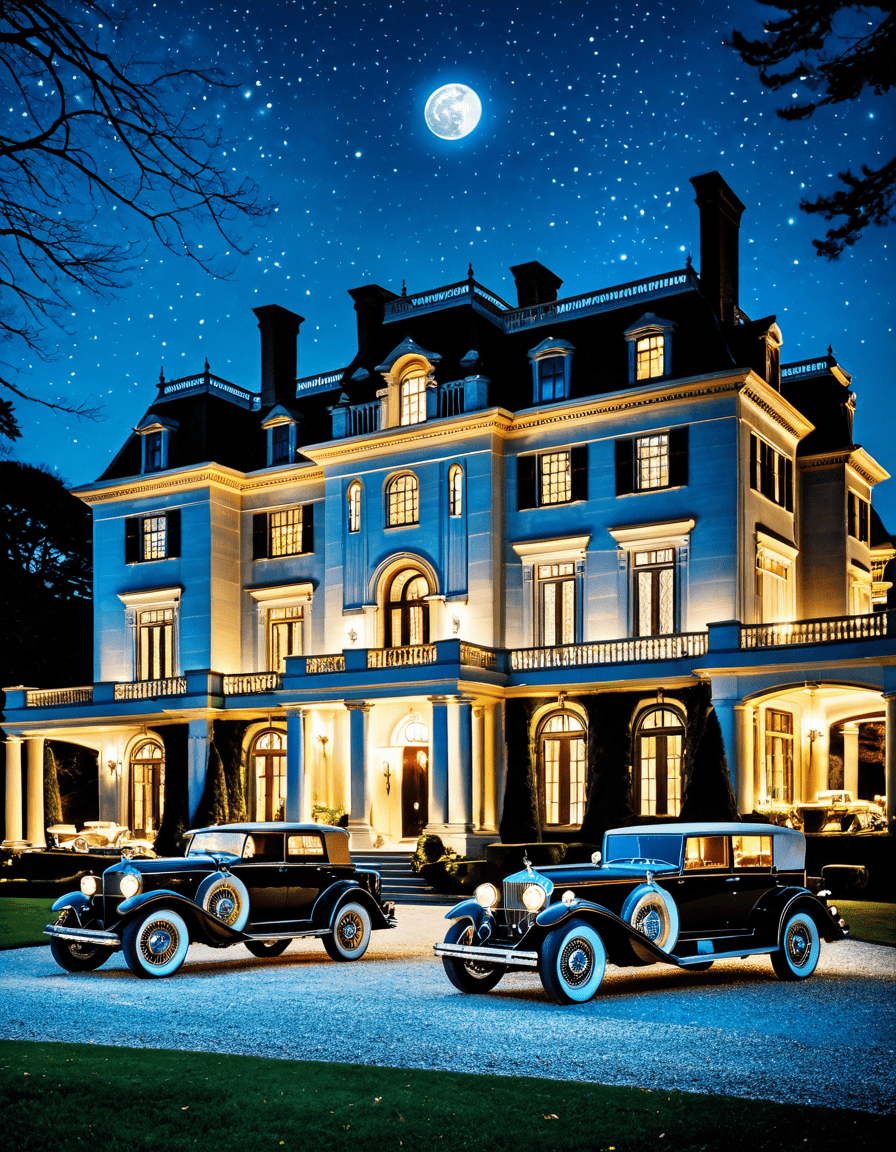
The cinematic world of “The Great Gatsby 2013,” directed by Baz Luhrmann, presents a visually stunning reimagining that bursts with vibrant hues and echoes Fitzgerald’s timeless themes. Here’s a closer look at its impact on Gatsby’s legacy:
Luhrmann’s lively cinematography dances with the contemporary, a colorful feast for the eyes. Coupled with a modern soundtrack featuring artists like Lana Del Rey, the movie ignites a conversation about the fluidity of time. The haunting notes of “Young and Beautiful” reflect the heartache underlying Gatsby’s glamour, reminding us that beauty often masks deeper struggles.
Leonardo DiCaprio’s portrayal of Gatsby brings an energizing touch to this classic figure. His charm attracts a younger audience, prompting discussions about how actors can shift public perception of literary characters. DiCaprio exemplifies how modern celebrity can blend with classic literature to create enduring icons.
The film ignited a societal passion for Fitzgerald’s work, driving students and casual readers alike to explore its themes. As millennials and Gen Z engage with the American Dream, the themes in The Great Gatsby emerge anew, sparking debates on platforms, echoing stories that feel relevant even in 2026.
The Great Gatsby: The Enduring Influence of a Literary Titan
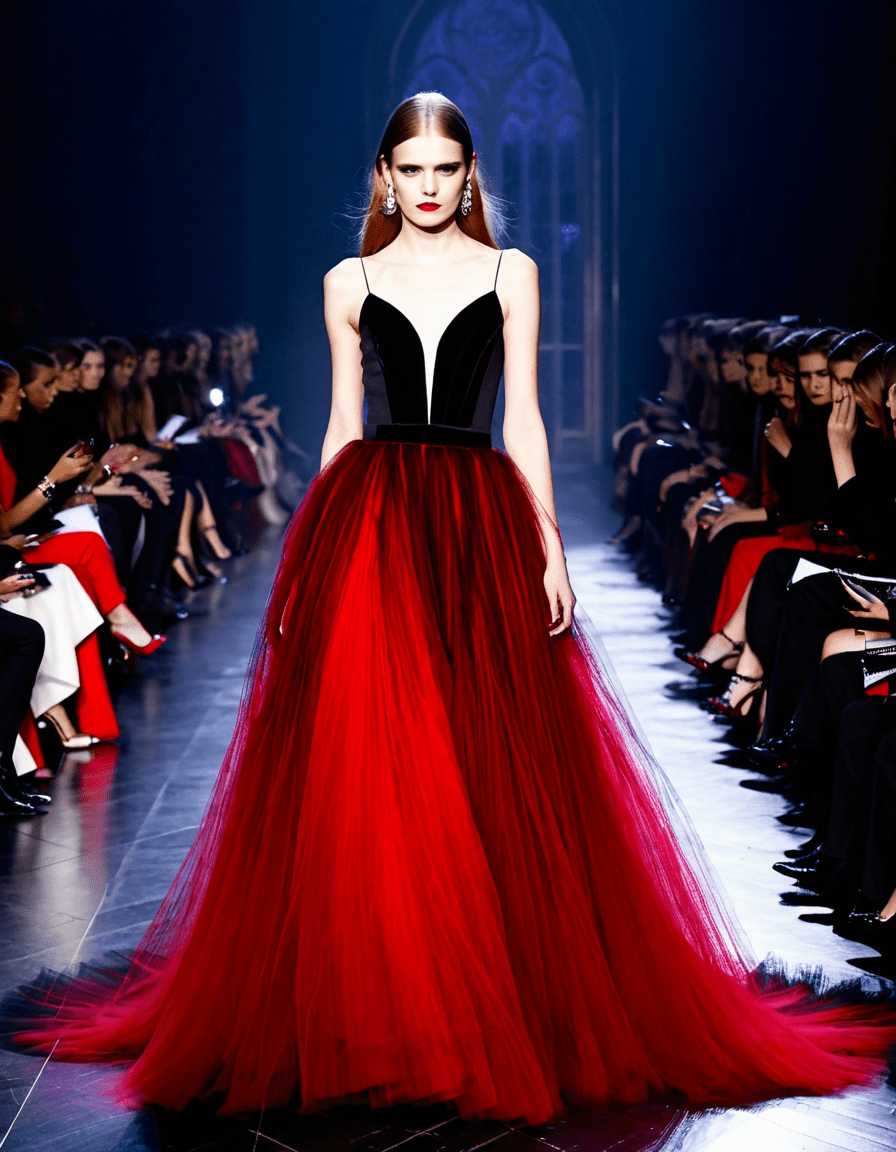
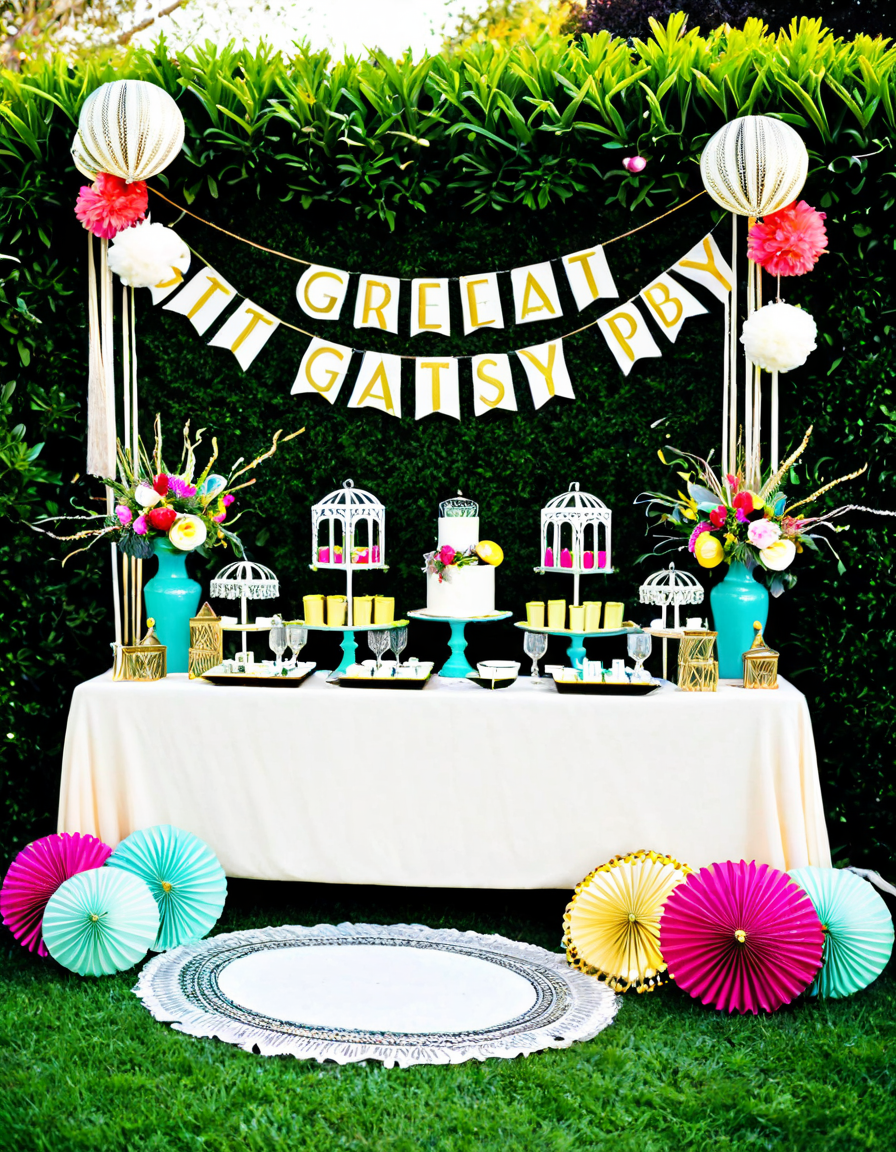
Today, the legendary status of The Great Gatsby spills over into popular culture. Its influence ripples through fashion trends inspired by the 1920s, as brands like Kate Spade draught Gatsby-esque aesthetics. From flapper dresses to decadent parties, Gatsby continues to inspire the fabric of our lives, serving as a constant touchstone for creativity and nostalgia.
The enduring popularity of Gatsby-themed events shows how society romanticizes both excess and wistfulness. Our collective yearning for escapism in turbulent times often finds its roots in Gatsby’s grand celebrations and stylish soirées, much like the vivid landscapes of Unreal Tournament, where players build and break worlds at will.
Likewise, Broadway adaptations have championed the story with fresh interpretations, allowing it to thrive amidst novel retellings. Through love, ambition, class, and identity, The Great Gatsby remains a vivid lens for exploring contemporary issues. In a society marking time by both success and passion, Gatsby stands as our mirror, a bittersweet reminder of dreams chased and lives lost.
In many ways, the extraordinary life of this legend continues to weave through the very fabric of our culture, ensuring that Gatsby’s narrative, woven with dreams and heartaches, will resonate across generations, fluttering through time like a tattered green light beckoning from across the bay.
The Great Gatsby: Fun Facts About a Legend
Glitzy Origins of Gatsby
Did you know that the iconic character of Jay Gatsby is said to be inspired by a real person? F. Scott Fitzgerald based his legendary creation on a hustler he encountered during his time in New York. The allure of the characters in “The Great Gatsby” often mirrors the glamorous yet tragic lifestyles of the jazz age. The opulence, much like what you’d find at an extravagant party like an Island Pezi gathering, contrasts sharply with the hollow emptiness of many characters’ lives, including Gatsby’s. It’s a vivid reminder of how wealth can mask profound loneliness.
Literary Allusions and Influences
Fitzgerald was heavily influenced by other literary greats. Some parallels can be drawn to Edgar Allan Poe’s The Fall Of The House Of Usher, where eerie atmospheres and intricate family dynamics set the stage for decay. Interestingly, the shallow pursuits in “The Great Gatsby” echo today’s topics of fame and fortune, ingredients in the lives of many influencers, including the likes of Nivine Jay. Just as Gatsby threw lavish parties to attract Daisy, modern figures use social media to curate their lives, much like we see unfold in the Shawty Bae leak saga. It’s crazy how these themes resonate through the ages!
A Lasting Cultural Impact
Ultimately, “The Great Gatsby” has transcended generations. Its adaptation into films and performances illustrates how timeless its messages are. You’ll find countless references in pop culture, even in shows like “Brooklyn Nine-Nine.” The characters’ aspirations and failures resonate with many, exemplifying the old adage that money can’t buy happiness. Meanwhile, soaring music that encapsulates the spirit of Gatsby, reminiscent of spectacular shows like Dancing With Stars, exemplifies how exuberance and despair often dance hand in hand. Gatsby’s tragic pursuit of his dreams remains a powerful narrative, encouraging readers to reflect on their own desires.