The camera doesn’t lie. But it can magnify silence, stretch a glance, turn breath into thunder. When Harry Styles stepped from stadium lights into the flicker of celluloid shadow, the world leaned in-not just to watch, but to dissect.
What Sparked the Curiosity Behind Harry Styles’ Film Choices?
Pop stars don’t always survive the leap to film. The stage rewards volume. The screen demands stillness. Yet something shifted when he chose roles that didn’t echo his persona-they fractured it.
There was no safety net, no nostalgic reboot to hide behind. Just raw auditions, unfiltered takes, and directors who didn’t care about sold-out tours. His choices felt less like career moves and more like exorcisms-each Character A different mask pulled from someone else’s face.
He didn’t chase blockbusters. He chased unease. Roles where desire is buried, identity is weaponized, and silence screams louder than any chorus. This wasn’t crossover vanity. It was Reinvention through Risk.
A Transition from Pop Stardom to Screen Presence
Fame arrives loud. Acting begins in quiet. The microphone hands you power. The lens strips it away-then gives you something sharper: truth.
From pop choreography to handheld close-ups, the shift demanded surrender. No backing tracks. No crowd roar to cover a misstep. Just the hum of the set, the Weight Of another person’s gaze, the terror of holding a moment too long.
He traded vocal runs for micro-expressions. A raised brow. A delayed blink. The way fingers twitch when lying. These became his new instruments-tuned not for arenas, but for intimacy.
Authenticity isn’t performed-it’s excavated. And in each role, he dug deeper, not to impress, but to disappear.
Dunkirk: A Grueling Debut That Silenced Skeptics
War films Don’t forgive. They demand grit, not glamour. No second takes when bullets fly-or when they’re implied by sound and silence alone.
His first role was nearly wordless. A soldier adrift on water, sand, and fear. No solos. No costume changes. Just survival etched into his face, frame by frame. The ocean didn’t care he was famous. Neither did the director.
He wasn’t cast for fame. He was cast for fragility-and the strength hidden beneath it. The kind that doesn’t shout, but endures.
- Minimal dialogue forced emotional precision
- Physical exhaustion mirrored real wartime trauma
- The absence of music in key scenes amplified human sound-breathing, swallowing, footsteps in retreat
Critics expected a cameo. They got a revelation. Not because he stole scenes-but because he vanished into one.
My Policeman: Navigating Repressed Desire and Period Constraints
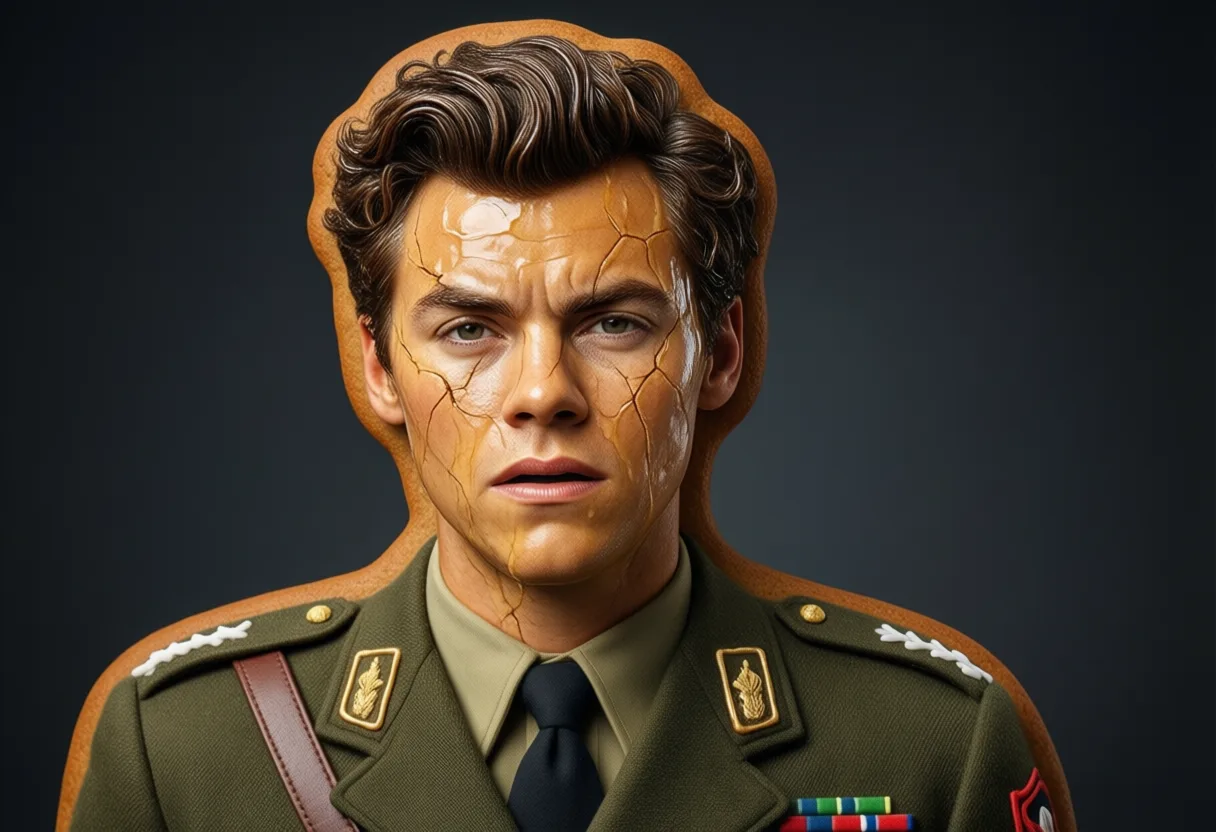
Love in black-and-white times wears a uniform. Especially when the heart beats in color.
Set in a past where longing had to be coded, hidden, punished-the role demanded restraint. Every touch too close, every glance too long, could unravel a life. He played a policeman policing himself. Duty versus desire. Law versus love.
The 1950s didn’t allow confession. So emotion lived in silences-in the way a hand hovered near a shoulder, in how a man stared at a record player as if it held answers.
- Costumes became armor: stiff collars, buttoned coats, gloves even indoors
- The modern-day framing story revealed consequences of suppression
- Emotional climax arrived not in shouting, but in a single tear during a dance
He didn’t play passion. He played its containment. And in doing so, made it burn brighter.
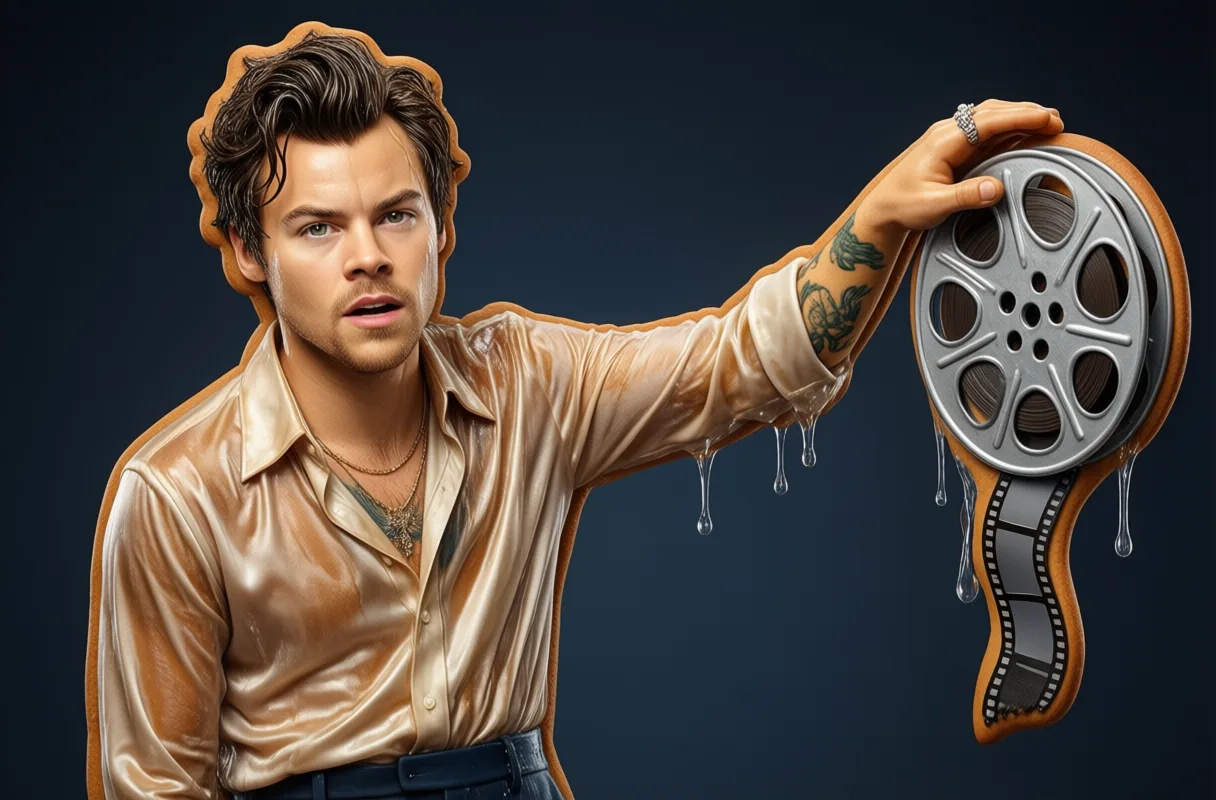
Don’t Worry Darling: Tension Beyond the Script-Style Amidst Speculation
Sunlight can be sinister. Especially when it gilds a cage.
On the surface: mid-century modern homes, crisp suits, perfect hair. Beneath: control, gaslighting, identities erased and rewritten. The film pulsed with paranoia dressed as paradise.
His performance balanced charm and ambiguity-a smile that could mean affection or manipulation. Was he protector or prison guard? Even he might not have known.
Behind the scenes, rumors swirled like desert wind. Off-screen friction fed into on-screen tension. Reality blurred with fiction. But the work remained: the slow crack in a perfect façade, the moment a husband realizes he’s acting in someone else’s script.
- Use of symmetry and color created visual unease
- Dialogue often polite, polite, Too Polite-masking rot beneath
- Final confrontation relied on stillness, not spectacle
Style didn’t wear the era. He let it wear him-until neither audience nor actor could tell where performance ended.
The Legacy of Physical Performance in Modern Roles
Today’s cinema craves presence, not just lines. The body speaks before the mouth opens.
He learned fast: posture tells history. A tilt of the head can suggest submission or defiance. How you hold a cigarette, a gun, a lover’s hand-these are confessions without words.
In each role, movement was choreographed like a different kind of song-one where rhythm came from breath, timing from tension.
- Dunkirk: the stumble of exhaustion
- My Policeman: the stiffness of internalized shame
- Don’t Worry Darling: the swagger of manufactured masculinity
Physicality is fashion for the soul. And he dressed each character in bones, not fabric.
Why the Buzz Around On-Screen Authenticity Matters
We’re tired of polish. We crave pores, flaws, the tremor in a voice when lying to yourself.
Authenticity isn’t about being “real”-it’s about being Unprotected. Letting the camera see what filters hide. That’s what makes an image last: not beauty, but vulnerability.
When a former pop icon stands bare under studio lights-no auto-tune, no crowd noise-we don’t just watch a performance. We witness transformation.
Beyond the Spotlight: How Roles Are Challenging Public Perception
The world saw heartthrob. The screen sees fracture.
Each role chips away at the idol, revealing the actor underneath-someone capable of doubt, damage, moral gray. Not redemption arcs. Not heroes. Just humans tangled in consequence.
He’s not escaping fame. He’s complicating it. Using it as camouflage to explore who he-and we-might be beneath the surface.
What Lies Ahead for Music Artists Crossing into Acting?
The path isn’t new. But the price of entry just went up.
No more walk-on roles. No more winking cameos. Audiences demand commitment-to craft, to discomfort, to disappearing.
Singers bring rhythm. But cinema demands stillness. The ones who survive aren’t those who sing loudest-but those who can stand silent, trembling, and mean it.
A Fresh Look at Career Evolution Without the Hype
Growth isn’t linear. It’s jagged. It stumbles. It backtracks.
Moving between art forms isn’t a ladder-it’s a labyrinth. Each turn reveals a new version of the self. Not better. Different.
He isn’t proving he’s more than a singer. He’s proving he’s willing to be Less-to be small, confused, uncertain, on purpose.
And in that surrender, he becomes larger than fame. Larger than genre.
Not a star. Not a symbol.
But a storyteller-frame by frame, breath by breath, vanishing into the light.
| Film | Setting | Emotional Theme | Performance Style |
|---|---|---|---|
| Dunkirk | World War II battlefield | Survival and fear | Minimal dialogue, physical endurance |
| My Policeman | 1950s England | Repressed desire and duty | Emotional restraint, subtle gestures |
| Don’t Worry Darling | 1950s-inspired dystopia | Control and identity | Charm with ambiguity, stillness |
Beyond the Spotlight: The Unexpected Turns in Harry Styles’ Film Roles
A Surprise Debut with Global Impact
Few expected Harry Styles to step into a World War II epic for his acting debut, but that’s exactly what happened. His performance in Dunkirk Marked a bold move from pop stardom to serious cinema, landing him on the front lines of Christopher Nolan’s gripping war film. Without relying on flashy dialogue, Styles held his own among seasoned actors, using subtle expressions to convey fear, determination, and camaraderie-proof that screen presence isn’t always about words.
From Battlefield to Fantasy Worlds
Stepping into the world of psychological horror and fantasy, Styles took on a very different kind of role in Don’t Worry Darling. Set in a sleek 1950s-inspired desert community hiding dark secrets, his character added layers of charm and mystery. The film sparked conversations not just for its plot twists, but for how Styles continued to challenge audience expectations. He wasn’t playing a version of himself-he was fully immersed in a tightly wound narrative where every smile felt loaded with meaning.
More Than Meets the Eye
What stands out across his film roles is a clear willingness to take risks. Whether it’s enduring physically demanding shoots or diving into emotionally complex characters, Styles approaches each project with quiet dedication. Fans may have first known him from music, but his film choices show a deliberate path toward growth-one that values storytelling over comfort. With only a few films under his belt so far, he’s already carved a space where curiosity meets credibility.
Frequently Asked Questions
What was Harry Styles' first film role?
Harry Styles made his film debut in Dunkirk, a World War II epic directed by Christopher Nolan. His role was nearly wordless and required emotional precision and physical endurance.
How did Harry Styles prepare for emotionally complex roles?
He focused on micro-expressions, posture, and physicality to convey emotion. His performances relied on stillness, subtlety, and authenticity rather than dialogue.
What themes are present in Harry Styles' film roles?
His roles explore repressed desire, identity, silence, survival, and internal conflict. Each character is marked by emotional containment and psychological depth.
How has Harry Styles' transition from music to acting been received?
Critics and audiences have responded positively, noting his commitment to craft and ability to disappear into roles. His performances have earned credibility beyond his pop stardom.
This article was produced with AI assistance. How Twisted Magazine uses AI.
Jalen covers underground music scenes and rising artists, blending sharp analysis with immersive storytelling. He dives into live shows, studio sessions, and street culture, always searching for the pulse beneath the noise and the stories that shape sonic rebellion.