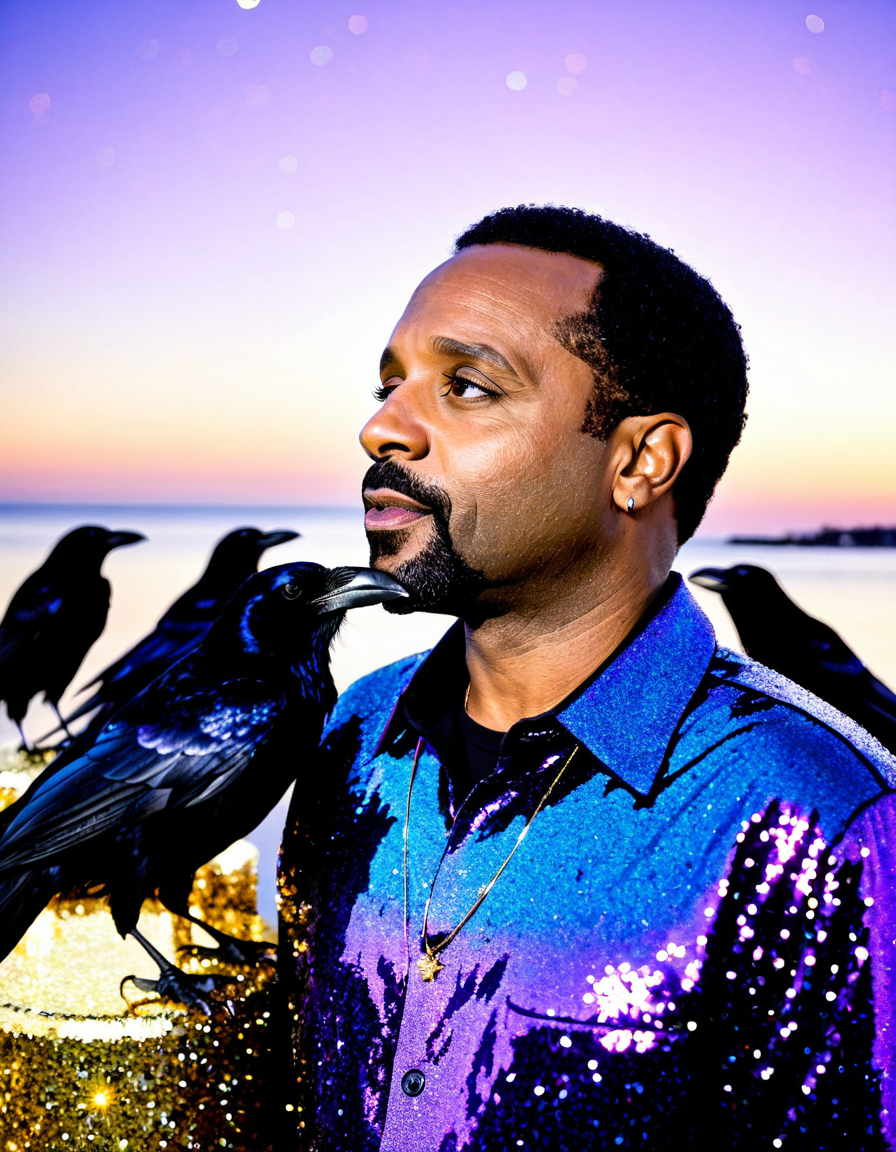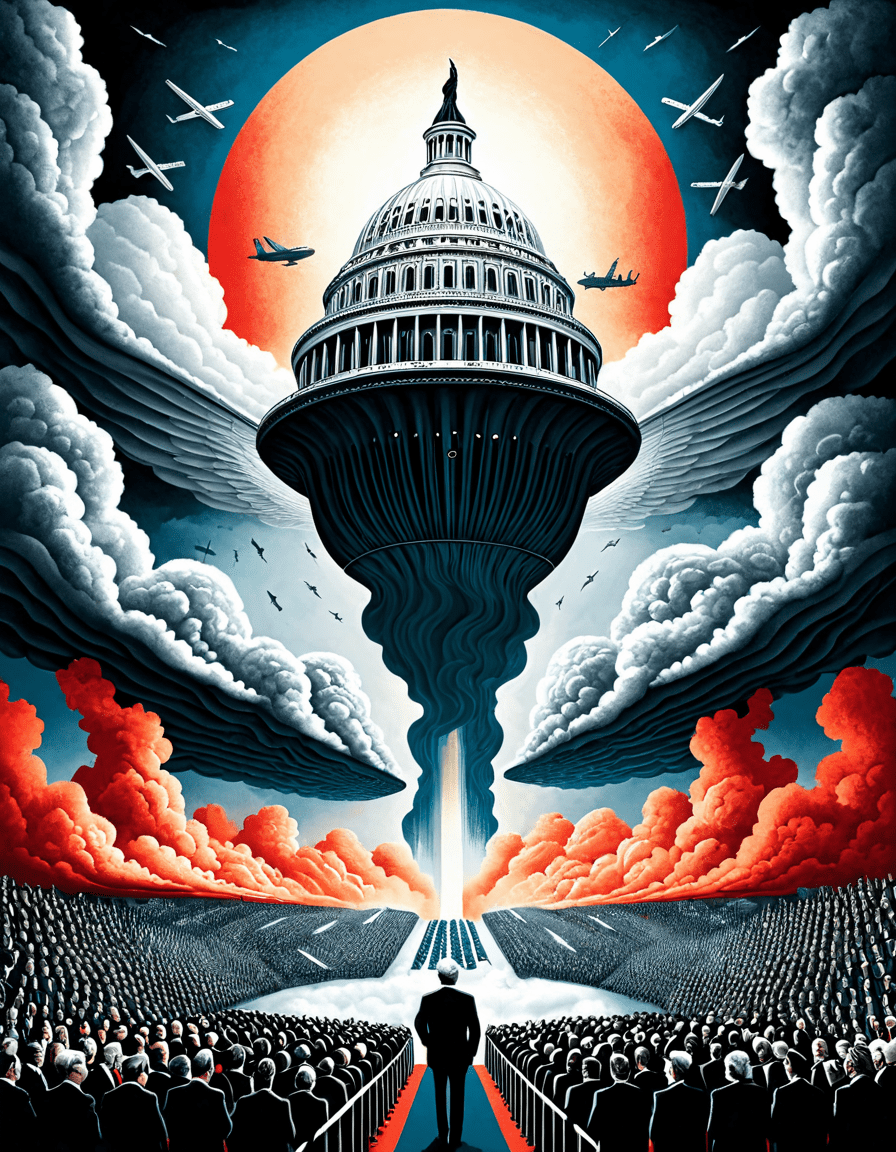
The Illuminati—word whispered in shadows, associated with sway and secrecy—has gripped imaginations for centuries. This elusive group has an uncanny knack for shaping our cultural landscape, leaving an indelible mark on politics, society, and yes, even fashion! Intertwined with conspiracy theories and pop culture, the allure of the Illuminati forces us to squint through a veil of mystery. So, fasten your seatbelts as we delve deeper into their world and explore the symbols, historical roots, and contemporary manifestations of this enigmatic force.
The Top 7 Illuminati Symbols Hidden in Plain Sight
What if you could decode secret messages hidden in the fabric of society? The Illuminati is renowned for embedding symbols into everyday life, almost like breadcrumbs, beckoning us to decipher them. Let’s peep behind the curtain and spotlight seven symbols often associated with the Illuminati.
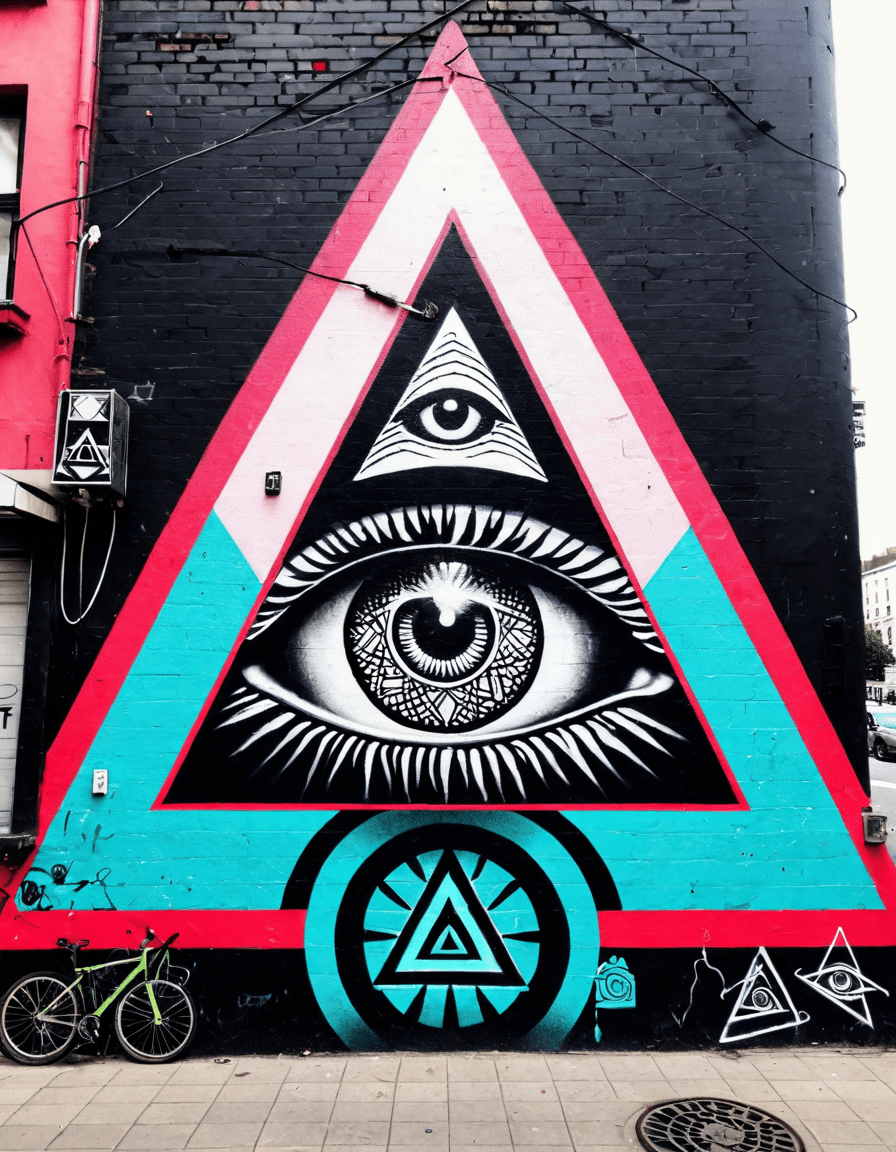
You’ve spotted it on the U.S. dollar bill—a single eye gleaming above a pyramid—an emblem that proclaims, “We’re watching you.” Often heralded as the Illuminati’s watchful lens over global events, it’s no surprise this symbol fuels countless theories about their concealed agenda.
It’s wise, graceful, and oh-so-ominous. The Owl of Minerva appears frequently in Masonic iconography and is rumored to roost at Bohemian Grove, where elite figures converge. This association raises eyebrows about what strings these puppet masters pull behind the scenes.
Gaze upon various establishments and you might catch a glimpse of this powerful image. Acting as a metaphor for hierarchical structures, many contend that it represents tiers of influence, with a privileged few perched at the summit, orchestrating a grand game.
A stark contrast from mere satanic mythos, the Baphomet symbolizes the merging of dualities—light and dark, male and female. Co-opted by various groups, its presence challenges the binary narratives touted by mainstream discourse, hinting at the complexities of belief.
Rise from the ashes, baby! The Phoenix symbolizes rebirth and transformation, showcasing its feathered crown in corporate branding and political rhetoric alike. Be it in revamped film franchises or shifting political ideologies, this symbol echoes throughout time with a song of renewal.
Ah yes, one of the oldest symbols of temptation, representing a snake-like wisdom swirling in culture and religion. Spot it lurking in commercial logos or artworks; even giants like Coca-Cola dabble in serpentine graphics, spinning tales that echo deeper meanings.
Deceit has never looked so gnarly. While not your everyday symbol, the forked tongue hints at manipulation and the duplicitous nature of power players. Politicians—those slipperiest of creatures—often embody this imagery with their ever-shifting narratives.
The Illuminati’s Historic Ties with Pompeii
Journeying further into history, we find an intriguing connection between the Illuminati and the ancient city of Pompeii. This archaeological gem, frozen in time beneath volcanic ash, speaks volumes about socio-political dominance and cultural narratives.
Just as Pompeii baffled scientists with its perfect preservation, the Illuminati aims to fortify specific societal structures amid tumultuous changes. Much like the ash wrapped around Pompeii’s ruins, some believe their grip on power remains steadfast despite civilization’s evolution.
Pompeii offered opulence aplenty—from lavish villas to communal baths—serving as a mirror reflecting contemporary gatherings of the wealthy and influential. The debauchery of yore resembles our modern-day luxury soirées, continually raising eyebrows about who really leads the charge.
The frescoes and mosaics scattered throughout Pompeii echo themes of mythology and power. These remnants, much like the symbols linked to the Illuminati, continue to infiltrate our today’s visual landscape—from high fashion to avant-garde media. They cast a long shadow on how art shapes and mirrors societal influences.
Illuminati Influence: Modern-Day Examples
To peel back the layers of the Illuminati’s contemporary influence, we must scrutinize various sectors capturing their mysterious essence.
Think celebrities like Jay-Z and Beyoncé—names that ignite rumors of Illuminati ties. Their performances often flaunt occult imagery, especially the elusive “All-Seeing Eye,” prompting fans to ponder if they’re merely pawns in a grand game or the architects of their fate.
Politicians frequently believe in packaging messages infused with powerful symbolism. Take former U.S. President Barack Obama and the slogan “Change we can believe in.” It’s fascinating how such rhetoric manipulates public perception and nudges masses toward specific ideologies potentially tied to those shadowy elites.
Take a whiff of branding like Apple’s logo—the apple, a nod to forbidden knowledge, doesn’t merely tempt the consumer; it also ignites curiosity about deeper connections. Are tech giants akin to the Illuminati, stealthily steering the masses? The questions spiral into a conversation about our Role in this dizzying dance.

Final Thoughts: The Unending Allure of Secrecy
The hunger for understanding the Illuminati speaks to humanity’s yearning for control over our realities. The overlap between ancient artifacts like those in Pompeii and today’s power dynamics leaves us craving knowledge and context. Mysterious groups like the Illuminati provoke reflection on how we govern ourselves in a world where symbols wield such profound influence.
Are we the puppets or the puppeteers? While the allure of the Illuminati dangles in front of us, continually captivating minds, remember that curiosity fuels further exploration and understanding. The quest for truth remains potent, nudging us to reckon with not just the shadows of the Illuminati but reflect on how we engage with the narratives around us. Are we ready to peel back the layers, or will we stay satisfied in the dark?
From the whispers of old to the blaring headlines of today, the illuminating tale of the Illuminati is a vivid reminder of power’s perils and the intricate dance of secrecy in our lives. The potential to unlock these mysteries lies within us; let’s wade through the shadows and redefine what it means to question the status quo.
Illuminati: Secrets Behind Their Mysterious Influence
The Secret Society Uncovered
Ah, the illuminati—just hearing the name brings to mind shadowy figures and whispered conspiracies. But did you know this group originally started as a Bavarian secret society in 1776, focusing on Enlightenment ideals? They were all about seeking knowledge and challenging the political and religious norms of their time. Strange as it may sound, some believe that the influence of the illuminati can be traced through popular culture, like how their themes inspired characters in movies such as the Jack Reacher jack reacher jack reacher series, captivating audiences through thrill and mystery, making us yearn for more.
Interestingly, public figures can be linked to the illuminati narrative, whether they realize it or not. For instance, iconic intellectuals like Noam Chomsky offer critiques that align with the group’s original mission of questioning authority and power structures. Meanwhile, today’s rising stars, like Zoey Deutch, often find themselves navigating these layered narratives as they skyrocket in Hollywood, providing entertainment that’s rich in social commentary. So, whether you’re flipping through Zoey Deutch Movies or reflecting on old-school Chomsky texts, the echoes of illuminati’s influence are everywhere!
The Theories and Misinterpretations
Of course, with all this intrigue comes a healthy dose of speculation. One quirky fact about the illuminati is their alleged control over world leaders and events, painted as puppet masters in conspiracy theories. Nevertheless, it’s fascinating how these theories can spiral into pop culture phenomena so quickly—ever heard of the conspiracy that connects the illuminati to the King of Kings? It’s wild how such narratives evolve, shaping perceptions not grounded in actual evidence. They even connect modern financial transactions, like converting 1000 yen To Usd, to illuminati’s supposed financial empire, blurring the lines between reality and fiction.
Amidst all the sensational claims, some individuals boldly step into the public eye to shed light on these myths. Take Neil Flynn, who humorously plays with typical conspiracy tropes, creating an engaging discussion around misinformation and public hysteria. It’s these conversations that resonate with audiences and challenge us to rethink our understanding. So next time you hear gossip about the illuminati, have a chuckle and remind yourself that sometimes, fact is stranger than fiction!