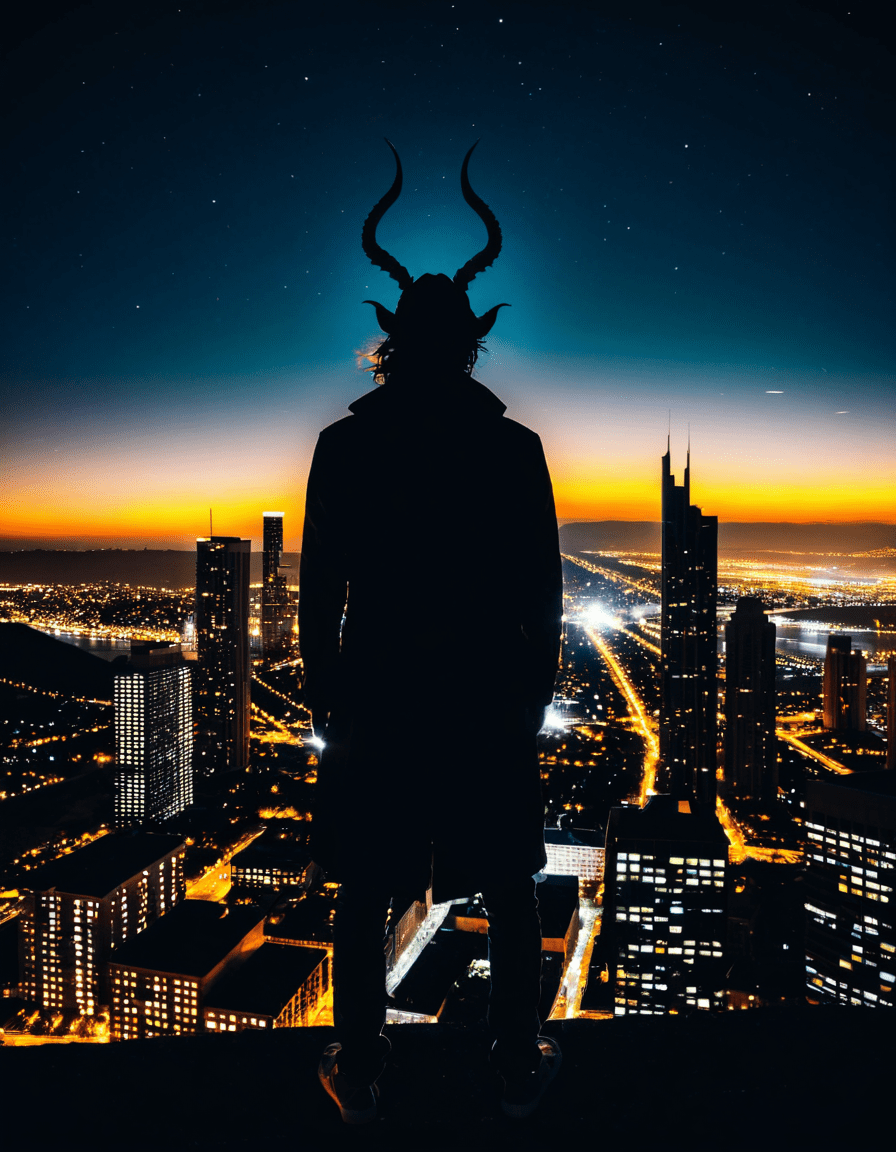
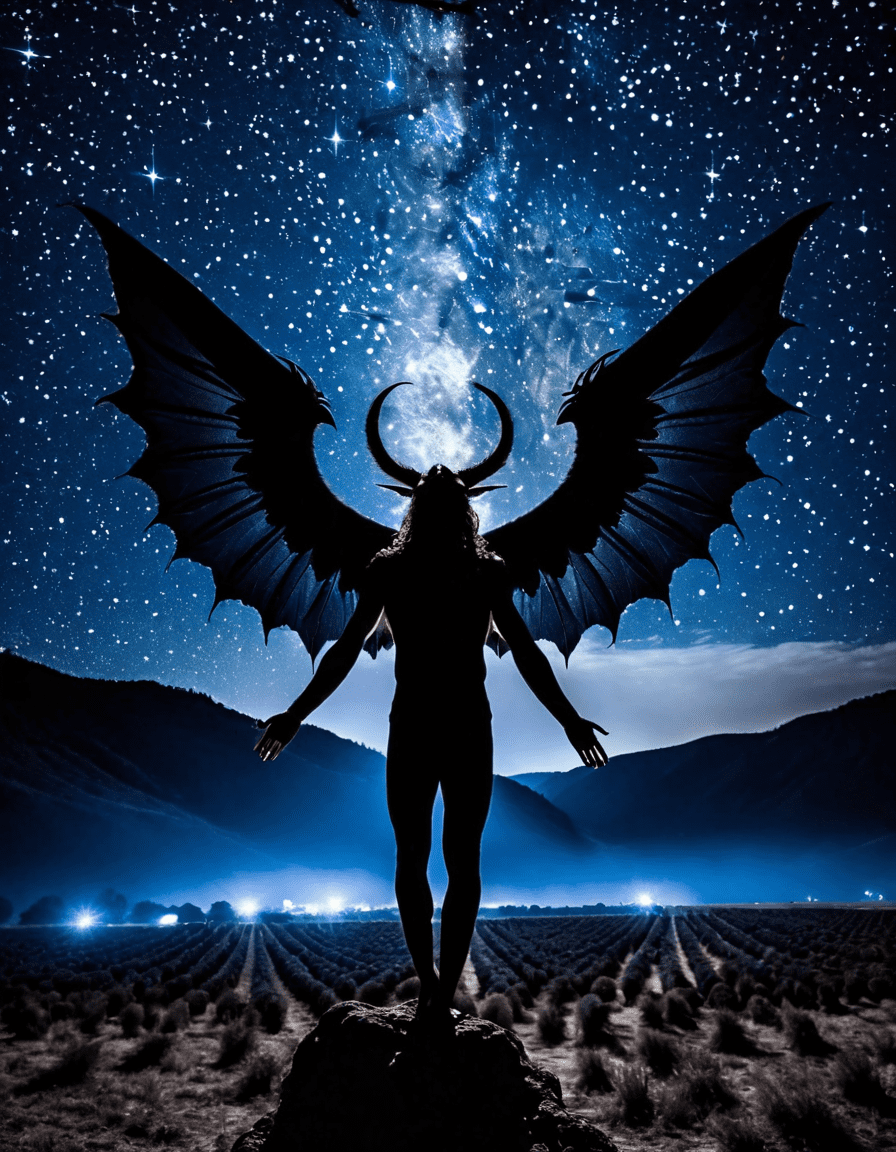
When darkness creeps in and the moon casts its hypnotic glow, the incubus lurks, whispering secrets of passion and temptation. This enigmatic figure has captivated us for centuries, drifting through our dreams and desires. Traditionally take on a male form, the incubus embodies our most primal urges, stepping out from the shadows of folklore and into the limelight of modern storytelling. From tales etched in ancient scripts to contemporary cinema, the incubus serves as a mirror reflecting society’s complex relationship with sexuality and longing.
The Archetype of the Incubus: Origins and Mythology
The incubus finds its roots steeped in myths that span various cultures. First appearing in ancient Mesopotamia, these demons were depicted as seductive figures that haunted women’s dreams while they lay in slumber. Greek mythology whispers of figures like Lilith, who, according to lore, was Adam’s first wife before she transformed into a dark spirit, often interlinked with the incubus archetype. These narratives reveal a significant cultural significance surrounding female desire and autonomy, touching on fears deeply embedded in our psyche.
During the medieval period, scholarly texts like the “Malleus Maleficarum” reinforced the incubus’s connection to witchcraft, labeling it an agent of temptation capable of controlling women’s dreams. With such power over one’s subconscious, the incubus morphs into a symbol of anxiety regarding female sexuality and empowerment. Really, it’s a bit of a paradox, wouldn’t you say? On one hand, it’s a frightful specter; on the other, it embodies forbidden desires, drawing out the duality of human nature.

Comparative Insights: Incubus vs. Succubus
If you think the succubus is merely the female counterpart of the incubus, it’s time to dig deeper. While both share origins in seduction and manipulation, the distinctions are fascinating. The incubus targets women, while the succubus preys on men, revealing societal dynamics surrounding gender and power. Contemporary media illustrates these archetypes vividly.
Take HBO’s “True Blood,” for instance, where the character of Lilith emerges as both succubus and incubus, embodying fluidity in desire. By examining these tales, we see how cultures interpret sexual empowerment differently. For example, in Eastern traditions, the succubus often represents damnation, while Western cultures may see it as a source of liberation. This divergence invites a conversation about how our interpretations of desire have evolved over time.
Modern Depictions of the Incubus: From Horror to Romance
The influence of the incubus has shifted dramatically in modern depictions. Once a malevolent entity, it now often appears as a romantic hero. Consider Dani Lane’s “The Black Witch,” where the incubus refines its persona, straddling the line between temptation and romance. Similarly, Laurell K. Hamilton’s “A Kiss of Shadows” presents an incubus as a multilayered character, navigating love and lust against a backdrop of supernatural chaos.
These narratives challenge traditional notions of consent and desire, creating space for deeper dialogues. They encourage the exploration of what consent means in the fantasy world. When one surrenders to an incubus, is it mere submission, or is it an act of reclaiming sexual agency? The nuances presented in these modern tales provide a refreshing perspective on the age-old archetype, igniting discussions that resonate in our contemporary understanding of relationships.

Meru the Succubus: A Case Study in Modern Interpretations
In the vibrant realm of digital culture, Meru the Succubus stands out as a powerful entity, representing a new wave of female empowerment. This graphic novel showcases Meru as a figure who defies traditional gender roles, subverting expectations—talk about groundbreaking! Through her character, the narrative dives into themes of sexual autonomy and self-discovery.
Fans have embraced Meru, engaging in discussions across social media platforms that reflect changing attitudes towards seduction and identity. The conversations surrounding Meru illuminate how modern narratives evolve in response to societal pressures, creating a dynamic where fan interpretations shape the portrayal of incubi and succubi. It’s fascinating how this digital world fosters dialogues around sexuality, consent, and the rights of individuals over their bodies and desires.
The Psychology of the Incubus Experience
Delving into the psyche reveals a rich tapestry woven from our experiences with the incubus. Often reported as a nightmarish encounter, these experiences can feel surreal, leading to discussions on sleep paralysis. Many individuals describe their encounters with the incubus echoing fears tied to sexuality and vulnerability.
Psychologists specializing in dreams suggest these experiences could echo the duality of desire and fear. As the Journal of Sleep Research highlights, there’s a disparity in how individuals recall these encounters. The fear is palpable, yet the longing may emerge, demonstrating our intricate relationship with our subconscious. What does it mean when one dreams of a seducer while entangled in the throes of fear? This delicate balance adds yet another layer to the enigma of the incubus.
Cultural Significance and Impact: From Folklore to Pop Culture
The cultural significance of the incubus stretches far and wide. It has woven itself into the fabric of storytelling, from Neil Gaiman’s imaginative narratives to the thrilling arcs of “Supernatural.” These representations reflect broader themes surrounding taboo and desire—how societies address male desire and the fear of feminine power.
Not only does the incubus figure influence literature and film, but it also permeates visual arts, embodying the tension between danger and allure. Think of classic artwork, where figures are often depicted wrapped in lavish fabrics, simultaneously inviting and imposing. Each stroke hints at the dual nature of desire, revealing an intricate dialogue between the viewer and the subject.
Innovative Wrap-Up
Throughout history, the incubus has morphed from a fearsome demon to a complex cultural icon navigating themes of desire and consent. As modern societies grapple with these themes, the incubus reflects deep-seated fears and desires that still resonate today. This being challenges us to rethink our perceptions, urging a reevaluation of human relationships in our contemporary world.
Whether embodied in myth or modern storytelling, the incubus captivates and provokes thought, revealing not just who we are but also who we aspire to be. As we embrace a nuanced understanding of these figures, the incubus serves as a timeless reminder of our intricately woven desires and the power dynamics that shape them. Embrace the shadows, for they house the secrets of our deepest passions.
Incubus: The Mysterious Creature of Nighttime Desires
The Origins of the Incubus Legend
The incubus is steeped in folklore, with its origins dating back to medieval Europe. These male demons were rumored to invade the dreams of sleeping women, leaving them with feelings of pleasure and unease. Interestingly, similar creatures can be found in various cultures, each with their own twist—like the night terrors of the ancient Greeks. As you explore the history of the incubus, you might also stumble upon other enchanting tales, such as the whimsical adventures of Nemo, who captured hearts in more ways than one.
Incubus vs. Reality: What’s True?
As captivating as the legend of the incubus is, reality often paints a different picture. Sleep paralysis, for instance, can cause the sensation of a weight on one’s chest during the night, leading many to believe they’ve encountered an incubus. Additionally, the intersection of sleep disorders and culture reveals how deeply our fears are rooted in societal myths—some what akin to how one might marvel at an inexplicable, artistic performance from Andy Kaufman. Fascination with these nighttime creatures lingers in pop culture too. Just as films like Beetlejuice weave together horror and humor, our collective fascination with the incubus remains strong.
Modern Interpretations and Cultural References
In a modern twist, the incubus has resurfaced in movies, music, and TV shows, adding a new layer to its mystique. From the haunting lyrics of Alanis Morissette that echo feelings of sorrow and longing to the superhero antics of She Hulk, the incubus motif often symbolizes desires and fears lurking just beneath the surface. Let’s not forget the odd connection to something like the snow crab, their protective shells contrasting the vulnerability of those dreaming of such tantalizing beings. Today, whether you’re chasing dreams or just curious about the old tales, the legend of the incubus continues to captivate.