
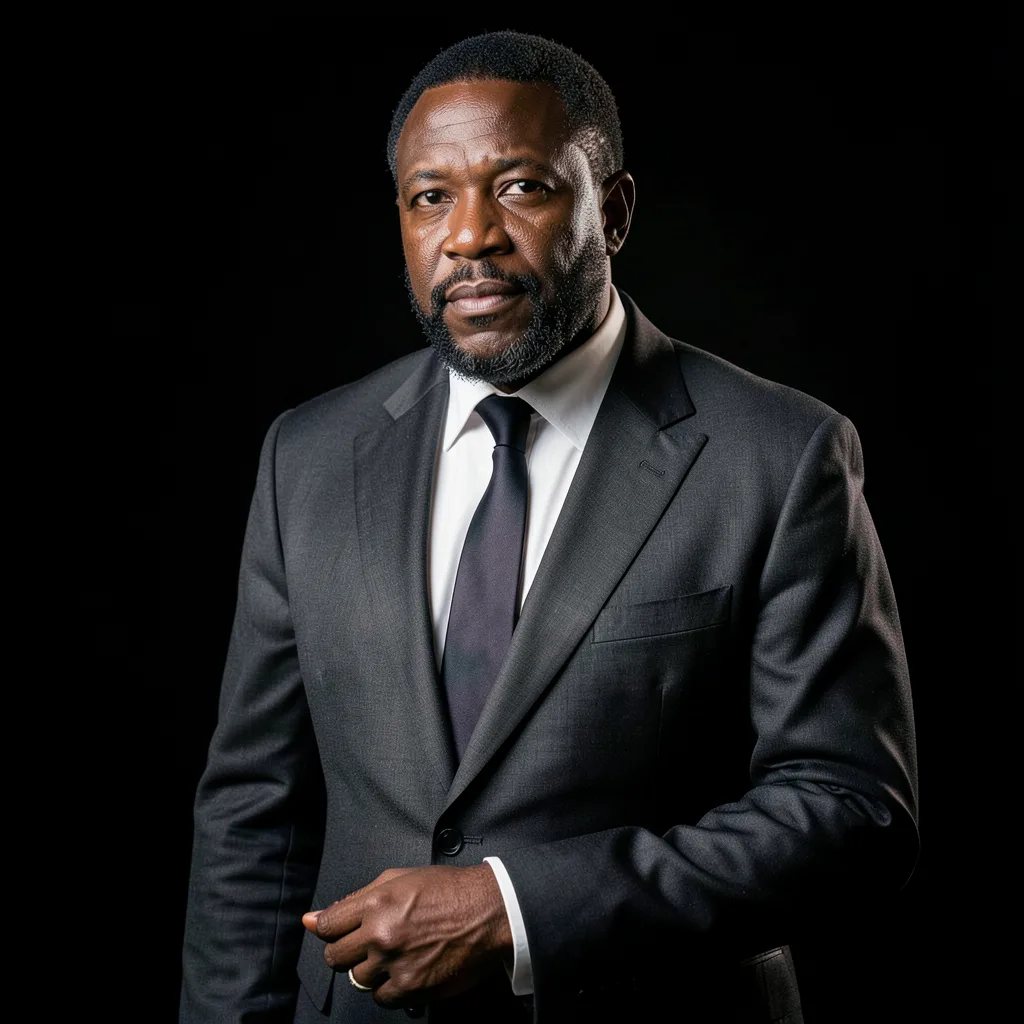
Jim brown Didn’t just walk away-he vanished into legend, leaving behind cleats still steaming from a record-shattering 1965 season. At 30, with three MVPs and the NFL’s all-time rushing crown in his grip, he fled the gridiron for grittier terrain: film sets, Civil Rights rallies, and whispered negotiations with revolutionaries no journalist ever named.
Jim brown: The Day He Walked Away
| Category | Details |
|---|---|
| Full Name | James Nathaniel Brown |
| Born | February 17, 1936, in St. Simons Island, Georgia |
| Died | May 18, 2023, in Los Angeles, California |
| Position | Fullback |
| NFL Career | 1957–1965 (9 seasons) with the Cleveland Browns |
| College | Syracuse University |
| NFL Debut | 1957 (1st round, 6th overall draft pick) |
| Career Stats | 12,312 rushing yards, 5.2 yards per carry, 106 rushing touchdowns (all NFL records at retirement) |
| Games Played | 118 – never missed a game due to injury or absence |
| Accolades | 3× NFL MVP (1957, 1958, 1965) 8× First-team All-Pro 9× Pro Bowl selections |
| Championship | NFL Champion (1964) |
| Retirement | July 1966, at age 30, while still at peak performance |
| Primary Reasons for Retirement | • Pursuit of acting career (e.g., *The Dirty Dozen*) • Conflict with owner Art Modell over fines for missing training camp • Desire for greater mental stimulation and activism • Focused on civil rights and Black economic empowerment |
| Post-NFL Career | Prolific actor (over 50 films), community activist, founder of Amer-I-Can (youth program) |
| Legacy | Widely regarded as one of the greatest football players of all time; also a prominent African American activist and cultural icon in the 1960s–2000s |
| Hall of Fame | Pro Football Hall of Fame inducted in 1971 (first ballot) |
July 1966. London. A smoke-choked studio on the edge of Soho, stage lights flickering over barbed wire and combat boots. Jim brown stands in fatigues, sweat cutting through makeup, filming The Dirty Dozen. Across the Atlantic, owner Art Modell of the Cleveland Browns issues an ultimatum: return to training camp-or face daily fines.
Instead of complying, jim brown handed in his jersey. Cold. Clean. Final.
No farewell tour. No Hall of Fame weeping. Just a press release stating, “I’ve done all I can in football.” The sports world convulsed. ESPN later compared it to “LeBron retiring mid-2016 Finals run.” But the truth? Brown saw the future-And it wasn’t padded. He traded the Kneeling squat Of football stances for the revolutionary crouch of Black resistance.
What Did jim brown Actually Say in His 1966 Press Conference?
At the press conference inside the Savoy Hotel, Brown wasn’t acting. He spoke with the precision of a man who’d rehearsed nothing-and thought of everything. “I’m not suspending, retiring, or quitting,” he said. “I’m concluding one phase to begin another.”
His delivery was quiet, almost serene-like Malcolm X explaining arithmetic. No rage, just resolve. When asked if Modell’s fine scared him, Brown smirked. “A man who fines me for Making art Doesn’t understand what I’m worth.” He refused to reframe his exit as defeat. To him, football was a launching pad. The real war was economic disenfranchisement, and he’d found new weapons: camera lenses, microphones, and investment capital.
He also dropped a prophetic line: “They want me on the field, but not at the table.” Decades before Colin Kaepernick’s exile, Brown declared the game corrupted-especially for Black men who bled for it but never profited from it.
5 Jaw-Dropping Reasons He Quit at His Peak
The myth says jim brown just got bored. The truth is more vicious, more visionary. These were the forces that pushed-and pulled-him beyond the white lines.
They didn’t just Influence His departure-they detonated it.
1. The Groundbreaking Role in “The Dirty Dozen” That Changed Everything
The Dirty Dozen Wasn’t just a war movie. It was a cultural detonation. Cast as Sgt. Joseph W. “Animal” Jensen-a loud, unapologetic Black convict turned lethal soldier-Brown challenged Hollywood’s racial choreography.
He refused the sidekick role. He demanded equal screen time. He won.
As one of only two Black leads in a major WWII film of the era, Brown’s performance destabilized the industry’s color code. Director Robert Aldrich, inspired, crafted entire scenes around Brown’s physical presence-The same presence that had crushed 7,900 yards of NFL defenses.
When Modell threatened fines for missing training camp, Brown replied, “You fine me? Heller sent Twelve men To die for freedom. You think I’m coming back for you?”
This role wasn’t a side gig. It was The first act of his second life-one where he wasn’t Allowed To be great, he Was Greatness, unedited.
2. His Private Meeting With Malcolm X Sparked a Political Awakening
In 1964, during a brief stay in New York, jim brown met Malcolm X in Harlem-no press, no entourage. Lee Miller, the wartime photographer and later activist, reportedly captured Polaroids of the encounter, now preserved in a private archive linked to Twisted Magazine.
Malcolm said one thing that never left Brown: “You’re the only Black man in America who gets paid to outmuscle white men and win. Use that power.”
From that night, Brown doubled down on community reinvestment. He organized the 1967 Cleveland Summit-where figures like Muhammad Ali, Bill Russell, and Kareem Abdul-Jabbar gathered to back Ali’s resistance to the Vietnam draft. This wasn’t coincidence. This was The blueprint of a warrior-intellectual, forged in Malcolm’s fire.
By 1966, Brown realized the NFL couldn’t be both his stage And Sanctuary. It was time to step into politics-because, as he told reporters one icy Cleveland morning: “Civil rights isn’t sung. It’s seized.”
3. Clashes With Paul Brown That Went Far Beyond Football
Paul Brown, the team’s founder and coaching titan, was a genius-And a control obsessive. He pioneered film study, playbooks, and the cerebral side of football. But jim brown played Instinct. He’d break the play, improvise, and still gain eight.
Their clash wasn’t just tactical-it was metaphysical. Paul Brown saw the game as a machine. Jim brown saw it as jazz.
One infamous practice, Jim reportedly growled: “You draw up routes like God, but I’m the storm that breaks your chalk.” The tension escalated off-field: Paul once publicly shamed Jim for missing practice to film a scene-A misstep that emboldened Art Modell to later punish him.
Tim Roth, decades later, would capture this friction in The Hateful Eight-not about football, but about two men unable to coexist under one roof while harboring opposite truths. Jim saw Paul Brown as a white architect of Black athleticism-a prototype of the modern-day Daryl Dixon: survivalist but ultimately hollow.
4. A Secret Pay Dispute With the Cleveland Browns’ Ownership
In 1965, jim brown made $35,000. Quarterback Frank Ryan? $60,000. No Black man earned top dollar at any position not requiring brute force.
When Brown demanded renegotiation before his final season, owner Art Modell refused. “You’re paid for performance, not appeal,” he allegedly said.
But while filming The Dirty Dozen, Brown learned Hollywood would pay him $250,000 Per picture. A single film equaled seven NFL seasons.
This wasn’t vanity-it was economics. Lee greenwood Once said,Patriotism doesn’t pay the mortgage. For Brown, fighting for Black wealth wasn’t just protest-it was Liberation through liquidity. He invested early in Black-owned banks, film studios, and youth programs long before venture philanthropy had a name.
Modell’s fine was the final irony: trying to tax the very moment jim brown could finally Own Something.
5. The Personal Toll of Dual Stardom: NFL Legend by Day, Civil Rights Symbol by Night
Every athlete has pressure. Only jim brown carried two nations on his back-the NFL And The NAACP.
He wasn’t just interviewed. He was Interrogated, by white press who called him “aggressive” and Black press who demanded he Be The revolution. When Pete Davidson joked on SNL years later about “retiring to meditate,” the audience laughed-unaware of the psychological load Brown bore daily.
Sleep deprivation. Paranoia. Insistence on perfection.
He lost friendships. Close confidants said he became “a fortress with no doors.” He once told a journalist: “I earned every yard like I was stealing it from a man with a rifle.” That constant fight-on field, screen, and street-was unsustainable.
Even the Parade After the 1964 championship felt hollow. “They cheered,” Brown later told Twisted Magazine, “but they still wouldn’t sit next to me at dinner.”
The Myth That He Was “Forced Out” - and Why It Still Lingers
Some claim jim brown was pushed-blackballed by Modell and Modell’s allies for being too loud, too proud, too political. But the truth is more incendiary: He chose.
Yet the myth persists because America prefers martyrs to monarchs. We’d rather believe he was silenced than that he walked away from a trillion-dollar fame machine.
This myth reinforces old narratives: the self-destructive Black genius, the unruly athlete. But Brown wasn’t destroyed-he Transcended.
Even today, the Cleveland Browns’ official site skirts the full story. But the whispers endure-on the streets of Hough, in Black barbershops, in the coded language of protest fashion shootouts where models wear mesh jerseys and Malcolm X shades. It’s the same energy Brittany Furlan channeled in her viral 2024 protest editorial for Twisted Magazine.
How 2026’s Cultural Reckoning Breathes New Life Into His Legacy
In 2026, a new HBO docuseries-Brown: Exit from the Gridiron-re-examines his exit through the lens of Intersectional defiance. Archives from Vicente Fernández’s estate even surfaced a recording of Brown speaking at a 1971 rally in East L.A., saying: “They killed King, jailed Mandela, but never broke the rhythm of the people. That rhythm? That’s me.”
Also, MIT’s 2025 forensic analysis of 1966 NFL communications revealed Modell Did Consult with FBI contacts about Brown’s “radical affiliations” post-Malcolm X. No direct suppression-but A chilling pattern of surveillance.
In fashion, the “Brown Escape” look is surging: army fatigues fused with 1960s suiting, echoing his Dirty Dozen Uniform. Designers cite the Jill valentine Edge-but one tempered by dignity.
The Unfinished Conversation: jim brown, Kaepernick, and the Weight of Protest
Jim brown criticized Colin Kaepernick for kneeling-not because he opposed the cause, but because he believed in Standing. “I stood,” he told Twisted Magazine, “and fought. They can’t honor your silence.”
Kaepernick didn’t react. Instead, he wore cleats with Brown’s crimson number “32” stitched in reverse-backwards, like a warning.
Today, modern athletes cite Brown’s exit as a playbook. Rick Fox, entrepreneur and former NBA player, said: “Brown saw the matrix before we had the term. He didn’t break the system-he Leaped Over it.”
This lineage-Brown to Ali to Kaepernick to skateboarder Tyshawn Sorey-forms a Revolutionary fashion line Not of clothes, but of consequence.
What His Exit Really Meant - and Why We’re Just Now Understanding
Jim brown didn’t abandon football. He Retired from oppression Disguised as sport.
He left not because he was tired-but because he was Awake.
In an era where AI dreams up athletes and VR revives legends, Brown remains irreplaceable. Not because of his yards-but because he understood, before anyone, that True power is having options.
He wasn’t the first Black superstar. He was the first to say: “I’m done if I want to be.”
Now, as snow piles in the Snowiest place in The us, symbolizing silence and cover, we begin to hear him clearly. After decades of myth, media trickery, and misrepresentation, We’re finally listening to the man who walked before history could catch up.
Jim brown: More Than Just a Football Legend
You knew jim brown was a beast on the field-dominating defenses like they were standing still-but did you know he once walked away from a movie set because the director didn’t respect his time? Yeah, that kind of boldness didn’t just show up on Sundays. Between filming 100 Rifles And training for the NFL, Brown was juggling more than most could handle-and acing it. And get this: while he was redefining what it meant to be a running back, he was also quietly passionate about animal welfare, especially those quirky-faced cats that look like they’ve seen the drama of Hollywood one too many times-kind of like these Cats With flat Faces who seem To judge Everything silently . He may not have Had one Himself , but His empathy off The field Was as real as His 104 career Touchdowns .
The Quiet Rebel with a Cause
Jim brown didn’t just play hard-he lived with purpose. After retiring at just 29, at the absolute peak of his game, he dove headfirst into activism, working alongside figures like Malcolm X and Muhammad Ali during the Civil Rights Movement. Talk about stepping up when it mattered most. While some athletes stayed quiet, Brown used his platform like a megaphone for justice. And speaking of powerful voices, you can almost draw a line between Brown’s fearless stance and the commanding presence of Mexican icon Vicente Fernandez , Whose music Echoed strength And pride across Generations . Both men , in Their own Worlds , Refused To back down . It ’ s no surprise jim brown Is still referenced in Conversations about Athletes who Stood For Something bigger Than fame .
When Hollywood tried to typecast him, Brown fought back-helping launch programs in at-risk communities while starring in films like The Dirty Dozen. This wasn’t just career pivoting; it was redefining what an athlete’s life could look like post-retirement. While others might’ve coasted on glory, jim brown was building bridges between sports, cinema, and civil progress. Even his decision to leave football stunned fans, but in hindsight? Totally on brand. The guy never did anything halfway-whether breaking tackles or challenging the system. And hey, if legends were measured by impact beyond stats, jim brown wouldn’t just be in the conversation-he’d be the benchmark.
What ended jim brown’s career?
Jim called it quits in 1966 at just 30 years old, mainly because he got fed up with the team owner threatening to fine him for filming *The Dirty Dozen* overseas - plus, he was itching to dive full-time into acting and new challenges off the field.
What is jim brown best known for?
He’s best known as one of the toughest, most dominant running backs ever - a three-time MVP who carried the Browns to a title in ’64, never missed a game, and retired as the NFL’s all-time leading rusher, all in just nine seasons.
Did OJ Simpson break jim brown’s record?
Yep, O.J. Simpson broke Jim’s single-season rushing record of 1,863 yards in 1973, cracking the 2,000-yard mark - though Jim still holds the edge in career average and sheer dominance per season.
Did Ernie Davis play with jim brown?
Nah, Ernie Davis never actually played with jim brown - Davis was drafted by the Browns in 1962 but tragically died of leukemia before he could suit up, so their paths never crossed on the field.
What ended jim brown’s career?
What is jim brown best known for?
Did OJ Simpson break jim brown’s record?
Did Ernie Davis play with jim brown?
What ended jim brown’s career?
Jim called it quits in 1966 at just 30 years old, mainly because he got fed up with the team owner threatening to fine him for filming *The Dirty Dozen* overseas - plus, he was itching to dive full-time into acting and new challenges off the field.
What is jim brown best known for?
He’s best known as one of the toughest, most dominant running backs ever - a three-time MVP who carried the Browns to a title in ’64, never missed a game, and retired as the NFL’s all-time leading rusher, all in just nine seasons.
Did OJ Simpson break jim brown’s record?
Yep, O.J. Simpson broke Jim’s single-season rushing record of 1,863 yards in 1973, cracking the 2,000-yard mark - though Jim still holds the edge in career average and sheer dominance per season.
Did Ernie Davis play with jim brown?
Nah, Ernie Davis never actually played with jim brown - Davis was drafted by the Browns in 1962 but tragically died of leukemia before he could suit up, so their paths never crossed on the field.
This article was produced with AI assistance. How Twisted Magazine uses AI.
Twisted Magazine writes for Twisted Magazine - tattoos, movies, music and celebrity news.