When you think of a kaleidoscope, vibrant swirls of color spring to life in your mind’s eye, right? This magical instrument captures the transformative power of colors, which have shaped human experiences since time immemorial. From passionate red to tranquil blue, colors evoke emotions—like an artist’s brush painting our moods and memories. Kaleidoscope hues shift and twist, much like our lives, making everyday environments transcend the mundane and allowing us to express individuality through our surroundings. Dive in as we explore the colorful journey of how these kaleidoscope colors profoundly affect our visual and emotional experiences.
Transformative Power of Kaleidoscope Colors in Our Lives
Color’s effect on human emotion is as old as time itself. It can uplift your spirit, inspire creativity, and spark connection. Anyone who’s walked into a room transformed by color knows this feeling well. How many times have you stepped into a space painted in a vibrant shade and felt a surge of joy? Colors can turn a drab office into a space of innovation, inviting collaboration and brainstorming. Kaleidoscope colors expand this idea: the intricate patterns not only engage visually but also invoke emotions as complex as their designs.
In the realm of psychology, colors convey meanings we often take for granted. Bright colors like yellow exude happiness, while darker shades might inspire calmness or seriousness. Cultural backgrounds further enrich these meanings. Consider vibrant colors celebrating life during Holi in India or the subtler tones favored in Western formal settings. Each shade tells a story, a glimpse into a specific cultural narrative. As we delve deeper into how kaleidoscope colors reflect our emotional landscape, it becomes clear that the hues we surround ourselves with reflect our inner lives—a living canvas that captures who we are.
The metamorphosis we experience through color choice extends beyond our own homes; it seeps into art, fashion, and marketing. Think of the brands that utilize kaleidoscope colors effectively. A well-chosen palette can skyrocket engagement, evoking feelings that resonate with audiences. As we step more profoundly into the colorful world of design, we realize the kaleidoscope isn’t just a visual toy—it’s a powerful lens revealing our deepest emotions and artistic expressions.
Top 7 Brands Redefining Color in Their Design Using Kaleidoscope Influences
As artistic endeavors flourish, several brands are boldly embracing the kaleidoscope aesthetic, pushing the boundaries of color usage in their designs. Let’s explore seven fascinating brands redefining color through these vibrant influences:
The Intersection of Technology and Kaleidoscope Colors in Visual Media
In today’s tech-saturated world, the melding of technology and kaleidoscope colors has dramatically shifted our visual experience. Innovations like augmented reality (AR) and virtual reality (VR) introduce fresh ways for engagement. Platforms like Instagram and Snapchat have transformed everyday photography into realms of vibrant colors and shifting patterns with their playful filters.
Gaming titles like Journey and Flower take this further; their use of color gradients and immersive visuals reimagine landscapes where players explore realms steeped in kaleidoscopic beauty. Through these digital realms, we feel emotions magnified—sparking joy, nostalgia, or wonder while interacting with lush visual palettes that mimic nature’s brilliance.
As we edge deeper into these digital experiences, the potential for kaleidoscopic aesthetics only grows. The lines blur between creators and consumers, enabling enriched dialogues and collaborative design processes. This intersection symbolizes an exciting new chapter in our visual journey, celebrating innovation and creativity.
The Cultural Significance of Kaleidoscope Colors Across Different Societies
Cultural interpretations of colors run the spectrum, revealing much about societal values and emotional nuances. For instance, in Indian culture, bright and lush colors display happiness and connection, particularly during the explosive festival of Holi. In contrast, somber and muted tones may carry more weight in professional Western environments, often evoking seriousness and gravitas.
Reflecting on kaleidoscopic elements across societies—like the vibrant patterns within Native American heritage or the sleek pastels in Scandinavian design—encourages understanding of cultural identity and emotional expression. Each kaleidoscope palette reaffirms how colors carry profound meanings and memories shaped by history.
As we observe how colors inform and frame our environments, we unveil intricate tapestries of cultural narratives—much like the character development found in cinematic masterpieces such as Runaway Jury. In doing so, we foster a better understanding of diversity, sowing appreciation for individual stories interwoven through our collective vibrancy.
Broader Implications: The Future of Kaleidoscopic Elements in Art and Design
Looking ahead, the kaleidoscope aesthetic will increasingly govern how we perceive and interact with art and design. The call for experiential design—prioritizing emotional engagement through dynamic colors—is getting louder. Interactive exhibitions, like Chris Milk’s The Treasure Room, illustrate how kaleidoscopic art can inspire thought-provoking conversations within communities.
As we witness the evolution of digital experiences, designers will undoubtedly delve more poignantly into kaleidoscopic themes. Collaborative endeavors between artists, technologists, and audiences foster vivid expressions and collective experiences, breathing life into our visual landscape.
A world steeped in kaleidoscope colors emboldens us to celebrate our differences and share our uniqueness. More than just a visual delight, the kaleidoscope serves as a fascinating metaphor for how we navigate through this fantastically vibrant tapestry we call life. The kaleidoscope is more than a whimsical trinket; it’s a lens through which we can perceive our colorful, multifaceted world and foster appreciation for the kaleidoscope of human experiences.
Kaleidoscope: A Vibrant Journey Through Color
The Magic of the Kaleidoscope
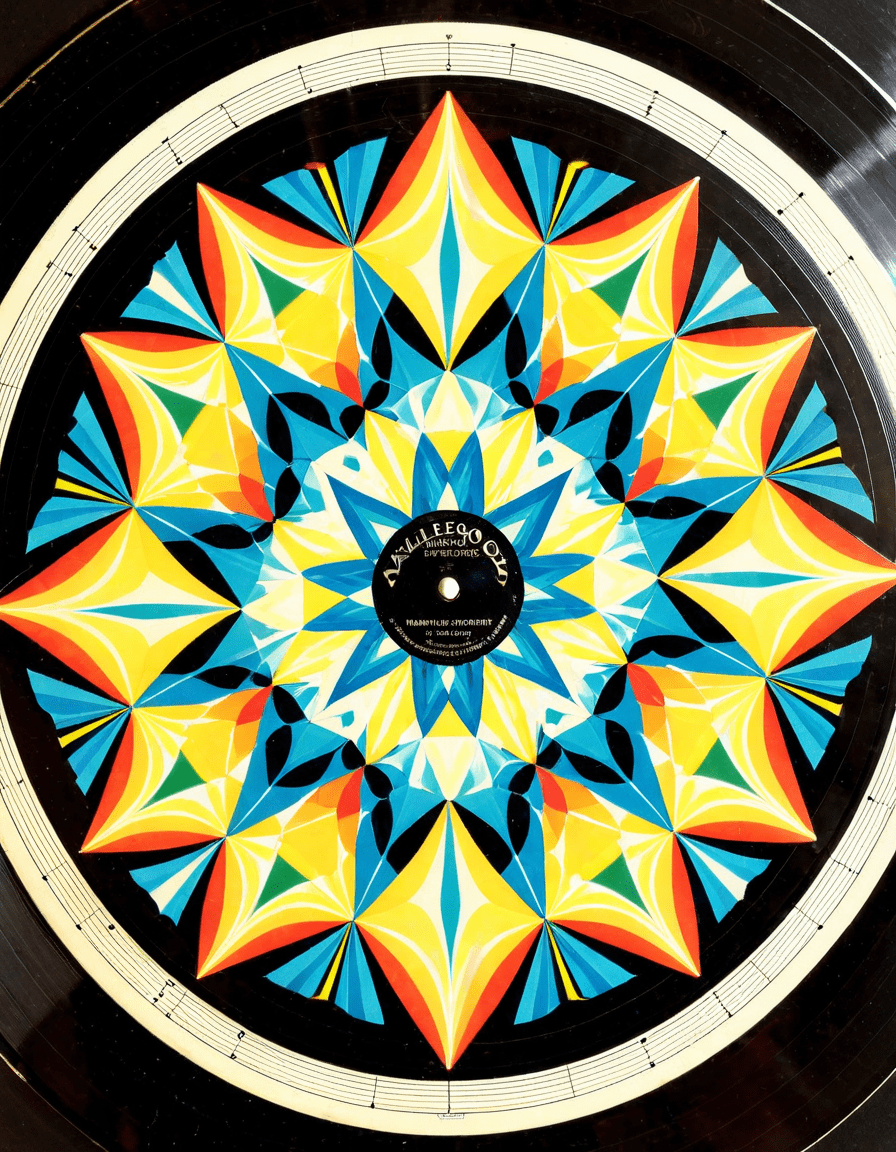
The kaleidoscope, a deceptive tube packed with mirrors and colorful beads, brings a carnival of colors to life with every twist. Invented by Sir David Brewster in the early 1800s, this playful instrument demonstrates how light reflects, creating stunning patterns. Interestingly, the notion of reflection in a kaleidoscope mirrors themes found in The Big Bang theory, where characters often face their own quirky reflections of life and science. And speaking of unexpected insights, did you know that the famed actor Sidney Poitier once navigated a world full of colorful characters in his lifetime, much like the swirling patterns of a kaleidoscope?
Kaleidoscopic Influences in Pop Culture
Kaleidoscopes have not only dazzled our visual senses but also inspired the world of film and television. Shows like Beverly Hills 90210 used vibrant color palettes to convey emotions, similar to how a kaleidoscope constructs a visual narrative from simple shapes. Likewise, the artistry in movies often finds itself juxtaposed against a backdrop reminiscent of a “white rabbit” adventure in Alice’s Wonderland, leading viewers down whimsical paths tinged with nostalgia. One can imagine the invigorating experience of seeing characters stepping into a dazzling new world, much like the surprises hidden within a kaleidoscope’s frame.
The Science Behind the Swirls
Finally, let’s delve into the science of color and perception. The kaleidoscope offers a fascinating lesson in light and viewing angles, similar to the way Play It By Ear captures the essence of sound and its unpredictability. Moreover, the visual complexity of symmetrical designs reminds us of the intricate storytelling in filmmaking, which David Mclaughlin captures beautifully through his cinematic lens. This interplay between color and light not only stimulates our senses but also challenges our perception, showing us the world can be vibrant and dynamic when we take a moment to observe. So the next time you peer through a kaleidoscope, think about how, just like learning How To say hi in Russian, it opens up a new way of connecting with our environment and each other.