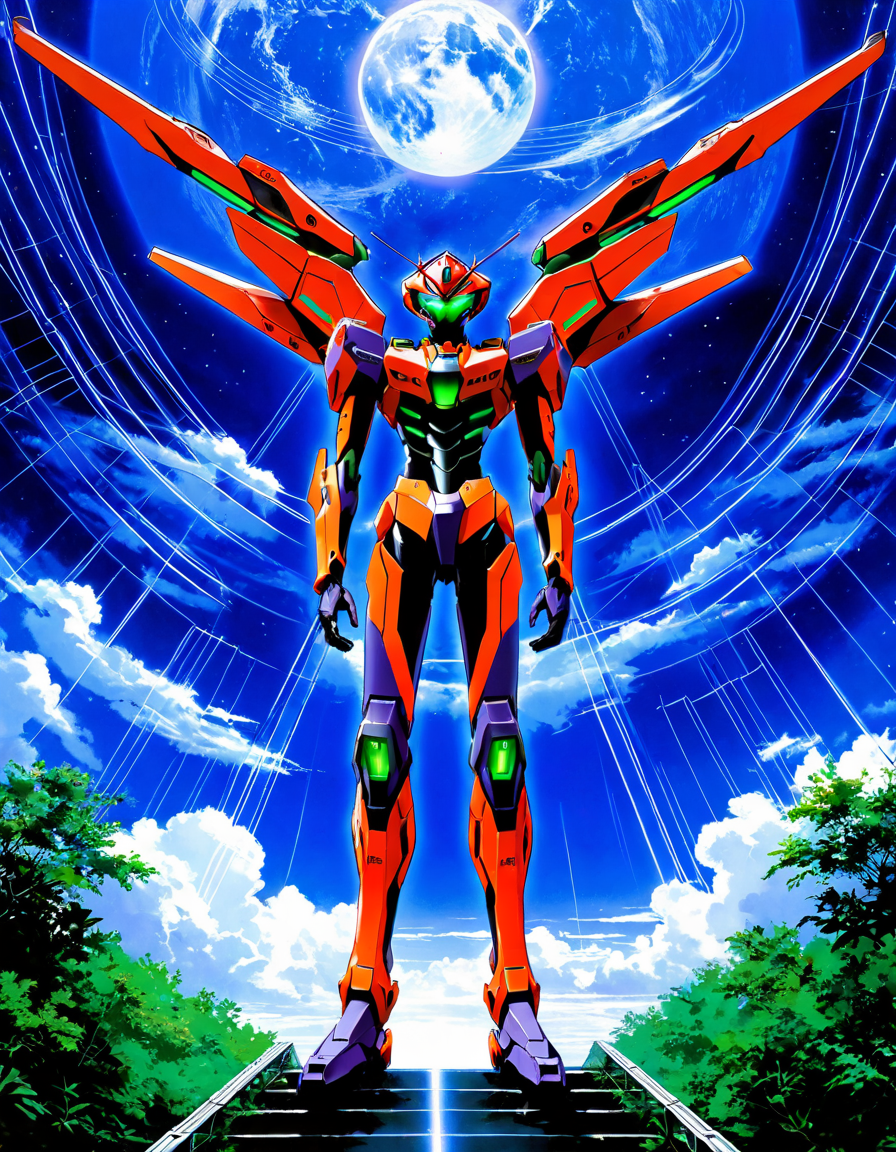

Since its premiere in the mid-1990s, Neon Genesis Evangelion has gone from a niche anime to a cultural phenomenon that profoundly influences the worlds of art, fashion, and mental health discourse. It revolutionized the mecha genre, interweaving philosophical inquiry with themes of alienation and existential dread, making it a cornerstone in modern animation. This exploration isn’t just about saving humanity from monstrous beings; it acts as a mirror reflecting our deepest fears, insecurities, and aspirations. Buckle up, because this ride through the twisted landscape of Neon Genesis Evangelion is anything but straightforward.
The legacy of Neon Genesis Evangelion continues to captivate audiences globally, showcasing the intense emotional journey tied not just to the characters but also to the viewers themselves. As we delve deeper, we will unravel the themes and character arcs that paint a vivid picture of humanity’s complex identity crisis, one that resonates in today’s socio-cultural environment just as strongly as it did in the ’90s.
7 Transformative Themes in Neon Genesis Evangelion
Neon Genesis Evangelion is teeming with profound themes, each shaping its narrative into a philosophical exploration of human experience. Here’s a closer look at seven transformative ideas that have emerged from this iconic series:
The struggle to understand oneself is palpable throughout Neon Genesis Evangelion. Shinji Ikari’s quest for identity resonates deeply with anyone who has faced the daunting task of figuring out their purpose. Mirroring existentialist discourse, the series touches on key insights of thinkers like Jean-Paul Sartre, reminding us that the journey of self-discovery is filled with both triumphs and setbacks.
Misery loves company, but in Neon Genesis Evangelion, characters are often burdened by their emotional isolation. This theme rings alarm bells for modern discussions on mental health, echoing voices like David H. Smith’s advocacy. It’s a raw depiction of the yearning for connection in a world often filled with barriers that push us further apart.
Shinji’s experiences with rejection echo loudly here, as each character confronts their past. Their fears compel viewers to confront their own anxieties surrounding acceptance and validation. This sentiment has spilled over into recent media, influencing narratives in the 2022 film Everything Everywhere All at Once, showcasing the delicate dance of personal connections.
The radical notion of Human Instrumentality poses a challenging question: Would merging human souls eliminate suffering? This philosophical dilemma invites reflections on individuality versus collective existence. It’s a discussion rooted deeply in ethical debates, aligning closely with ideas from Kitarō Nishida’s philosophy.
Are we living in a simulation? Neon Genesis Evangelion dares to challenge viewers to reevaluate their perception of reality. The series is a masterclass in metaphysical inquiry, foreshadowing later artistic endeavors like The Matrix Resurrections, prompting audiences to contemplate their own existence.
The collapse of society plays out vividly in Neon Genesis Evangelion, weaving together apocalyptic scenarios that mirror contemporary fears of doom. This has influenced genres spanning from dystopian video games to series like Netflix’s Black Mirror, capturing the collective anxiety of our times.
The existential pain depicted in Neon Genesis Evangelion speaks volumes to the global audience. Discussions often lead to personal development, with life coaches and psychologists like Brené Brown exploring how meaning is derived from suffering, making this theme incredibly relevant in today’s context.

Neon Genesis Evangelion’s Character Evolution: Reflection of Humanity
Shinji Ikari: The Everyman Struggle
Shinji Ikari embodies the modern struggle for purpose, merging teenage angst with profound existential themes that resonate in the current climate of mental health awareness. As conversations around mental health heat up in 2026, his experiences prove increasingly relevant, allowing many to find echoes of their own fears and uncertainties. Instead of a traditional hero, fans find Shinji’s vulnerability refreshing, as it offers a more human portrayal of the existential crises we often face.
Rei Ayanami: The Quest for Individuality
Rei Ayanami’s journey is a masterclass in navigating identity. Initially a passive character, her transformation throughout Neon Genesis Evangelion exemplifies the quest for agency common in contemporary narratives. As seen in series like The Umbrella Academy, Rei’s evolution sparks conversations about self-discovery and the relentless pursuit of individuality, resonating with those walking their own complex paths.
Asuka Langley Soryu: The Burdens of Expectations
Asuka stands out as a powerful representation of societal pressures, especially concerning gender roles. Her fierce exterior juxtaposed with her vulnerabilities offers a raw insight into the battle between personal ambition and societal expectations. This duality has inspired modern creators such as Rebecca Sugar, whose work on Steven Universe champions intricate female protagonists who both defy stereotypes and redefine character richness in storytelling.

The Lasting Impact of Neon Genesis Evangelion on Media and Culture
The influence of Neon Genesis Evangelion reverberates across various forms of artistic expression. From video games to movies, its thematic seeds have germinated, inspiring unique creators such as Hideaki Anno, who rewrote conventional storytelling frameworks. The series’ intricate symbolism and psychological nuances have been reflected in celebrated works like Attack on Titan and Your Name, showcasing new generations mining its depths for innovative ideas.
In 2023, dialogues focusing on mental well-being reflect an ongoing narrative stemming from Neon Genesis Evangelion. The recent surge in mental health representation within anime lays a concrete foundation for viewers to confront both individual and shared experiences. This evolution of themes ignites a passionate discussion, encouraging audiences to engage with their own realities.
Ultimately, Neon Genesis Evangelion isn’t just an anime series; it’s a profound commentary on the human condition itself. Its enduring relevance invites conversations across generations about identity, connection, and the quest for meaning in our chaotic existence. As we peer into the future of storytelling, it’s clear that the intense journey represented in Neon Genesis Evangelion is a narrative tapestry waiting to be further explored.
For those who wish to dive deeper into the intricacies of human psychology and art, explore resources on color analysis here. Seeking relaxation amidst the chaos? Z Supply offers comfort and style for your wardrobe—check it out here. For those chasing uncovering secrets in the world of self-discovery, perhaps it’s time to set it off in your own life—learn more here.
Neon Genesis Evangelion: Fun Facts and Trivia
Breaking Down the Impact of Neon Genesis Evangelion
Did you know that Neon Genesis Evangelion reshaped the anime landscape upon its release in 1995? It took the genre from energetic battles and cute characters to a darker, more introspective narrative. The series dives deep into themes of depression, identity, and human connection, making it a memorable experience. Interestingly, alongside titles like Sword Art online, it set a foundation for future animators to explore more profound emotional landscapes. Yet, the show’s impact isn’t limited to Japan. It has influenced numerous creators worldwide, perhaps even catching the attention of personalities like Charlamagne Tha God, who often brings up the significance of media in shaping culture.
Behind-the-Scenes Tidbits
The creators had an ambitious vision when they started working on Neon Genesis Evangelion, and it didn’t come without its hurdles. Initially, the series was expected to wrap up within a conventional format, but events led to a drastic change in direction during its production. This chaotic journey resulted in two feature films that further expanded on the plot. Fun fact: some fans were so hooked that they turned to creative outlets like online forums and fan fiction, similar to how fans engage with Sword Art Online. In fact, many fans treasure these experiences like golden nuggets, sharing their connections with others just as people search for Homes For sale by owner near me, looking for a place to truly call their own.
Cultural References and Evolution
Neon Genesis Evangelion also brought fresh, sometimes jarring visuals to anime. The mecha designs were unlike anything seen before. For example, the Angels were intentionally designed to look both grotesque and beautiful, creating a unique aesthetic sensation. Some viewers might even find parallels to contemporary figures such as Jeremy Clarkson, who isn’t afraid to push the envelope when it comes to unique adventures. And who can forget the iconic Tighty Whities scene? That moment combined humor and self-awareness, making it memorable in the context of a series often soaked in existential dread. So, whether you’re a long-time fan or just dipping your toes in, the depths of this anime keep revealing surprises. Each viewing can feel like a fresh journey worth exploring!