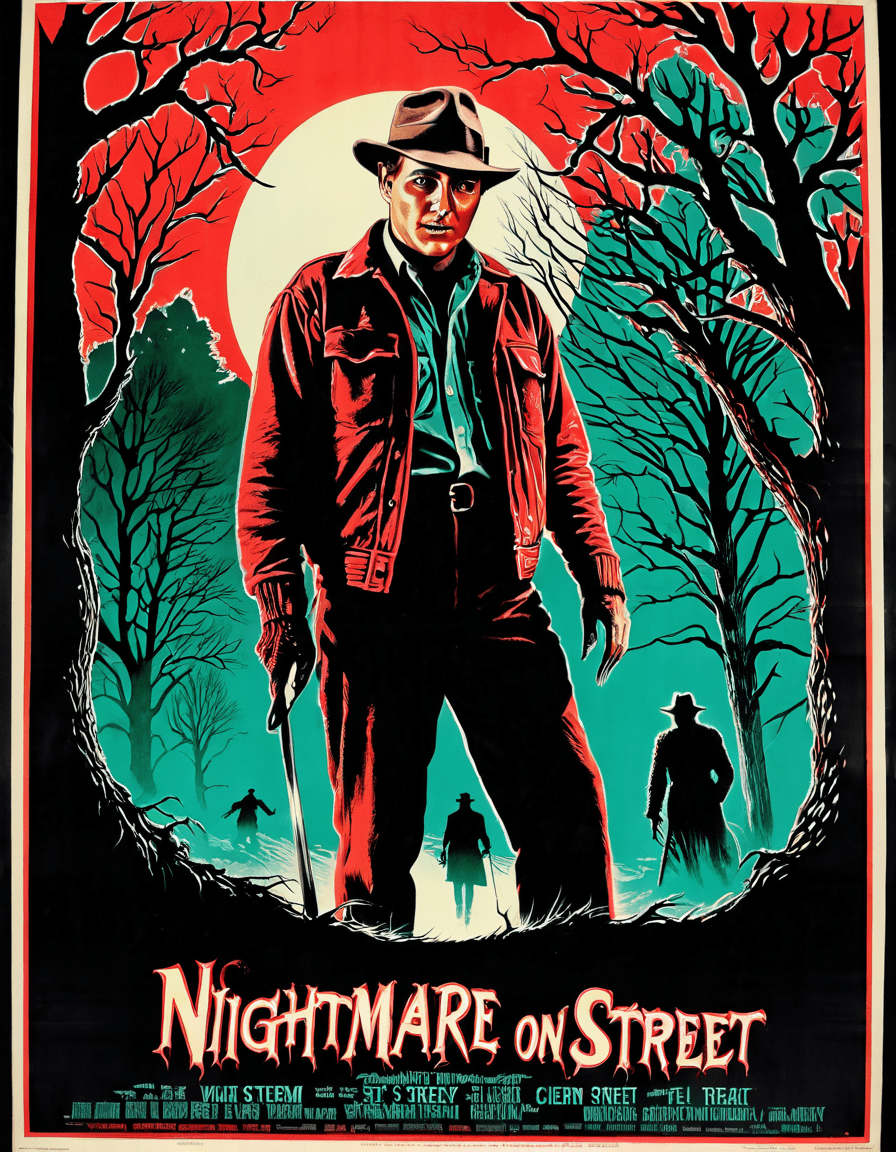
A Nightmare on Elm Street, unleashed upon the world in 1984, stands as a towering milestone in horror cinema. Crafted by the visionary Wes Craven, this genre-defining film plummeted audiences into a nightmarish scheme led by the iconic Freddy Krueger. His sinister legacy has stitched itself into the fabric of contemporary horror storytelling, resonating with film lovers for nearly four decades. But the influence of Nightmare on Elm Street extends beyond mere jump scares; it sparked critical conversations about fear, trauma, and our curling complexities of the psyche.
The Enduring Influence of A Nightmare on Elm Street
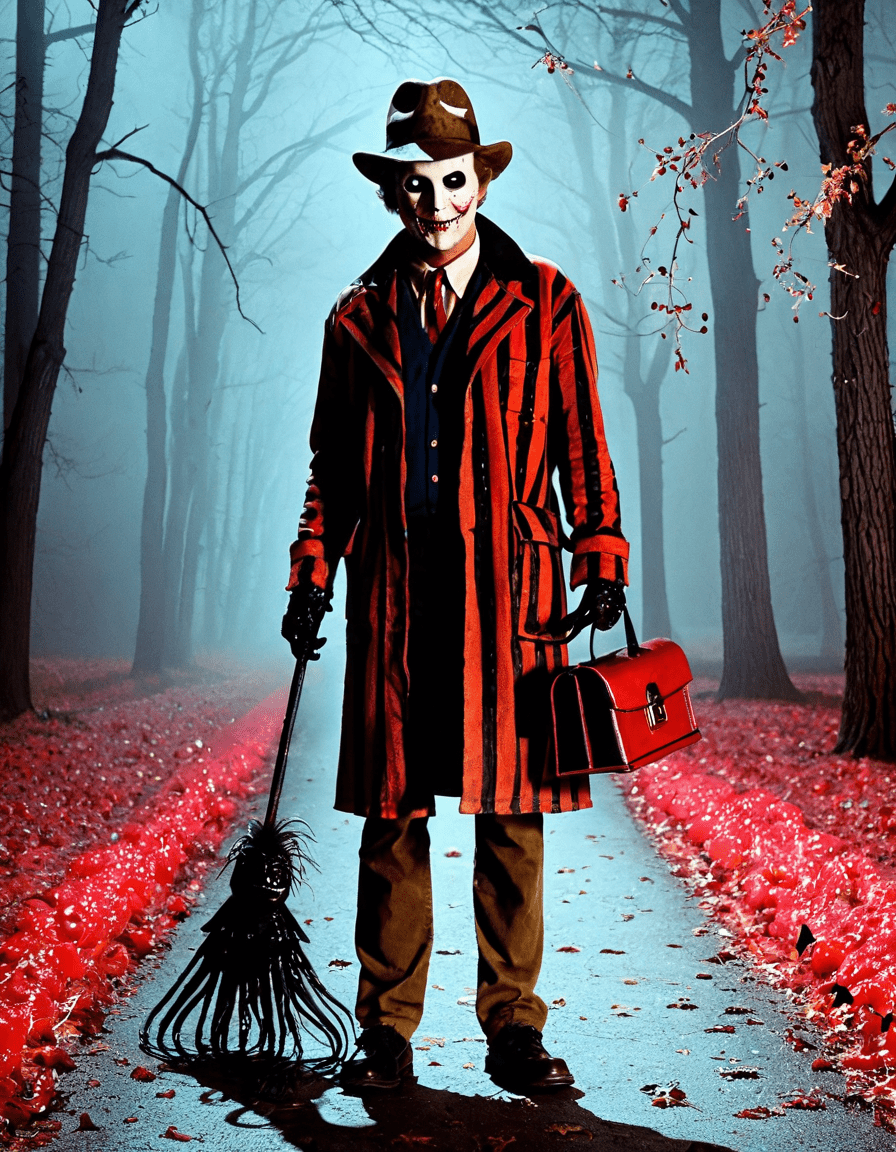
As if dreaming up a dark fairy tale, Nightmare on Elm Street reshaped the horror landscape through its harrowing exploration of sleep and reality. Freddy, with his burnt visage and striped sweater, transcends the silver screen, becoming a metaphor for our deepest fears. Filmmakers and audiences alike continue to pour over the film’s chilling subtext, head-spinning twists, and heart-pounding terror.
Much like how Miracle on 34th Street presents an exploration of faith, Nightmare on Elm Street dives headfirst into the treacherous waters of belief—belief that sleep is a sanctuary when, in reality, it becomes a stage for horrific encounters. Both films examine how societal influences shape our perceptions, albeit through strikingly different lenses. With a jarring contrast, Craven’s creation crafts fear from childhood innocence shattered, while Miracle on 34th Street builds its narrative upon nurturing hope.
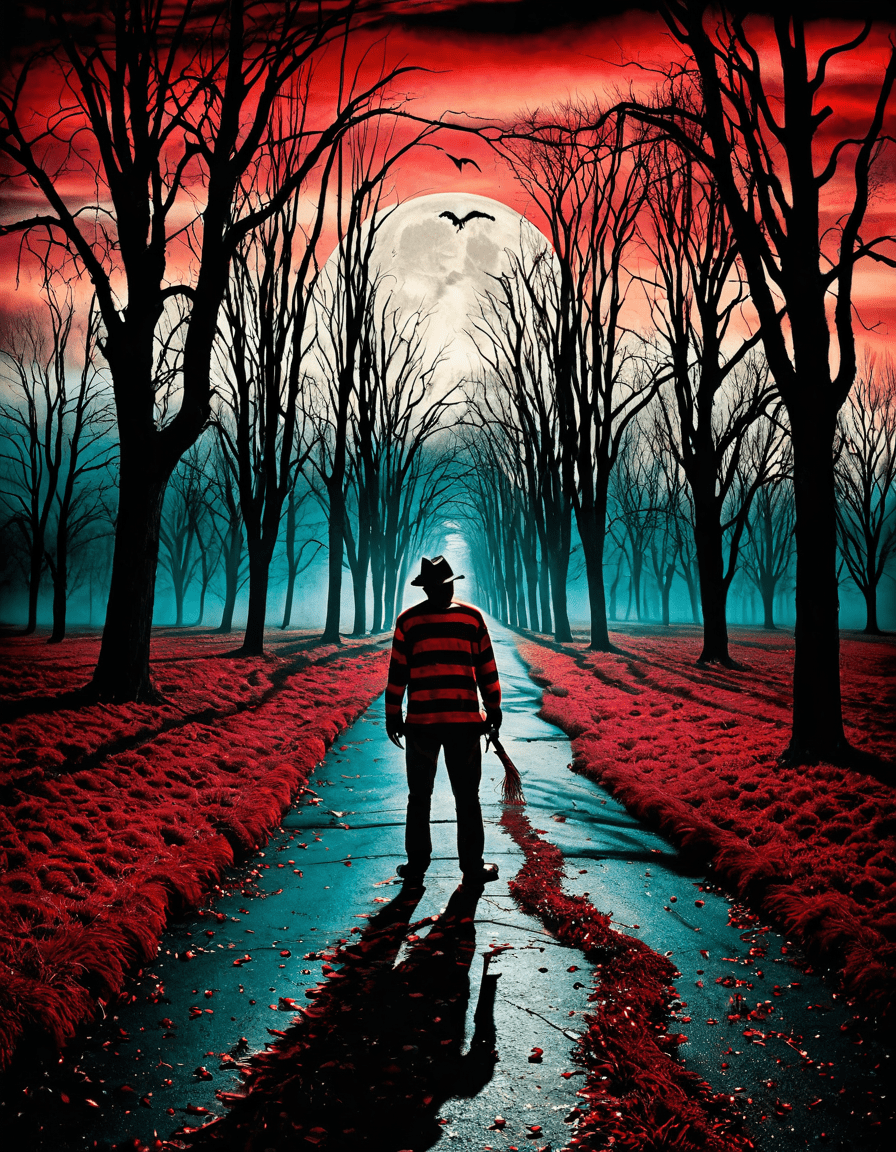
Top 5 Ways A Nightmare on Elm Street Revolutionized Horror
A Nightmare on Elm Street took audacious leaps by intertwining dreams with waking life. The unsettling idea that Freddy could invade his victims’ dreams blurred the lines between safety and vulnerability. This storytelling facet not only unnerved its audience but also paved the way for subsequent cinematic masterpieces like Avatar 2 and Inception, pushing creative boundaries and reshaping how stories are told.
Freddy Krueger’s mixture of dark humor and his sadistic charm redefined horror villains. Unlike the mute, stoic Michael Myers or Jason Voorhees, Freddy captivated audiences with his razor-sharp wit. This shift toward characters layered with personality inspired modern anti-heroes such as Pennywise from It and even the sociopathic killers of Scream, transforming the expectations surrounding horror antagonists into something more relatable.
The film’s narrative weaves through themes that strike at the core of childhood trauma and parental neglect. Freddy’s backstory—born from abuse—creates a chilling resonance with audience anxieties, sparking discussion about how trauma festers and evolves across generations. This thematic richness encourages filmmakers to explore psychological terror, setting the stage for films like Hereditary and The Babadook, which delve deeply into the human psyche.
A Nightmare on Elm Street pushed the envelope with groundbreaking special effects for its time. The visual nightmares that Freddy evokes—his infamous claws, the slow-motion dream sequences that sent shivers down spines—were achieved through practical effects. This artistry championed a greater appreciation for makeup in filmmaking, influencing modern horror hits like Get Out and the mind-bending Midsommar.
Beyond its bounds as a thrilling horror film, Nightmare on Elm Street evolved into a cultural phenomenon. From Halloween costumes featuring Freddy’s signature fedora and white-green stripes to cameo appearances in Parks And Recreation, he has firmly entrenched himself in popular culture. The film’s legacy continues to inspire new generations of creators, evident in the revitalizing crossovers, such as Freddy’s clash with Jason, which birthed unique dialogues and character dynamics in horror storytelling.
The Nightmare Connected to Miracle on 34th Street
A strange yet fascinating connection emerges between A Nightmare on Elm Street and Miracle on 34th Street. At their core, both flicks grapple with belief and the blurred line between reality and imagination. While Miracle on 34th Street envelopes its audience in a warm holiday spirit, Nightmare challenges the very essence of safety and comfort typically associated with childhood. The interplay of fear and joy becomes a compelling narrative thread that stitches these two films closer than one might assume.
The haunting visions Freddy Krueger brings forth irrevocably shape our understanding of fear—especially in contrast to the innocent belief in Santa Claus. It reveals how our internal landscapes, influenced by memory and experience, form the basis of our reactions to extreme situations. Thus, the horror genre invites viewers to confront their fears while contemplating the joy memories can provoke.
The Ongoing Evolution of Horror Inspired by A Nightmare on Elm Street
The legacy of A Nightmare on Elm Street continues to ripple through the horror landscape, stoking the flames of creativity among filmmakers like Jordan Peele and Ari Aster. These visionaries delve into tension, societal issues, and messy emotional landscapes, drawing from that haunting playbook that Craven perfected. As horror transforms and adapts, Freddy’s nightmarish reign serves as a stark reminder of the genre’s unmatched power for profound storytelling.
Indeed, the film exemplifies how horror can invoke a reevaluation of reality while mirroring the overarching fears of the time. As new storytellers draw inspiration from Nightmare on Elm Street, the fusion of artistry, psychological depth, and social commentary continues to breathe life into the genre, ensuring that Freddy Krueger remains as terrifying as ever. As we dive deep into the cinematic abyss, it becomes indisputable that both Nightmare on Elm Street and the eerie themes within Miracle on 34th Street form a tapestry of belief, illusion, and the multifaceted reality of human experience, a spectacle we can’t help but embrace.
Nightmare on Elm Street: Chilling Facts and Trivia
The Birth of a Horror Icon
Did you know that the eerie concept behind Nightmare on Elm Street was sparked by real-life events? Director Wes Craven was inspired by a string of mysterious deaths in the 1970s, where young men from Southeast Asian communities died in their sleep. Craven famously turned this unsettling idea into a story where the victims face the terrifying Freddy Krueger in their dreams. Speaking of stories that leave you on the edge of your seat, Parks And Recreation showcased how scripting can twist everyday scenarios into pure hilarity, just as Craven twisted nightmares into legendary horror.
Freddy’s Costume and Influence
Freddy’s iconic striped sweater wasn’t just a random choice—it served a purpose! The colors red and green are said to clash and trigger discomfort in the human brain. This design decision reflects the careful thought that went into Nightmare on Elm Street, much like how Fahrenheit shaped expectations for a generation of horror aficionados. And how about that classic glove with razor-sharp blades? It’s not just a weapon; it became a symbol of fear in pop culture, inspiring countless other works and even making its way into casual references in films like Mulholland.
Cultural Impact and Legacy
Beyond influencing horror films, Nightmare on Elm Street has sneaked its way into various elements of pop culture. Did you catch Britney Spears in her music video “Oops!… I Did It Again,” where she pays homage to Freddy? It’s a testament to how deeply embedded this character is in our collective psyche. Decades later, the franchise continues to inspire new generations, much like how Avatar 2 captured hearts worldwide. And here’s a fun fact: David Bugliari, a powerful name in Hollywood, has acknowledged the influence of horror classics like Nightmare on Elm Street on scriptwriting, proving this iconic film’s presence isn’t going away anytime soon.
So there you have it! From real-life inspirations to cultural phenomena, Nightmare on Elm Street isn’t just a movie—it’s an everlasting part of our entertainment landscape that influences everything from Lab Rats episodes to Halloween costumes. When you think of the fear it instills, it’s a staggering reminder of how nightmares can shape art, and ultimately, our lives.