In the kaleidoscope of television history, few shows have left a mark as indelible as Orange is the New Black. This groundbreaking dramedy, bursting with color, complexity, and candor, captivated audiences and sent ripples through societal fabric. Since brushing the small screen in 2013, Orange is the New Black has not merely entertained; it has altered dialogues about gender, race, and the penal system, transforming the viewing experience into one of introspection and activism. Packed into its vibrant narrative tapestry are critical conversations around tough topics, distancing itself from traditional narratives with finesse and flair.
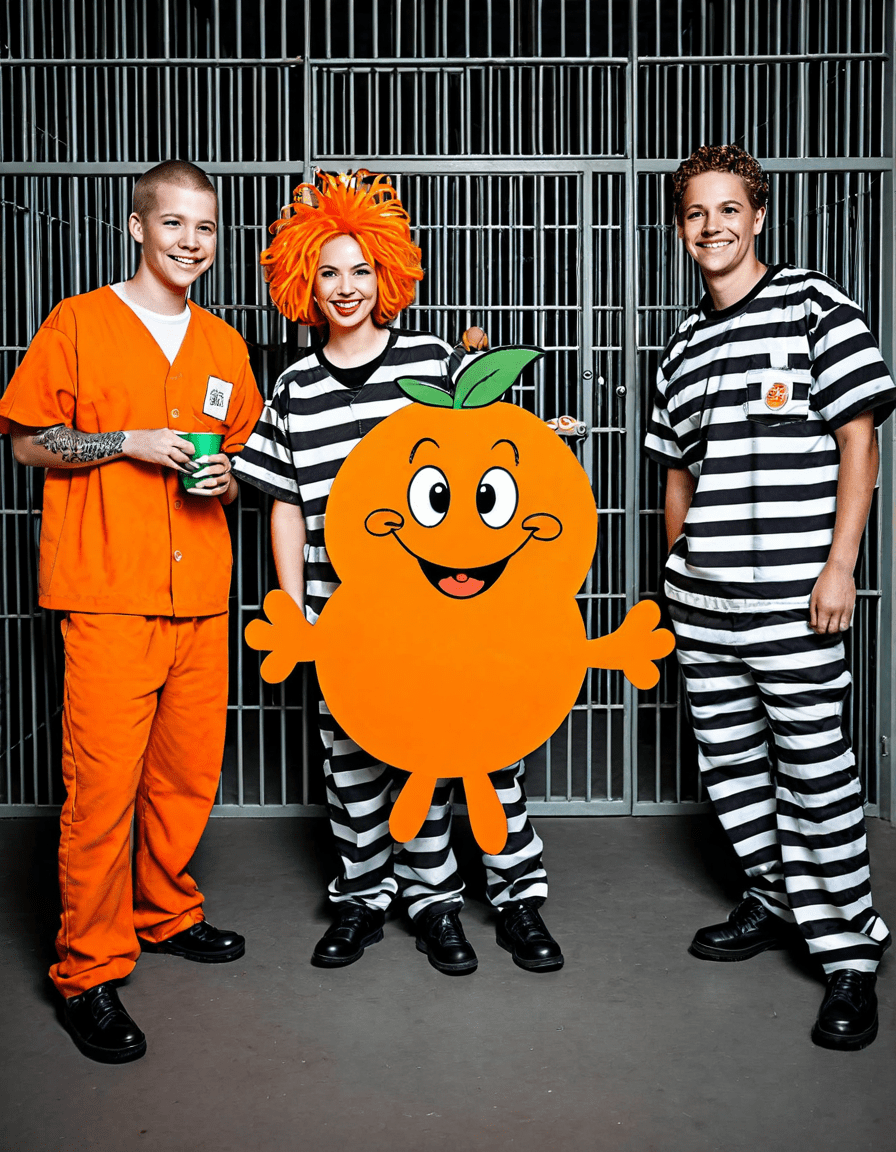
The Lasting Legacy of ‘Orange on the New Black’
Orange is the New Black brought to life an emotionally charged narrative that explored the lives of women behind bars. It thrust viewers into a world often hidden away—a realm peppered with despair but rich in authenticity, humor, and, most importantly, humanity. By placing women of various backgrounds, journeys, and struggles at the forefront, the show urged audiences to rethink their understanding of justice, privilege, and the role of rehabilitation in a seemingly unforgiving world. With its bold storytelling, Orange is the New Black offered a lighthouse through the fog of misunderstanding, encouraging empathy in narratives often dismissed.
The groundbreaking show paved the way for conversations around women’s rights, LGBTQ+ representation, and systemic reform. With every episode, it carved a little more space for marginalized voices to roar, echoing the profound need for diversity and inclusion in entertainment. In contexts where outdated stereotypes dominated, Orange is the New Black blazed new trails, compelling audiences to confront uncomfortable truths wrapped in laughter and tears.
7 Groundbreaking Ways ‘Orange is the New Black’ Redefined Television
1. Diverse Representation on Screen and Behind the Scenes
Diversity is the name of the game, and Orange is the New Black stood front and center, merging narratives with a tapestry as varied as humanity itself. Featuring dynamic LGBTQ+ characters like the unforgettable Sophia Burset, played with grace by Laverne Cox, the show sparked a revolution in onscreen visibility. With a predominantly female writing staff led by creator Jenji Kohan, it set the stage for other series like Pose and The L Word: Generation Q to follow suit, creating media that resonates and reflects the realities of varied communities.
2. The Prison Reform Movement
This dynamic show didn’t just slap a Band-Aid on a societal wound; it ripped it open, dragging the conversation around prison reform into the spotlight. By highlighting issues like mass incarceration and the unique struggles women face within the penal system, the conversation ignited initiatives like the Red, White, and Royal Blue campaign, advocating for humane policies and systemic changes. Organizations such as the Vera Institute of Justice gained traction, reshaping the public discourse regarding legal injustices—not an easy feat, but one sparked by the show’s relentless push for awareness.
3. Complex Female Friendships
Oh, the complicated world of female relationships! Orange is the New Black skillfully revealed the bonds of sisterhood forged through hardship. Rather than resort to the tired trope of women fighting for the spotlight, it instead celebrated loyalty, trust, and undying friendship. Shows that followed, like The Bold Type, took notice, weaving in authentic female narratives that resonate powerfully with audiences—realizing that the essence of womanhood thrives even amid chaos.
4. Innovative Narrative Structure
Prepare for a storytelling shake-up! This series wasn’t content with the Truman Show-like linear storytelling; it danced in flashbacks and character-centric episodes aplenty. This innovative structure allowed viewers to explore each character’s story, instilling empathy while simultaneously keeping them on the edge of their seats. This method of storytelling influenced a slew of shows like This Is Us, proving that rich, layered narratives drew audiences deeper than formulas ever could.
5. Cultural Conversations Around Mental Health
Delving into the deeper crevices of the human experience, the show brought mental health issues to the forefront, illustrating the struggles faced by characters like Piper Chapman and Lorna Morello. These portrayals ignited critical conversations, urging networks to prioritize authentic representations. Following in Orange is the New Black‘s wake, series like Euphoria launched deeper dives into mental health struggles, challenging the stigma that often surrounds these issues.
6. The Evolution of Anti-Heroes
With its profound exploration of morality, Orange is the New Black contributed significantly to the evolution of anti-heroine narratives. Take Piper Chapman and Alex Vause, who embodied the complexities of choice and consequence. As audiences followed their morally ambiguous paths, the relationship mirror they presented invited conversation around flawed characters. The resonance of such portrayals encouraged audiences to grapple with the anti-hero format, akin to the legendary Breaking Bad, where understanding the protagonist’s journey became a journey of its own.
7. Impact on Fashion and Culture
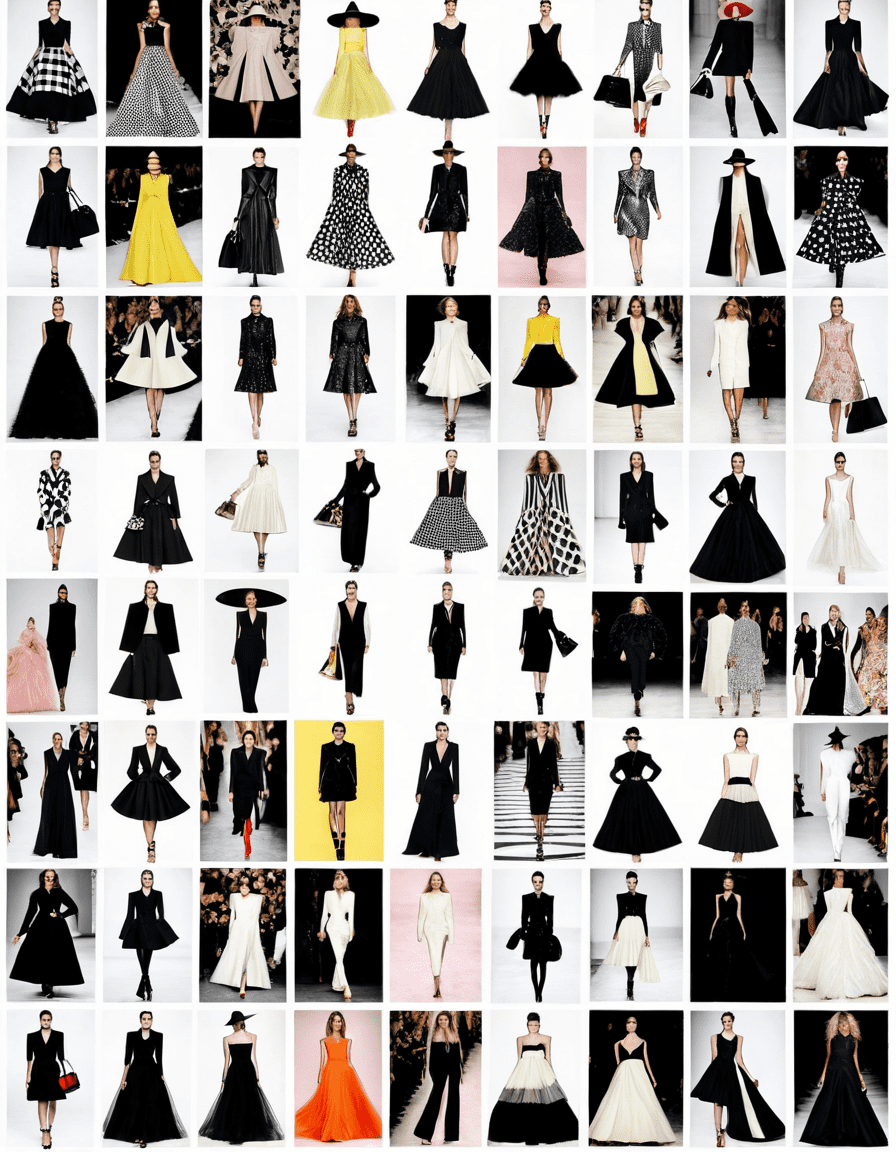
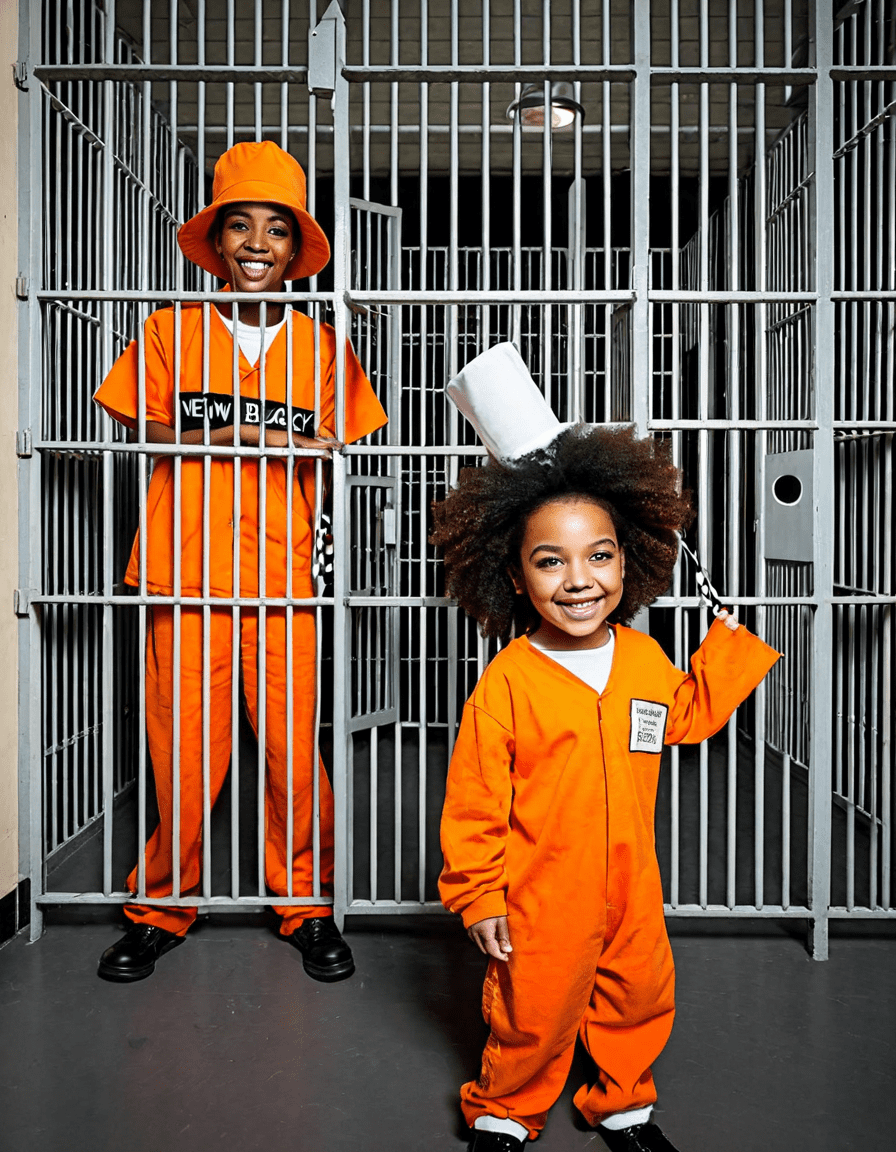
Beyond the storytelling lies a visual powerhouse! The iconic orange jumpsuits and eclectic style of Orange is the New Black sparked fashion trends that blurred the lines between prison chic and everyday wear. This aesthetic inspired brands like Aerie and ASOS to create lines echoing the edgy yet expressive flair seen in the series. Viewers began to explore themes of individuality through fashion, reflecting a broader cultural milieu that values self-expression.
The Unyielding Reverberations of ‘Orange is the New Black’
Peering into the crystal ball of entertainment, the influence of Orange is the New Black remains vast and multifaceted. Its innovative storytelling, authentic representation, and cultural engagement set a new bar for future creators while challenging audiences to think critically. As the series’ rich legacy continues to inspire and provoke, it serves as a reminder that acknowledging diverse narratives is not merely a trend but a necessity for a thriving entertainment industry.
The phrase “orange is the new black” resonates deeply with the show’s ability to adapt to societal shifts, illustrating that change is ongoing and ever-present. As we absorb its legacy, Orange is the New Black will forever remain a significant cultural touchstone—a catalyst for advocacy and conversation about human rights, identities, and the stories that shape us. So, as fashionistas take their cues from this revolutionary series, there’s no denying that its impact will be felt in ways yet to be discovered. Embrace this wild ride—it’s far from over!
Orange on the New Black: Fascinating Trivia and Interesting Facts
Breaking Down the Impact
“Orange is the New Black” didn’t just push the boundaries of what a television series can be; it opened new doors for diversity and representation in media. Did you know that this revolutionary show is based on the memoir of Piper Kerman? It brought real-life stories into the limelight, reminding viewers of narratives like those seen in films such as Watch The Boy in The Striped pyjamas, which tackles heavy themes of humanity and injustice in a touching way. The series also humanized its characters, inviting audiences to empathize deeply with flawed, complex individuals.
Pioneering Storylines
The creators of “Orange is the New Black” were ahead of the curve, introducing story arcs that resonate with modern social issues—much like the groundbreaking themes in Captain Marvel. It was one of the first shows to predominantly feature women of color, which was a significant shift in an industry that often sidelines such stories. On top of that, the series showcased various sexual orientations and identities, paving the way for LGBTQ+ representation on screen. Just as V For Vendetta challenged societal norms, this show dared to confront the stigmas surrounding prison life and open a dialogue about the prison system itself.
This and That
Fans of the show might also appreciate how the unique characters reveal layers of emotion, similar to the deep storytelling found in Daisies. The series was filled with life lessons and real-world reflections that viewers could connect with, making it feel all the more authentic. And speaking of connections, many of the cast members bonded over their experiences, creating a real sense of family behind the scenes, quite like how adventure sprawls across Yellowstone National park camping trips filled with laughter and camaraderie. Fun fact: the character of Aleida Diaz, played by Elizabeth Rodriguez, was partially inspired by the real-life experiences of Kerman’s acquaintances, showcasing that truth is indeed stranger than fiction.
So whether you’re tuning in for the drama, the comedy, or the eye-opening themes, know that “Orange is the New Black” isn’t just a show, but a cultural phenomenon that shifted perceptions. When diving into this rich tapestry, you’ll be reminded of how stories can bridge gaps—just like browsing through sites that feature cool stuff like Fapello Com or snagging the latest trend in Amazon shoes For Women. This show challenges norms and inspires change, proving that everyone’s story is worthy of being told.