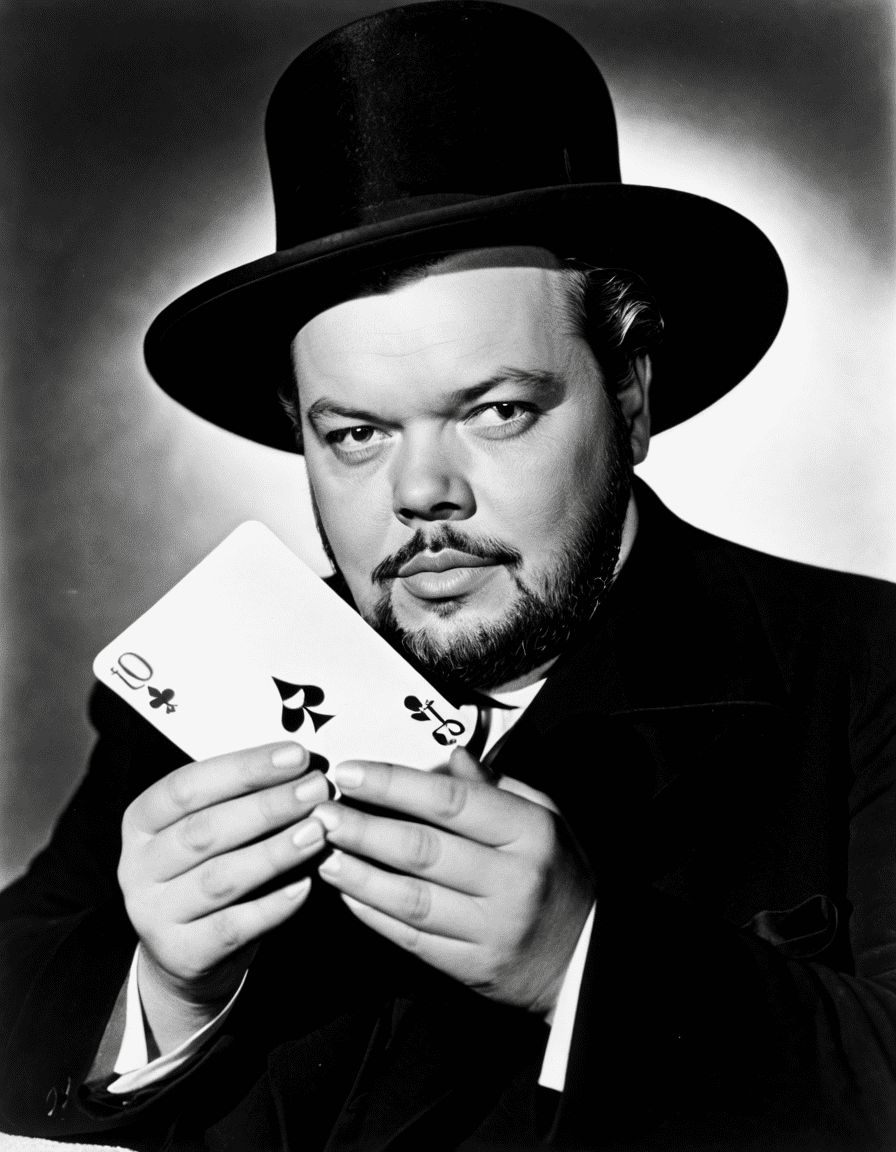
Orson Welles was anything but an ordinary filmmaker; he was a revolutionary force shaping the early days of film and radio. The way he spun stories into masterpieces not only set him apart from contemporaries like Alfred Hitchcock and Charlie Chaplin but also redefined how audiences experienced narrative art. With his unique blend of theatricality, deep character exploration, and innovative techniques, Welles carved out an artistic legacy that resonates profoundly even today. Let’s dive into what makes Orson Welles a towering figure in the creative sphere!
1. The Multiple Facets of Orson Welles’s Genius
Welles’s genius lay in how he interwove layered storytelling with groundbreaking techniques that would enthrall audiences. His works capture raw emotional depths and philosophical dilemmas, sparking debates long after the credits roll. The brush strokes of his creative genius are reflected in the richness of characters and themes he explored, drawing inspiration from giants like Charles Dickens, Oscar Wilde, and William Shakespeare.
Unlike many of his contemporaries, Welles wasn’t boxed into a single category. He effortlessly navigated between mediums, making significant contributions to both cinema and radio. His daringness revolutionized narrative form, adapting theatrical principles for the screen and airwaves. Each project served as a bold statement, a reflection of his piercing insight into human nature that continues to inspire storytellers to this day.
Whether you’re consumed by the haunting imagery of “The Trial” or the audacious leap of “The Mercury Theatre on the Air,” Welles’s works invite you to experience the world through a uniquely distorted lens. The sheer breadth of his talents reminds us that to be artistic is to unveil the unexpected—even to dance with the absurd.
2. Top 5 Masterpieces: Orson Welles’s Works That Changed the Landscape of Film and Radio
Orson Welles wasn’t just creating art; he was reshaping the entire continent of storytelling. Here are five monumental works that showcase his dazzling creativity:
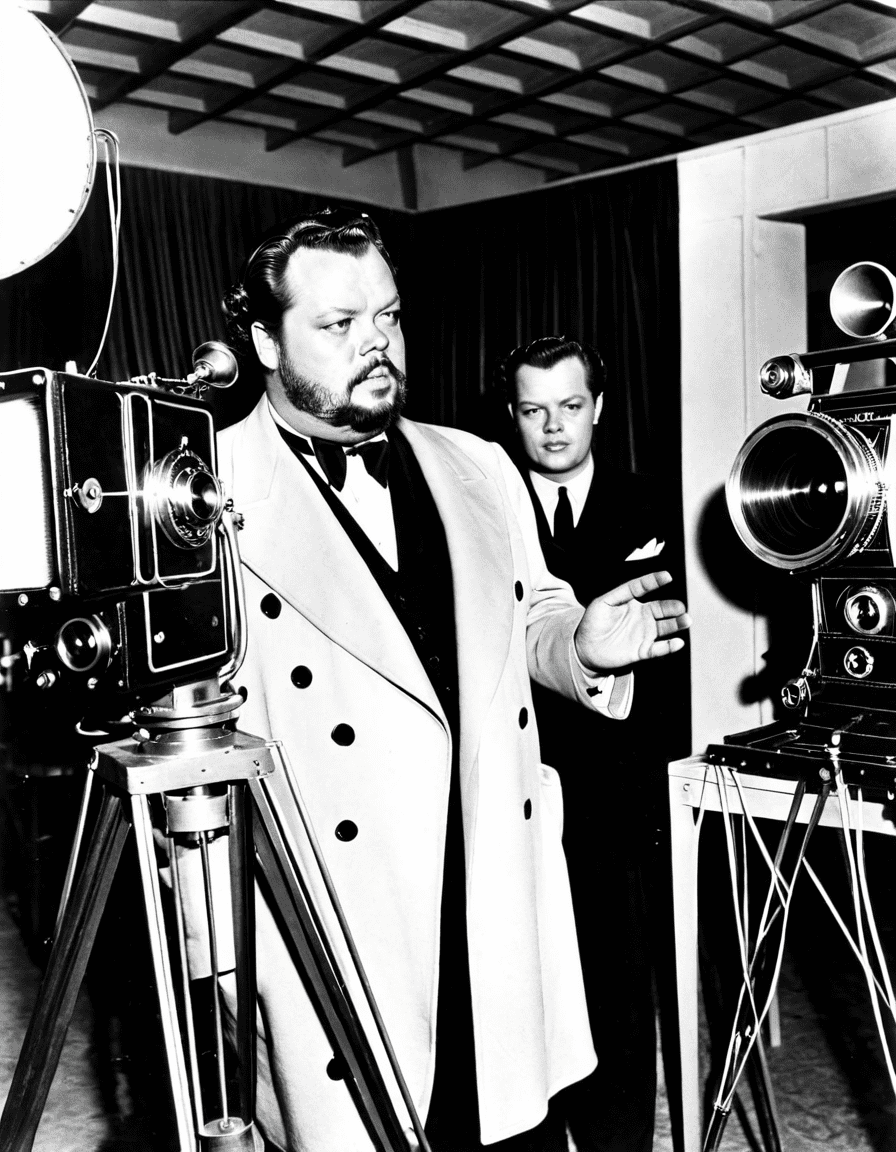
A cinematic treasure often hailed as the greatest film ever, “Citizen Kane” redefined narrative structure. Welles ushered in a new era of deep focus cinematography and nonlinear storytelling, crafting a complex portrait of Charles Foster Kane that echoes the thematic richness found in the works of Dickens. With its layered approach, it stands as a cautionary tale about ambition and the loneliness that can accompany it—a narrative as relevant today as it was then.
In this radio series, Welles showcased his audacity with the infamous adaptation of H.G. Wells’s “The War of the Worlds.” This iconic broadcast not only captivated audiences but also highlighted the influence media could exert on public perceptions—echoing Oscar Wilde’s social critiques. Who could forget the panic that ensued as listeners believed Earth was under siege? That’s the power of Welles’s craft!
Adapted from Franz Kafka’s novel, “The Trial” plunges into existential themes as only Welles could imagine. This surreal piece of filmmaking intertwines haunting imagery with a profound narrative, steeping it in a rich atmosphere that explores the absurdity of existence, much like Shakespeare’s work. Welles’s ability to evoke feelings of dread and intrigue demonstrates his mastery of connecting with the raw essence of humanity.
This film noir is a sheer delight for lovers of dark storytelling. Welles’s morally ambiguous character, Hank Quinlan, becomes a vessel for profound societal reflections. The film is famous for its innovative opening shot that unfolds in real time, a feat that transformed filmmaking techniques forever. Once again, Welles proved himself a pioneer, pushing boundaries in visual storytelling.
A semi-documentary brimming with charm, “F for Fake” challenges notions of authenticity and deception. This work plays with the line between what is fact and fiction—much like Oscar Wilde’s explorations of artifice in his narratives. The film invites viewers into an intriguing world where nothing is exactly as it seems, forcing us to reconsider the very nature of art and truth.
3. Orson Welles vs. Alfred Hitchcock: A Battle of Artistic Vision
A playful glance at the rivalry between Welles and Alfred Hitchcock reveals two distinct approaches to storytelling. While Welles focused on character-driven plots laced with existential musings, Hitchcock thrived on suspense, expertly crafting stories that played with our expectations and fears. Welles draws you in through emotional journeys; Hitchcock leaves you biting your nails.
In “Citizen Kane,” the fractured narrative peels back layers of Kane’s character, inviting inquiry into the human condition. In contrast, Hitchcock’s “Psycho” draws upon externalized fears that mirror societal anxieties, expertly using sound to enhance the visceral impact. Both directors understood the essence of sound, offering rich auditory experiences that immersively shaped the narrative.
Ultimately, while Welles explored introspective themes, Hitchcock propelled the audience toward tension-laden thrills. Together, they represent the dualities necessary for storytelling, each offering a viewpoint that echoes across film history.
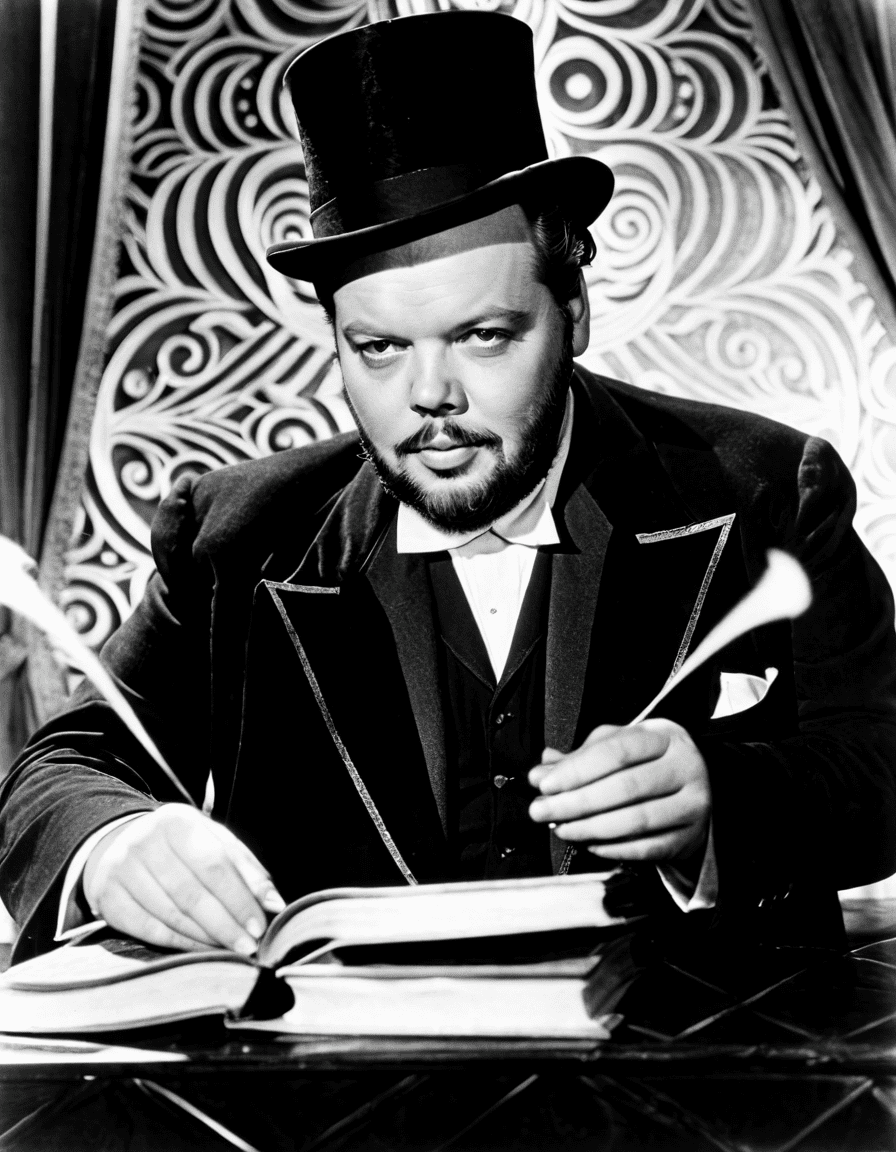
4. The Legacy of Orson Welles: Crossing Paths with Literary Giants
Orson Welles’s artistic journey was steeped in the influences of literary giants. His works reflect layers of inspiration drawn from Charles Dickens, Oscar Wilde, and William Shakespeare, noting how literary themes resonate within cinema and radio.
Welles’s dialogues with literature remain significant, reinterpreting classic tales through a contemporary lens. Each project serves as a reminder that storytelling can transcend time, inviting audiences to grapple with universal questions.
5. Orson Welles and Charlie Chaplin: A Study in Contrast
Admiring Charlie Chaplin alongside Welles unveils two distinct legacies. While Chaplin captivated us with enchanting visual storytelling filled with humor and humanity, Welles infused his narratives with heavy themes that necessitated introspection. Their differing styles demonstrate the richness of the film universe.
Chaplin’s silent films, like “The Great Dictator,” celebrated the resilience of the human spirit in the face of adversity. Welles, however, in films like “Touch of Evil,” engaged with intellectual constructs, challenging viewers to unravel narratives steeped in moral ambiguity.
Together, Welles and Chaplin embody the duality of artistry in cinema—one emphasizing emotions through laughter and visuals, the other inviting audiences to engage with complexities of thought. Their primal motivations continue to inspire imaginations in today’s media landscape.
An Enduring Legacy: Orson Welles’s Impact on Modern Media
Welles’s contributions to film and radio transcend time, allowing modern creators to draw from his vast well of artistic expression. His fusion of theatrical elements with groundbreaking narrative forms forged pathways for future innovators. Today’s filmmakers, including Quentin Tarantino and the Coen Brothers, carry the torch of creativity ignited by Welles.
His works compel us to scrutinize conventions and expectations, raising questions about the narratives crafted around us. The blend of narrative and medium allows each story to unearth hidden dimensions of human experience. Welles’s spirit invites us to embrace the unconventional, an ethos that remains vital in the ever-shifting landscape of media.
In the world of storytelling, as Welles so boldly showcased, one must dare to venture into the unknown, uncovering the beauty woven intricately within each plot twist. The laughter, tears, and shocking revelations that color his legacy ensure Orson Welles will forever hold a precious place in our collective artistic memory.
Welles’s impact leaves an indelible mark—a legacy that assures us that creativity has no boundaries. So embrace your inner Welles! The world is waiting to be surprised, and your narrative could lead the pack.
Orson Welles: Genius Behind Film and Radio Masterpieces
The Prodigy of Broadcasting
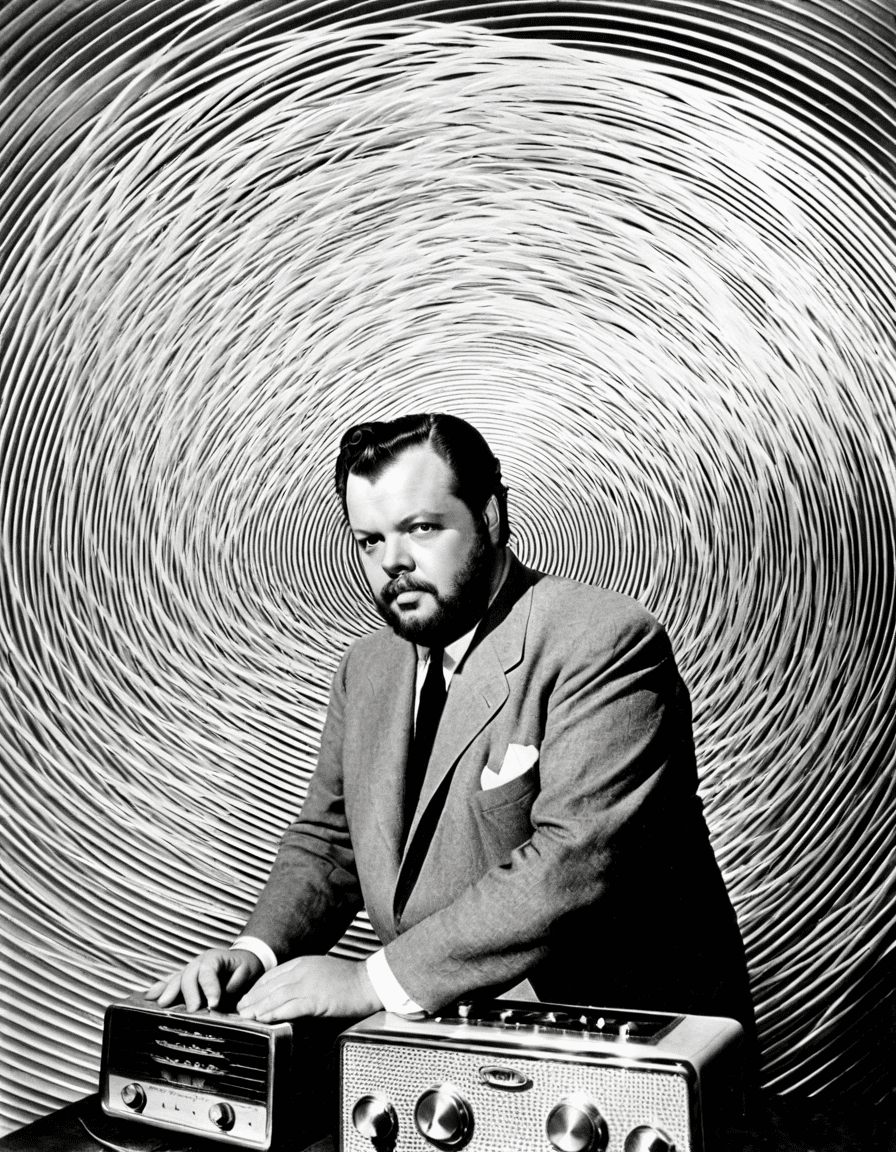
Orson Welles wasn’t just a filmmaker; he was a visionary who cleverly blended media in ways that reshaped entertainment as we know it. His chilling radio adaptation of H.G. Wells’ novel “The War of the Worlds” famously caused widespread panic in 1938. Listeners were so convinced that Earth was being invaded by aliens that many grabbed their families and ran for the hills! Just imagine the scene: chaos ensued, reminiscent of the excitement seen in a nail-biting Knicks Vs Mavericks game. It’s a remarkable tale of how Welles’s art tapped right into the heart of his audience’s fears.
A Groundbreaking Career
Venturing further into film, Welles directed and starred in “Citizen Kane,” a movie still held in high regard today. This film not only stirred conversation due to its innovative narrative style but also sparked debates about fame and power, attaching the saying heavy Is The head That Wears The crown to its themes. In fact,Citizen Kane” often outshines other classics and was a stepping stone for many actresses, including those who won an Academy Award For Best supporting actress. Welles’s touch transformed cinema, making it a vital aspect of storytelling.
The Man Behind the Scenes
Welles’s charm wasn’t just confined to the camera; he was also a talented voice actor. His deep, booming voice became a staple in the industry. Interestingly, he was once considered for the role in a film adaptation of The Lost boys, bringing a new level of intrigue to the project. Additionally, he dabbled in the world of Broadway and nurtured talents like actress Rita Hayworth, who was one of his close companions known for her bombshell beauty. And let’s not forget that during his lifetime, Welles faced many personal and professional challenges, making him all the more captivating—much like the journey of a crotch rocket rider weaving through city streets.
Ultimately, Welles’s legacy remains an intricate tapestry of talent and innovation, and his life story continues to inspire creators around the globe. So, whether you’re pondering the works of Pope John paul ii or sharing happy birthday daughter Images at a celebration, take a minute to appreciate the paths that great minds like Orson Welles carved out for us in film and radio.