
Perception isn’t just the way we see things; it’s the intricate filter through which we process our experiences and shape our reality. Every belief, action, and decision we make is tainted by the nuances of perception. It’s a powerful force, crafting the fabric of our interactions and cultural norms. Think about the unforgettable “Invisible Gorilla” experiment by Daniel Simons and Christopher Chabris. This groundbreaking study illuminates how focused attention can derail our awareness and make us overlook critical details in life. So, let’s embark on this whimsical journey through perception’s whimsical and astonishing influence on our realities.

Perception: The Lens Through Which We View the World
Perception acts as a lens that distorts, enhances, or selectively highlights aspects of our experiences. It’s almost like wearing quirky glasses that either magnify the beauty around us or filter out the mundane drudgery of daily life. Research shows that cognitive biases—those sneaky little shortcuts our brains take—play a significant role in how we interpret everything from gestures to grand societal shifts. When we understand these biases, we realize that our version of reality is not the only one.
Take the concept of perspective, for example. Picture two people standing on opposite sides of a street; one sees a thrill ride at an amusement park while the other notices the rundown buildings. It’s all about what captures our attention. And with the constant barrage of information we face daily, acknowledging our individual perceptions becomes crucial. Are we seeing clearly? Or are we so zoomed in that we’ve lost sight of the bigger picture? The layers of perception invite endless exploration, especially when we consider how they shape our collective experience.
As we explore the world, perception is our guide. It defines how cultural narratives form and evolve. Our locations, childhood experiences, and even the music we listen to shape the way we view everything around us. So, how can perception be a game changer, especially in the realms of fashion and individual expression? Understanding this might just unlock the door to new perspectives, leading us to rethink old ideas about self-expression and culture.
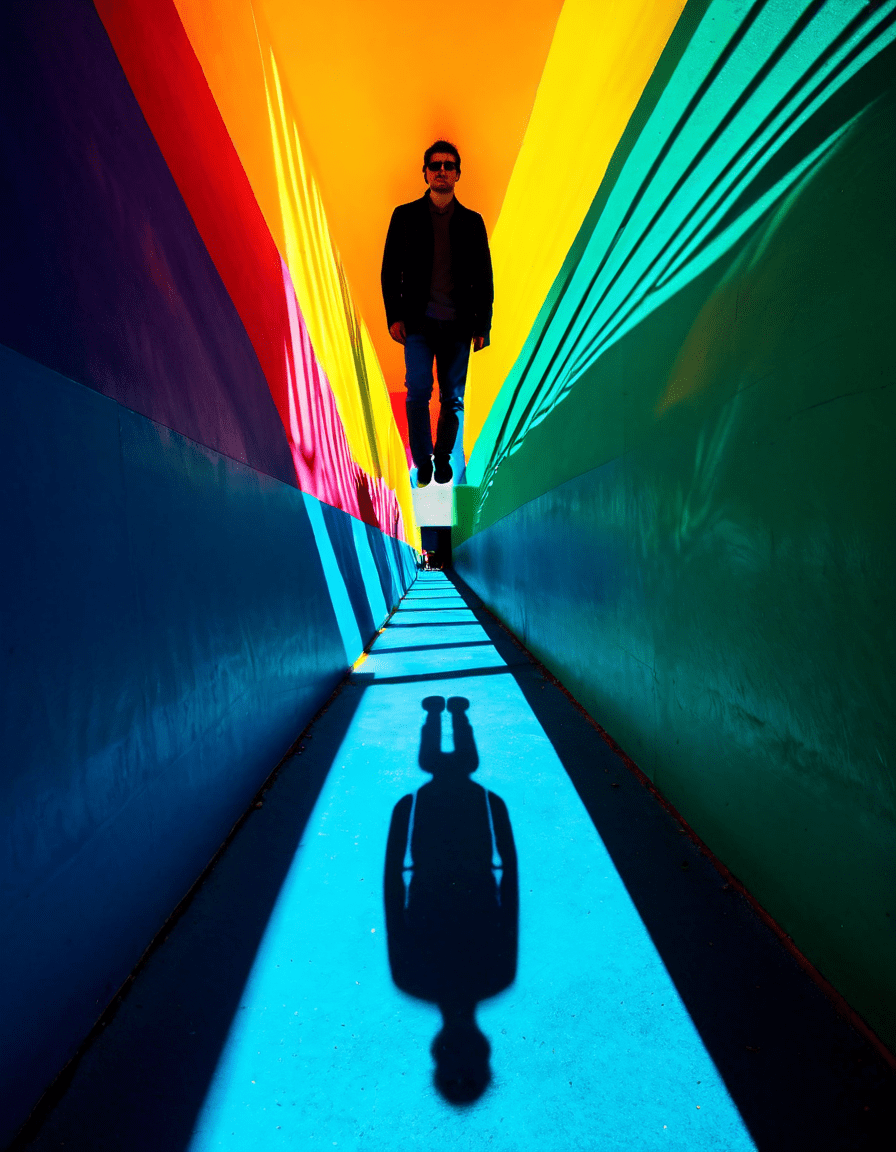
Top 7 Astonishing Ways Perception Influences Life: From Jockeys to Twins
Ever watched a horse race? Jockeys seem to have an almost supernatural ability to sense their position in the race. Research from the University of Kent reveals that when jockeys believe they’re in the lead, their performance skyrockets! This wasn’t just wishful thinking—it’s a prime example of how perception influences not only behavior but also success. Instead of just physical prowess, mental focus and belief play dazzling roles in performance.
Perceptions can be inherited like family heirlooms, often shaping our teachings, expectations, and beliefs. The newer generations grapple with these inherited perceptions, which can either uplift them or weigh heavily on their shoulders. In societies that emphasize collectivism, such as Japan, many individuals prioritize group harmony over personal desires. Meanwhile, more individualistic cultures, like that of the United States, often champion personal dreams. The dance between these inherited perspectives creates a vivid tapestry of cultural identity.
Migration isn’t just about changing addresses; it alters how we perceive identity and belonging. The Syrian refugee crisis is a stark reminder that home is not merely a place. Refugees have had their notions of home transformed, prompting new strategies for integration. Think of Germany, where cultural perceptions challenge the norms. Their experiences delve deeper into humanity, revealing our shared need for connection, safety, and understanding.
Identical twins are like a fascinating living experiment in perception. Research shows they often exhibit remarkable similarities in decision-making and preferences—whether raised together or apart. This begs the question: Are our perceptions hardwired into us at birth, or do life experiences play a more significant role? The findings from various studies uncover how our backgrounds mold our perspectives, painting an intriguing picture of human psychology.
If old-school magazines set trends, social media has turned perception into an exhilarating high-stakes game! Instagram and TikTok can distort realities, showcasing curated lifestyles that viewers aspire to replicate. Just check out the major influencers who carefully craft their lives for online fame. This social media facade often leads individuals to feel removed from their own reality, leading to comparisons that can harm self-esteem. The number of likes and comments can warp how people view themselves, tugging at their sense of self-worth and authenticity.
Companies have mastered the art of shaping perception through savvy branding. Coca-Cola’s “Share a Coke” campaign brilliantly transformed a soft drink into a shared moment of connection. By personalizing the product, Coca-Cola managed to shift public perception from being just another beverage to a celebration of relationships. This cunning marketing not only boosted sales but also crafted a new narrative around an everyday item.
The way urban spaces are designed significantly impacts our perception of community and safety. Take Copenhagen, for instance—this city’s emphasis on green spaces and pedestrian-friendly designs fosters feelings of safety and well-being among its residents. In contrast, cities lacking such designs often leave people feeling isolated. An environment filled with accessibility can enrich communal bonds and alter our perceptions of safety in everyday life.
Shaping Our Future Through Awareness of Perception
As we plunge deeper into a world defined by perception, awareness emerges as a beacon of hope for navigating our increasingly intricate lives. Recognizing our biases and the factors that influence our perceptions allows us to construct a more nuanced narrative for ourselves and others. Embracing diverse viewpoints doesn’t just enrich our personal experiences; it fosters empathy and understanding across communities.
In an interconnected society, the astounding ways perception shapes our lives reminds us that even amid our diverse experiences, we all share a lens through which to view reality. It’s a call to action—inviting us to fashion a more compassionate and understanding world. With each passing moment, let’s unearth the beauty in our shared and differing perceptions and shape a future that celebrates the kaleidoscope of humanity.
Remember, as our friend Joshua Bassett suggests in his latest hits, it’s all about love, connection, and shared experiences! So let’s consciously curate our perceptions and weave together stories that embrace all the colors of our human experience—because, at the end of the day, it’s how we choose to perceive the world that crafts the life we live.
Perception Shapes Our Reality in Astonishing Ways
The Power of Perception
Perception isn’t just what we see; it’s how we interpret everything around us. For instance, did you know that the way we perceive colors can affect our mood? Bright colors are often associated with happiness, prompting us to rethink our surroundings, just like how a vibrant sunset can make everything feel more magical. Speaking of perception, did you check out the latest adventures in “One Piece”? The show’s vibrant artistry and intriguing narratives can shift your view on storytelling altogether.
The Influence of Mental Filters
Our past experiences sometimes act as mental filters that shape our reality. Imagine living in a small town like Smithtown, where everyone knows each other’s business. That familiarity can create a comforting sense of community, but it can also warp perception. For example, if you’ve grown up hearing tales about celebrities like Landon Barker, your view of fame might be more influenced by gossip than reality. This fascinating inconsistency makes us question what we think we know.
Cultural Contexts and Shared Beliefs
Cultural contexts are key in shaping perception, too. Take holidays like Hanukkah; if you’re not familiar, you might wonder, When Does Hanukkah start? The celebration is rich with meaning, and understanding it means diving into the beliefs and histories of those who celebrate it. Similarly, the portrayal of characters in Meghann Fahy ’ s Movies And TV Shows can mold how we see different social scenarios. Perception blends fact with individual experiences and cultural learning, making it a powerful shaping force of our narrative.
So, whether you’re watching a gripping drama starring Kevin Alejandro or enjoying a local festival, remember to consider how your own perception creates your reality. We all see the world through different lenses, and that’s pretty remarkable!