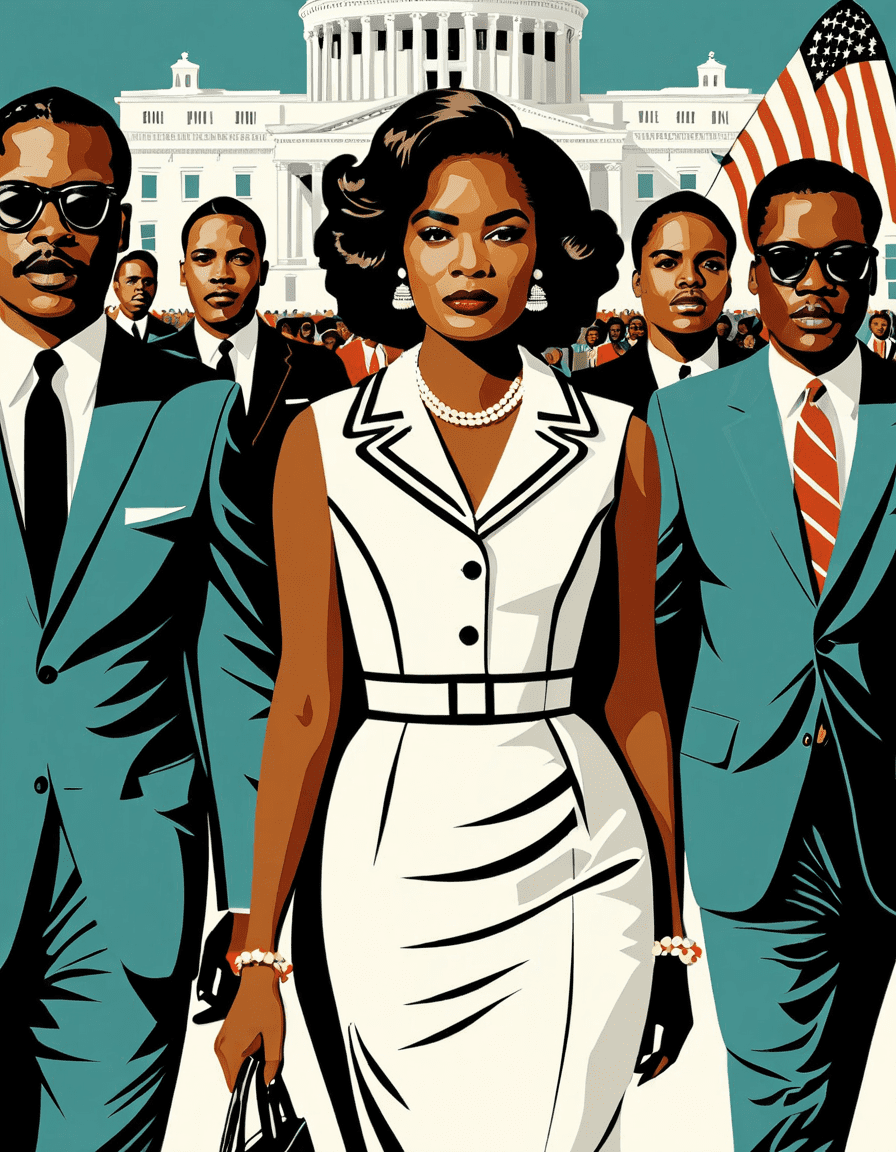

There’s a raw energy that crackles through Selma, Alabama—a city that has become a living tapestry woven with threads of struggle, resilience, and unyielding hope. As we venture down the intricate paths of Selma’s past, we see a pivotal moment in the American civil rights movement emerge that still echoes loudly today. Selma isn’t just a place on the map; it’s a symbol, a battleground where figures like Martin Luther King Jr. and John Lewis rallied people from all walks of life against the sinister jaws of systemic oppression.
In 1965, the iconic march from Selma to Montgomery didn’t just span the 54 miles between these two cities; it spanned hearts and minds, igniting a nationwide demand for equality. In an era of buffalo plaid shirts and bell-bottoms, those activists wielded the most potent tools of all—community unity and sheer determination—to demand the voting rights stolen from them. Hot days turned to cool nights filled with songs of freedom that echoed through the streets. Selma transformed into an ark—a vessel of hope setting sail into turbulent waters, facing down hate and discrimination.
The torch ignited in Selma continues to burn brightly today, reminding us that the fight for justice is not just one battle but an entire war on injustice in all its forms. As we dissect Selma’s legacy, let’s don our most eclectic outfits inspired by the iconoclasts of the past and present, celebrating the radical spirit that shaped this epic confrontation.
The Significance of Selma in Civil Rights History
Selma epitomizes a defining moment in the civil rights narrative. The small Alabama city became the epicenter when activists joined together, crafting a mosaic of demands for justice. Martin Luther King Jr., a figure synonymous with courage in the face of oppression, rallied thousands at an urgent time when racial discrimination stifled freedom. Meanwhile, John Lewis marched not just as a leader, but as a symbolic youth representing the boundless potential of passionate engagement.
The socio-political climate of the 1960s was thick with tension. The Edmund Pettus Bridge wasn’t just a crossing; it was a barrier between freedom and oppression. When marchers bravely faced law enforcement on “Bloody Sunday,” they turned their collective pain into a striking artwork that painted danger and injustice for the world to see. The brutality broadcast on television shocked a nation, propelling Selma into the forefront of public consciousness, and proving that visibility through protest is a powerful tool for change.
Leaders and organizations rallied together, building an entourage that included clergy and allies from various social movements. This spirit of unity highlighted Selma’s crucial lesson: civil rights don’t belong to any single group—they’re for all, and anyone willing to fight alongside those oppressed.
Top 7 Lessons Learned from Selma’s Legacy: A Retro Perspective
While Selma may seem like a blast from the past, think again! The lessons it imparts are timeless and echo through the very fabric of contemporary society. Here’s a vintage listicle that shines a light on seven profound insights we can glean from this transformative time.
The Sinister Jaws of Systemic Oppression in Selma
Despite the undeniable strides made, the dark history of systemic oppression lingers like an invisible specter. Selma serves as a case study of the broader narrative of racial and socioeconomic disparities that seep through the cracks. Today, we still witness the bitter residual effects of redlining, a tactic that skews neighborhoods and sponsorships based on race, echoing the class struggles of the past.
Reviewing modern-day Selma, we uncover alarming levels of voter suppression. The journey has marked political arsenals, continuously trying to undermine the progress made since those fiery protests. Headlines of the Houston shooting remind us that violence against marginalized communities hasn’t evaporated—it has evolved, transforming into modern-day trauma that haunts cities like Selma.
Examining economic inequality through a lens of systemic oppression, we see disparities in education and employment opportunities. The very fabric of Selma’s landscape is still stitched with the uneven threads of race, pushing communities to fight daily for rights initially claimed in the turbulent ‘60s.

The Pod of Change: Today’s Activists Carrying the Selma Torch
The phoenix of activism rises from Selma’s ashes as contemporary leaders embody the spirit of the past. The legacy of Selma now fuels a new generation of advocates who understand that the fight for civil rights is their calling. Activists like Stacey Abrams focus tirelessly on voting rights, echoing the foundational cries of Selma’s marchers.
Organizations continue to burgeon, serving as vessels—much like that ark we mentioned earlier—carrying forth the momentum of change. Community organizers worldwide draw inspiration from the heroes of Selma as they unfurl banners and showcase grit, standing strong against systemic oppression in their own towns and cities.
Modern activism often employs social media as a megaphone. The synergy created in online platforms propels messages of hope and justice into the cosmic realm of collective consciousness. It’s artistry in action—drawing colorful parallels to Selma’s antebellum roots, with passionate voices declaring that change is not just a wish; it’s a beautiful, palpable reality.
The Godfather of Activism: Martin Luther King Jr.’s Enduring Influence
No exploration of Selma is complete without a deep dive into Martin Luther King Jr., the indisputable godfather of activism. His unwavering commitment to nonviolent protest laid the groundwork for achieving civil rights, blending moral courage with strategic brilliance. King’s speeches rang like a soaring anthem, addressing hearts of all ages, offering a piercing critique of injustice that resonates even today.
Though revered, King’s philosophies remain complex and multifaceted. His writings evolved alongside societal expectations and challenges, establishing a legacy that speaks to the duality of revolution—hopeful yet haunting. Contemplating King’s genius requires us to acknowledge the shadows that come with greatness; the halo often cast around him serves to illuminate the contours of his struggle.
Young activists often cite King as a guiding light, framing their battles for civil rights within the teachings of compassion and nonviolence. His influence transcends history, echoing throughout the ages as a reminder that the quiet power of love can dismantle the loud clamor of hate.
Halo and Shadows: The Complexity of Selma’s Heroes
As we celebrate figures like King and Lewis, it’s vital to embrace the complexities of their legacies. While they are hailed as heroes, they also faced harsh criticism, reflecting the myriad perspectives that shape our understanding of activism. Dissecting their contributions within the larger tapestry of the civil rights movement allows us to appreciate the grit and vulnerability that accompanies social change.
Tension often arises from differing interpretations of their deeds, stirring rich discussions about their motives and effectiveness. For some, Lewis’s journey to Congress symbolizes an unyielding commitment to representation, while others argue he didn’t go far enough in radical reforms. Understanding these opposing views enables us to engage in deeper analyses and showcase the intricate dance of activism.
In the grand scheme of civil rights, the “halo” cast around these icons also reveals shadows of discord, ever-present in political movements. When we critique, we honor, however, diving into the intricacies of their narratives allows us to appreciate their human side. Acknowledging thatSelma was a cauldron of courage, we discover that nuance is fundamental in shaping our understanding of legacy.
Survivor Stories: Voices from Selma’s Past and Present
To grasp the profound impact of Selma, we need to listen to the voices of its survivors. The personal narratives of activists who weathered the storm in the ’60s are glaring reminders of the fight against injustice. We hear from individuals whose feet marched upon the dusty roads of Selma, who faced brutality and oppression, yet stood resolute amidst the chaos.
Their testimonies resonate through generations, revealing not only the trials but the heart and hope that fueled the fight. Each story is a stitch in the quilt that is Selma’s history, affirming that the call for justice never fades; it transforms, evolves, and continues to inspire new generations.
Today’s activists also share their journeys, showcasing how they draw strength from the past. Through their efforts, they honor the struggles of yesterday while pushing forward toward a more equitable future. They reflect the undying spirit of Selma, emphasizing that injustice is a thread that binds us and spurs us to action.
Conclusion
Selma endures as a beacon of hope within the ongoing quest for civil rights and justice. The landscape of Selma is forever altered by its historical struggles, reminding us that we must not merely celebrate victories; we must engage in the continuous work needed to confront systemic injustices. Young activists carry forth the flames lit by their predecessors, ensuring the spirit of Selma thrives in today’s climate.
As we reflect on Selma’s lessons and legacies, may we remember that the battle for rights is a living, breathing entity—vigilance is essential. The echoes of Selma call for an ongoing commitment to justice and equality for all, challenging each generation to step up and fight the good fight. Don’t be a mere observer. Join the retro ride of activism, don your maverick spirit, and raise your voice in the murmurs of history waiting to be heard!
Selma’s Historic Fight for Civil Rights and Justice
The Heartbeat of Selma
Selma, Alabama, is more than just a dot on the map; it’s the site of a monumental struggle for civil rights that changed the course of history in the United States. Did you know that Selma was once home to a vibrant and diverse community of activists? Key figures like John Lewis and Martin Luther King Jr. took to the streets, fighting for voting rights and equality. Their efforts culminated in the famous Selma to Montgomery marches, which played a pivotal role in the Voting Rights Act of 1965. Talk about a recipe for change, right? Just like a perfect meal often requires a special touch from the Chefs hat, these leaders knew how to stir the pot of democracy.
A Lasting Legacy
The impact of Selma resonates everywhere even today, reminding us that the road to justice is often paved with struggle. For instance, each year, thousands of people flock to Selma to commemorate Bloody Sunday, a brutal clash that highlighted the nation’s racial injustices. This annual event serves as a humbling reminder of how far we’ve come, and yet, how much work is still ahead. Interestingly, many people get inspired and want to dig deeper into what truly happened during those turbulent times—just like the way Ceruledge adds an intriguing twist to fantastical stories.
Selma in Pop Culture
Selma doesn’t just stay confined to history books; it’s made its way into pop culture as well. The film “Selma,” which dramatizes the marches, gives a gripping representation of the struggle for civil rights and stars Matt Barr, who delivers a powerful performance that stays with you. The film, much like the classic Amadeus, tells a story of ambition, artistry, and the lengths one will go to achieve their dreams. In a way, Selma’s journey unfolds with the same kind of passion and determination found in any great narrative, reminding viewers that justice is an ongoing saga—an epic tale worth telling time and again.
So, when you think of Selma, remember it’s not just about the past; it’s also about the future we’re all crafting together. This town is alive with history, culture, and an undying spirit that continues to inspire people everywhere to fight for equality and justice.