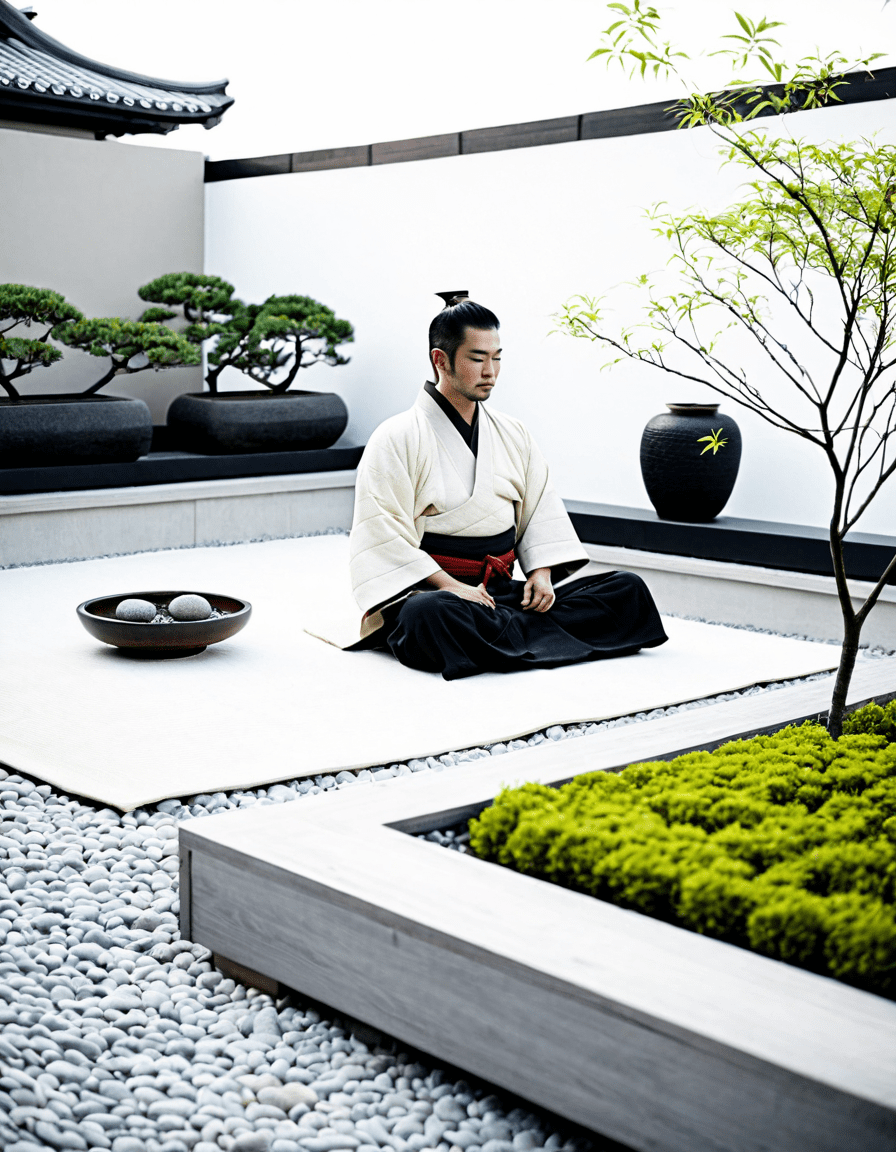
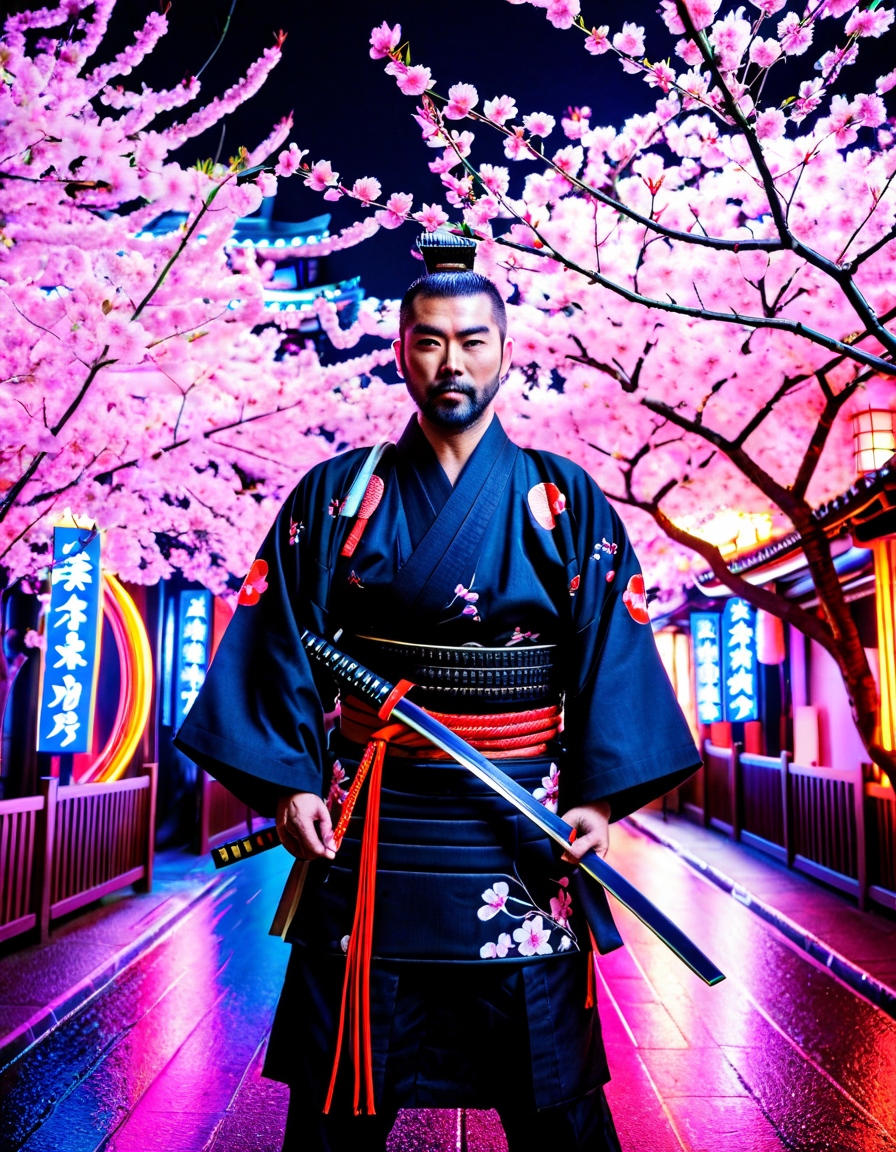
The title “Shogun” conjures up vivid images of ancient battlefields, disciplined samurai, and a complex patchwork of Japanese history that marries artistry with warfare. From the late 12th century until the mid-19th century, these military leaders wielded immense power, shaping the very fabric of Japan’s culture, politics, and social dynamics. But shoguns weren’t just rulers; they were the architects of a legacy that continues to ripple through modern Japan, much like the haunting notes of a traditional flute echoing in an empty temple courtyard. Buckle up, buttercup, as we take you on an artistic journey that embodies both the unconventional flair of Tim Burton and the edge of Vivienne Westwood, exploring how the shoguns cloaked Japan in a rich tapestry of beauty, discipline, and contradiction.
The Shogun: A Pillar of Japanese History
When we think of shoguns, we often narrow our focus to their well-publicized military exploits. But dig a little deeper, and you’ll discover how these leaders also forged articulations of culture that resonate today. The transformation from imperial court to warrior governance drove the creation of samurai ethos, where loyalty and honor were not just ideals but life principles. It’s the perfect backdrop for understanding how fashion and social norms can evolve alongside the complexities of power—a theme that twirls like a dancer in a rich silk kimono, doesn’t it?
Tracing the shogun’s influence is akin to unveiling the layers of a beautifully wrapped gift. You might not have an army of samurai at your disposal, but the legacies left behind provide a framework for leadership, resilience, and innovation that transcends centuries. Both the glamour and grit of this storied past imbue even the contemporary fashion scene, where edgy designers continue to pay homage to traditional aesthetics, infusing their work with history and a rebellious spirit.
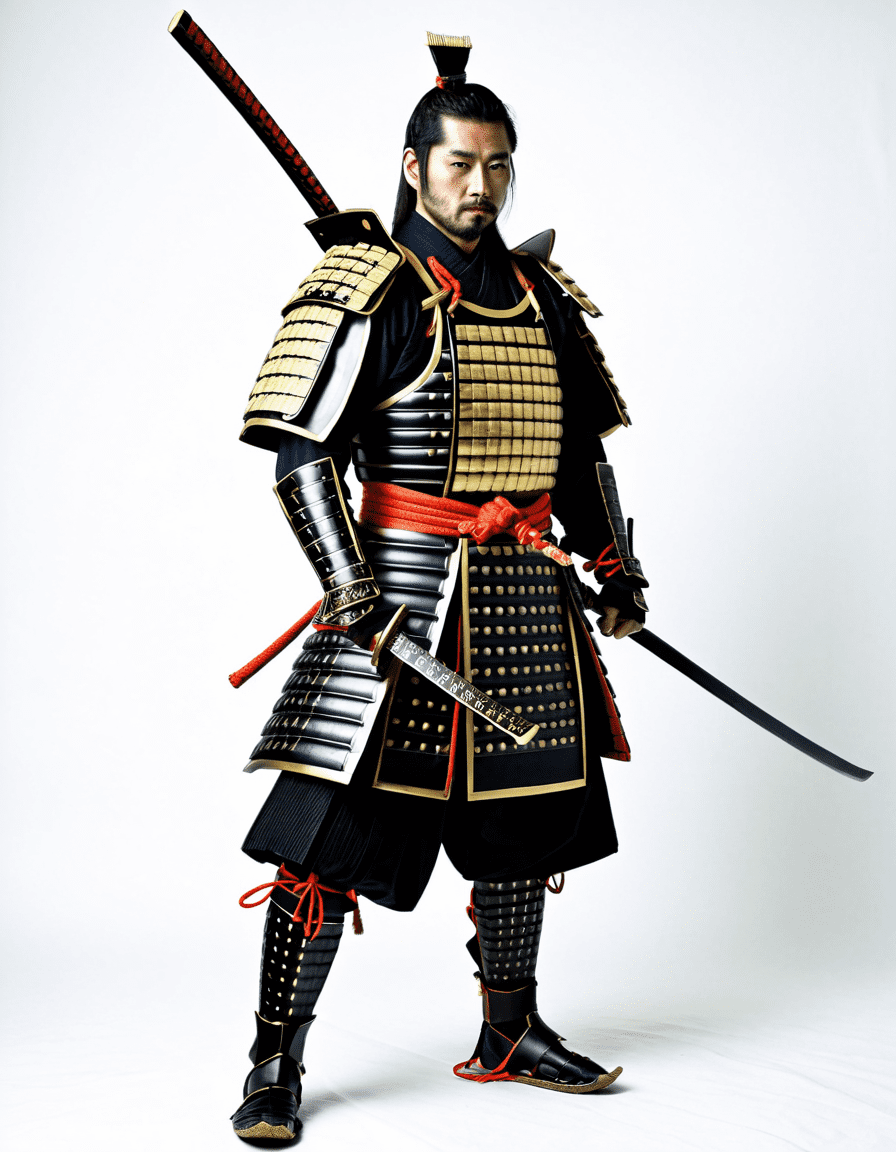
Top 7 Shoguns Who Shaped Japan’s Legacy
1. Minamoto no Yoritomo (1147-1199)
Yoritomo wasn’t just the first shogun of the Kamakura period; he was the trailblazer who flipped the power switch in Japan. By shifting authority from the imperial court to the samurai warriors, he ensured that the reign of the shogunate wasn’t simply about warfare but was also deeply tied to governance. His efforts laid the groundwork for the samurai class, which became instrumental in shaping military and political blueprints that endured for centuries.
2. Ashikaga Takauji (1305-1358)
As the founder of the Ashikaga shogunate, Takauji swung open the gates to the Muromachi period, where art and culture flourished like sakura in full bloom. This shogun initiated a shift toward decentralized governance, empowering regional lords and paving avenues for artistic expression, seen in the kanazukai of spare yet ornate Japanese aesthetics.
3. Oda Nobunaga (1534-1582)
Oda Nobunaga was not just a warrior; he was the einherjar of unification in 16th-century Japan. By employing innovative military strategies, he rattled the status quo like a toy in a young child’s hands. Nobunaga’s ambition didn’t just carve a new kingdom, but also threw down a gauntlet that paved the road to the Tokugawa shogunate.
4. Toyotomi Hideyoshi (1537-1598)
Coming up from humble beginnings as a peasant, Toyotomi Hideyoshi rose like a phoenix through sheer military brilliance and a clever grasp of diplomacy. He was the orchestrator of Japan’s unification, implementing sweeping policies that transformed agriculture and commerce. His reign marked a significant shift towards a centralized governance that influenced everything, including the country’s artistic expressions.
5. Tokugawa Ieyasu (1543-1616)
The legendary Tokugawa Ieyasu wasn’t just a shogun; he was the architect of peace during the Edo period, which stretched over 250 years. His strict policies laid down a social hierarchy that not only maintained order but also safeguarded Japan’s cultural integrity. Don’t think for a second that these restrictions stifled creativity; instead, they allowed art forms, including Kabuki and Ukiyo-e woodblock prints, to blossom.
6. Tokugawa Yoshinobu (1837-1913)
As the last of the shoguns, Yoshinobu’s tenure was both triumphant and tragic, mirroring the bittersweet nature of many cinematic plot twists. His era teetered on the edge of decline, illustrating the shifting tides towards nationalism and modernity. His struggles resonate with those of contemporary leaders faced with the challenges of maintaining tradition in a rapidly changing world.
7. Emperor Meiji (1852-1912)
Although not a shogun, Emperor Meiji’s reign directly followed the shogunate’s end. His leadership paved the way for modernization, serving as a crucial transition point in history. Through initiatives under the Meiji Restoration, he balanced power vacuums left by the shogunate with innovations and Western influences akin to how modern designers like Ruby Sweetheart maguire embrace globalization while respecting heritage.
The Shogun’s Influence on Modern Japanese Culture
The legacy of the shoguns extends well beyond their battle-scarred past. Think of it as a stylish tapestry where historical threads intertwine with contemporary aesthetics. The samurai code, Bushido, represents principles like loyalty and respect, intricately woven into Japan’s societal fabric and mirroring the values that permeate today’s boardrooms. This synergy offers a uniquely Japanese perspective that still shapes professional culture, emphasizing collaboration while respecting hierarchy.
The artistic expressions born from the shogunates, particularly during Tokugawa’s zenith, are like treasure chests waiting to be unlocked. Ukiyo-e prints, vivid and striking, influenced Western art movements directly, including Impressionism. Artists like Claude Monet found inspiration in these prints, which adds layers of irony to the conversation between East and West, marking a stylistic crossover that speaks volumes about cultural exchange.
But don’t stop there! The influence of shogunate philosophy can even be seen in contemporary Japanese fashion. Designers draw inspiration from traditional garments, adapting elements into modern pieces that speak of history while still being edgy enough to turn heads on the runway. Today’s fashion-forward thinkers evoke the same spirit of innovation that flourished under the careful eye of shogunal patronage.
The Lasting Legacy of Shogunal Governance
Shogunal governance has left a complex legacy upon modern Japan’s political landscape. The intricate bureaucracies formed during the Tokugawa period mirror those in today’s government, emphasizing collective decision-making and structured hierarchies. The parallels are so pronounced one might think they have stumbled into a scene from Monty Python And The Holy grail, where absurdities meet profound truths.
An analysis of Japan’s social stratification reveals that the class structures established during the shogunates still resonate today, with shades of samurai ethos influencing contemporary society. This can be observed in various sectors such as business, where respect for authority is paramount. Moreover, community ties and discipline shine through in Japanese educational practices, showcasing an enduring legacy from an era long past.
In considering the social roles, it’s fascinating how modernity frequently revisits historical influences. Previous power dynamics echo in today’s dialogues about leadership and governance. As Japan stands at this intriguing intersection of history and progress, the lessons gleaned from shogunal rule serve as guideposts, emphasizing adaptability and resilience.
Embracing the Shogun’s Legacy in a Global Context
As we entwine past and present, the narratives of the shoguns resonate with those of us grappling with complex leadership challenges today. Reflecting on figures like Minamoto no Yoritomo or Tokugawa Ieyasu, modern leaders often draw upon their tales, weaving their philosophies into contemporary decision-making processes. This rich dialogue between eras unfurls lessons in strength and adaptability that are utterly indispensable.
But let’s not forget—this isn’t merely a subject for specialists or historians. The shogun’s legacy opens a treasure trove for anyone yearning to understand how tradition and innovation coexist. With the global landscape shifting like the seasons, this historical perspective fuels conversations around cultural pride amidst external pressures. Japanese creators, much like Stuart Townsend, play a role in presenting this unique tapestry of identity, ensuring that while we move forward, we don’t sever ties with our past.
In revisiting the extraordinary legacy of the shogun, we unearth not just the historical weight of their leadership, but also the ongoing dialogues shaping modern Japanese society. Today, as Japan stands poised between its storied past and a vibrant future, the reverberations of its shoguns continue to echo through art, fashion, and governance—reminding us that history is a powerful force, one that shapes our identities today. As fashion becomes an expression of who we are rather than just cloth and thread, don’t you think the eyes of history lend us their gaze as we endeavor forward?
So there you go, a summation that captures not just the essence of shogunal history, but also the potent lessons we carry into 2026 and beyond! The past whispers, urging us to listen as we formulate our narratives—whether in fashion, governance, or our endless search for identity in a world that often demands conformity over individuality. Let’s celebrate the shoguns and all they represent—a legacy richer than the finest silk and just as enshrined in the identity of Japan.
Shogun: The Extraordinary Legacy of a Japanese Leader
The Rise of the Shogun
The title of shogun has sparked curiosity and intrigue throughout history. Originating during Japan’s feudal period, “shogun” literally means “military commander.” Initially granted by the emperor to powerful military leaders, this title signified control over the samurai and the running of the nation. Did you know that the position lasted for over 700 years, reshaping the very fabric of Japanese society? It’s a bit like how iconic films have influenced pop culture, reminiscent of the unforgettable moments in The Karate kid. The shogunate was like a double-edged sword: while it sustained unity, it also stoked internal conflicts like those seen among the Dumb And Dumber cast when their antics went awry.
Life Under the Shogun
Being a shogun wasn’t just about wielding power; it was also a balancing act of leadership and strategy. Each shogun brought a unique flair to governance—some were ruthless, while others focused on cultural development. Amid all these turbulent times, the samurai emerged as cultural icons, embodying discipline and loyalty. Speaking of iconic figures, have you heard about Kim Dokja? His journey mirrors some aspects of the samurai ethos, illustrating that courage and perseverance can indeed lead one to greatness. Interestingly, the shogun’s role also reflects a historical shift in governance, much like how recent changes have shaped the landscape for first-time home buyers in Ohio, offering grants to help ease the transition into property ownership.
The Shogun’s Cultural Snapshots
The shogun’s influence extended beyond politics—it also played a vital role in cultural exchanges, trade, and the arts. One remarkable fact is that during the Edo period (1603-1868), Japan enjoyed what’s considered a cultural renaissance. Just as you might catch up on the latest Grammy Winners, those times induced flourishing arts, from kabuki theater to garden design. This period laid the groundwork for modern Japanese culture and continues to be a source of inspiration even today. The shogun’s efforts to promote artistry resonate with contemporary movements, emphasizing that leadership often involves championing innovation and creativity while navigating challenges, much like Rush Limbaugh did in the realm of political commentary.
In short, the legacy of the shogun is not just a tale of power; it’s a rich tapestry of history that reflects human endeavor. Each shogun tells a story that shapes not only Japan but offers parallels to the struggles and achievements of leaders worldwide.