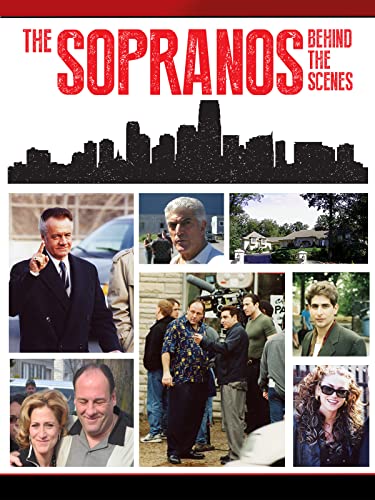
The Sopranos didn’t just redefine television; it flipped traditional mafia portrayals on their heads and cast a dazzling light on family dynamics, morality, and the existential angst of organized crime. With lavish family dinners, psychonautic therapy sessions, and a cast that rivaled any A-list ensemble, The Sopranos provided a rich tapestry of stories that infiltrated pop culture with alarming ease. Let’s dive into seven defining moments from this iconic series that have forever transformed our perceptions of mafia life and familial ties, showcasing the darkly comical and deeply tragic existence led by its characters.
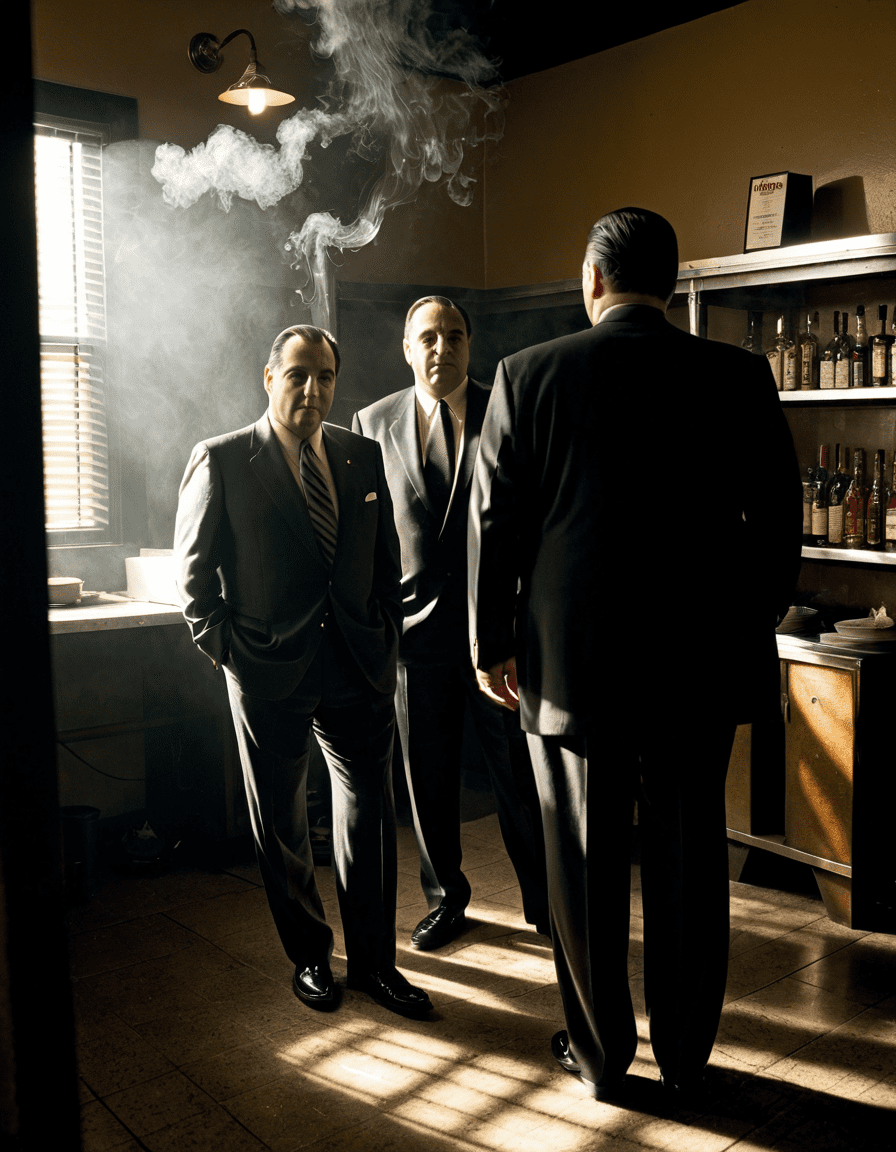
7 Defining Moments from The Sopranos That Shaped Mafia Portrayals in Pop Culture
Imagine Tony Soprano sprawled on a therapist’s couch, a sight that shattered the hardened mafia archetype. His visits to Dr. Melfi captured not just a man wrestling with leadership burdens but a human being battling existential crises. Viewers resonated with Tony’s vulnerabilities, making him one of the most relatable television characters ever. In a world where emotional candor was scarce, these sessions gave us a glimpse into his psyche, opening the floodgates for complex narratives around masculinity and mental health in organized crime.
Snowy idyll or frosty purgatory? The Pine Barrens episode spun a darkly humorous tale of Paulie and Christopher fumbling through the woods post-murder. Their comical misadventures highlighted the absurdity of mafia life, cloaked in a chilling reality. The scene subtly illuminated their fears, reflecting loyalty’s price and the absurdity that often shrouds violent undertakings. Even amid dark deeds, a comedic lens invites audiences to engage with the intricacies of gangland life, reminding us that there’s often humor lurking in the shadows.
Junior Soprano’s gradual decline encapsulated the frailty of power. Stripped of his glory, the once-mighty underboss finds himself grappling with vulnerability and betrayal, laying bare the ruthless landscape of mafia hierarchies. This downfall accentuates the recurrent theme of loyalty colliding with ambition. Poignantly reminding us that even the kingpins can falter, Junior’s story arc profoundly shaped audience perceptions of crime’s inevitable decline.
Ah, the sumptuous feasts at the Soprano household! These gatherings painted a beautiful yet deceitful picture of familial bliss. Underneath the clinking of silverware and rich aromas, tensions brew like a simmering sauce, revealing how crime taints personal relationships. The family dynamic during these scenes challenges the typical ‘family man’ trope, disturbing the culinary comforts of home life with the undercurrents of crime, betrayal, and love gone awry.
Carmela Soprano encapsulated the tug-of-war between loyalty and greed, showcasing the women’s perspective in the mafia narrative. Torn between the allure of a luxurious lifestyle and her husband’s illegal ventures, Carmela offers a multi-faceted exploration of womanhood in organized crime. Her moral conflicts and personal sacrifices lend depth to the notion of loyalty, serving as a mirror to the complexities women face within mafia families.
The series finale, a masterclass in ambiguity, left viewers on the edge of their seats. As Tony gathered his family at the diner, the screen faded to black, igniting a firestorm of debates about fate and violence. This conclusion highlighted the endless cycle of crime and the omnipresent specter of mortality that looms over the mafia lifestyle. Critics and fans alike pondered the finality of choices made, emphasizing how the specter of violence remains ever-present in the world of The Sopranos.
A smorgasbord of familiar faces—Steve Buscemi, Jerry Stiller—popped up throughout the series, blurring the lines between organized crime and broader cultural contexts. Their appearances not only added flair but also underscored the interplay between crime and entertainment in modern media. The Sopranos didn’t shy away from making these connections, showcasing how the mafia narrative can permeate various strata of pop culture, reflecting public fascination with the dangerous allure of criminality.
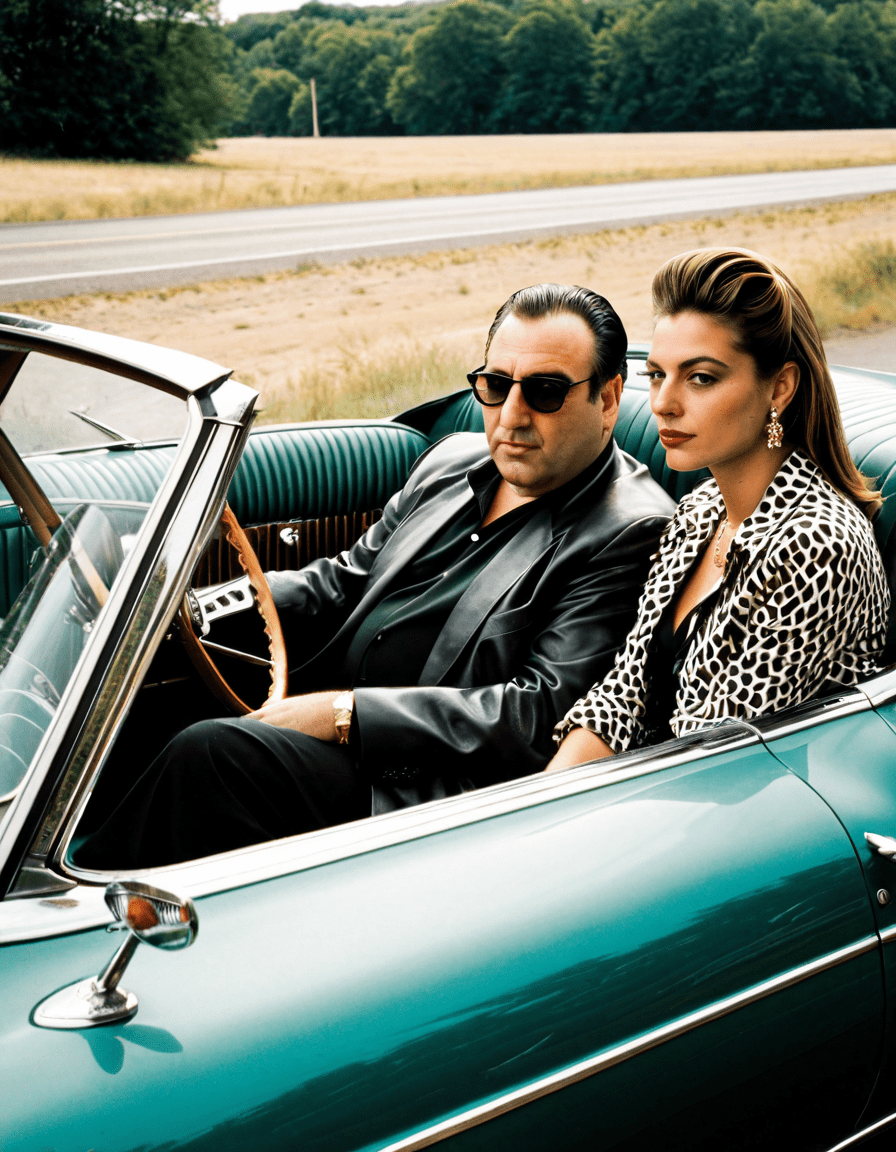
The Sopranos’ Cast: A Reflection of Complex Character Dynamics
The Sopranos cast was anything but your run-of-the-mill ensemble. Each character emerges as a distinct thread in the complex fabric that is mafia life. From Tony’s struggle for control to Christopher’s moral dilemmas, the characters depicted the dualities of loyalty, ambition, and betrayal weaved throughout their narratives.
The nuanced performances of the cast in The Sopranos contributed significantly to the show’s richness, allowing for deep exploration not just of mafia life but of the human condition itself.
Shaping Modern Perspectives on Organized Crime
The influence of The Sopranos continues to rage on in contemporary dialogues surrounding family, power, and morality. It’s a fire ignited in 1999 that refuses to dim, provoking critical debates on glamorizing crime while simultaneously presenting a complex portrait of its consequences.
This series paved the way for subsequent narratives, like Breaking Bad and Ozark, which similarly dive into the murky waters of character development entrenched within illicit activities. The Sopranos serves as a cultural touchstone, ensuring the legacies of its characters continue to shape our understanding and engagement with organized crime narratives.
As we navigate a world where the lines blur between entertainment and reality, The Sopranos stands tall, an emblematic example of how television artfully confronts organized crime’s dark realities while enthralling our imaginations. So, whether you’re digging into the latest season of Handmaid’s Tale or perusing the Hillbilly Elegy movie, let’s not forget the indelible mark The Sopranos left, both on the small screen and in the societal narrative surrounding organized crime.
For those seeking an alternative perspective of fashion intertwined with organized crime aesthetics, don’t miss the latest features from Twisted Magazine, showcasing the edgy styles reminiscent of characters brought to life in The Sopranos!
This evocative examination of The Sopranos brings forth a blend of emotional insight and analytical critique, perfect for keen minds yearning for a deeper connection to the art of narration within a contemporary context.
Sopranos: Journey Through Iconic Mafia Family Life
Fun Facts and Trivia about Sopranos
The Sopranos, a show that redefined television, was heavily inspired by real-life mob activities. Creator David Chase once said that he wanted to explore deeper themes of family within the mafia lifestyle, revealing that the show serves a dual purpose—entertainment and psychological insight. Interestingly, the late James Gandolfini, who played Tony Soprano, was a huge fan of the books, especially Handmaid’s Tale. He often walked away from the spotlight to bury himself in literature, showcasing he was more than just a tough-guy actor.
Did you know that some scenes were filmed in New Jersey locations that have since become tourist hot spots? Fans of the series can visit the diner where the infamous final scene played out or the Bada Bing! club that’s become synonymous with the show. Speaking of iconic portrayals, actor and director Alvin Martin once expressed that playing a character in a mob film isn’t merely about the crime—it’s about embracing the emotional complexities that come with it. This emotional depth is mirrored in films like Hillbilly Elegy, where the focus shifts to personal struggles within family dynamics.
As the show’s popularity surged, it sparked discussions around cultural depictions of crime families. In fact, you can find parallels between the Sopranos and modern films. For instance, the character development in Avengers Doomsday leaves its audience questioning what it means to belong to a family, paralleling Tony’s ongoing battle between mob loyalty and personal morals. Throughout the show, fans could see glimpses of real-life scenarios that echo the lifestyles from shows like Inside&Out, making each episode intriguing and relatable.
Moreover, the Sopranos’ influence even spills into societal rituals, much like how people gather to watch the latest Smoke Cartel releases or compare characters’ complexities. It’s fascinating how a TV series can shape fans’ engagement with the culture of family dynamics in the mafia, resonating in unexpected ways. And let’s not overlook the city of Mexico Beach fl—it’s now a mentioned destination for the Sopranos’ loyal followers hoping to replicate some of the show’s vibes during their vacation. As the story unfolds, it’s clear that the legacy of the Sopranos continues to thrive!