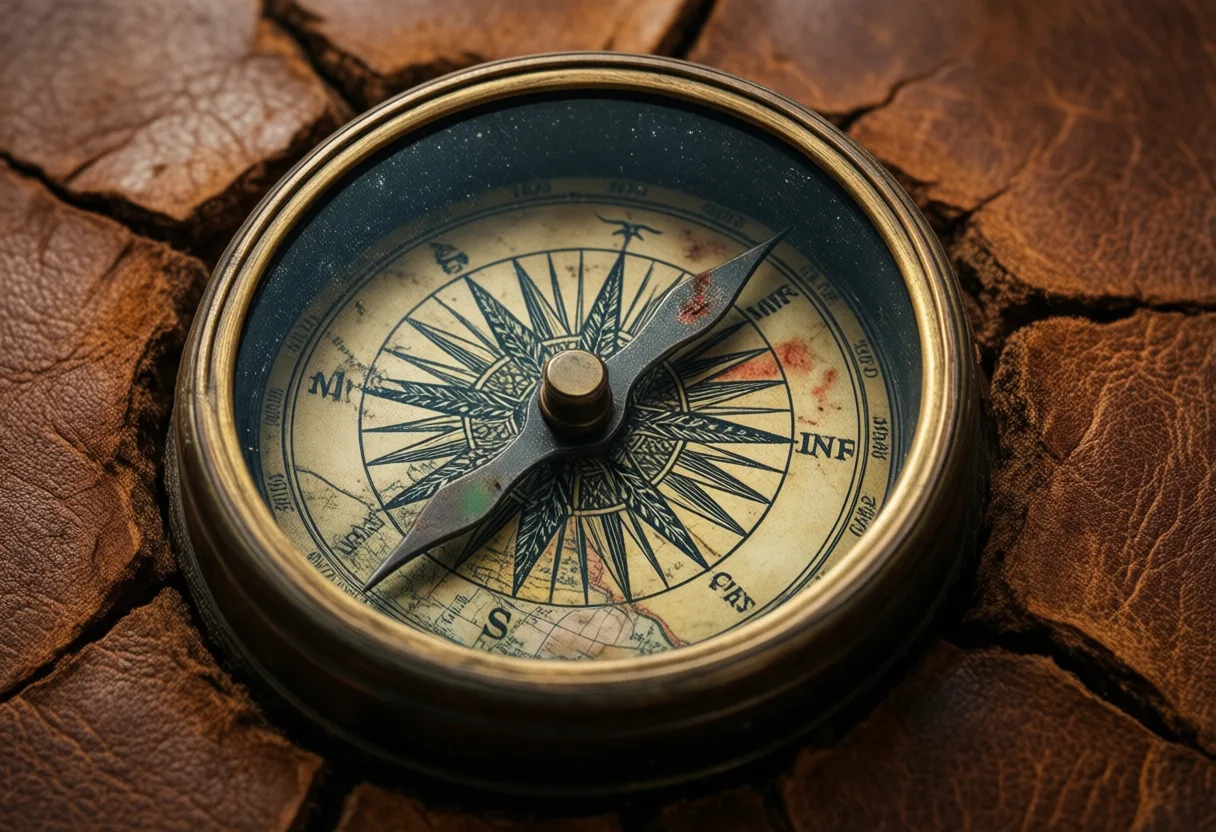
There’s something quietly rebellious about a man who wears his history on his skin-not as spectacle, but as scripture. Tattoos, at their best, are less about decoration and more about declaration: a permanent whisper of who you were, who you are, and who you refuse to become. In the world of alternative fashion, where the edges are always sharper and the shadows deeper, ink becomes armor, heirloom, and manifesto all at once.
The Alchemy of Ink: Why Men Choose Meaning Over Aesthetics
Tattoos Have long outgrown their outlaw origins, yet they still carry the scent of defiance. For many men, the decision to get inked isn’t about trends-it’s about Staking a claim on identity In a world that constantly tries to erase it. A well-placed symbol can outlast a reputation, survive a downfall, and speak when words fail.
In the underground salons of Berlin, the back-alley parlors of Tokyo, and the candlelit studios of New Orleans, men are trading flash sheets for folklore. They’re not asking for dragons just because they look cool-they want the dragon that guarded their grandfather’s war letters. They’re not picking anchors for nautical charm, but because the sea took their brother and they swim anyway.
This shift isn’t just cultural-it’s psychological. A Tattoo With meaning becomes a compass, not a souvenir. It’s the difference between wearing a skull because it’s edgy and wearing one because it bears the name of someone you lost at 23. In this light, ink stops being fashion and starts being faith.
Symbols Forged in Fire: Motifs of Strength and Resilience
When strength is the theme, the imagery runs deep and dark-like roots under cracked pavement. These aren’t the flexing biceps of Gym culture Or the cartoonish eagles of trucker hats. These are symbols that have bled through history, worn by warriors, poets, and prisoners alike.
- The Phoenix, of course, remains a favorite-but not the glittering, rainbow-feathered version. Think charred wings, one eye still open, rising from a skeleton’s ribcage. It’s not about rebirth for show; it’s about surviving what should have killed you.
- Bear tracks Pressed into a forearm tell a story of quiet power-no roar, just presence. In northern traditions, the bear is both healer and destroyer, a force that walks between worlds.
- Chain links, broken, often wrap around biceps or coil around wrists. Not as a nod to prison culture, but as a personal testament-proof that some bonds can be snapped, even if the scars remain.
And then there’s the Wolf-not howling at the moon in some Instagram-ready pose, but crouched, watchful, ribs visible under thin skin. A lone wolf isn’t lonely; he’s selective. He remembers the pack that turned on him and walks sharper for it.
These aren’t just animals or objects. They’re Archetypes wearing fur and fang, and men choose them not to impress, but to remember.
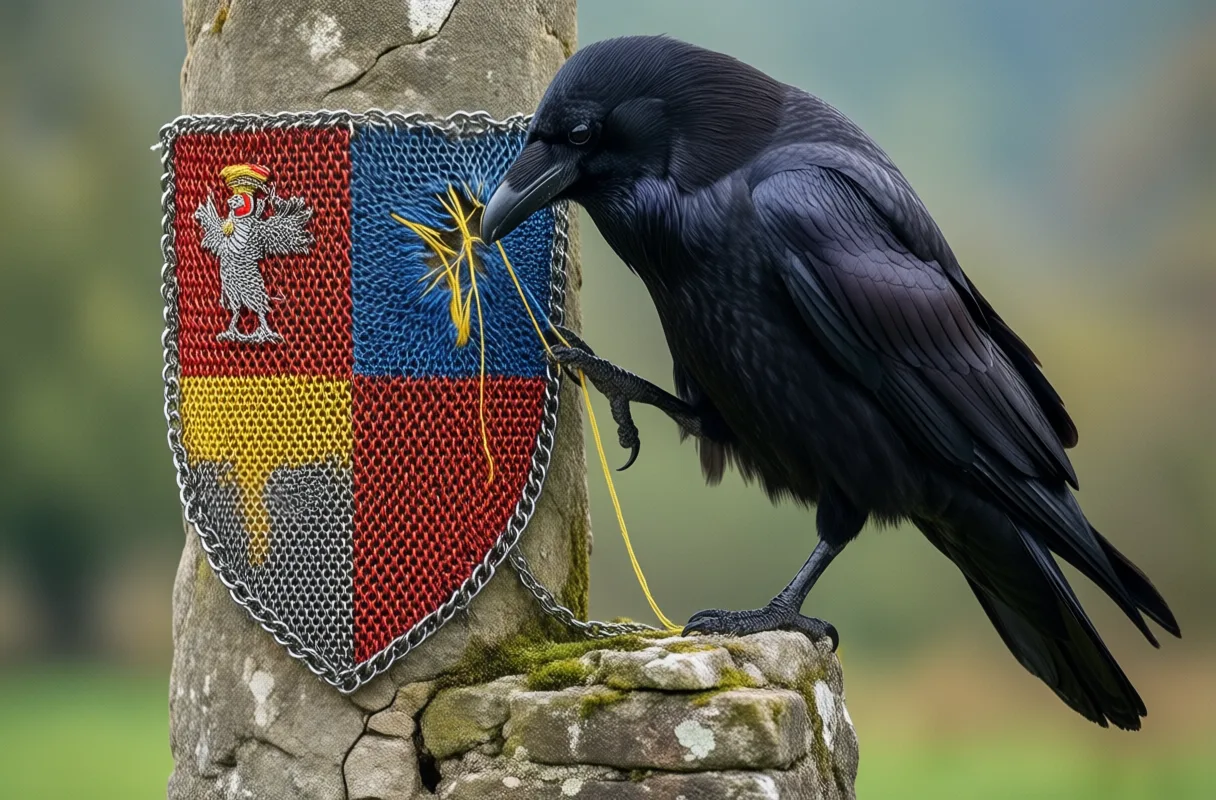
Legacy in Lines: Tattoos That Honor What Came Before
Legacy is the quietest kind of rebellion. It says: I come from something. I carry it. I will not let it vanish. In a world obsessed with the new, honoring the past is an act of resistance.
Some men ink their father’s handwriting across their collarbone-just a single sentence, maybe something ordinary like “Don’t let them see you sweat.” But that line? It was spoken in a hospital bed, under fluorescent light, and now it lives in black ink and skin.
Others go bolder: Entire family Crests reimagined with thorns, or the silhouette of a house that burned down, its windows glowing with the names of those who lived there. One man I met in Reykjavik had his grandmother’s knitting pattern turned into a sleeve-each stitch a line of ink, each loop a memory of cold mornings and wool-scented silence.
And then there are the Languages lost. Not spoken in decades, but now carved into forearms in sharp Gothic script. These tattoos don’t need translation. They’re not for the public. They’re Whispers to ancestors, a way of saying: I still know your name.
Placement as Power: Where Meaning Meets the Body
A tattoo’s location is never accidental. It’s geography with intention. The body becomes a map, and every inch tells a different part of the story.
The Chest, over the heart, is for the unapologetic-names, dates, symbols so personal they’d burn if spoken aloud. It’s the most vulnerable real estate, and only the bravest claim it.
The Spine Is for the slow burn. Long inscriptions, family trees, or a single vertical line of runes that rise like smoke. It’s hidden most of the time, revealed only in moments of trust-or surrender.
And the Hands? That’s where the fearless live. A single word on the knuckles-“Breathe”, “Still”, “Again”-not as a threat, but as a reminder. These are tattoos that speak every time you clench a fist or offer a handshake.
Even the Feet, pressed into the earth with every step, carry symbols of journey and endurance. Anchors, compasses, footprints leading forward-ink that says, I keep moving, even when no one sees.
The Dark Elegance of Permanent Choice
In the end, the most powerful tattoos aren’t the loudest. They’re the ones that make you lean in, not because they’re flashy, but because they feel Alive. They pulse under the skin like buried wires.
These are not fashion statements. They’re Contracts with the self, signed in ink and pain. They don’t care if you like them. They only care that they’re true.
So if you’re considering one-don’t rush. Sit with it. Let it haunt you for months. Because the right tattoo doesn’t find you. You survive long enough for it to find you.
| Symbol | Meaning | Cultural or Personal Significance |
|---|---|---|
| Phoenix with charred wings | Surviving what should have killed you | Rebirth through trauma, not for show |
| Bear tracks | Quiet power and presence | Healer and destroyer in northern traditions |
| Broken chain links | Freedom from personal bonds | Proof of snapped ties, scars remain |
| Lone wolf, crouched and watchful | Selective strength, not loneliness | Remembers betrayal, walks sharper |
| Father’s handwriting on collarbone | Carrying a personal mantra | Ordinary words, extraordinary memory |
| Grandmother’s knitting pattern as sleeve | Memory of cold mornings, wool-scented silence | Ancestral connection through craft |
| Runes like Ehwaz or Sowilo | Loyalty, trust, success, vitality | Ancient Germanic symbols with specific meanings |
Symbols That Speak: Strength and Legacy in Ink
Ancient Marks of Power
Long before modern tattoo machines, warriors and leaders used body art to signal strength and honor. In Polynesian cultures, intricate Tatau Patterns weren’t just decoration-they told stories of lineage, rank, and personal courage. The bold geometric designs common in traditional Samoan pe'a tattoos covered large parts of the body and were endured without anesthesia, making the process itself a rite of endurance. These ancestral practices show how ink has long been tied to resilience, with each mark earned through pain and commitment.
Animals With Meaning
Certain animals have stood as symbols of strength across civilizations. The bear appears in Norse and Native American traditions as a protector and force of nature-its quiet power respected and emulated. Eagles, too, carry deep weight; many Indigenous tribes view them as messengers between earth and sky, embodying vision and authority. Choosing one of these creatures as a tattoo subject isn’t just about looks-it’s a nod to timeless ideals of leadership and inner fortitude passed down through generations.
Words That Last
Sometimes the strongest statement is made with language. Runes from ancient Germanic scripts are popular not for their look alone, but because each symbol carries a specific meaning-like Ehwaz, representing loyalty and trust, or Sowilo, standing for success and vitality. Roman numerals often mark pivotal life dates, turning personal milestones into permanent reminders of where someone’s strength was proven. When chosen with care, lettering transforms skin into a living archive of legacy. Explore more stories, videos, and creators on Loaded.
Frequently Asked Questions
What are common symbols of strength in meaningful tattoos for men?
Common symbols include the phoenix rising from a skeleton’s ribcage, bear tracks, broken chain links, and the wolf crouched and watchful. These represent survival, quiet power, freedom from bonds, and selective resilience.
How do tattoos honor family and personal legacy?
Men honor legacy by inking their father’s handwriting, family crests with thorns, the silhouette of a lost home, or ancestral knitting patterns. Some use lost languages in Gothic script as whispers to ancestors.
What does the placement of a tattoo signify in terms of meaning?
Chest tattoos over the heart hold deeply personal symbols. The spine carries hidden inscriptions revealed only in trust. Hand tattoos serve as constant reminders, while foot tattoos symbolize journey and endurance.
Why are ancient symbols like runes and Polynesian tatau used in modern tattoos?
Runes like Ehwaz and Sowilo carry meanings of loyalty and vitality. Polynesian tatau patterns tell stories of lineage and courage, linking modern wearers to ancestral resilience and earned endurance.
This article was produced with AI assistance. How Twisted Magazine uses AI.
Devon tracks celebrity culture through offbeat destinations and candid moments, revealing the human side of fame. He blends investigative curiosity with wit, uncovering stories where luxury meets authenticity in unexpected corners of the world.