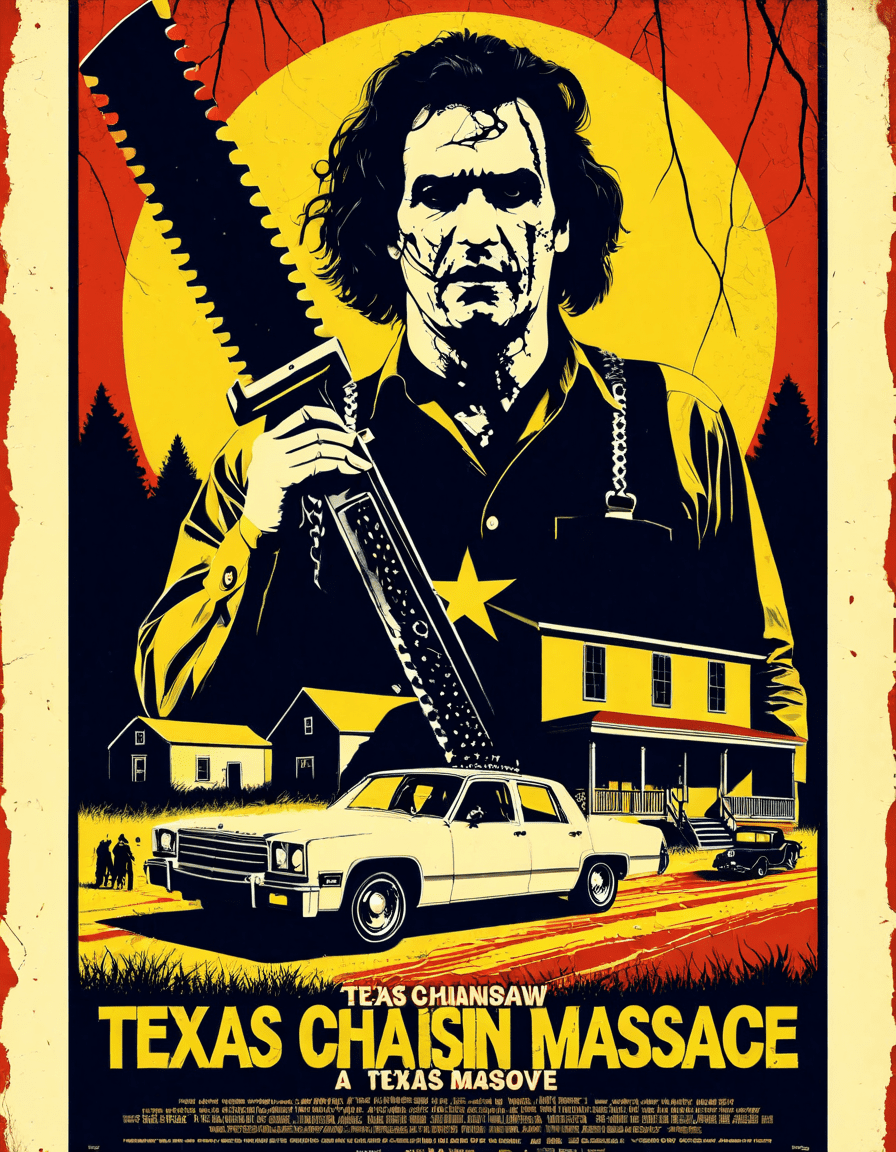
Since its release in 1974, the Texas Chainsaw Massacre has left its mark, twisting the very fabric of horror and redefining how we view filmmaking. This artful yet chilling film transcends typical genre norms, diving deep into the human psyche and shining a spotlight on societal fears. With its visceral realism and chaotic narrative, this masterpiece makes you question the nature of fear itself. From gritty fashion trends that echo vintage Americana to art installations showcasing its haunting visuals, the Texas Chainsaw Massacre retains a pervasive influence in our culture today.
The raw aesthetic and brutally unsettling storyline burgeoned not just within its own genre but throughout American society. As we peel back the layers of this horror legend, we reveal how elements of the Texas Chainsaw Massacre have trickled into various realms. Fashion-forward figures like Vivienne Westwood have artfully echoed its rawness in their designs, proving that horror can provide a unique muse. From runway shows that embrace the grotesque to street styles inspired by Leatherface, this film has become a canvas for creativity that channels the darker sides of life.
1. The Enduring Cultural Impact of the Texas Chainsaw Massacre
The Texas Chainsaw Massacre wasn’t just a film; it was a wake-up call for audiences in the 70s, a time when horror began to shift from campy chills to genuine terror. With many people looking back on that era, you see its ripples in contemporary fashion trends that favor a grunge-inspired aesthetic. Think distressed leather jackets and horror-themed T-shirts—pieces that echo the film’s dark legacy.
Moreover, countless artists have drawn inspiration from its iconic imagery. For example, the eerie setting of the Sawyer family home has influenced everything from photography to graphic novels. Even ridiculous Halloween costumes pay homage to the compelling chaos introduced by the Texas Chainsaw Massacre. This movie, with its newfound relevance, is woven into the artistic tapestry of our time.

2. Top 5 Iconic Elements of the Texas Chainsaw Massacre Legacy
2.1. Leatherface: The Face of Terror
Leatherface is more than just a chainsaw-wielding antagonist; he embodies the psychological terror lurking in the backdrop of rural America. His grotesque persona, adorned with masks made from human skin, challenges our notions of identity and humanity. When Leatherface stalks his victims, it’s an unsettling reminder that horror is often found in the most banal of settings.
His influence echoes throughout horror history, inspiring contemporaries like Jason Voorhees and Michael Myers. Leatherface’s legacy is not only profound in film but also extends into fashion, where designers often evoke imagery that hints at his iconic, chilling aesthetic. The striking visual of Leatherface serves as a grim muse, guiding alternative fashion lines that embrace the horrific element of beauty.
2.2. The Chainsaw as a Symbol of Fear
The chainsaw itself stands as a bleak symbol of industrialization’s grip on rural existence. In the film, it’s not merely a weapon; it becomes a metaphor for modernity’s effects on humanity and nature. By wielding the chainsaw, Leatherface symbolizes the chaos that modern society breeds, creating a dialogue about the fragility of life in a fast-paced world.
This critique extends beyond mere entertainment, allowing audiences to cast a critical eye on their surroundings. Today’s fashion often features industrial and grunge elements, echoing the unsettling nature of this powerful symbol. Styles range from heavy metal spikes to mechanics-inspired designs, all hinting at the darker undercurrents of existence.
2.3. A Found Footage Aesthetic that Changed Cinema
The Texas Chainsaw Massacre utilized a raw, documentary-style cinematography that brought realism to the forefront, laying the groundwork for what would become the found-footage genre. This approach is reflected today in films like The Blair Witch Project and Cloverfield, where shaky cameras and gritty visuals draw viewers into sinister situations.
Its realism forced audiences to confront the idea that horror could lurk in everyday settings. As filmmakers today strive to recapture this authenticity, it proves that the narrative approach of the Texas Chainsaw Massacre is timeless, inspiring entire generations of filmmakers and horror aficionados alike.
2.4. Cult Following and Merchandise Explosion
Fast forward to the current era, and the Texas Chainsaw Massacre has blossomed into a cult phenomenon. Fans embrace everything from collectible figurines to high-end fashion partnerships, proving that horror can generate significant economic influence. Brands like Supreme have illustrated this by releasing limited-edition items that channel the film’s dark allure, merging horror with streetwear culture in an unexpected mash-up.
This intersection of horror and commerce tells us something profound— the latent fear embodied in the film invites fans to explore their fascination with what frightens them, making merchandise not just an economic venture but a form of artistic expression.
2.5. Cinematic Remakes and Their Reception
Since its iconic debut, the Texas Chainsaw Massacre has been revisited through various sequels and remakes, with the original shining brighter than all attempts to capture its lightning. The 2003 remake sought to reimagine the terrifying dynamics of the Sawyer clan but often felt like a hollow echo of the original. Critics panned it for lacking the raw emotional pull that characterized Tobe Hooper’s classic.
Moreover, the 2022 sequel attempted to attract a newer audience with mixed results. By examining audience receptions and box office performances, it becomes apparent that recapturing the essence of the original is no simple task. Each reimagining illustrates the daunting challenge of building on a legacy while staying true to the bone-chilling themes that birthed it.
3. The Evolution of Horror Inspired by the Texas Chainsaw Massacre
In the aftermath of the Texas Chainsaw Massacre, horror embraced themes of isolation, violence, and psychological torment. Films like The Hills Have Eyes and Deliverance follow suit, delving deep into the human psyche and amplifying societal critique. By charting a new course in horror, these movies highlight how the fears exposed in the Texas Chainsaw Massacre became a foundation for countless narratives igniting fear in the hearts of viewers.
Contemporary directors like Ari Aster with Hereditary and Jordan Peele’s Get Out reflect this evolution while crafting innovative storytelling. They tap into life’s complexities and societal injustices while drawing subtly from their predecessors, proving that the Texas Chainsaw Massacre still wields a powerful influence. The evolution of these narratives embodies a departure from traditional horror tropes and urges filmmakers to explore deeper themes.
4. The Role of Gender in the Legacy of Texas Chainsaw Massacre
An often-overlooked element of the Texas Chainsaw Massacre is its portrayal of gender, particularly embodied by Sally Hardesty, the film’s final girl. Played by Marilyn Burns, Sally represents resilience in the face of overwhelming terror. Her arc is a stark contrast to the film’s brutality, as she navigates a landscape riddled with danger, survival, and raw emotion.
Sally’s journey sets a precedent for strong female leads in horror, paving the way for characters like Laurie Strode from Halloween and Ripley in Alien. This evolution demonstrates shifting societal attitudes towards femininity in horror, shedding light on the capacity for strength in traditionally vulnerable characters. The legacy of Sally Hardesty encourages the reclamation of power within the horror genre.
5. The Texas Chainsaw Massacre in Today’s Digital Landscape
With the rise of social media and streaming culture, the Texas Chainsaw Massacre has found a fresh pulse among younger audiences. Engaging memes, snappy video essays, and spunky fan theories thrive on platforms like TikTok and YouTube. This new digital platform breathes life into the film, allowing the original narrative to evolve while introducing new conversations that honor its fearful legacy.
Similarly, the film’s presence is a testament to how it has transcended its era, captivating imaginations and engaging with a new generation of horror aficionados. Renewed interest in the film leads to fresh interpretations, conversations, and creations that push the horror genre toward unexplored territories. In the virtual landscape, the Texas Chainsaw Massacre continues to frighten, inspire, and resonate globally.
The Texas Chainsaw Massacre is far removed from being just another horror flick; it’s a profound commentary on societal fears and an exploration of human vehemence. As its legacy continues to cast a long shadow in the horror genre, the film remains a vital piece of cinema and cultural critique, reminding us of the unsettling and often grotesque aspects of life. The film’s influence enriches the conversation on fear while leaving an indelible mark on contemporary filmmakers, fashion designers, and digital creators. As we venture forward in this industry, the Texas Chainsaw Massacre will undoubtedly persist as a powerful lodestar of dark creativity and chilling inspiration in the shifting landscape of horror.
Texas Chainsaw Massacre: Fun Facts and Trivia
The Origins of a Cult Classic
The Texas Chainsaw Massacre, released in 1974, is credited with laying the foundation for modern horror films. Directed by Tobe Hooper, it drew inspiration from real-life events and figures, notably the infamous Ed Gein, whose chilling activities have also influenced various other popular movies. Fun fact: did you know that the film was produced on a shoestring budget of just $140,000? Quite a feat! This low-budget approach paved the way for future indie horror films to find their audiences. Speaking of indie, if you think Texas Chainsaw Massacre’s influence on the horror genre is scream-worthy, you should check out the evolution of genres like comedy in films such as A Christmas Story, which also had its own impact.
Legendary Horror Iconography
Leatherface, the film’s iconic antagonist, was not just a grotesque character; he became a symbol of horror in cinematic history. With his haunting mask made of human skin, he embodied the terror of the unknown. Interestingly, Hooper’s decision to depict brutality subtly became an approaching tactic in horror, impacting later gems like the eerie vibes in Barcelona Vs Real betis, where suspense looms large. What’s also fascinating is the film’s screening saga; it was initially condemned for its graphic content, only to become a cult favorite. This evolution mirrors the journey of many artists, including scientists like Carl Sagan, who faced criticism before gaining recognition.
The Lasting Legacy
The Texas Chainsaw Massacre remains a pop culture phenomenon, frequently referenced and parodied. It even spawned several sequels and remakes, keeping the legend alive through different generations. The film was so impactful that it was preserved in the National Film Registry for its cultural significance, something not every flick can boast. A shocker? Consider this: it became so iconic that international tourism in places like Geneva on the Lake, Ohio, has seen fans exploring sites reminiscent of its horror film vibes. Just like those who flock to Vfw near me for community events, horror fans often seek their own community through film festivals celebrating classics like this.
So there you have it, folks! The Texas Chainsaw Massacre packs history, significance, and a sprinkle of enchantment that keeps the film alive in the hearts of horror aficionados. Just as unique figures like Khary Payton and Andy Murray shape their fields, this groundbreaking film has cast a long shadow over the horror landscape. The legacy of the Texas Chainsaw Massacre reminds us that terror can be art, echoing through decades and generations.