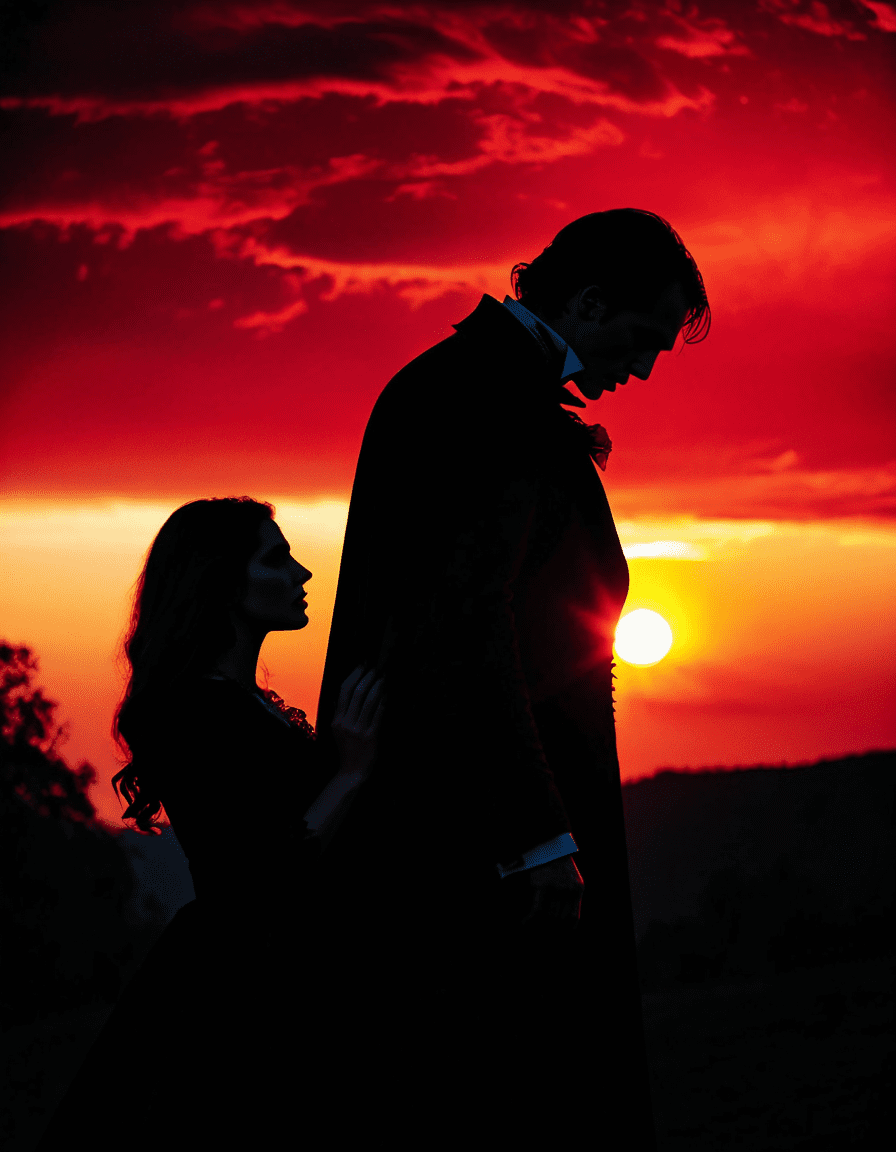
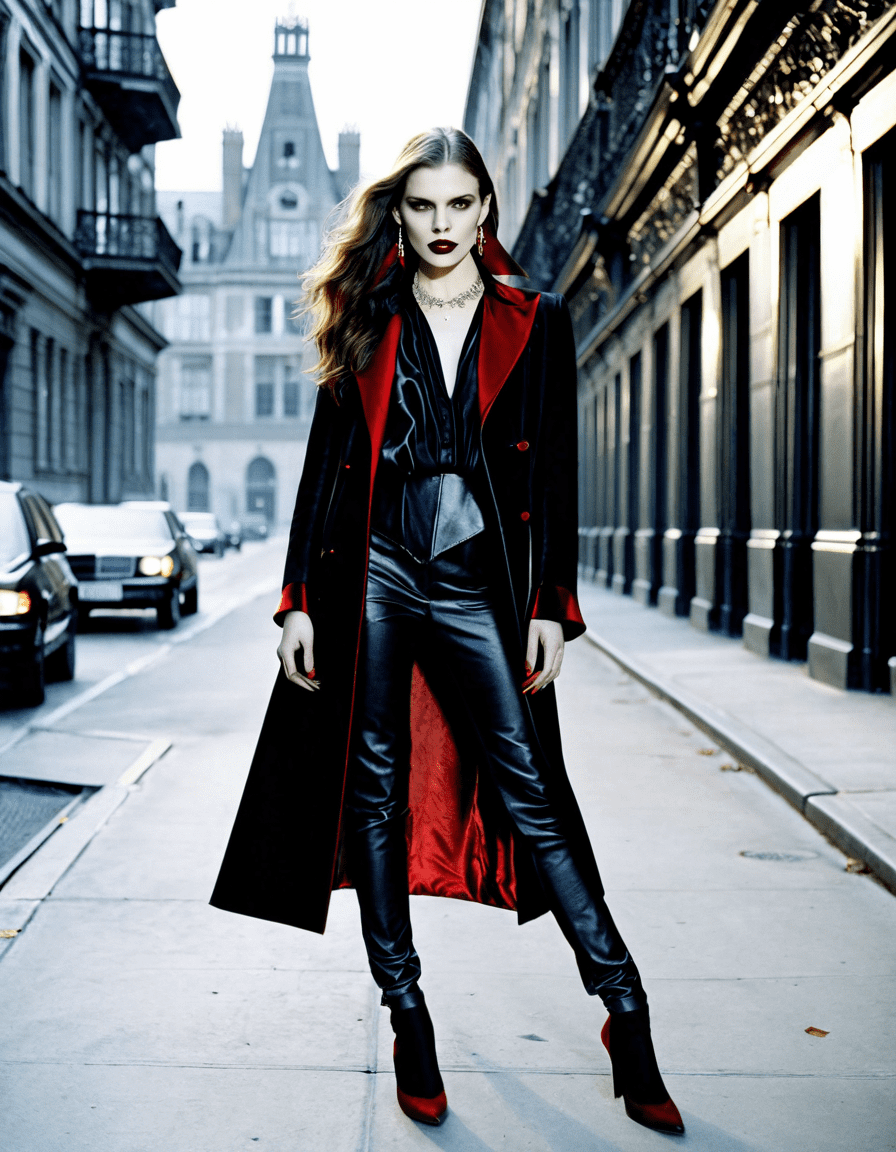
Vampire movies have long held a unique place in cinematic history, intertwining elements of fear and fascination. These films don’t just terrify; they evoke a complex romanticism that resonates deeply with audiences. Let’s sink our fangs into the genre and explore seven vampire films that have redefined the boundaries of horror and romance, showcasing how these cinematic experiences offer more than just jumpscares.
1. Let the Right One In (2008)
A masterpiece of Swedish cinema, Let the Right One In takes the vampire narrative to haunting new levels. It brilliantly explores themes of friendship, love, and the isolation of adolescence, all amidst a chilling backdrop of wintery landscapes and raw emotional intimacy. The relationship between the young boy Oskar and the enigmatic girl Eli exemplifies a tender yet macabre bond, flipping the traditional vampire tropes on their heads by portraying vulnerability instead of sheer power.
This is not just a story about a boy who finds a friend in a vampire; it’s about their struggle to connect in a world filled with cruelty and loneliness. Their interactions resonate with anyone who’s been an outsider, showcasing how love can emerge from the most unlikely corners. So, if you haven’t already, grab your favorite blanket and prepare for an emotional dive into this vampire film classic.
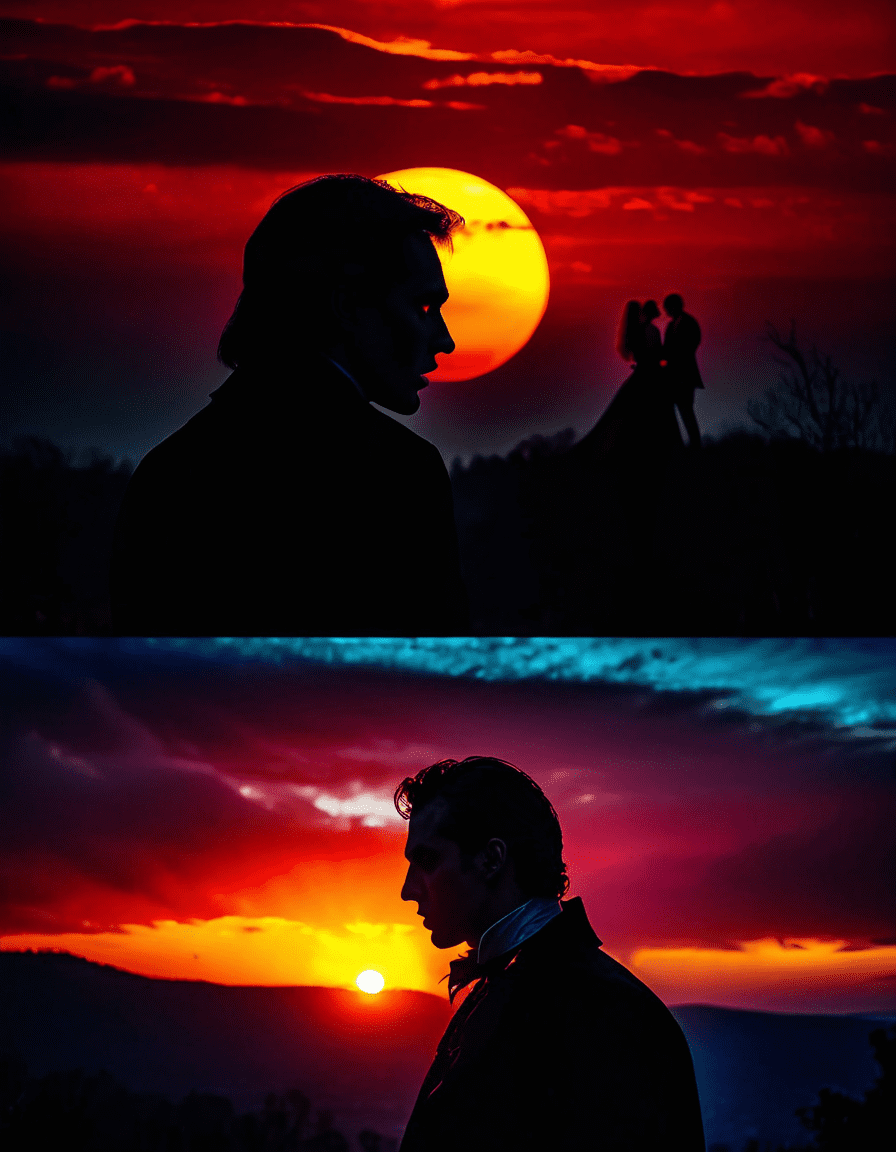
2. Only Lovers Left Alive (2013)
Jim Jarmusch’s Only Lovers Left Alive presents a unique spin on vampire lore, focusing on existential angst and the endurance of love over time. Captivating audiences with its atmospheric storytelling and nostalgic soundtrack, this film isn’t just a horror flick—it’s a work of art. The central relationship between Adam and Eve, played expertly by Tom Hiddleston and Tilda Swinton, highlights both the tragedy and beauty of immortal love amid the decay of human civilization.
This film plays with the idea of time, showing how centuries can deepen relationships while also introducing alienation. With visuals that evoke a dreamy aesthetic and a narrative that feels both timeless and unsettling, it brilliantly captures that haunting blend of romance and horror. As the characters reflect on lost opportunities and present-day struggles, it’s easy to get lost in their eternal dance. This kind of depth goes beyond what you find in standard scary movies.
3. Interview with the Vampire (1994)
Based on the classic novel by Anne Rice, Interview with the Vampire changed the game for vampire movies, intertwining horror with heart-wrenching romance. Tom Cruise’s portrayal of Lestat and Brad Pitt’s Louis navigate an emotional landscape filled with desire, betrayal, and existential dread. Through its opulent cinematography and Gothic atmosphere, the film paints a vivid portrayal of love’s darker sides, teaching audiences that romance can be as deadly as it is delightful.
The film showcases the moral ambiguity of its characters, forcing viewers to grapple with the complexities of immortality and the burdens it brings. As Lestat and Louis engage with themes of power and vulnerability, the horrors are as real as the heartbreak. If you’ve never experienced this vampire film, now’s the time to indulge in its lavish world.

4. Thirst (2009)
Park Chan-wook’s Thirst offers a provocative exploration of desire, morality, and vampirism wrapped in a disturbing narrative. The film centers on a priest who undergoes a failed medical experiment, turning him into a vampire. What follows is a gripping tale that blurs the lines between horror and romance, showcasing both the intoxicating pleasures and horrific consequences of passionate pursuits.
This unsettling portrayal of love and bloodlust underscores the inherent duality found in many vampire films. With each revelation, the story challenges our expectations and tempts us with its dark allure. It’s a reminder that love and horror are often intertwined, providing a lens through which to examine our own desires. As we embrace the uncomfortable, Thirst pushes boundaries that make it one of the standout horror movies of our time.
5. A Girl Walks Home Alone at Night (2014)
Injecting fresh vitality into the genre, this Iranian-American film presents a feminist perspective on vampire lore—one that is bold and haunting. In A Girl Walks Home Alone at Night, the titular character, a lonely vampire, becomes an anti-heroine, navigating a male-dominated world filled with societal oppression.
Her struggle is rich with poetic longing, as horror elements intertwine with social messages that resonate deeply today. The film transforms the stereotype of the vampire—from a predator to a protector, addressing themes of power and vulnerability. This beautifully crafted piece is filled with layers that make it a refreshing and engaging experience, proving that vampire narratives can deliver strong messages about love, loss, and resistance.
6. The Shape of Water (2017)
While it’s not a traditional vampire movie by any means, Guillermo del Toro’s The Shape of Water incorporates many vampiric themes within a mesmerizing love story. The film revolves around a mute woman who falls in love with an aquatic creature—an outsider’s tale that resonates deeply with the folklore surrounding vampires.
Rich in themes of forbidden love, alienation, and acceptance, The Shape of Water highlights the fluid boundaries between horror, romance, and fear of the “other.” Del Toro’s craftsmanship brings an ethereal quality to the experience that enchants and captivates. In many respects, it showcases the heart of what draws us to horror: a longing for connection within chaos.
7. What We Do in the Shadows (2014)
In stark contrast to traditional horror narratives, this mockumentary from Taika Waititi and Jemaine Clement injects humor and warmth into the vampire genre. Although primarily a comedic take, What We Do in the Shadows explores relationships, intimate conflicts, and quirky romance through the lens of vampire life.
The film reminds us that horror genres—including ones centering around vampire folklore—can also celebrate love and community in unexpected ways. Its clever blend of wit and charm provides a fresh perspective on familiar elements, illustrating the delightful duality that exists within the genre. If you’re in the mood for a good laugh paired with some supernatural shenanigans, look no further than this gem.
The Evolution of Vampire Movies within the Horror and Romance Arenas
These selected films illustrate the versatility of vampire narratives, showing they can be both compelling and profoundly human. By juxtaposing visceral horror elements with deep emotional arcs, recent vampire movies have broadened the definition of what horror can encompass. In a world where audiences increasingly crave complexity in storytelling, it’s clear that the vampire mythos will thrive as long as it continues to explore the intricacies of love, death, and the human experience.
As we navigate this hauntingly beautiful landscape of horror—whether it’s zombie movies, scream movies, or Halloween movies—the vampire stands tall as a powerful symbol that connects audiences with their deepest fears and desires. The embrace of these dualities not only revitalizes the genre but enriches our understanding of romance interwoven with horror. So, as you prepare for your next movie night, don’t forget to revisit these captivating tales that remind us love can indeed bite!
Vampire Movies: Redefining Horror and Romance
The Fangs That Bind
Vampire movies have always danced on the line between horror and romance, and it’s not hard to see why. From the classic charm of Dracula to modern masterpieces like Twilight, these films have a captivating allure that draws viewers in. Did you know that the iconic bloodsucker has roots that dig deep into folklore? For instance, the 1931 film featuring Bela Lugosi didn’t just scare audiences; it sparked an obsession with the vampire genre, setting the stage for countless adaptations. Speaking of culture, have you checked out Oz The Great And Powerful? Some elements, like character transformation, echo the journey of vampire tales—always about more than what meets the eye.
These movies often challenge our perception of love and monstrosity. Take Only Lovers Left Alive, for instance; it showcases a centuries-old romantic bond that hurdles the trials of time. Now, that love is often portrayed with a flair that reminds us of unexpected Hollywood connections—like how Jennifer Aniston once shared a playful DM moment with Obama, blending two icons unexpectedly. This sort of quirky trivia highlights how pop culture continues to evolve, giving modern audiences fresh lenses to view old themes like love and sacrifice.
Blood and Humor
The blending of comedy with horror is another fascinating trend in vampire movies. The Lego Batman flick, although not strictly a vampire film, cleverly incorporates these creatures, displaying how humor softens even the most frightful tales. You can’t help but chuckle, especially when these dark figures are portrayed in a light that makes them relatable, upending traditional horror notions. Plus, there’s something charming about the cast of Power Book 2, where even characters with dark pasts find redemption and relationships that echo those of love-struck vampires.
Did you know that vampires were originally viewed as morally ambiguous figures? In films, this theme of moral complexity is underscored vividly. For instance, the psychological tension that can be felt in The Zone of Interest resonates with the struggles many vampires face—eternal existence coupled with the burden of their predatory nature. It’s all about the emotional depth that intertwines horror and romance, making you root for the monster at times. Just as there are various takes on the vampire myth, there are also different lengths some creators will go to, like experimenting with creative choices, fashion styles, and even playful elements like Crotchless lingerie in unique storytelling settings. Such choices may seem absurd, but they often add layers to the narrative, allowing deeper exploration of love, fear, and human desires.
As we delve deeper into the world of vampire movies, it’s clear they’ve come to represent more than just bloodsucking fiends. They’ve morphed into complex portraits of human relationships, tackling themes of devotion, fear, and sacrifice—all wrapped in a cloak of horror and romance that keeps audiences enchanted. And hey, if you’re intrigued by the multi-dimensional nature of these narratives, don’t forget to explore how movies like Moana tackle completely different themes while providing their own kind of magic through character story arcs. Who knows, you might just find yourself enchanted by the different tales woven together in this chilling yet romantic genre!