Understanding the Phenomenon of Virgin Suicides
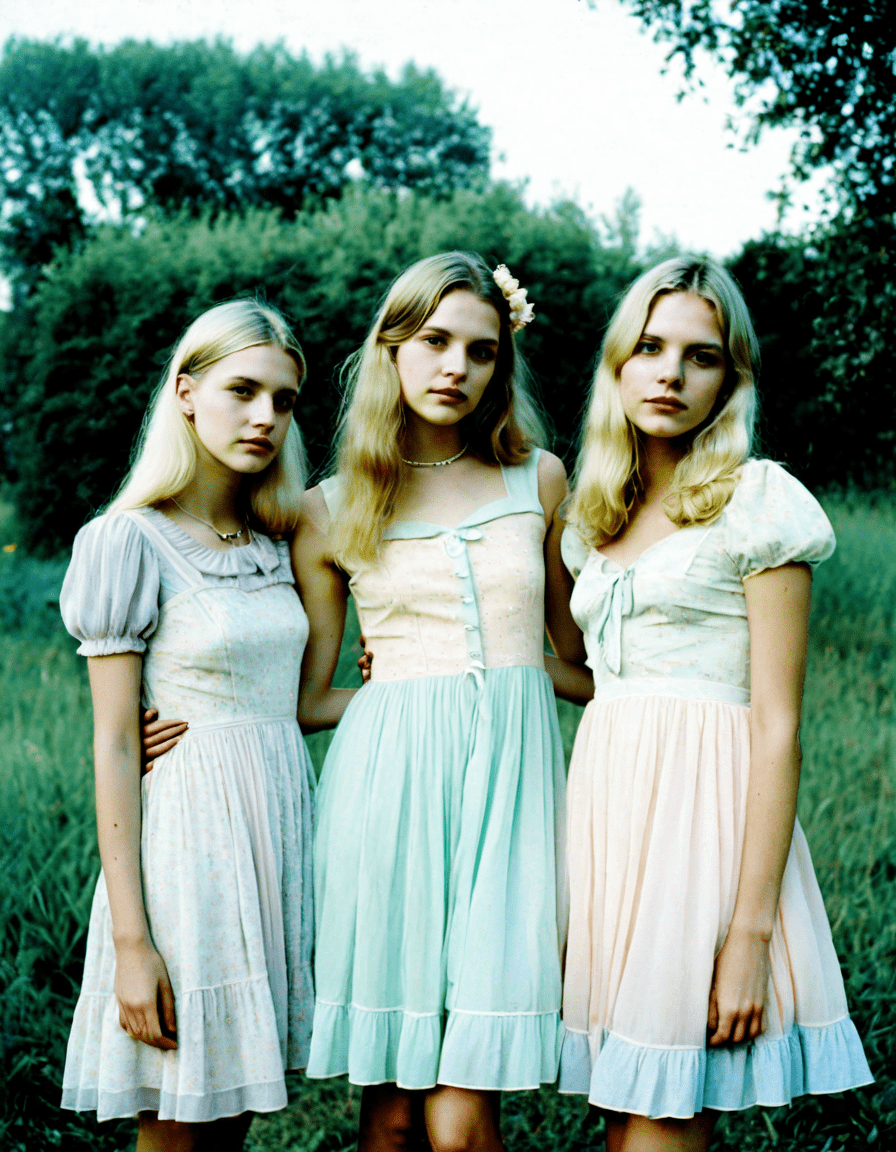
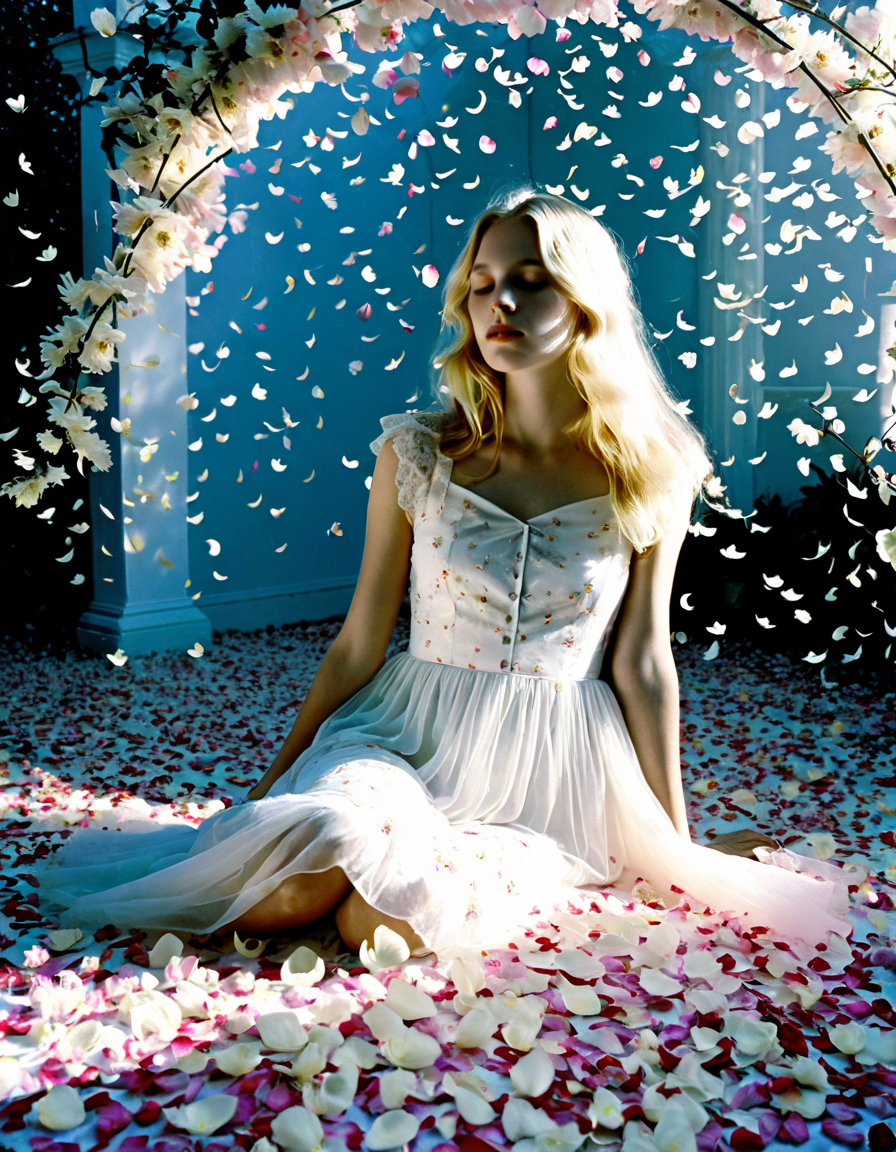
The Virgin Suicides, a phrase sanctified by Jeffrey Eugenides’ haunting novel, continues to echo in today’s conversations about mental health and the tumultuous journey through adolescence. Set in the seemingly tranquil suburbs of Michigan during the 1970s, the tale of the Lisbon sisters—Cecilia, Lux, Bonnie, Mary, and Therese—unfolds like a nightmarish dream, revealing the torment of teenage despair and the sometimes suffocating embrace of familial repression. Their tragic fate unfurls against a backdrop of isolation and societal pressure, striking a chord that resonates louder than ever in our modern world.
In this day and age, with mental health discussions gaining momentum, there’s an urgent need to explore what the Virgin Suicides really conveys about the fragility of youth. The Lisbon sisters were trapped not only by the walls of their home but also by the invisible barriers imposed by social expectations. This tragic narrative deftly intertwines themes of repression, longing, and the desperate quest for connection, taking on additional layers of meaning within our current cultural landscape.
The unusual phenomenon of the Virgin Suicides serves as a crucial reminder of the struggles that remain relevant today. Much like the Lisbon sisters, many young people grapple with overwhelming pressures, social isolation, and a lack of understanding from those around them. By addressing these issues, we can begin to unravel the haunting tale of the Lithuania sisters and foster a more compassionate society.

5 Key Themes in The Virgin Suicides Explored Through Cultural Lens
While the Lisbon sisters’ story remains a multifaceted enigma, certain recurring themes draw parallels with broader societal issues. Let’s uncover these motifs and see how they intertwine with historical and cultural references, including “The Tudors,” “Mary Magdalene,” and “Jane the Virgin.”
The Lisbon sisters come off as prisoners in their own home, mirroring women in Tudor England, often shackled by harsh societal norms. The Lisbon parents, in an ill-conceived effort to guard their daughters, created a stifling environment laden with rules. The isolation becomes suffocating, reflecting a containment reminiscent of that faced by historical figures who dared not step outside prescribed boundaries.
Lux Lisbon embodies a passionate rebellion, similar to Jane from “Jane the Virgin.” Both characters wrestle with their identities while bouncing against the walls of societal expectations. Their tales resonate with an internal war—conformity versus the ardent desire for independence—drawing us into a vivid narrative we’ve all felt at some point in our lives.
The destiny of the Lisbon sisters fosters a mythology comparable to that surrounding Mary Magdalene. Oft-misunderstood, both figures become subjects of society’s infatuation with tragedy. People romanticize their sorrow, leading to distorted perceptions that can cloud understanding and compassion in today’s lens.
A stark contrast emerges between the parenting styles in “The Tudors” and those of the Lisbon parents, revealing layers of neglect wrapped in a facade of care. Though the Lisbons seem to safeguard their daughters, they leave them emotionally abandoned, which drives home the harsh realities of inadequate parenting that can yield disastrous outcomes.
In the Lisbon sisters’ story, the surrounding community plays a significant role in their plight, showcasing the idea of collective responsibility. This reflects the community aspects found in “Jane the Virgin,” where neighbors significantly impact one another’s choices and growth. It reveals the pressing need for open dialogues on mental health within our own neighborhoods—because we are all part of the same fabric.
Lessons Learned from the Virgin Suicides: How History Echoes in Modern Narratives
The heart-wrenching saga of the Lisbon sisters opens vital conversations about mental health and societal pressures that still resonate today. The very losses we witness in this tragic tale can echo similar issues facing contemporary youth, urging us to reflect on our role as a society.
The shocking nature of the Virgin Suicides invigorated discussions on mental health, much like the initiatives from organizations like the National Alliance on Mental Illness (NAMI), which strives to provide critical support systems to youth facing similar struggles.
Recent TV shows, such as “Euphoria,” dive deep into adolescent battles with mental health and social pressures. These stark portrayals echo the story of the Lisbon sisters, raising questions about cultural progress and what it means to truly understand and address youth despair.
The gut-wrenching narrative of the Lisbon sisters implores us to foster empathy and understanding within our communities. By advocating for emotional awareness, we can change the landscape young people navigate today, preventing vulnerable individuals from disappearing into silence.

Reflecting on the Legacy of the Virgin Suicides
The tragic story of the Lisbon sisters highlights persistent challenges and societal failures that ripple through generations. Their fate extends an invitation to readers to consider the connections between youth, mental health, and the ever-present threat of familial alienation.
By connecting historical narratives and modern cultural phenomena, we realize that understanding the root causes behind such tragedies is essential for preventing similar stories in the future. This thought-provoking reflection reminds us of our responsibility to create environments that encourage open conversation and emotional safety.
Our challenge lies in dismantling the chains of isolation that ensnared the Lisbon sisters, and countless others like them. Let’s ask ourselves: How can we better educate ourselves and our communities to ensure that future generations don’t fall victim to the same heartbreaking outcomes? The discussion has only just begun.
Virgin Suicides: Trivia and Interesting Facts
Unraveling the Tragedy
The haunting story of the Virgin Suicides revolves around the five Lisbon sisters, known for their mysterious lives and tragic ends. But did you know that the hauntingly beautiful soundtrack of the film features music by Alison Krauss? Her emotive voice adds an ethereal touch to this poignant tale, perfectly mirroring the emotional depth of the sisters’ plight. This connection to music often underscores the intensity of tragedy in storytelling, as seen when intense situations, like a Delta airlines emergency landing, remind us just how fleeting life can be.
Culturally Significant Connections
The Virgin Suicides doesn’t just echo in popular culture through its narrative; it also resonates through its connections to various film and television projects. Speaking of tales that intertwine lives and mysteries, shows like Only Murders in The Building Episodes delve into life’s dark corners, making us reflect on the stories behind closed doors. Additionally, some filmmakers pull inspiration from iconic works—just like how the Rrr movie cast brought a fresh perspective to historical storytelling.
Legacy and Influence
The legacy of Virgin Suicides continues to ripple through the arts, influencing many creators and narratives today. Perhaps you’ve noticed that the shimmering allure of its themes mirrors the glossy lifestyles of characters in tales like That ’90s Show cast. It showcases how despair and beauty can coalesce. As we ponder such themes, we can’t forget those real-life figures who lived through both grace and hardship, like Barbara Sinatra, whose life story intertwines with themes of love, loss, and resilience. It’s incredible how these narratives, whether in fiction or fact, weave complex tapestries that enrich our understanding of the human experience.
In the end, the Virgin Suicides stands as a somber reminder of youth’s fragility, much like the fleeting nature of fame, which we often see in works tied to greats like Daniel Day Lewis Movies, showcasing that even those taken too soon can leave an indelible mark. Through all these connections—be it music, film, or real-life stories—we’re invited to explore the depths of longing and sorrow that reflect our own experiences.