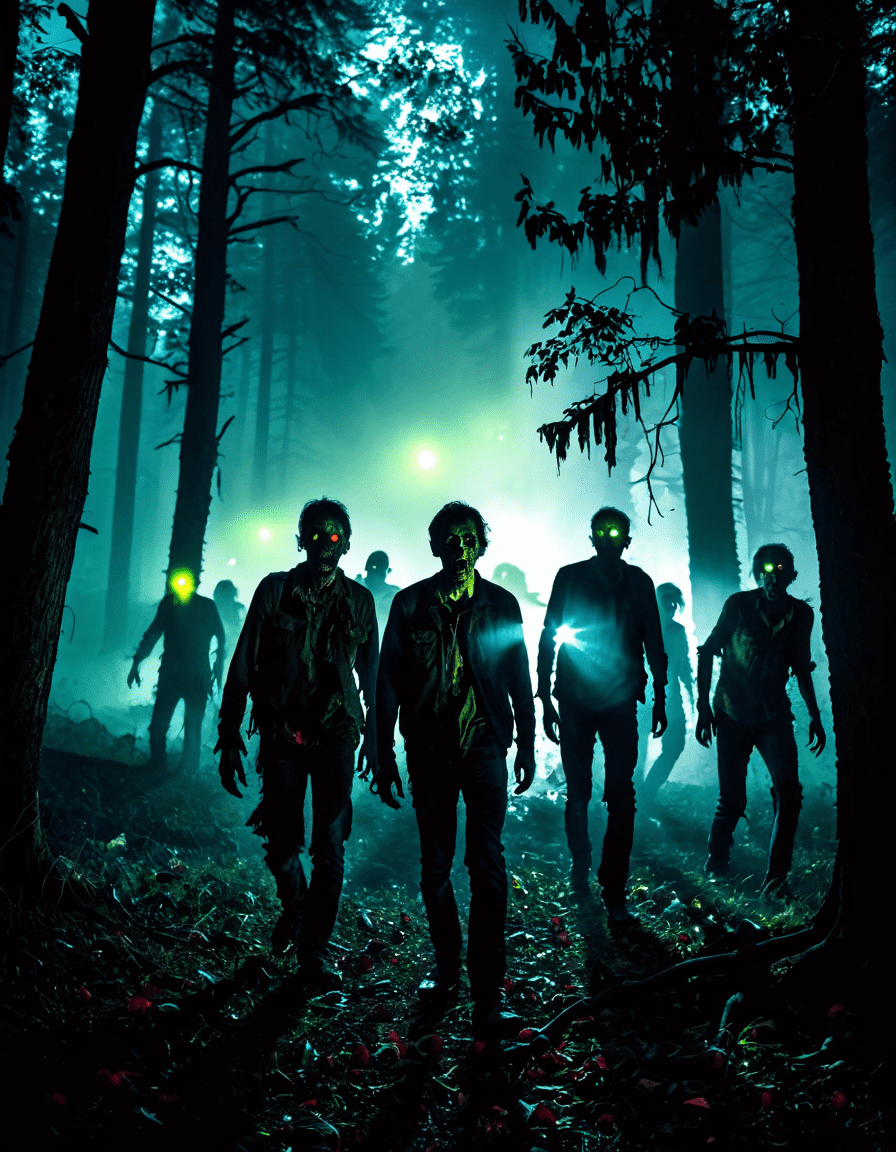
The undead have clawed their way into our hearts and culture, haven’t they? With their tattered clothes and ravenous appetites, zombies tell stories of decay, desperation, and occasionally, dark humor. From the eerie shadows of George A. Romero’s brainchild to the binge-worthy landscapes of “The Walking Dead,” these putrid creatures haunt our screens and literature, reflecting our society’s fears and hopes. Let’s take a macabre yet thrilling journey through the rise of zombies and how they’ve evolved into cultural icons, breathing new life into our everyday lives.
The Rise of Zombies: Cultural Icons and Their Rebirth in Pop Culture
Top 7 Zombies That Shaped Pop Culture
What would horror be without the iconic zombies crafted by George A. Romero in the 1968 classic, “Night of the Living Dead”? This film revolutionized the zombie trope, showcasing outlandish creatures that represented our deepest societal fears—war, disease, and the unknown. Through stark black-and-white visuals, Romero didn’t just depict carnage; he held up a mirror to humanity, questioning the very fabric of civilization in apocalyptic chaos. Talk about an everlasting influence! The film birthed a franchise, inspiring various sequels and remakes, each unpacking a fresh set of social issues through the zombie lens.
Who hasn’t been glued to the screen during an episode of “The Walking Dead”? Based on Robert Kirkman’s comic series, its debut in 2010 turned the chilling genre of zombies into an intricate narrative that dives deep into human relationships and moral dilemmas. More than just flesh-eating gore, the show became a touchstone for millions of viewers, leading to multiple spin-offs and video games. Its reputation as a cultural phenomenon is well-deserved, as it reshaped our understanding of zombies, transforming them from mindless threats into reflections of our humanity.
Max Brooks’ “World War Z” is a visionary take on the zombie apocalypse. It artfully merges global politics with thrilling narratives, examining how humanity responds when faced with the undead. The 2013 film adaptation, starring Brad Pitt, drew in audiences around the world with its compelling storyline wrapped in action-packed moments. The message of cooperation in chaos resonates today, underscoring our collective need for humanity during crises—a theme all too relevant in our world.
Released in 2016, “Train to Busan” is a cinematic jewel that dives headfirst into social stratification through the thrills of a zombie outbreak on a speeding train. This South Korean masterpiece not only keeps you on the edge of your seat but also offers sharp commentary on social inequality and familial bonds. It marks a significant transformation in how zombies can encapsulate richer narratives, turning a simple horror film into a significant cultural commentary.
Who knew zombies could have such a comic twist? “Zombieland” (2009) threw a curveball into the grim zombie genre with its smart humor and endearing characters. The film’s blend of horror and laughter brewed a delightful concoction, proving that survival amidst the apocalypse isn’t always grim. Clever writing and a charismatic cast highlighted the absurdity of life after the dead rise, paving the way for an array of horror-comedies that followed in its wake. It’s not just survival; it’s also about enjoying the ride!
The zombies in the “Resident Evil” video game series are legendary, captivating gamers since 1996. This survival horror franchise introduced us to treacherous landscapes filled with zombies and mutated monsters, evolving into a multi-faceted narrative that bridges gaming and cinema. With psychological terror and gripping storylines, it set standards that continue to influence both mediums. Battling these creatures has become more than just a game; it’s a rite of passage for many thrill-seekers.
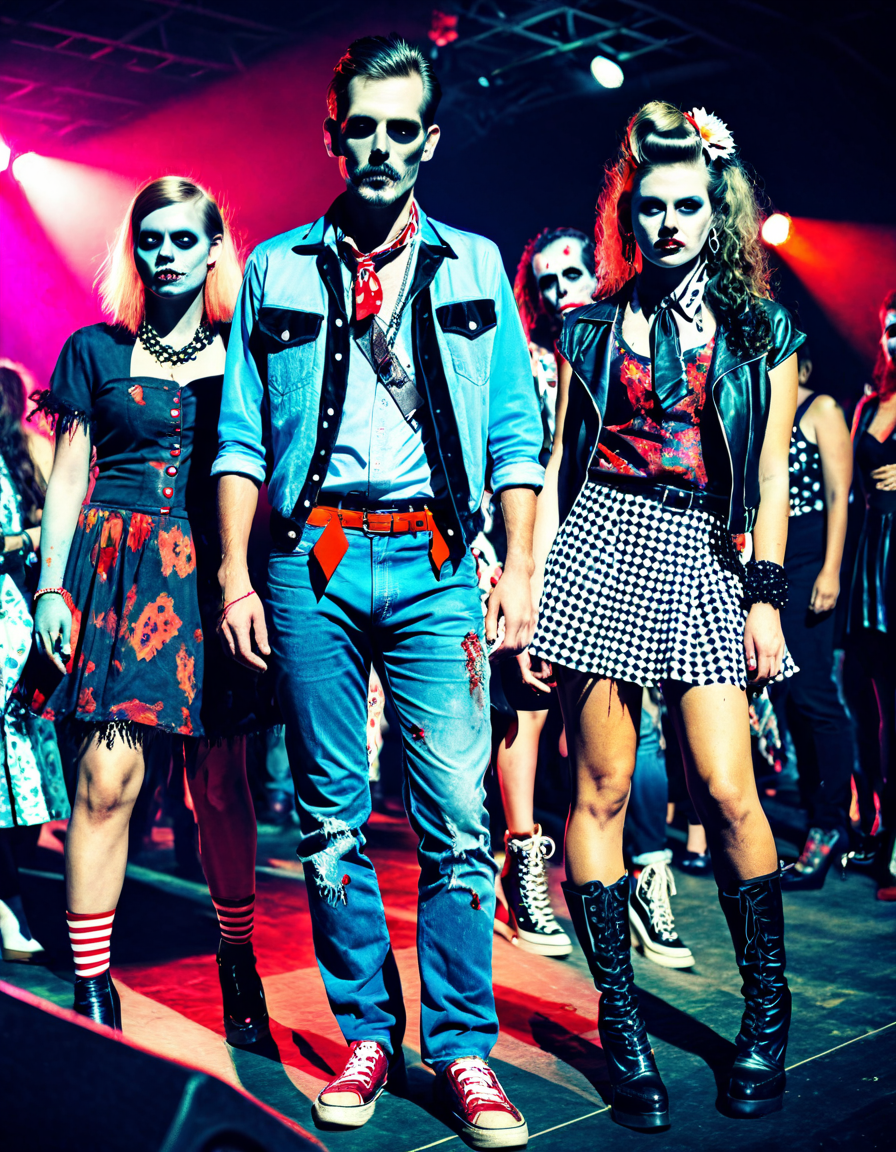
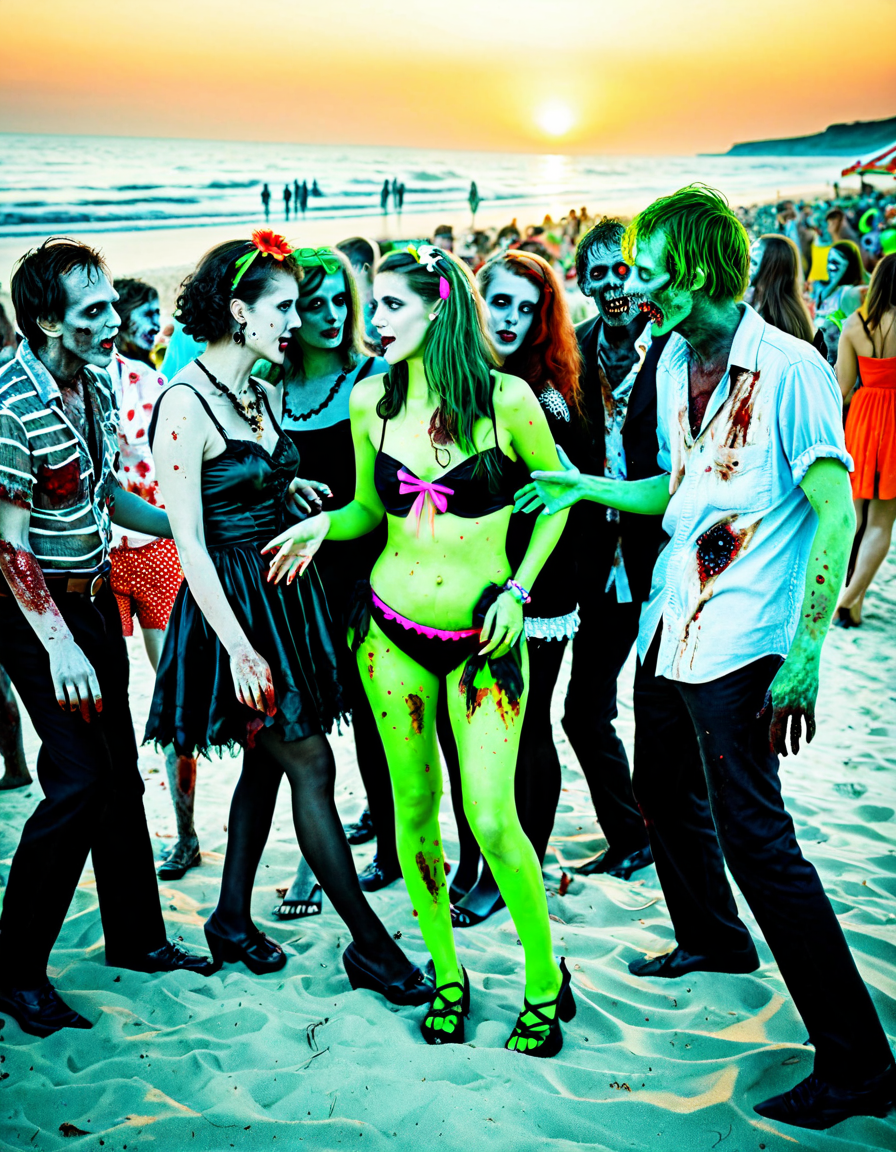
Have you ever witnessed a zombie walk? Since the early 2000s, these unique gatherings cultivate community spirit, creativity, and a devil-may-care attitude toward life. Participants clad in grotesque costumes meander through city streets, bringing to life the strange allure of the undead. Events like the San Diego Zombie Walk showcase society’s fascination with zombies, turning them into symbols of unity and shared interests, and they celebrate our love for the spooky and macabre.
The Evolution of Zombies: From Folklore to Modernity
Zombies didn’t sprout from nowhere; they have roots that dig deep into Haitian Vodou lore. Practitioners believed that sorcerers could reanimate the dead, which painted an eerie picture that has morphed over the ages. Early pop-culture depictions often missed the mark, hiding the horror beneath layers of humor or misunderstanding. Yet, as society evolved, so did our portrayal of the undead, particularly during moments of turbulence—mirroring fears surrounding disease, war, and environmental crises.
As zombies surged onto our screens, they transformed from abstract folklore into brutal reflections of societal terror. It’s fitting that their cultural ascent often coincides with times of significant change—times when the public’s psyche yearns for critique, escapism, or simply a good scare. Today, they serve as a vehicle for commentary, addressing modern fears and uncertainties that we often dare not voice.
The ever-changing landscape of media gives zombies new life, each rendition spinning its own tale woven from threads of collective consciousness. Whether in a horror film or a quirky indie project, each portrayal invites us to confront our beliefs about life, death, and everything in between. They remind us that even amid chaos, there are layers to peel back, waiting to be examined.
Behind the Narrative: Why Are We Obsessed with Zombies?
Ah, what is it that draws us to these flesh-eating fiends? It’s not merely the ghoulish makeup or thrilling chases. Zombies embody our greatest existential fears: the loss of control and the fragility of civilization. Their menacing presence plays off contemporary anxieties—be it economic instability, global pandemics, or environmental degradation. The chaos they represent reflects our underlying turmoil, a way to confront the gasping specter of what could happen.
Tapping into our primal instincts, they evoke a thrill that lingers far beyond the screen. Who among us hasn’t fantasized about surviving a zombie apocalypse—facing fears head-on and emerging stronger? The visceral encounters with the undead offer a cathartic release, allowing us to explore humanity’s darkest corners while simultaneously rallying around the theme of survival.
And as we grapple with the future, our narrative with zombies will undoubtedly shift and evolve. In recent years, platforms like Netflix have dared to redefine these monsters, creating characters that challenge the very notion of what it means to be undead, like in “iZombie,” where the protagonist navigates issues of morality and identity. Such portrayals prompt us to engage in deeper discussions about humanity, acceptance, and the essence of being.
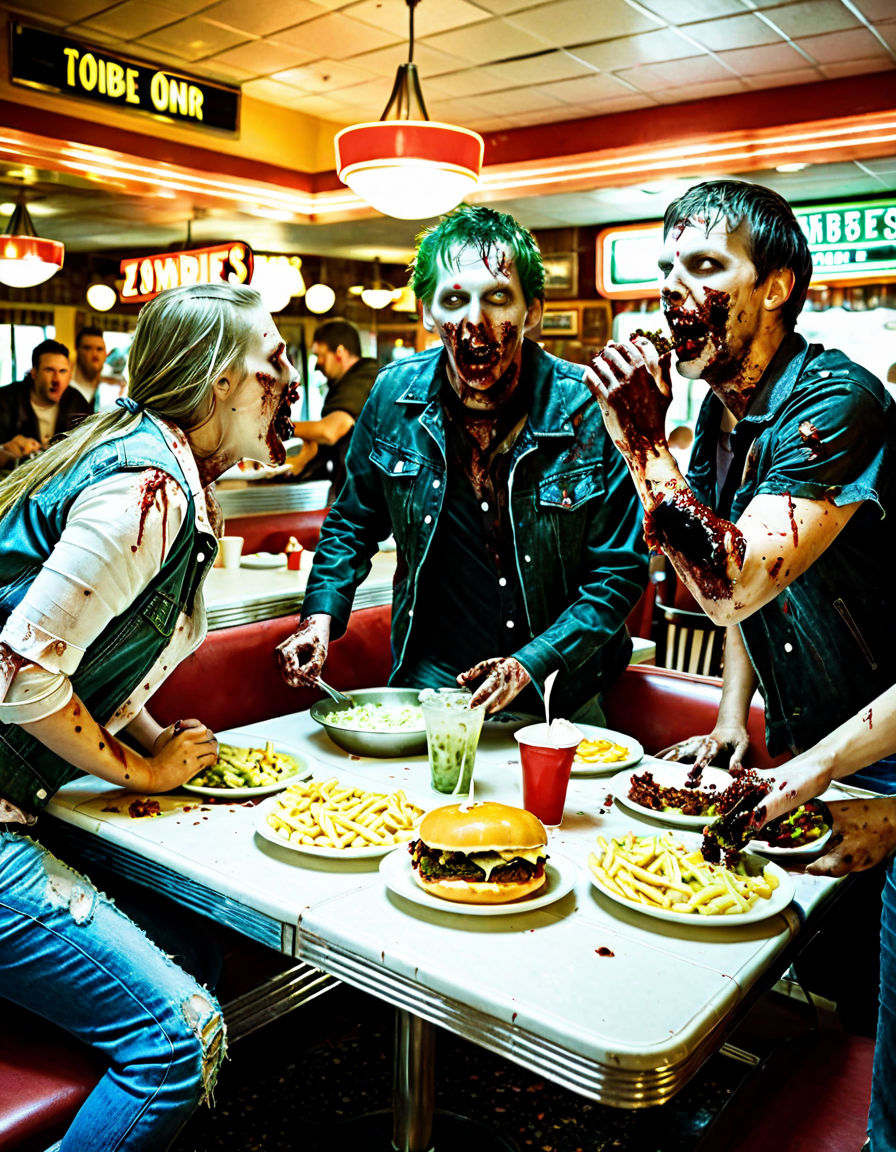
Engaging with the Zombie Apocalypse: It’s Complicated
As we peer into the murky depths of the future, zombies will likely continue to evolve alongside us. Their narratives will reflect changing societal values and fears—from the comedic twists of rom-com zombies to gritty, realistic portrayals of human resilience. The genre’s ability to adapt will keep it relevant, as we face a shifting world fraught with uncertainty.
With burgeoning projects emerging, filmmakers and writers have a golden opportunity to push the boundaries of zombie narratives. They can mold these creatures into potent symbols that ignite conversations about societal issues that often linger in the shadows. Who knows? Perhaps the next big hit will integrate themes that resonate even more deeply with the audience, making us rethink what we know about the undead.
In the end, zombies teach us some vital lessons—about survival, humanity, and our untamed instincts. As we engage with tales of terror and resilience, we become united in our journey to confront the wandering specters of uncertainty together. In this haunted dance with the undead, we discover something profound: a truth about our existence and our relentless quest to find our place in a world that can often feel like a zombie apocalypse all its own.
So here’s to the zombies—those decaying figures wandering from the fringe into our daily lives, reminding us of the delicate balance between chaos and humanity.
Zombies: Fun Facts and Trivia
The Origins of Our Favorite Flesh-Eaters
Zombies have roots that go deeper than you might think! The concept of reanimated corpses stems from Haitian Vodou, where zombies are said to be under the control of a sorcerer. These early portrayals starkly differ from today’s brain-munching ghouls—just like the stark contrast between a romantic Valentine’s Day dinner and a terrifying zombie flick! Pop culture brought us classic films like “Night of the Living Dead,” solidifying zombies as staples of horror. Today, you can find these creatures in everything from intense Jean Claude Movies to lighthearted comedies, like Corky Romano, mixing fear with laughter.
Zombies in Popular Culture
Speaking of great mixes, zombies have been featured in more than just scary movies. They’ve snuck their way into family animations, including a bizarre appearance in projects linked to incredible creators like Jim Henson. Imagine the warped puppet versions of zombies strutting around! Not to mention, they’re popping up in video games, allowing players to battle against hordes of the undead. Even the likes of Percy Jackson And The Lightning Thief play with fantastical creatures, proving that a good zombie never stays dead! Their adaptability is stunning; zombies can serve as metaphors for societal issues, like consumerism portrayed in films like The , where life can feel just as chaotic and uncontrolled.
Zombies and Their Surprising Trivia
Here’s a wild tidbit: in 2008, the U.S. Center for Disease Control used zombies to teach disaster preparedness. Who would’ve thought the undead could help save lives? By highlighting threats in a relatable way, they managed to engage a broader audience, much like the global appeal of avid sports fans discussing the nuances of Nadal technique on the court. Interest in zombies seems to stay fresh; new films, games, and even comic books keep fans hungry for more. The fascination seems insatiable, and whether it’s through thrilling zombie-killing missions or Saturday night binge-watching classic zombie flicks, people just can’t get enough of these brain-dead fiends!
So there you have it—zombies are way more than mindless monsters. Their evolution reflects culture, societal fears, and the human penchant for both horror and humor. What’s your favorite zombie flick? Whether it’s a classic or a new surprise, these ghouls are here to stay!