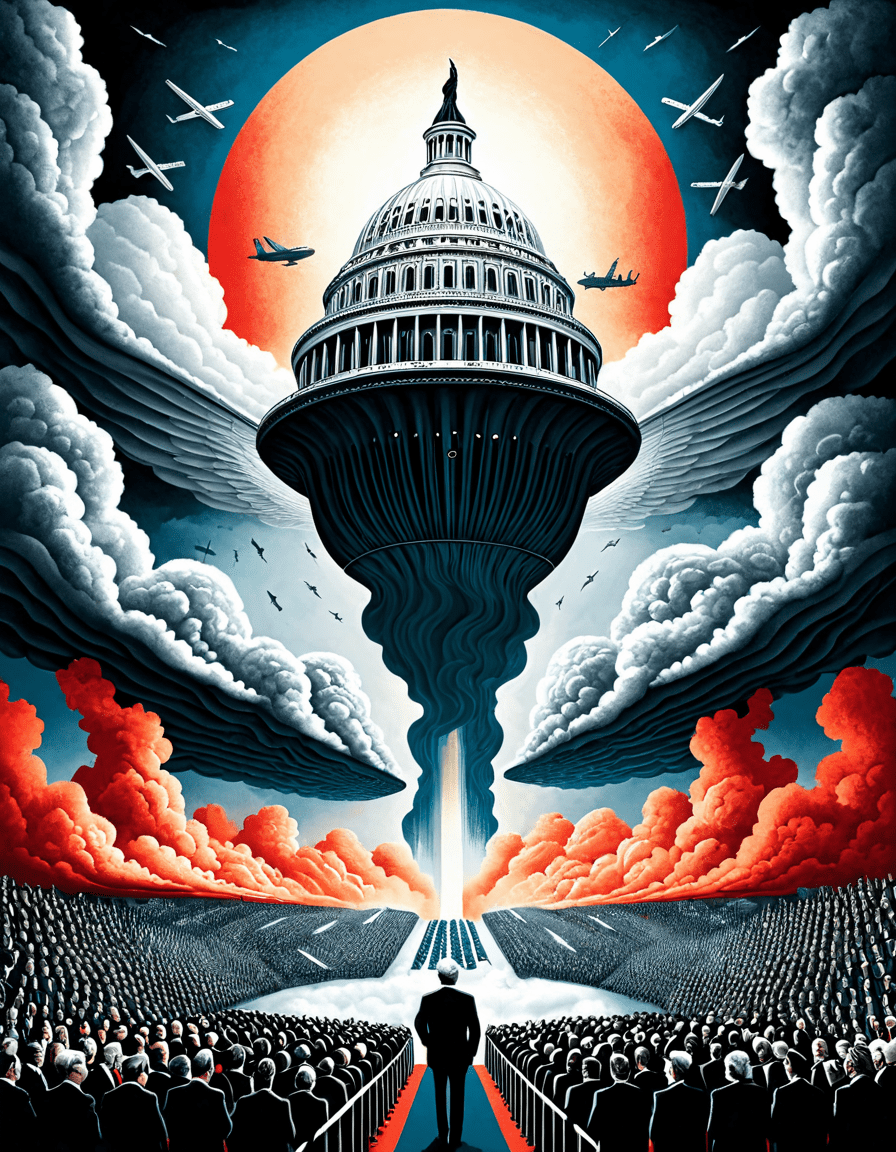
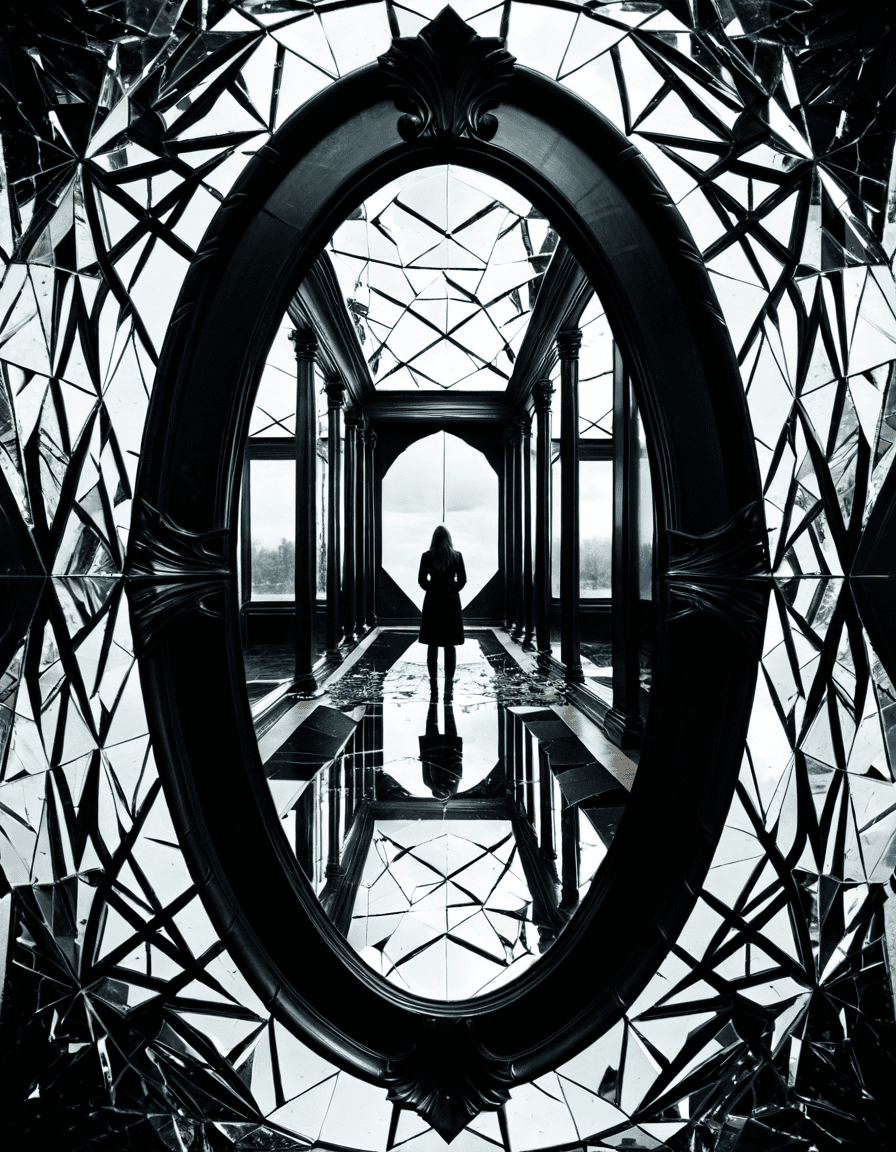
Tyranny. It creeps through time, masquerading in various forms that threaten the very essence of human rights and freedom. From ruthless dictators to modern corporate giants, tyranny insidiously embeds itself in the fabric of society. In this macabre exploration, we’ll don our alternate lenses and delve into the dark legacy of tyranny—one filled with horror, lessons, and warnings that echo through history.

The Various Faces of Tyranny: A Macabre Exploration
Understanding tyranny requires an unflinching gaze. Let’s kick off this journey by shining a light on identifiable tyrants whose malevolent influences continue to shape our consciousness.
The Malevolent Influence of Joseph Stalin
Joseph Stalin, the sinister mastermind of the Soviet regime, redefined tyranny in breathtakingly brutal terms. His Great Purge of 1937 didn’t just bully dissenters into silence; it obliterated millions in state-sponsored terror. Families were torn apart, and fear dripped from every wall, making paranoia the national pastime. The legacy of Stalin’s regime isn’t a ghost story for the history books but a cautionary tale of how tyrannical machinery can operate under the guise of progress.
Nefarious Patterns in Colonial Rule
As we venture further, the nightmare continues with colonial tyranny, where countries like Britain strolled into India with supreme arrogance. Their policies were not mere suggestions but rigid tools of oppression designed to reinforce their economic supremacy. The Rowlatt Act of 1919 stands as a testament to this—blatantly unconstitutional and absurdly oppressive.
The Berserk Rise of Nazi Germany
Adolf Hitler’s ascent epitomizes the berserk transformation of democracy into tyranny. In a twist of fate, the Reichstag Fire of 1933 provided the catalyst for the Enabling Act, which allowed dictatorship to bloom like a malevolent flower in a once-flourishing garden.
Tyranny in Modern Context: Insidious Corporate Control
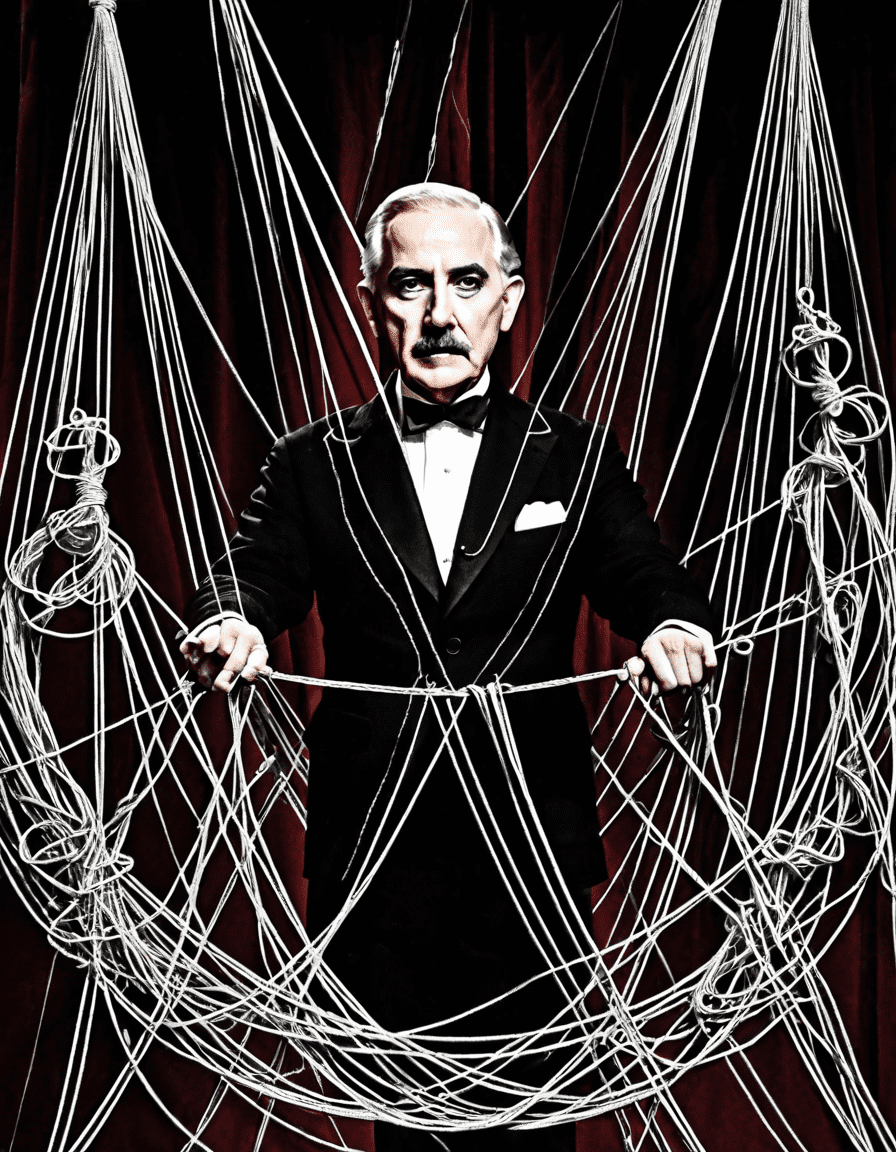
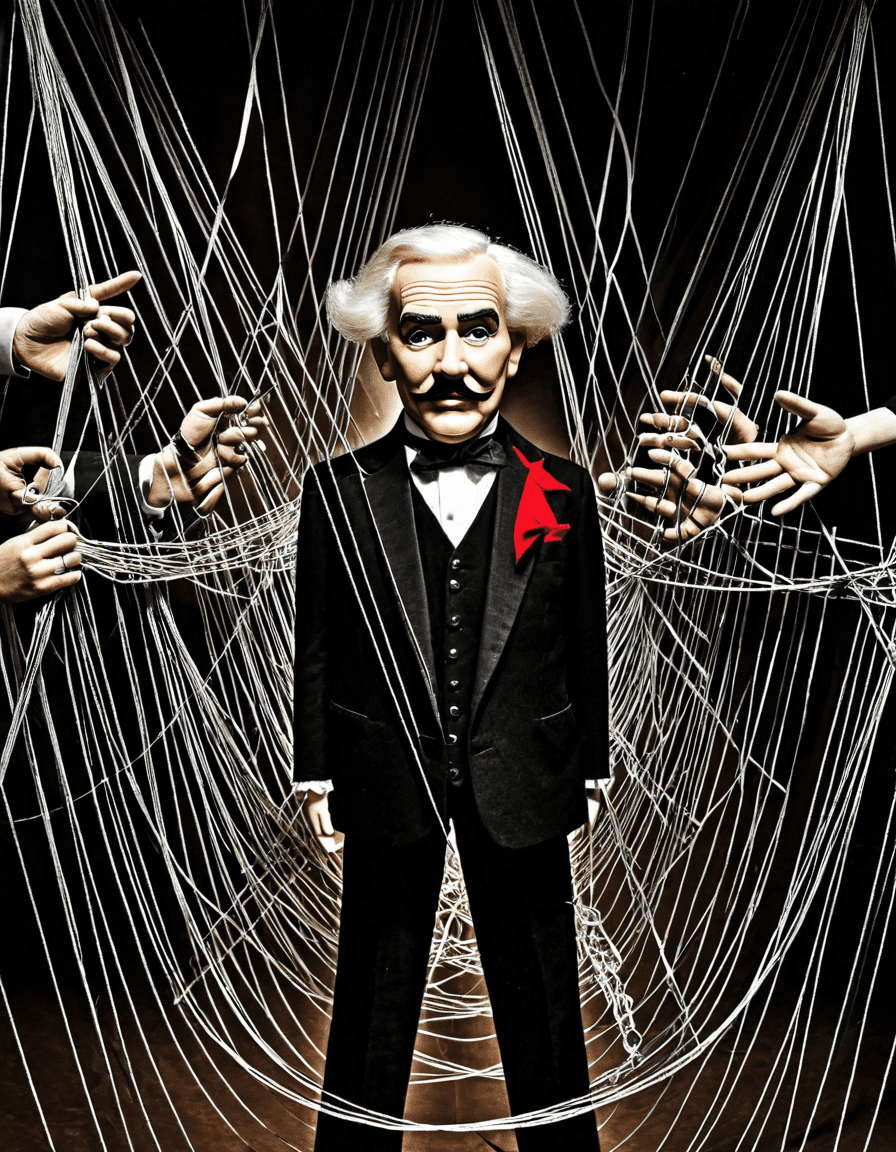
Fast forward to the 21st century, where the face of tyranny has morphed yet again. This time, we find ourselves entrapped in a web spun by corporate giants—its threads darker and more insidious than ever before.
Big Tech’s Macabre Grip on Privacy
What use is freedom if it’s entangled in a constant wave of surveillance? Companies like Facebook and Google dominate the digital landscape, snatching privacy like a thief in the night. Their manipulative algorithms prioritize stir up engagement, blurring the lines between information and fiction.
The Insidious Nature of Labor Exploitation in Gig Economy
Enter the gig economy—where flexibility is the siren song that summons workers but often at a staggering cost. Companies like Uber and DoorDash adopted a model that misclassified workers, stripping them of benefits while portraying themselves as championing innovation and choice.
Political Tyranny Among Modern Populists
Tyranny is a shape-shifter, and in the context of modern populism, we’re witnessing a worrying trend. Countries like Hungary have unraveled democratic norms under the watch of leaders like Viktor Orbán.
The Consequences of Tyranny: A Legacy to Reckon With
Tyranny is not just a tale of bygone eras; it spills into our modern existence with relentless resilience. Acknowledging its many forms, from historical tyrants to relentless corporations, compels us to remain vigilant against its sinister resurgence.
Tyranny may be lurking, but with knowledge and awareness, we can masquerade as its nemesis—echoing an ethos that resonates through the annals of time. Embrace the art of resistance and let creativity fuel reform as we stride toward a world unclouded by dark legacies. Tyranny may shape the past, but it can’t dictate our future.
Tyranny Through the Ages: Fun Trivia and Interesting Facts
The Dark Nature of Tyranny
Tyranny often leaves a significant mark on history, resembling that infamous cast from “King of the Hill” where leadership can sometimes go hilariously wrong. Like the quirky characters in the show, history’s tyrants had their unique quirks that led to tragic ends. Did you know that tyrants like Nero famously fiddled while Rome burned? Much like the whimsical adventures in Chitty Chitty Chitty, these rulers often seemed oblivious to the chaos around them. This disconnect from reality can result in catastrophic consequences, showing just how easily tyranny can thrive in the absence of accountability.
Symbols and Propaganda
One of the hallmarks of tyranny is the use of symbols and propaganda to maintain control. Think of it as a form of hair powder—a little on the surface can mask a lot underneath. Propagandists have always known how to appeal to the masses, wrapping their oppressive ideals in a colorful presentation. Remember how Gumball Watterson always managed to find a twist in a mundane situation? Tyrants are often crafty and manipulate narratives, making their rule seem appealing while distracting from the darker truths.
The Legacy of Tyranny
The legacy of tyranny can be compared to that surprising Shakespearian twist when you think it’s all fun and games, only to realize there’s a weight behind the tales. Take Reggie Jackson, a sports legend—many admire his achievements but often overlook the sheer pressure that comes with greatness. Similarly, tyrants leave a legacy that’s both admired and criticized. As history evolves, figures like Hajime question whether humanity can ever fully be liberated from the grip of oppressive regimes. And just like how fans eagerly anticipate Constantine 2, there’s hope for a brighter future where people rise against tyranny with resolve and resilience.
Tyranny has a long and winding road through history, full of bizarre characters and unexpected twists. By understanding these facts, we equip ourselves with knowledge that can foster a future free of such dark legacies. So, the next time you ponder human history, remember the importance of questioning authority—ironically, it’s the best form of humor and a defense against tyranny!