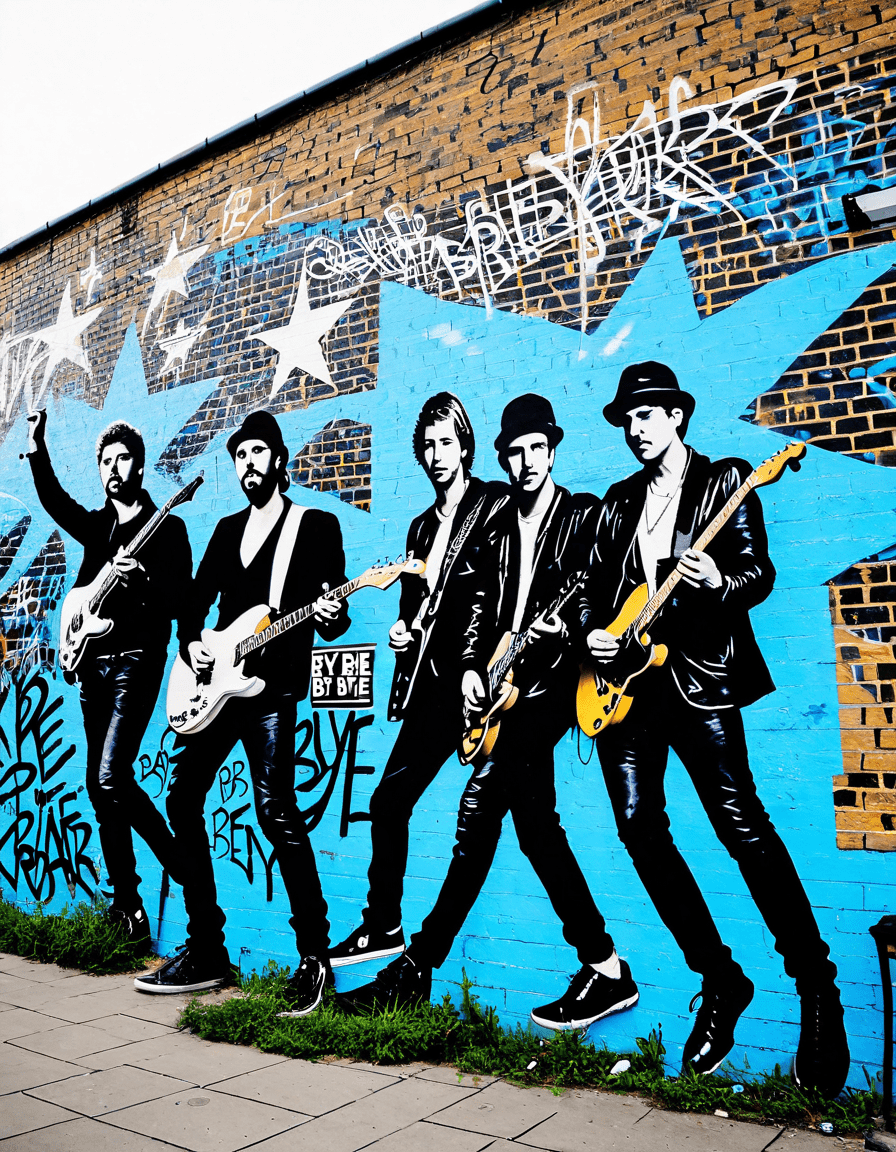
“Bye Bye Bye,” the brainchild of NSYNC, stormed into our lives in January 2000 like a caffeine kick on a sleepy morning. The lead single from their mega-hit album No Strings Attached became an anthem and a cultural touchstone for the early 2000s, encapsulating feelings of heartbreak, resilience, and empowerment. Its peppy beat and infectious choreography struck a chord, not just for eager fans but also for a world grappling with change. Today, as we stroll down memory lane, let’s unpack how this catchy gem has remained relevant, shaping new artists and the very fabric of pop culture.
The Impact of ‘Bye Bye Bye’ on Pop Culture
If you lived through the 2000s, chances are “Bye Bye Bye” was the soundtrack to your life—breakups, hangouts, and those awkward school dances. This song didn’t just float atop charts; it soaked into the fabric of youth culture, becoming a vessel for self-discovery and empowerment. NSYNC’s electrifying energy breathed life into a generation that desperately needed an anthem proclaiming, “I’m done with you, it’s time to move on!” In many ways, “Bye Bye Bye” predated the kind of emotional resilience that movements like #MeToo would later champion.
Fast forward to the present, and you can still hear echoes of this anthem. It’s fascinating how songs like this can morph and evolve. Although we’ve entered a new age of music and art, the heart of “Bye Bye Bye” beats strong and steady, reminding listeners—no matter their age—that breaking free is not just an option, but a necessary rite of passage. As we dissect its enduring legacy, we should also note how “Bye Bye Bye” has influenced the sound and style of contemporary artists, paving the way for an entire genre steeped in nostalgia and innovation.
7 Ways ‘Bye Bye Bye’ Continues to Resonate with Fans Today
“Bye Bye Bye” served as a loud declaration of independence. When relationships turn toxic, its chorus rings like a battle cry. In an era fueled by social media affirmations and movements that encourage self-worth, the message feels even more vital.
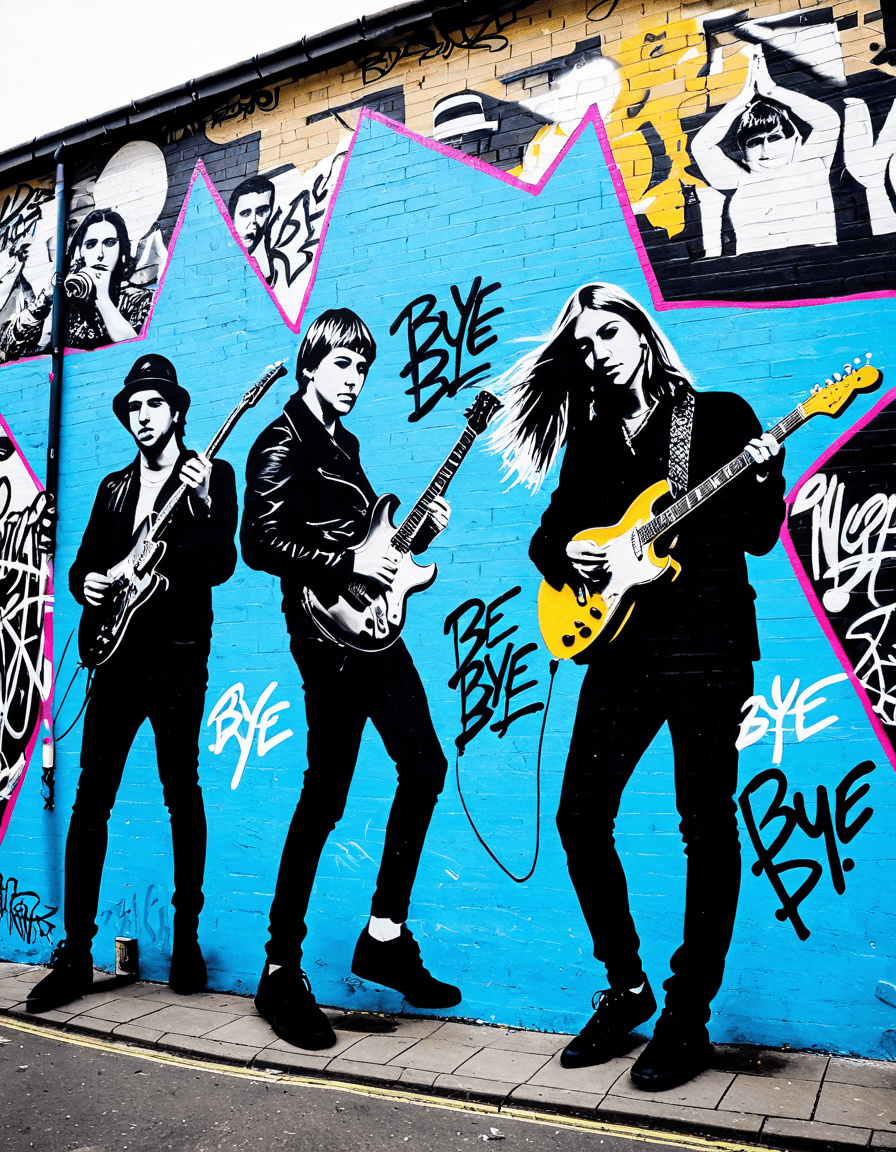
Oh, those iconic dance moves! Thank you, Fatima Robinson, for choreographing a routine that sparked a dance revolution. TikTok is currently buzzing with new takes on “Bye Bye Bye”—from risk-takers attempting the move to parodic covers that capture a zeitgeist of nostalgia.
NSYNC’s classic has been revisited by myriad artists, each bringing their unique flair. Remember Ariana Grande’s playful rendition at the 2020 iHeartRadio Music Awards? It introduced “Bye Bye Bye” to fresh ears, proving its agelessness.
In the digital age, humor spread like wildfire. Memes about breakups often employ “Bye Bye Bye” as a soundtrack. It’s morphed into a comedic staple, transcending generations while giving voice to our shared experiences.
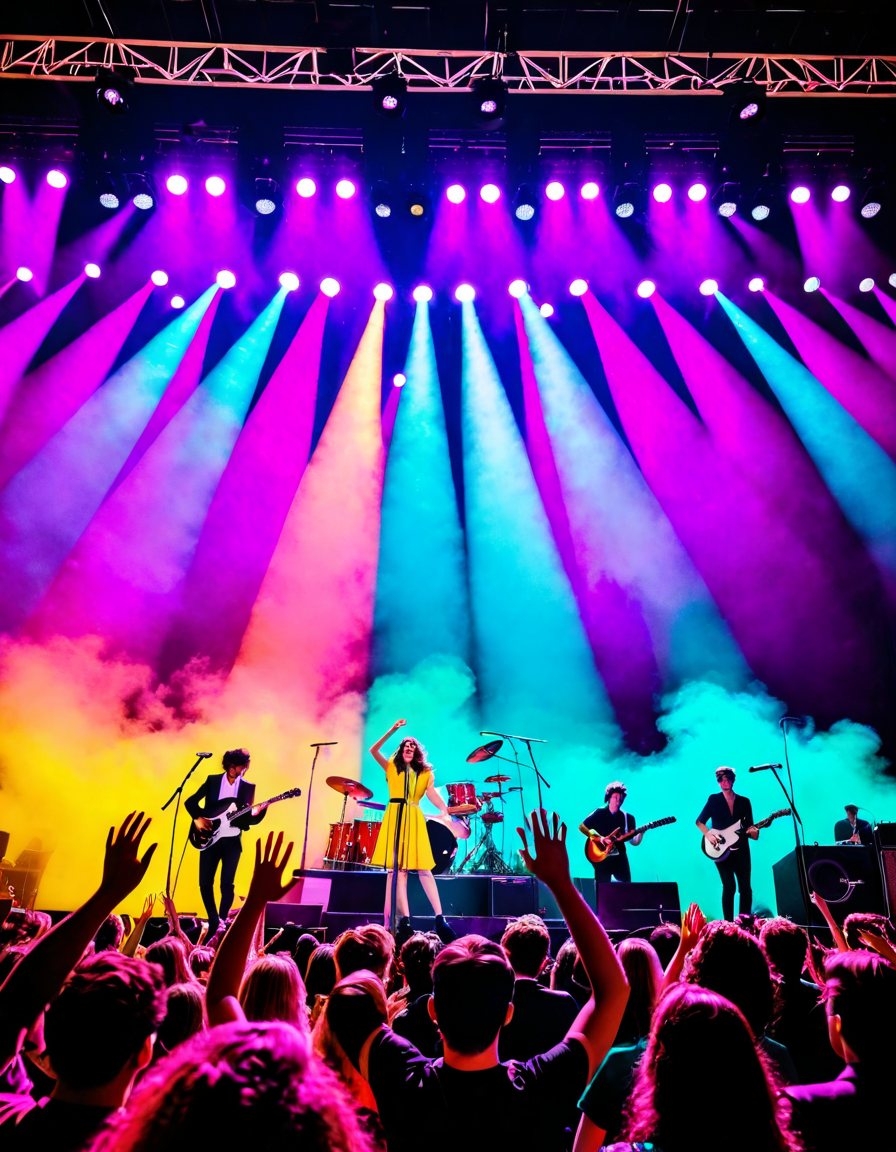
Nostalgia thrives at festivals like Coachella and Lollapalooza. Artists such as Billie Eilish and Lizzo integrate snippets of this NSYNC anthem into their performances, creating a bridge between the old school and the new wave of pop.
“Bye Bye Bye” has wormed its way into our favorite shows, popping up in episodes of The Office and Brooklyn Nine-Nine. These moments evoke nostalgic smiles, cementing its status as a timeless classic that ties us all together.
News about NSYNC’s reunion tours sends shivers down the spines of fans. The sheer anticipation of hearing “Bye Bye Bye” live again sparks memories, proving nostalgia serves as a powerful marketing tool.
The Business of Nostalgia: How ‘Bye Bye Bye’ Has Influenced Modern Pop
“Bye Bye Bye” is more than a nostalgic gem; it’s a masterclass in marketing through memory. Modern pop stars actively borrow from this treasure trove of previous hits. Artists like Dua Lipa tap into vintage vibes, crafting an experience that feels familiar yet fresh.
For record labels, rekindling the magic of classics like NSYNC not only appeals to older generations but also draws younger fans curious about their musical roots. The allure of nostalgia creates a dual opportunity: it charms existing fans while inviting new listeners to explore. It’s a clever business model, easily capitalizing on the public’s fondness for the past.
The re-release of NSYNC tracks alongside high-profile tours showcases the dance between nostalgia and modernity. Nostalgia isn’t just a musical gimmick; it’s a pivotal strategy that continues to redefine the landscape of pop culture.
‘Bye Bye Bye’ in the Age of Streaming
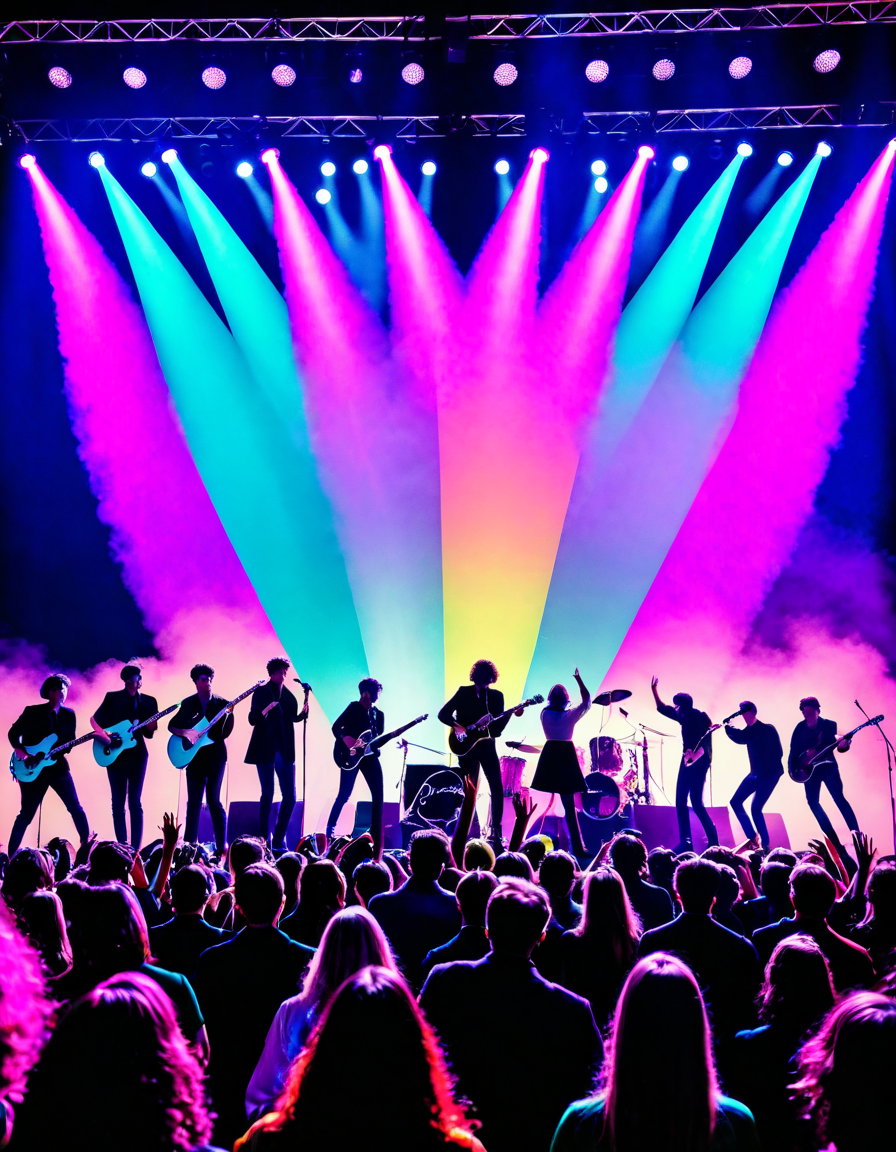
In the age of streaming, “Bye Bye Bye” has found new life. Platforms like Spotify and Apple Music are brazen about their nostalgia-driven playlists, where this anthem frequently rules the charts. It’s remarkable how digital accessibility enables real-time engagement—fans dive deep into the song’s history, production notes, and even behind-the-scenes tales.
Social media has transformed how we consume music and connects fans in unprecedented ways. Creators and listeners find common ground, engaging through live Q&As or vibrant discussions about their favorite moments related to “Bye Bye Bye.”
Streaming generations continue to embrace this euphoric anthem, ensuring it’s never far from our ears or memory banks. The digital push allows for an emergency dose of nostalgia whenever we crave it—whether it’s a sad breakup or a Saturday night dance party.
Bringing ‘Bye Bye Bye’ into the Future
The future of “Bye Bye Bye” shines bright. With advances in technology, expect to see NSYNC’s music in fresh mediums—virtual reality concerts and interactive music experiences are on the horizon, tantalizing fans both old and young.
As the industry embraces interactivity, we find ourselves leaning into music in ways we’ve never dreamed. Fan-led experiences are emerging as a way for listeners to connect deeply, ensuring this anthem remains as vibrant as ever.
“Bye Bye Bye” encapsulates the spirit of saying goodbye while celebrating the joy of unforgettable melodies. It’s a testament to pop’s resilience, ensuring our collective narrative of liberation and empowerment continues to thrive across generations.
At the end of the day, be it through TikTok dances or nostalgic festival sets, “Bye Bye Bye” doesn’t define a generation; rather, it punctuates an ongoing saga of courage, tenacity, and magical music. So, let’s say bye-bye to what’s holding us back and embrace the rhythm of life.
Bye Bye Bye: The Iconic Anthem That Defined a Generation
The Beat That Shook the Charts
Released in 2000 as part of No Strings Attached, “bye bye bye” catapulted NSYNC to superstardom. This catchy tune isn’t just an earworm but an emblem of early 2000s pop culture. In its first week alone, the album sold over 2.4 million copies—setting a record that stood tall for years! Interestingly, the song’s choreographer, Fatima Robinson, brought a vibrant energy to the dance moves, reminiscent of the iconic performances in films like Caligula*. Hey, if you’re a fan of great choreography, be sure to catch a glimpse of how these moves rival those in classic pop cinema.
Music and Pop Culture Connections
“Bye bye bye” isn’t just about its infectious beat; it mirrors a whirlwind of the time’s pop culture. Interestingly, the song’s powerful rejection anthem coincided with a decade that saw characters like Sissy Spacek redefine the norms in movies. And speaking of iconic moments, did you know that “bye bye bye” is among the most parodied tunes? Its catchy chorus has been referenced across various media, capturing the essence of generations moving on, similar to how Planet Of The Apes Movies in order narrate tales of evolution, loss, and rebirth.
Beyond the Music
The impact of “bye bye bye” goes beyond the charts; it literally found its way into the minds of many young fans, shaping their experiences. For some, like Amarjeet Sada, it marked a moment of nostalgia showing how music often resonates deeply with personal stories. Moreover, the relentless beat of “bye bye bye” can be likened to a journey of self-discovery. Just as people explore How To see who Views Your Instagram profile, fans dug deep into the emotions conveyed in the song. It’s a poignant reminder of how music and pop culture intertwine, just like how Mr. Poopybutthole from Rick and Morty blends character humor with serious themes.