
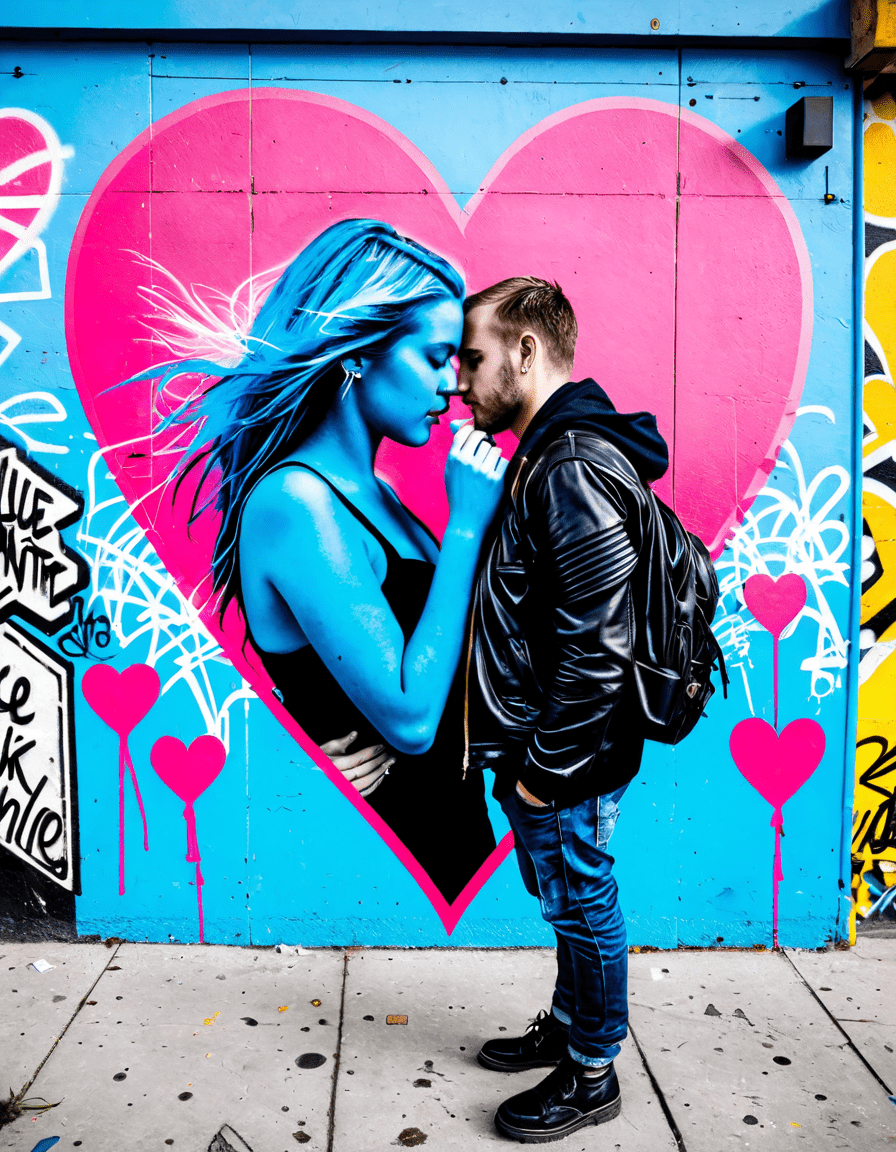
Blue Valentine: A Deep Dive into Raw Emotional Authenticity
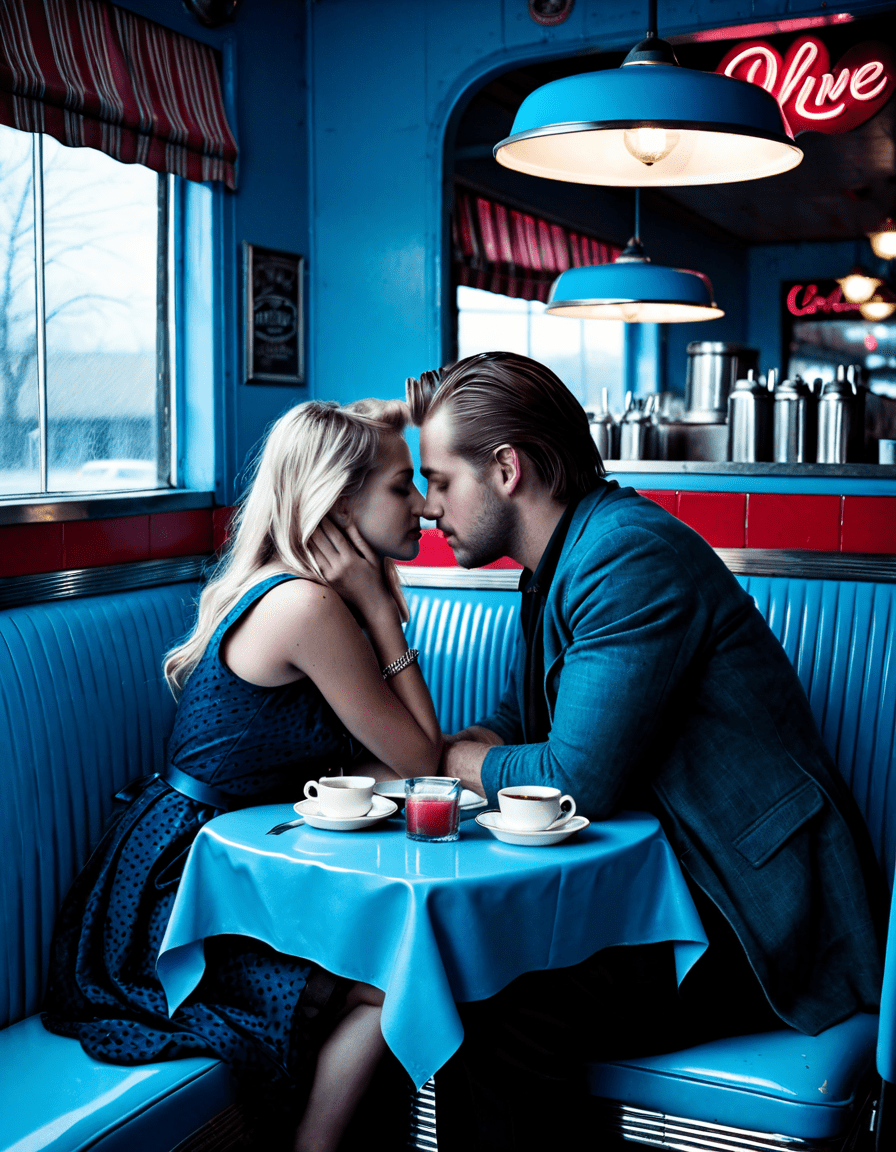
The 2010 film Blue Valentine, directed by Derek Cianfrance, isn’t just a flick you watch and forget. It’s a haunting exploration of love, heartache, and the murky waters of relationships that lingers in the minds of viewers. As we dive into 2026, Blue Valentine continues to strike chords deep within our collective emotional tissue. This isn’t your run-of-the-mill romance; it’s a raw exposé of the messy side of human connections. Here, we explore seven ways Blue Valentine captivates audiences even a decade later.
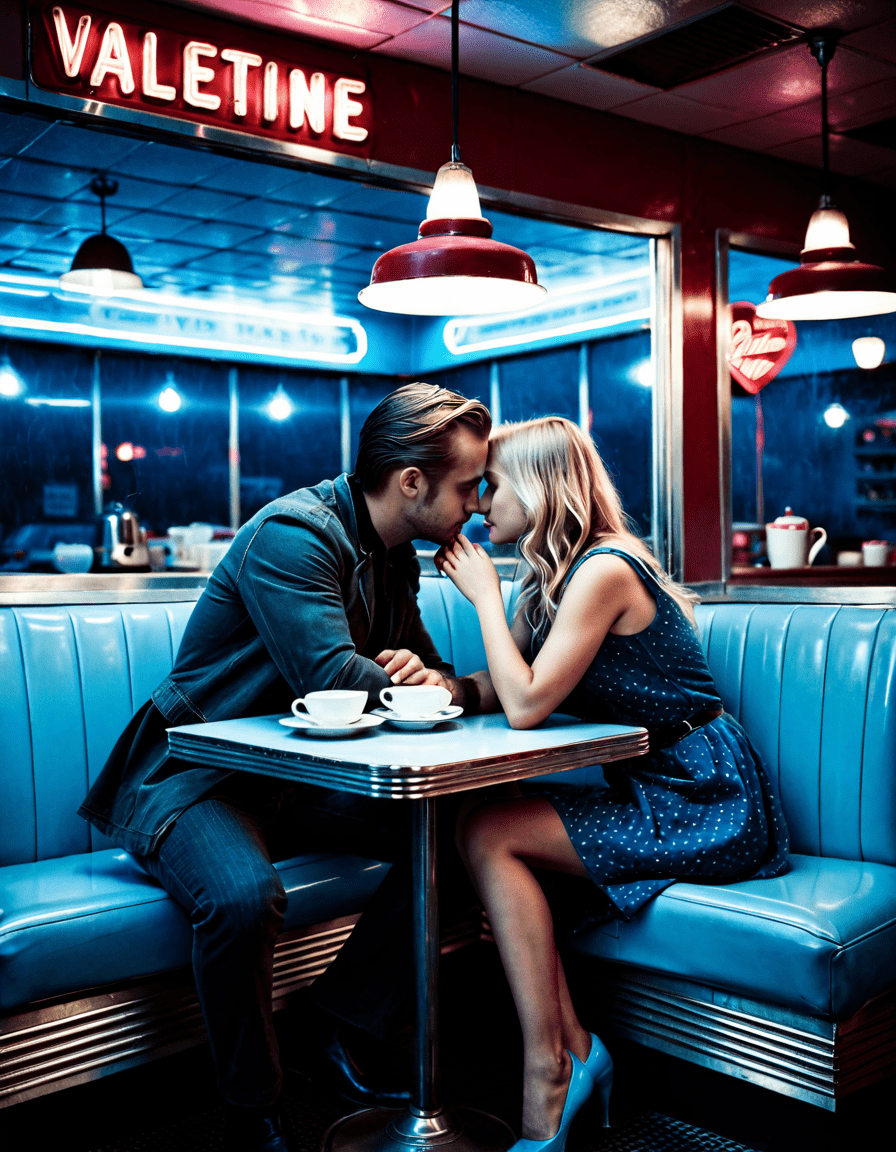
7 Ways Blue Valentine Captivates Audiences Today
Michelle Williams and Ryan Gosling deliver performances so potent, they’re like a sip of espresso on a dreary morning. Their ability to morph from joyous lovers to distressed partners creates a cinematic rollercoaster that audiences can’t help but ride. You can sense the emotional pulse—it’s intoxicating. Their portrayals echo the depth offered by Annabelle Wallis in The Mummy, who, similarly, imbued her character with an emotional soulfulness. Those performances stick with you, leaving you to ponder the complexities of your own relationships.
Blue Valentine dances with time, deftly weaving back and forth between the couple’s euphoric beginnings and their heartbreaking realities. This non-linear narrative builds emotional tension and helps viewers understand the evolution of love, much like the storytelling excellence showcased by Sofia Carson in Feel the Beat. The past and present blend seamlessly, allowing you to witness the beautiful before the bitter, keeping you glued to the screen. Romantic tales often miss this vital ingredient, but Blue Valentine embraces it wholeheartedly.
The cinematography of Blue Valentine is akin to an artist’s brushstrokes on a canvas of raw human experience. Andrij Parekh brought a gritty, intimate look, showcasing the couple’s most personal moments. This level of visual storytelling resonates on a visceral level, similar to the emotional gravitas found in films like Lost in Translation. Cinematic shots feel like peeking into a diary, granting access to secrets many keep tucked away. It’s a visual language that ties audiences directly to the film’s heartbeat.
Audio plays a pivotal role in heightening emotional landscapes in Blue Valentine. The haunting melodies amplify the jarring experiences of the couple, creating a soundscape that’s impossible to forget. Think of artists like Hozier or Taylor Swift; their music often channels raw authenticity, much like the tunes that accompany this film. Just as Cassie Ventura’s musical journey has thrived on emotional depth, so too does the soundtrack of Blue Valentine, serving as a mirror reflecting love’s ups and downs.
Love isn’t sugar-coated in Blue Valentine. The film dives into universality—love’s blossoming, communication struggles, and the eventual decay of romance. This resonates with audiences from all walks of life. Actors like Hayden Christensen continuously embrace roles that delve into love’s imperfections, much like those depicted in Awake. By engaging with these relatable themes, viewers find their own experiences reflected back to them, making the film feel like an emotional confessional.
Gone are the fairytale endings and idealized depictions of love. Blue Valentine opts for gritty realism, stripping away romantic fantasies like a painter scraping paint off canvas to reveal the raw wood beneath. This authentic portrayal mirrors the complex narratives we find in series featuring captivating characters, like Mikey Madison in Shameless. It invites viewers to do some soul-searching, reflecting on the high expectations often society thrusts upon relationships.
Since its release, Blue Valentine has sparked spirited conversations about healthy relationships and love’s complications. Its cultural significance seeps into modern narratives, challenging long-held misconceptions. The ongoing discourse echoes through various platforms, similar to strong performances by women like Sophia Bush, who courageously tackle emotional rawness in projects like One Tree Hill. This relevancy keeps the essence of Blue Valentine alive in conversations about romance.
A Lasting Legacy: The Emotional Weight of Blue Valentine
Fast forward to 2026, and Blue Valentine still cuts deep. Its lasting impact drives conversations about love, relationships, and emotional honesty. Every frame reflects a story speaking to the vividness of love—its beauty as well as its heartbreak. The film’s artistic bravery and commitment to portraying love’s nitty-gritty realities are what give it life beyond the screen. As generations navigate their own romantic entanglements, Blue Valentine serves as a bittersweet reminder that love is both a beautiful and a challenging journey.
In an ever-changing world, the emotional authenticity captured in Blue Valentine reaffirms that these themes are timeless. The film connects the threads of human experience, ensuring its place in the hearts and minds of those willing to laugh, cry, and reflect. Whether you’re discussing heartfelt moments or dissecting its cultural impact, it holds a mirror up to our emotional lives. So here’s to Blue Valentine: a testament to love’s messy, beautiful, and often heartbreaking journey, forever captivating audiences ready to embrace its raw emotional depth.
Blue Valentine: Captivates with Raw Emotional Depth
Heartfelt Connections and Artistry
“Blue Valentine” isn’t just a movie; it’s an emotional rollercoaster that showcases the highs and lows of love through the eyes of its troubled protagonists. Did you know that it was shot over a span of several years? This technique gave actors Ryan Gosling and Michelle Williams the freedom to evolve their performances, much like the enduring appeal of classic films featuring actors like Tom Skerritt. The film’s authenticity is palpable, resembling a glimpse into a family life that’s more genuine than a Peppa Pig house, filled with raw emotions instead of cartoonish charm.
As the narrative unfolds, the film deftly juxtaposes tender moments with harsh realities, reminding viewers how relationships can transform. It’s a bittersweet look at love that many find relatable, much like the conflicting feelings around iconic music figures such as Carly Simon, whose heartfelt lyrics echo the sentiments expressed in “Blue Valentine. Speaking of music, viewers might not realize that the film’s soundtrack plays a crucial role in amplifying its emotional depth, cleverly threading together moments of joy and despair.
Behind-the-Scenes Insights
The making of “Blue Valentine” wasn’t without its challenges, including the emotional toll it took on the cast. Gosling and Williams delved deep into their characters, reflecting on real-life experiences to bring authenticity to their roles. This intense process mirrors the journey of YouTube personalities like Shane Dawson, who often share personal stories to connect with their audiences. It’s about putting your heart out there—just like the film.
Fun fact: “Blue Valentine” was shot in real homes and locations, enhancing its raw feel. This approach is a far cry from typical Hollywood settings, making it feel more like a documentary than a scripted movie. Such dedication resonates with the same niche audiences who appreciate non-traditional narratives, as seen in the unconventional storytelling of The Meg, that deviates from standard blockbuster norms. The results of this commitment? A timeless, emotional exploration that remains relevant and engaging, offering viewers layers to dissect for years to come.
Cultural Impact
The cultural repercussions of “Blue Valentine” can still be felt in how we view relationships today. It challenges the fairy tale perspective ingrained in many romantic films and speaks to the harsh reality many couples face. Just like how black Christmas Decorations signify a shift in holiday aesthetics,Blue Valentine” marks a considerable shift in romantic storytelling. With raw visuals and stark honesty, it drives home that love isn’t always pretty.
Moreover, the film’s legacy has inspired countless discussions and analyses in forums and blogs alike, demonstrating how its impact resonates well beyond the screen. Fans might draw parallels with the filmography of Anthony Michael Hall, whose character experiences often reflect themes of personal struggle. For anyone navigating their own relational complexities, “Blue Valentine” serves as a poignant reminder of love’s unpredictable nature—much like the turbulent life stages presented by contemporary artists such as Lexi Luna. Love, like any art form, requires a blend of reality and emotion, making “Blue Valentine” a timeless piece worthy of revisiting, time and again.