The ink of animation runs thick in the veins of Springfield, where Voices twist Like vines through decades of satire and shadow. Behind the cacophony of misfits and maniacs, one breath gives shape to the chaos-a chameleon unseen, yet felt in every sibilant sneer and gravel-throated punchline. This is not just voice acting. It is alchemy.
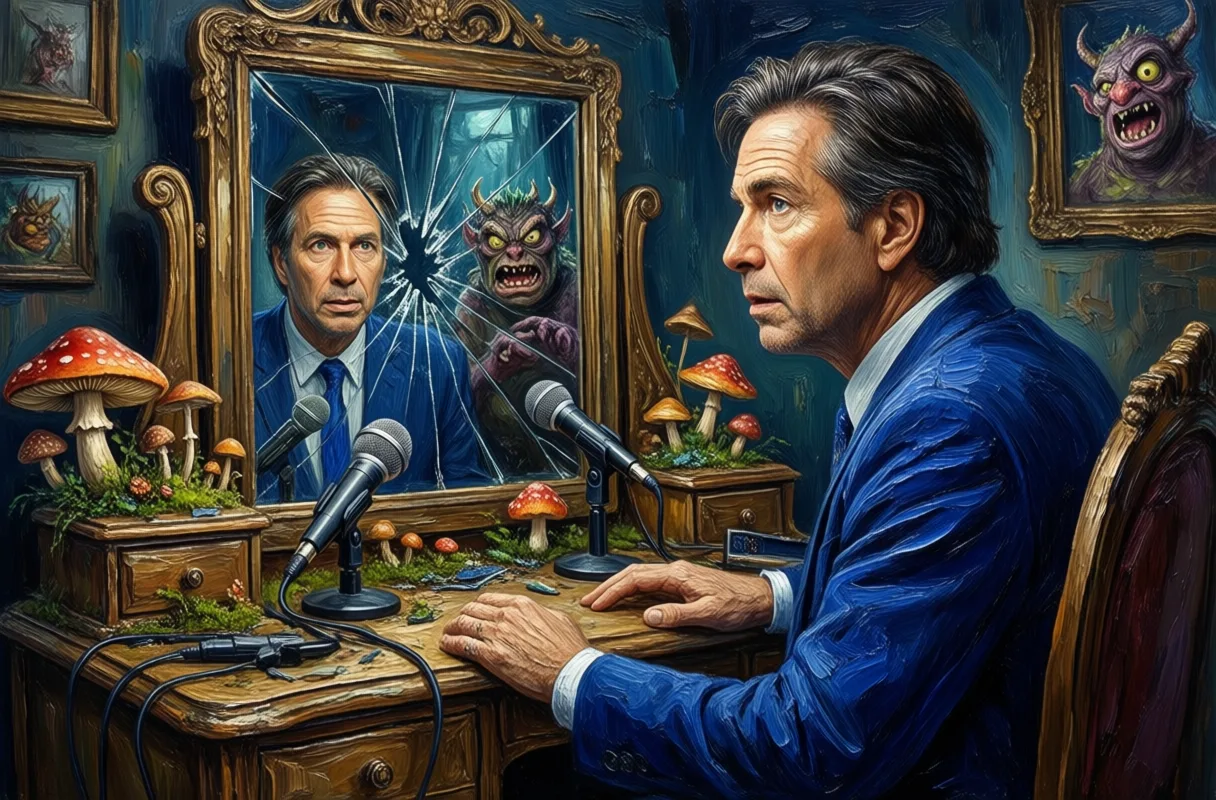
The Theatrical Alchemist of Springfield
In the dim glow of the recording booth, where syllables are stretched and souls are sampled, a performer becomes vessel. Not through sight, but sound, do we know the true architecture of character. The best Voices Don’t speak-they Haunt. They linger like smoke in velvet curtains, like the last note of a distorted violin.
One man has slipped between personas like a tailor through unfinished seams, stitching identity with pitch and pause. From the simpering to the sinister, the pompous to the profane, his vocal range is a wardrobe of warped silhouettes. You’ve heard him sneer, snivel, and sing-though you may not know his name.
His contributions coil through the Series like A subterranean current, shaping the rhythm of satire with surgical precision. These are not mere side roles. They are Inversions-of power, of class, of the American dream itself.
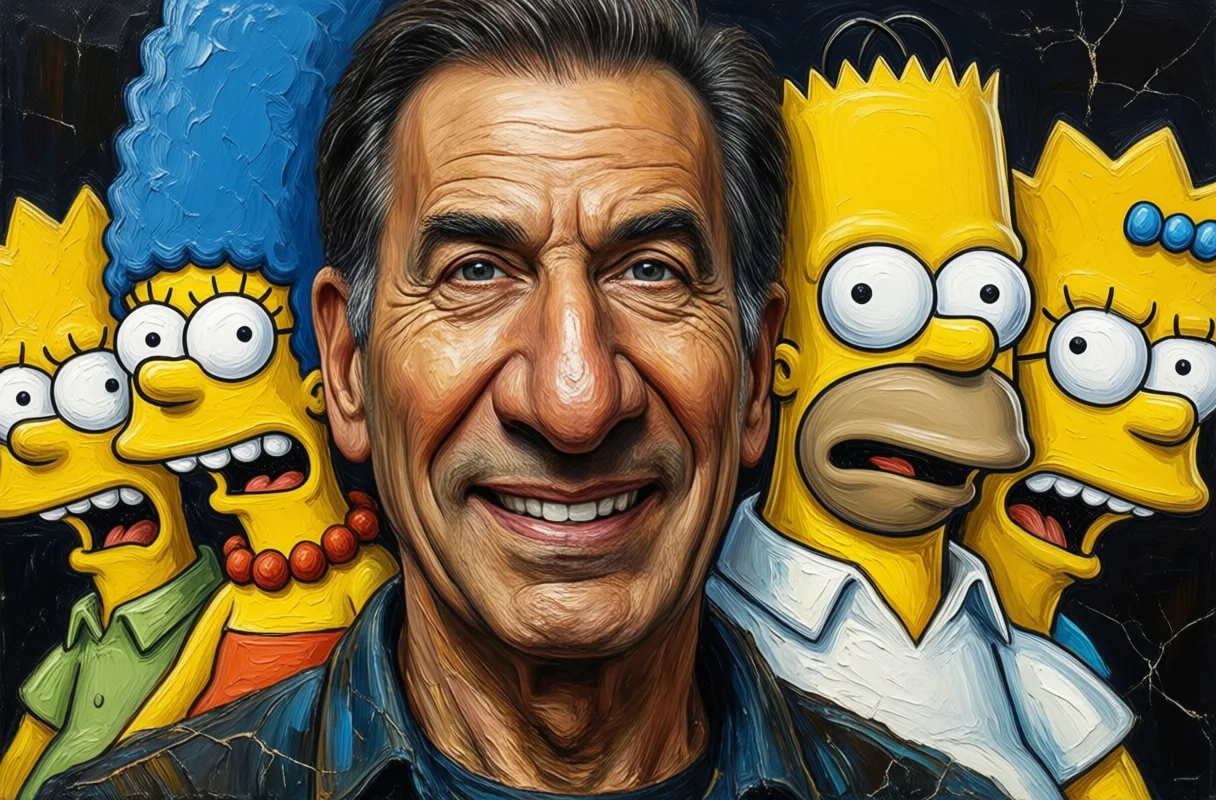
Characters Carved in Sonic Stone
The Chief of Misconduct: Chief Wiggum
Round, red-faced, and rotten with apathy, Chief Wiggum lumbers through duty like a bear in a donut shop. His voice-a slurry of indifference and ego-sinks into the scene like a body into quicksand. Authority has never sounded so absurd, so Deliciously Corrupt.
He is the law shaped like a joke, and the joke is on us. Each mumbled order, each half-hearted arrest, is delivered with a lazy drawl that mocks the very idea of justice. In his vocal laziness, we see the rot of complacency.
Wiggum doesn’t command respect-he Defies It. And in that defiance, he becomes unforgettable.
The Merchant of Mischief: Apu Nahasapeemapetilon
At the Kwik-E-Mart counter, time folds. Fluorescent lights hum over shelves of expired dreams and overpriced soda. Behind it stands Apu-polite, weary, trapped in a loop of service and stereotype. His voice carries the weight of diaspora: crisp consonants, a lilt of longing, the rhythm of someone translating himself daily.
He speaks with a precision that borders on performance, as if every word must be both correct and palatable. The character, though drawn in broad strokes, becomes a cipher for assimilation’s quiet tragedy.
Apu’s voice is not just an accent-it’s an archive. Of displacement. Of survival. Of the cost of belonging.
The Maestro of Malice: Comic Book Guy
“Worst. Episode. Ever.”
Three words. A lifetime of judgment.
Comic Book Guy sits in his fortress of solitude-Action Comics Action Figures, vintage VHS tapes, the sacred relics of geekdom-and judges with the finality of a high priest. His voice, a low, nasal drone, drags across syllables like a shopping cart on cracked pavement.
He is the gatekeeper of authenticity, though authenticity eludes him. His knowledge is vast, his posture defeated. In his voice, we hear the loneliness of expertise without connection.
A cult of one, worshipped by no one. Yet we remember him-because he speaks for the silent rage of the overlooked.
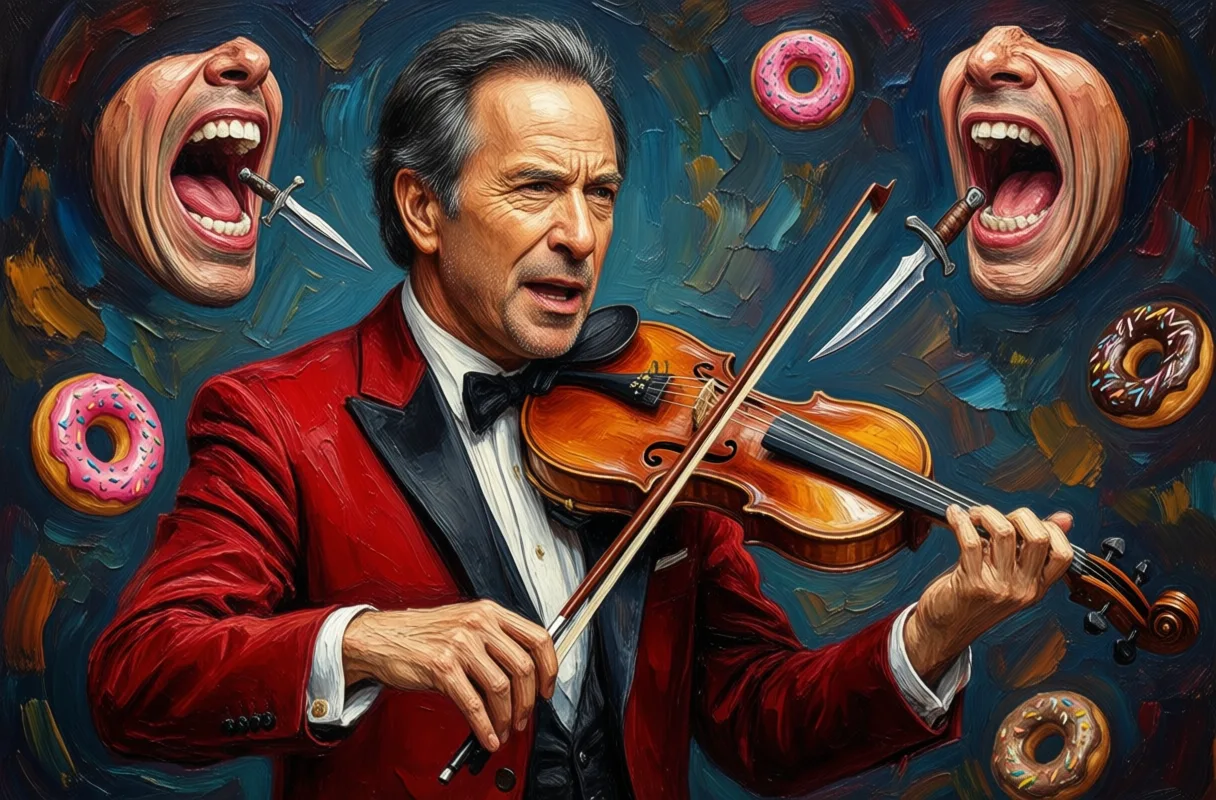
The Unseen Thread
These Characters Do not stand alone. They are stitches in a larger tapestry-one woven with irony, rebellion, and the grotesque beauty of dysfunction. The voice behind them is not a star, but a shadow-shifting, shapeless, essential.
There is poetry in this mutability. In the way a single breath can birth a bully, a beggar, a bureaucrat. It reminds us that identity, like fashion, is performance. And the most radical performances are the ones no one sees coming.
The Simpsons, after all, has always been a mirror held up to the absurd. And sometimes, the clearest reflections come not from the eyes-but from the mouth.
The Man Behind the Microphone
Hank Azaria has been a vocal powerhouse on The Simpsons Since the show’s early days, bringing to life a wildly diverse cast of characters with nothing more than his voice and imagination. What’s wild is that he didn’t start out voicing so many roles-he was originally hired just to be the announcer. But when the producers heard his range during early recordings, they quickly realized they had a secret weapon on their hands.
From Moe to Apu and Beyond
Azaria’s most iconic character might be Moe Szyslak, the gruff bartender with a heart buried deep under layers of cynicism. He based Moe’s voice on a real-life cranky New York bartender he once encountered. Then there’s Apu Nahasapeemapetilon, the Kwik-E-Mart clerk, whose accent and warmth made him a fan favorite for decades-Azaria spent time studying Indian English speech patterns to get it right. He also voices Chief Wiggum, whose lazy drawl and bumbling authority are instantly recognizable, and Comic Book Guy, whose deep, monotone “Worst. Episode. Ever.” Became a pop culture catchphrase.
Even lesser-known characters like Cletus the Slack-Jawed Yokel, Superintendent Chalmers, and the always-enthusiastic Rainier Wolfcastle show off Azaria’s insane vocal range. Over the years, he’s voiced well over 100 characters on the show, often switching between them mid-scene without missing a beat. It’s not unusual for him to record lines for five or six different roles in a single session-proof that behind Springfield’s chaos, there’s one guy doing an awful lot of the yelling, mumbling, and occasional singing. Explore more stories, videos, and creators on Loaded.
Frequently Asked Questions
Who voices Chief Wiggum on The Simpsons?
Hank Azaria voices Chief Wiggum. His lazy drawl and bumbling authority are delivered with a vocal indifference that mocks the idea of justice.
What inspired Hank Azaria's voice for Moe Szyslak?
Azaria based Moe’s voice on a real-life cranky New York bartender he once encountered. The gruff tone reflects Moe’s cynicism and buried heart.
How did Hank Azaria start on The Simpsons?
He was originally hired just to be the announcer. Producers discovered his vocal range during early recordings and expanded his roles significantly.
How many characters has Hank Azaria voiced on The Simpsons?
Hank Azaria has voiced well over 100 characters on the show. He often records lines for five or six different roles in a single session.
This article was produced with AI assistance. How Twisted Magazine uses AI.
Mira explores the artistry behind tattoos and avant-garde beauty, spotlighting innovators who blur identity and expression. She approaches each piece as cultural narrative, weaving personal journeys with global trends in bold, intimate profiles.