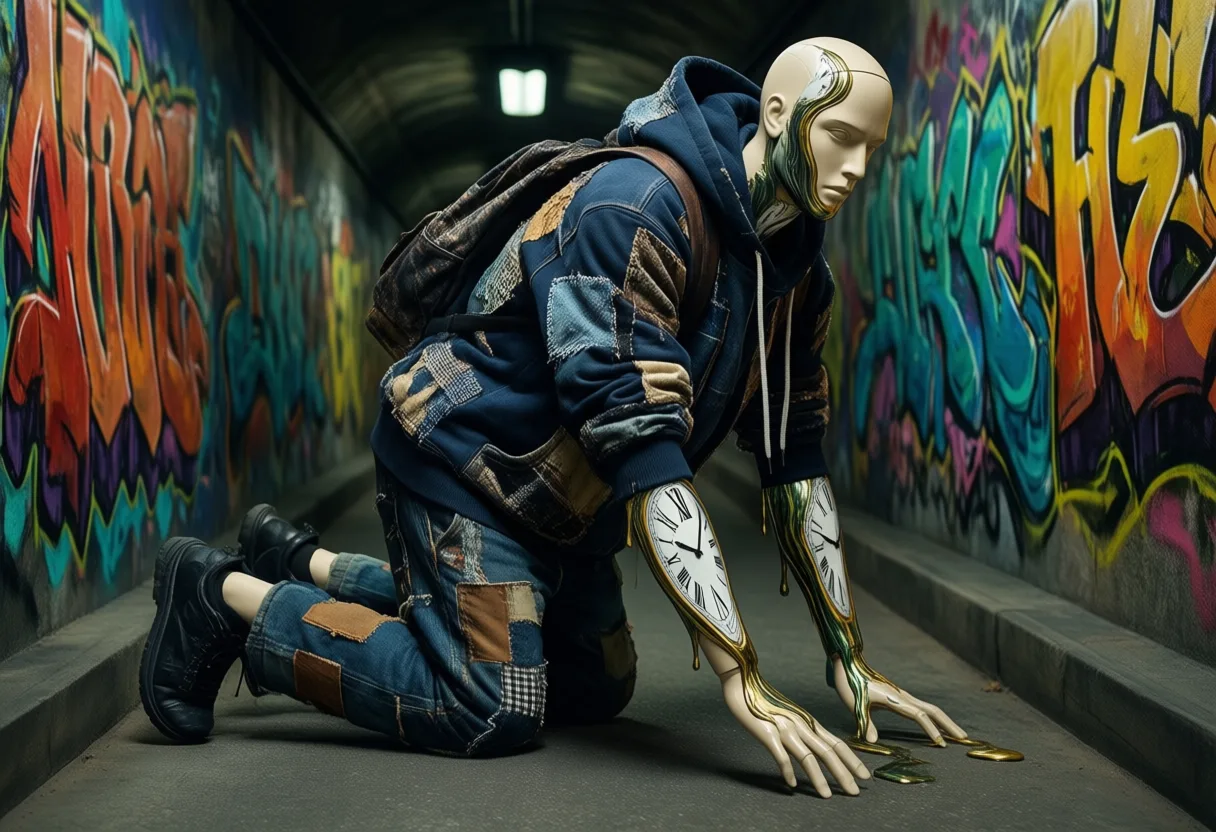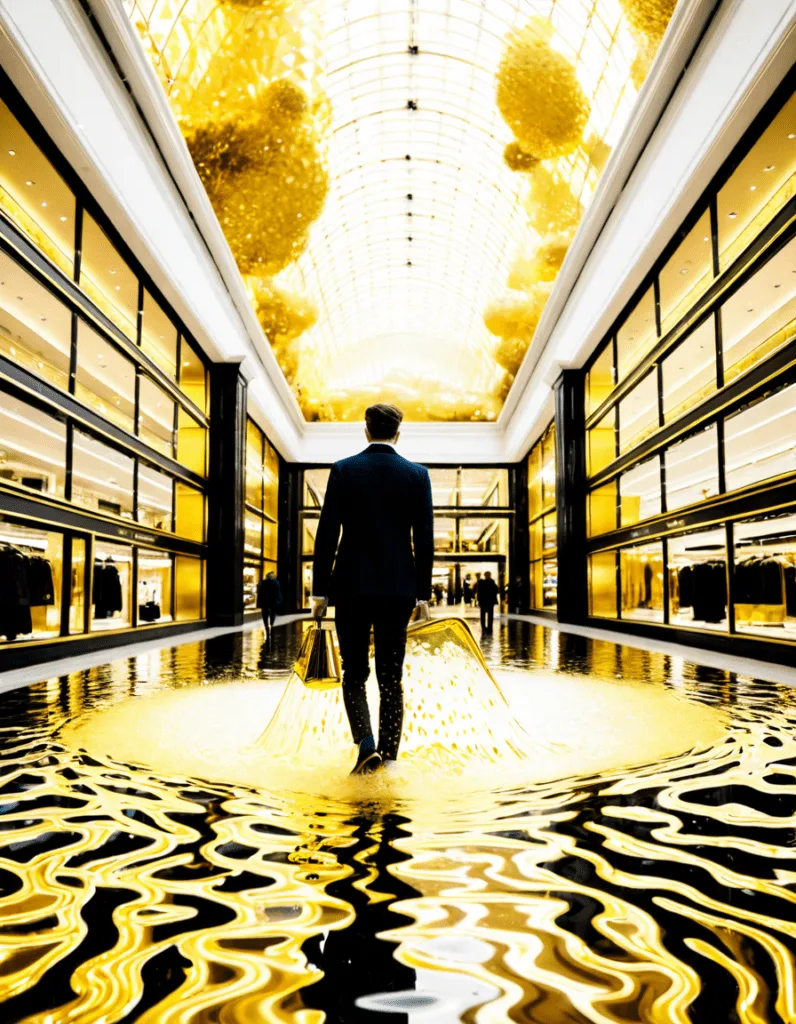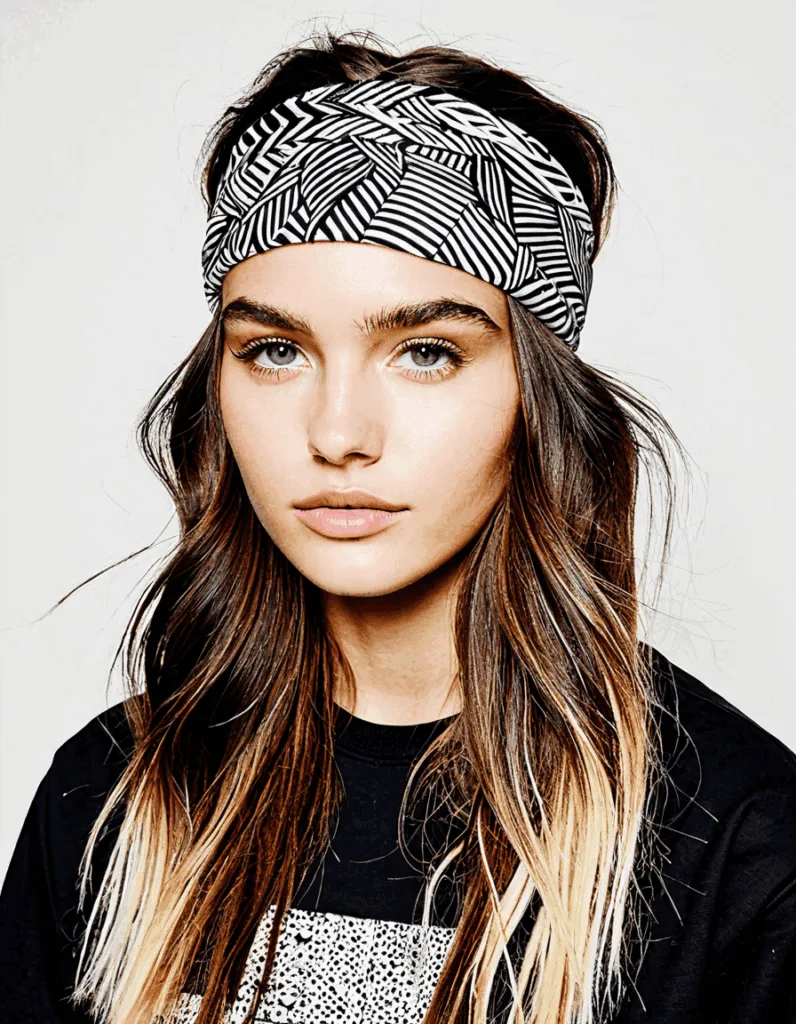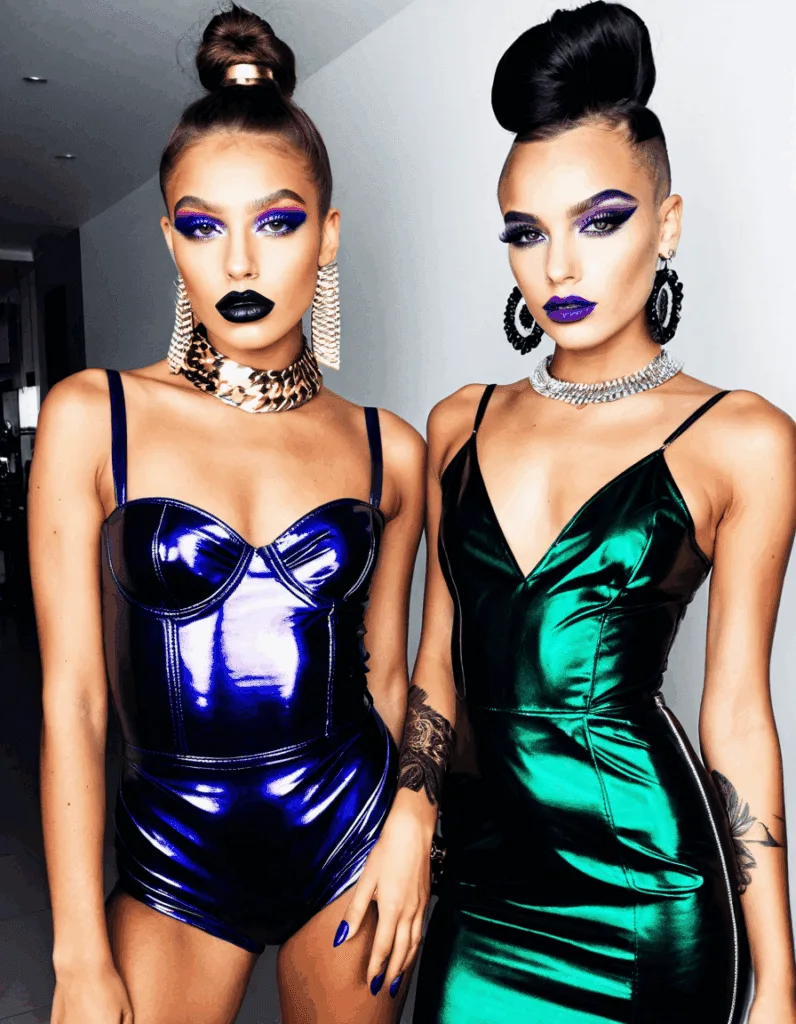
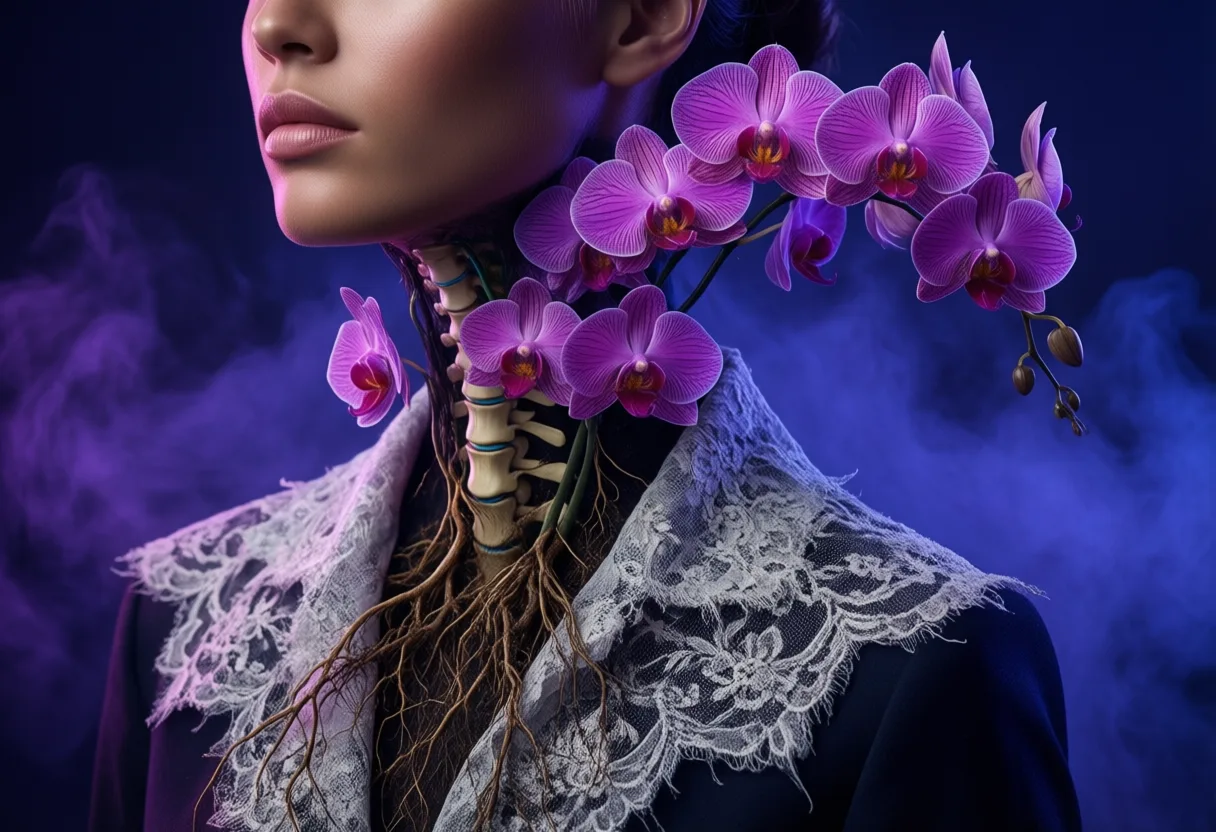
What happens when a corset is stitched from shadow, a gown blooms like a fungal infection, or a model’s silhouette fractures under mirrored light? In the realm of alternative fashion editorials, the familiar unravels—Clothing ceases to function as mere garment, instead becoming a vessel for psychological depth, surreal mythologies, and silent rebellion. This is where fashion refuses to whisper trends and instead Screams in visual dialects Only the subconscious understands.
What Happens When Fashion Refuses to Play It Safe? — How Alternative Fashion Editorials Turn Strange Ideas Into Visual Stories
When fashion steps beyond the runway and into the editorial space, it gains a new dimension—one unbound by wearability or commercial appeal. A bold fashion editorial is a captivating visual narrative that transcends mere clothing displays, serving as a powerful platform for artistic expression and cultural commentary. These images aren't meant to sell a handbag; they’re meant to Unsettle, provoke, and imprint themselves on memory Like half-remembered dreams.
In this space, designers and photographers collaborate not as merchants but as mythmakers. The clothes become characters, the models avatars, and the settings psychological landscapes. It’s here that the ordinary is inverted—lace isn’t delicate, it’s predatory; silk doesn’t drape, it constricts. The result is a Visual language that speaks in metaphors, where a single image can carry the weight of a short story.
Consider how alternative fashion editorials turn strange ideas into visual stories by embracing discomfort. A model submerged in black liquid isn’t just dramatic—it suggests drowning in identity, in expectation, in silence. These are not accidents of composition but Intentional distortions of reality, designed to make the viewer pause, question, and feel. For those seeking inspiration in the power of the unseen, Backshots That Captivate With Stunning visual stories Reveals how even the most obscured angles can carry narrative force.
The Alchemy of Turning Unsettling Concepts Into Striking Images
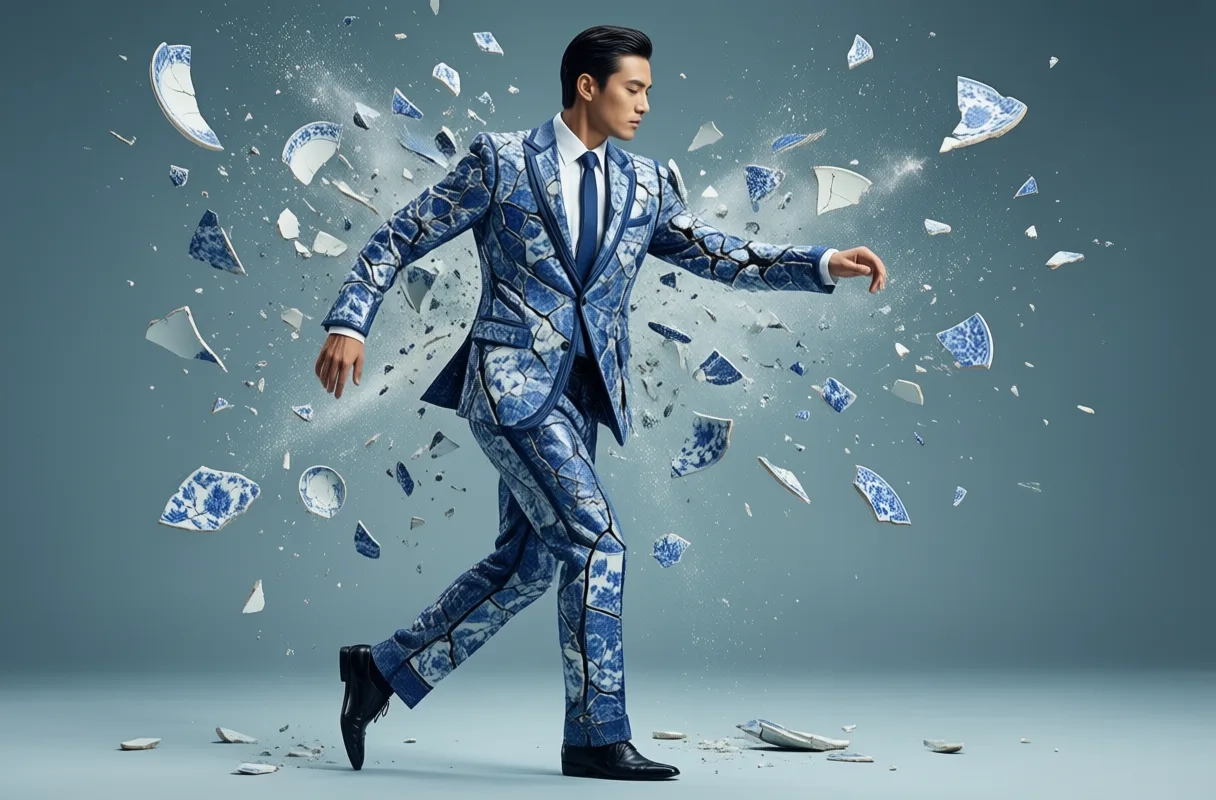
Creating a surreal fashion editorial isn’t about throwing bizarre elements together—it’s about Alchemy. The transformation of an unsettling concept into a striking image relies on cohesion, intention, and a deep understanding of visual semiotics. Every texture, hue, and gesture must serve the story, no matter how abstract. A rusted metal headpiece isn’t just edgy; it could symbolize industrial decay, emotional armor, or the corrosion of self.
The process begins long before the camera clicks. As explored in Inside Fashion and Beauty Photography with Lindsay Adler, creating a concept involves mood boards, gathering a creative team, and crafting a cohesive visual story. This pre-production phase is where chaos is tamed into vision. A single phrase—“a garden grown from grief”—can evolve into a full narrative where petals are stitched from torn lace and soil is made of crushed pearls.
Lighting, too, becomes a storyteller. In one shoot, cold, clinical fluorescents might suggest alienation; in another, candlelight flickering across cracked porcelain skin evokes forgotten rituals. These choices aren’t decorative—they’re Narrative devices. As Lindsay Adler demonstrates, breaking down the lighting setup is as crucial as selecting the wardrobe, because light sculpts not just form, but feeling.
How Stylists Weaponize the Unexpected to Disrupt the Frame
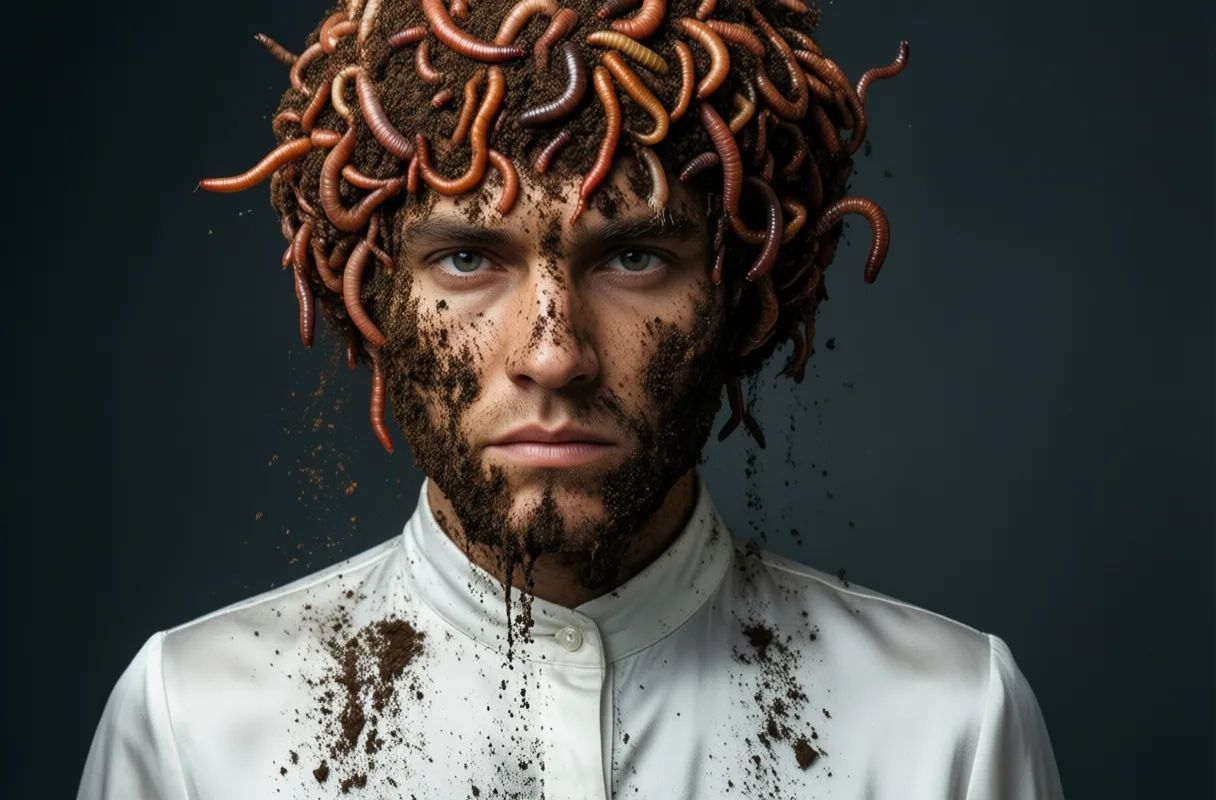
Stylists in alternative editorials don’t dress models—they Arm them. Their tools are asymmetry, contradiction, and the subversion of context. A wedding veil paired with combat boots, a tailored suit fused with taxidermy feathers, or gloves that extend into skeletal claws—all are acts of visual sabotage. These choices disrupt the viewer’s expectations, forcing a second, slower look.
This disruption is deliberate. By combining elements such as clothing, shoes, and accessories into a previously thought-out and structured setting, stylists embody meanings in details, poses, and interactions. A glove left behind on a stone bench isn’t just a prop—it’s a clue. A shoe dangling from a tree isn’t whimsy; it’s A silent scream in object form.
Fashion storytelling is more than an art—it’s a spellbinding narrative woven through fabric, photography, and the presence of a unique model. The stylist’s role is to ensure every item resists easy interpretation. When a jacket has too many sleeves or a dress seems to grow from the model’s spine, the clothing stops being clothing and becomes a Living contradiction—a question posed in thread and leather.
Why Most People Misunderstand the Purpose of Avant-Garde Editorials
Many dismiss avant-garde fashion editorials as self-indulgent or inaccessible. But their purpose isn’t mass appeal—it’s Cultural excavation. These images aren’t meant to be instantly “liked”; they’re meant to linger, to haunt, to resist closure. They challenge the assumption that fashion must be wearable, beautiful, or even coherent by traditional standards.
The misunderstanding stems from viewing fashion solely as commerce. But in editorial form, fashion becomes Philosophy in motion. It asks: What does identity look like when stripped of social codes? How does power manifest in silhouette? Can grief be tailored? These are not questions answered in words, but in the tilt of a head, the drag of a train, the absence of a face.
As Fashion editorials as a communication strategy for brands Suggests, these narratives are structured to embody meanings in details. The viewer may not grasp the full intent immediately—and that’s by design. The best editorials operate like dreams: Their logic is emotional, not literal, and their impact grows in the hours after viewing.
The Hidden Grammar of Visual Rebellion in Fashion Photography
There is a grammar to rebellion in fashion photography—one written in broken lines, inverted hierarchies, and deliberate disharmony. This isn’t random chaos; it’s a Coded language of resistance. A model facing away from the camera, a garment that obscures rather than reveals, a color palette drained of warmth—each is a syntactic choice in a sentence that reads: This is not normal. This is not safe.
Casting plays a crucial role. The model isn’t chosen for conventional beauty but for presence—the ability to carry silence, tension, or ambiguity. Their expression, posture, and movement become punctuation. A clenched jaw is a period. A half-lidded gaze is a comma. A hand raised as if to push the world away? That’s an exclamation point in the margins.
Locations, too, are never neutral. A derelict asylum, a flooded ballroom, a forest where trees wear masks—these aren’t backdrops. They’re Active participants in the narrative, shaping the mood as much as the lighting or styling. As explored in Fashion Editorial Photography, Style, Meaning, and Story, the interplay of styling, casting, location, light, and mood turns clothing into narrative, identity, and visual metaphor.
When Clothing Stops Being Clothing—And Becomes a Character
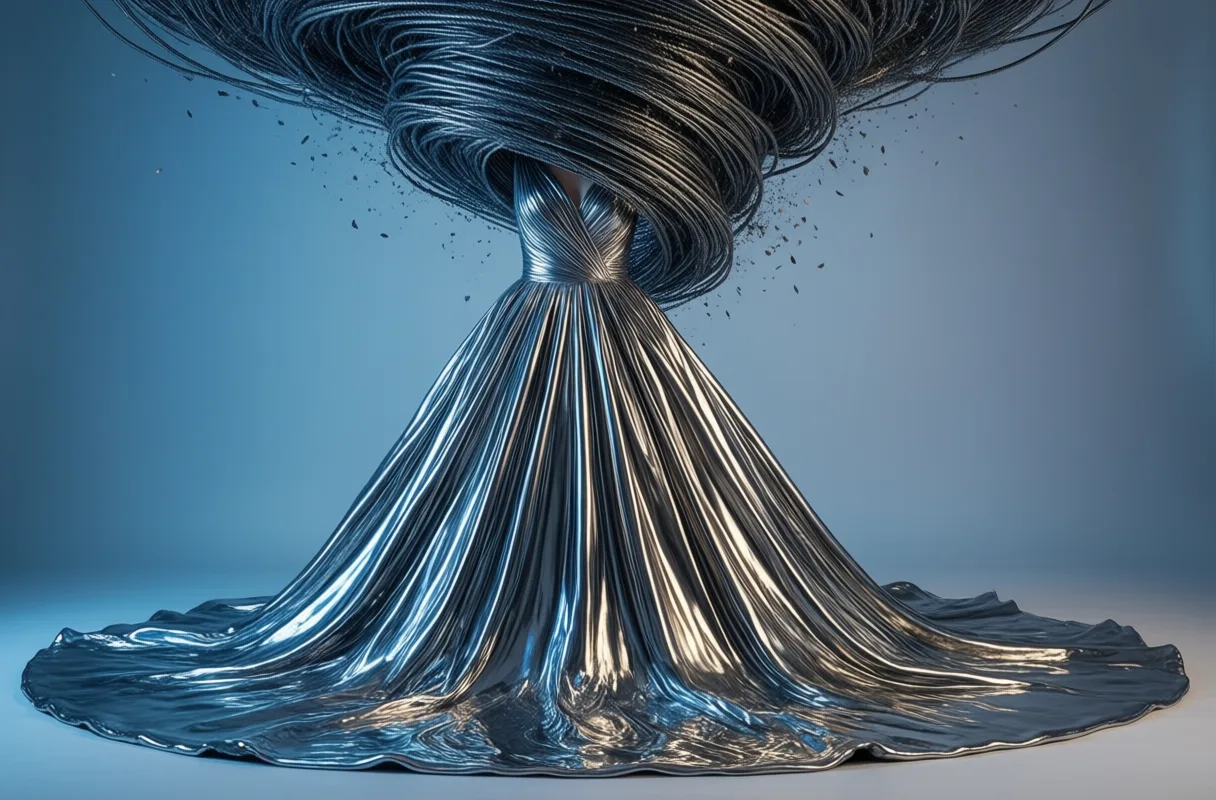
In the most powerful alternative editorials, the outfit doesn’t dress the model—it Possesses Them. A gown with roots digging into the floor isn’t fashion; it’s a parasite. A mask fused to the face isn’t accessory; it’s identity. The boundary between wearer and worn dissolves, leaving behind a hybrid creature that defies categorization.
This transformation is central to how alternative fashion editorials turn strange ideas into visual stories. The clothing takes on agency, becoming a symbol of internal states—madness, transformation, rebirth, decay. A jacket that breathes, a skirt made of wires that twitch like nerves, a collar that lifts the chin against the model’s will—these are not fantasies of function, but Psychological projections made tangible.
The model becomes a vessel, their body a stage for the garment’s narrative. In this way, fashion ceases to be about aesthetics and becomes Theater without dialogue. The audience doesn’t need subtitles—they feel the tension in the fabric, the weight in the stance, the silence in the eyes.
Building a World From a Single Strange Idea
Every great editorial begins with a seed—an image, a phrase, a feeling. “A woman made of smoke.” “A man whose skin reflects other people’s memories.” “A wedding where no one speaks.” From this single strange idea, an entire world is built. The process is architectural, yet dreamlike—Logic and absurdity fused like cracked glass.
Mood boards are the first act of world-building. They gather textures, colors, references, and emotions into a visual manifesto. A torn photograph, a still from a 1960s horror film, a close-up of moss on stone—each fragment contributes to the atmosphere. As 7 ways to bring fashion stories to life with visual storytelling Highlights, these collages are not just inspiration but Blueprints for emotional resonance.
The team becomes a kind of coven—photographer, stylist, makeup artist, model—all initiated into the same vision. Their collaboration isn’t hierarchical; it’s alchemical. One suggestion—a single line of white paint across the throat—can shift the entire tone. This is not production; it’s Ritual.
Assembling the Puzzle: Mood Boards, Tension, and Team Alchemy
A successful editorial isn’t the result of a single genius—it’s the product of Team alchemy. The photographer sees light, the stylist sees structure, the model sees emotion, and the makeup artist sees transformation. When these perspectives align, the image transcends its parts.
Mood boards act as the central nervous system of the project. They don’t just collect ideas—they Generate tension. Placing a Victorian corset next to a cybernetic limb creates friction. That friction is where meaning emerges. The team doesn’t resolve it; they amplify it, letting the contradiction breathe.
Communication is key, but so is silence. Sometimes, the most powerful decisions happen without words—a glance, a gesture, a shared understanding. As Lindsay Adler emphasizes, gathering a creative team is as vital as the concept itself. Without trust and intuition, even the boldest idea can collapse under its own weight.
Light as a Narrative Device—Not Just Illumination
Light in alternative fashion photography is never neutral. It doesn’t just reveal—it Interprets. A single shaft of light can sanctify or accuse. A shadow can hide or expose. The way light falls on a face can suggest revelation, concealment, or erasure.
In one editorial, cold blue light might suggest clinical detachment; in another, golden haze could evoke memory or delusion. The lighting setup isn’t just technical—it’s Emotional choreography. As demonstrated in Inside Fashion and Beauty Photography with Lindsay Adler, breaking down the lighting is essential to controlling mood and focus.
Backlighting can turn a model into a silhouette, reducing them to shape and outline—anonymous, universal. Underlighting can distort features, making the familiar monstrous. These are not tricks; they are Tools of psychological storytelling, shaping how the viewer relates to the image on a primal level.
The Thin Line Between Chaos and Cohesion in Conceptual Shoots
Conceptual fashion shoots flirt with chaos. Too much strangeness, and the image collapses into noise. Too much order, and it loses its edge. The art lies in Balancing dissonance with harmony—creating a world that feels unstable, yet intentional.
This balance is achieved through restraint. Even in the most surreal images, one element often remains grounded—a human eye, a recognizable gesture, a familiar texture. This anchor allows the viewer to enter the dream without drowning in it. The rest can twist, fracture, melt—But the thread of coherence must hold.
Cohesion isn’t about clarity. It’s about Emotional logic. If every choice serves the central mood—grief, defiance, transformation—then the image holds, no matter how bizarre. The viewer may not understand, but they will Feel.
How Meaning Lives in the Details No One Notices at First Glance
The power of an alternative editorial often lies in what’s Barely seen. A thread unraveling from a seam, a reflection in a cracked mirror, a word etched into leather—these are the clues that reward slow looking. They’re not meant for the scroll, but for the stare.
These details embody meanings in ways that headlines cannot. A ring on the wrong finger, a stain that resembles a map, a button missing where a heart should be—each is a whisper in the narrative. They don’t explain; they Suggest, haunt, accuse.
This is where fashion storytelling becomes forensic. The viewer becomes detective, piecing together the story from fragments. As Fashion editorials as a communication strategy for brands Notes, these meanings are structured into the very fabric of the image—Woven into poses, gestures, and textures.
Why the Best Editorials Leave Room for Unease
The most memorable editorials don’t offer resolution—they Linger in discomfort. They don’t tell you how to feel; they make you feel conflicted. Is the model trapped or liberated? Is the garment protecting or imprisoning? These questions remain unanswered, and that’s their power.
Unease is not a flaw—it’s a feature. It forces engagement. A beautiful image can be admired; an unsettling one must be Reckoned with. It follows you into the next room, into the next thought.
This is the opposite of escapism. It’s Confrontation disguised as fantasy. The best editorials don’t let you look away, not because they’re shocking, but because they feel true—like a dream that knows too much about you.
Beyond the Surface: What These Images Are Really Saying
Beneath the surface, alternative fashion editorials are not about clothes. They’re about Identity, power, decay, and transformation. They explore what it means to wear a self, to perform, to hide, to become. The garments are metaphors—armor, skin, prison, wings.
They also critique. The corset that bites into flesh isn’t just dramatic—it comments on control. The mask that covers the face questions authenticity. The uniform that never comes off speaks of conformity. These are Silent protests stitched in silk and steel.
Fashion storytelling, as The Art of Fashion Storytelling: The BTS of Editorial Masterpieces Reveals, is a spellbinding narrative woven through fabric and presence. But the spell isn’t to enchant—it’s to Awaken.
How to Read Between the Stitches in a Surreal Fashion Spread
To read a surreal fashion spread is to learn a new language—one where color speaks, texture shouts, and silence screams. Start with the mood. Is it claustrophobic? Euphoric? Numb? The atmosphere is the first clue.
Then follow the contradictions. Where does the image resist itself? A soft fabric in a harsh setting? A delicate pose in a violent context? These tensions are The story’s engine.
Finally, look for the details that don’t belong. The misplaced object, the wrong season, the missing piece. These are not mistakes—they’re Invitations to interpret. As 7 ways to bring fashion stories to life with visual storytelling Suggests, the digital narrative thrives on these layered cues, rewarding those who look deeper.
Where Identity, Fantasy, and Critique Collide in the Frame
In the frame of an alternative editorial, identity is not fixed—it’s Performed, fragmented, questioned. The model isn’t themselves; they’re a version, a shadow, a possibility. Fantasy isn’t escape; it’s exploration. And critique isn’t loud—it’s embedded in the seams.
This collision is where fashion becomes philosophy. The image asks: Who are we when no one is watching? What do we become when we wear our fears like couture? These are not rhetorical questions—they’re Visual inquiries.
And in that space, fashion transcends commerce. It becomes a mirror cracked in just the right way to show us something We’ve always known but never seen.
What Remains When the Outfit Is Forgotten—but the Image Isn’t
Years later, you won’t remember the designer of the jacket. You won’t recall the fabric, the cut, the price. But you’ll remember the Way the light fell, the way the model stood, the way the image made you feel—like you’d glimpsed something forbidden.
That’s the power of the alternative editorial. It doesn’t sell a product; it Leaves a mark. It becomes part of your visual memory, a ghost in your imagination.
And perhaps that’s the highest purpose of fashion—not to dress the body, but to Haunt the mind. For those who seek to transform ideas into action, Thought Leadership Speakers Transforming Ideas Into Action Offers a parallel in the world of discourse—where vision, like fashion, must be felt to be believed.
| Element | Role in Storytelling |
|---|---|
| Clothing | Becomes a living contradiction or psychological projection |
| Styling | Arms models with symbolic, disruptive choices |
| Lighting | Sculpts feeling through emotional, not just physical, effects |
| Mood Boards | Serve as visual manifestos and world-building tools |
| Model Presence | Conveys tension, silence, or ambiguity through expression |
| Location | Acts as an active participant, shaping narrative mood |
| Small Details | Offer hidden clues that reward slow, attentive viewing |
Turning the Bizarre Into Beauty
Alternative fashion editorials don’t just showcase clothes—they build entire worlds from wild ideas. Think of them as short films told in a single frame, where every prop, pose, and shadow adds to the plot. Instead of focusing on wearability, these shoots use clothing as a starting point to explore identity, emotion, or surreal concepts. A crumpled dress in a flooded room might symbolize heartbreak, while a model in structured armor could represent inner strength—transforming abstract thoughts into something you can actually see.
Building a World From a Whisper of an Idea
It all starts with a spark—a mood, a color, or even a strange dream. Photographers and stylists gather references into mood boards, pulling from art, film, or nature to shape the vision. These boards act like a blueprint, helping the team align on tone before a single shot is taken. Lighting, location, and casting are chosen not just for looks, but for how well they support the story. A model’s expression might hint at mystery, while a fog-drenched forest backdrop adds tension, turning a simple outfit into a moment frozen in time.
When Details Tell the Tale
The magic often hides in the small stuff. A torn hem, mismatched gloves, or a single unexpected accessory can shift the entire narrative. Stylists layer meaning through choices—worn boots with a ballgown might challenge tradition, while a mask could hide identity or reveal a new persona. These details aren’t random; they’re clues the viewer pieces together. The result? A powerful image that sticks not because it’s pretty, but because it makes you wonder, “What’s going on here?” That curiosity is the whole point.
Frequently Asked Questions
What is the purpose of alternative fashion editorials?
Alternative fashion editorials aim to provoke, unsettle, and imprint themselves on memory like dreams. They serve as platforms for artistic expression, cultural commentary, and psychological exploration rather than selling products.
How do stylists contribute to alternative fashion editorials?
Stylists arm models with intentional contradictions and subversions, using asymmetry and unexpected combinations. Their choices disrupt expectations and embed narrative meaning into clothing, accessories, and poses.
Why is lighting important in surreal fashion photography?
Lighting acts as a narrative device, shaping mood and emotional impact. It can suggest revelation, concealment, or alienation, and is used deliberately to evoke psychological responses.
How do alternative editorials turn abstract ideas into visual stories?
They begin with a single concept or mood, then build cohesive worlds using mood boards, symbolic styling, and collaborative vision. Every element—from texture to gesture—serves the story’s emotional logic.
Related reading
This article was produced with AI assistance. How Twisted Magazine uses AI.
Twisted Magazine writes for Twisted Magazine — tattoos, movies, music and celebrity news.