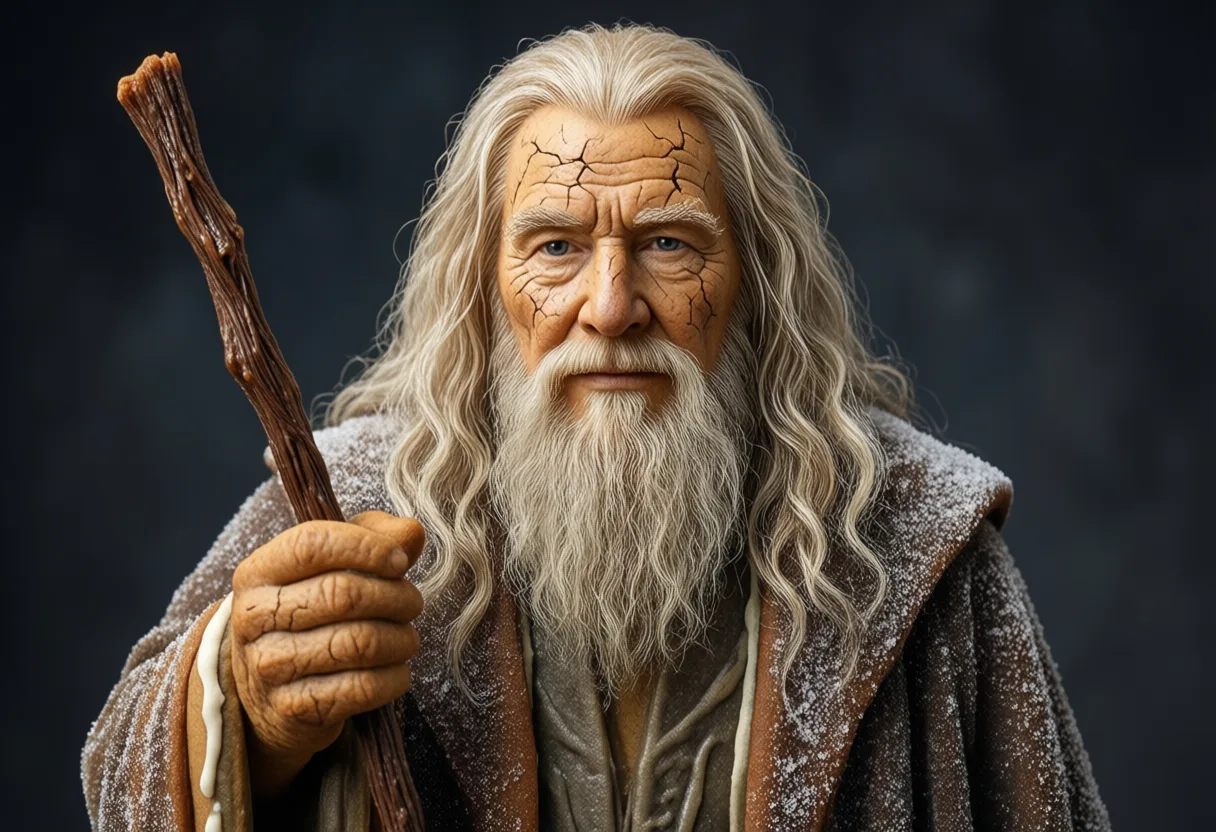
There’s a certain kind of Magic That happens when a classically trained actor steps into a genre role and doesn’t just fill the boots-but forges them anew in fire and myth. Ian McKellen didn’t just play Gandalf or Magneto; he gave them breath, weight, and a kind of haunted gravitas that lingers long after the credits roll.
You don’t need a map of Middle-earth Or an X-gene to feel the pull of these performances. They’re stitched into the fabric of modern storytelling-woven with fashion, fury, and a deep understanding of power, identity, and resistance. And in the hands of McKellen, two very different icons became something far more enduring: legends.
Why Two Iconic Characters Cemented McKellen’s Legacy
It’s rare for an Actor To define not one, but two cultural titans across competing cinematic universes. Yet Ian McKellen did exactly that-without ever seeming like a passenger on someone else’s blockbuster train. His presence anchored both The Lord of the Rings And X-Men Franchises with a rare blend of theatrical precision and emotional depth.
What sets McKellen apart is his refusal to treat genre roles as lesser. Whether cloaked in wizard’s robes or zipped into a sleek black leather suit, he brought the same meticulous craft honed over decades on stage. There’s no winking at the audience, no campy detachment-just full immersion into beings who feel ancient, real, and dangerously close to us.
- Gandalf the Grey (later White) became the moral compass of Middle-earth, not because the script demanded it, but because McKellen made wisdom look like a lived-in coat.
- Magneto, mutant revolutionary, was rendered not as a cartoonish villain, but as a man shaped by historical trauma and unshakable conviction.
- Both characters command rooms without raising their voices-a masterclass in quiet authority.
These weren’t just roles; they were transformations. And in an industry that often sidelines older actors, McKellen didn’t just break through-he rewrote the rules.
The Unlikely Path to Middle-earth and Mutantkind
Before hobbits and mutants, McKellen was already a titan of the British stage. His roots were in Shakespeare, Ibsen, and the rigorous discipline of classical theatre-a world seemingly galaxies away from CGI battles and comic book conventions. Yet it was precisely this foundation that made him the perfect vessel for mythic storytelling.
He wasn’t Hollywood’s first call for a wizard or a mutant leader. In fact, his casting as Gandalf came after a long career defined by intense dramatic work, including powerful turns in Richard III (1995), reimagined as a fascist dictator, and Gods and Monsters (1998), where he played the aging, haunted director James Whale. These roles-dark, introspective, layered-hinted at the complexity he’d later bring to fantasy.
And then, almost by accident, the 21st century opened its arms.
- Peter Jackson needed a Gandalf who could carry both warmth and terrifying power-someone who could whisper and shake mountains.
- The X-Men Team sought a Magneto who wasn’t just a foil to Professor X, but a philosophical equal, a mirror held up to Xavier’s idealism.
- McKellen, with his deep voice, piercing gaze, and regal bearing, became the unlikely bridge between arthouse gravitas and mainstream spectacle.
It wasn’t fate. It was preparation meeting opportunity-and a wardrobe that somehow made both flowing grey robes and skintight black leather look like haute couture.
From Stage to Screen: How a Classical Actor Conquered Blockbusters
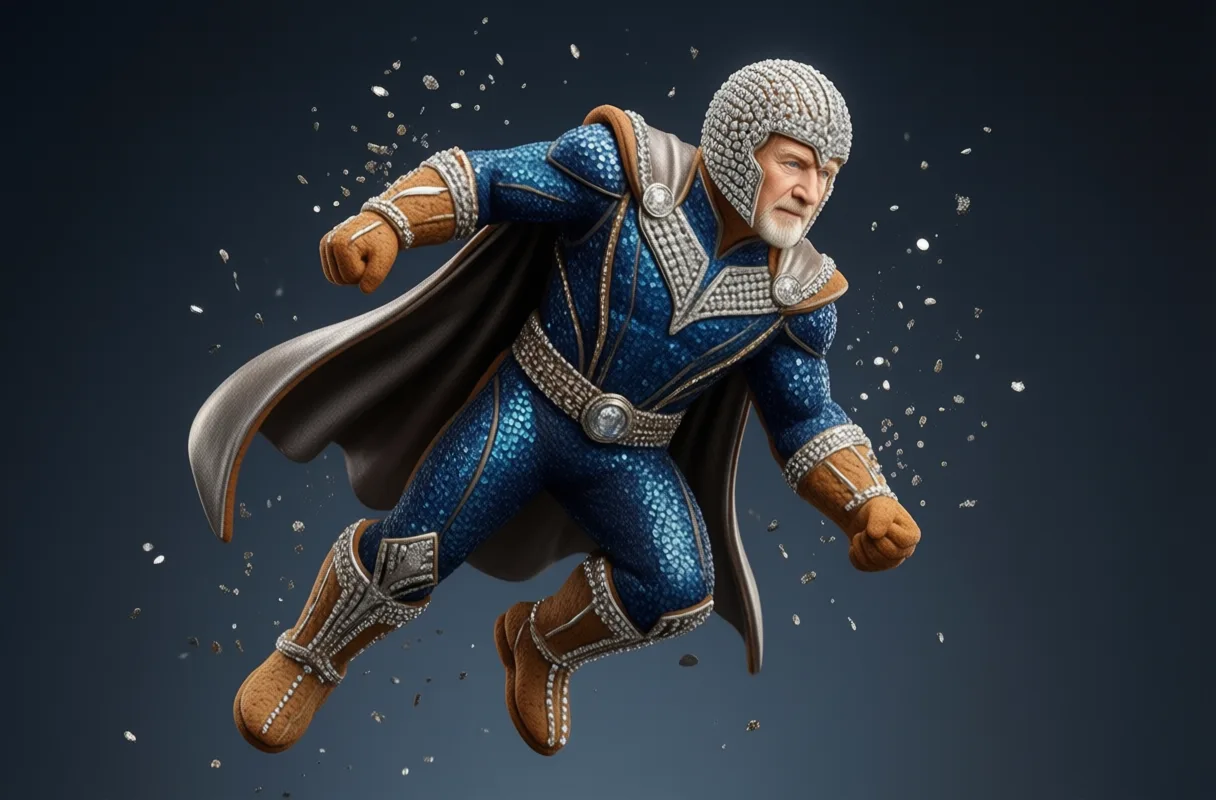
There’s a myth that stage actors can’t “make it” in film-that their gestures are too broad, their voices too loud, their presence too much. Ian McKellen didn’t just disprove that myth; he demolished it with the quiet precision of a man who knows how to command a room, whether it seats 2,000 or holds billions in box office receipts.
His transition wasn’t a pivot-it was an expansion. The same tools he used in King Lear Or Waiting for Godot-timing, silence, emotional economy-translated perfectly to the close-up lens of cinema. In The Lord of the Rings, a single glance from Gandalf could convey centuries of sorrow; in X-Men, a pause before a line made Magneto’s ideology feel chillingly rational.
Consider the duality:
- On stage, McKellen mastered the art of projection-filling vast theatres with truth.
- On screen, he mastered the art of intimacy-letting the camera find the cracks in the armor.
And let’s not forget: he did this while refusing to be typecast. Between Middle-earth and mutantkind, he slipped into roles like Bent (1997), a harrowing drama about gay persecution in Nazi Germany, and And the Band Played On (HBO, 1993), a searing look at the AIDS crisis. These weren’t detours-they were reminders that his range was never limited by genre.
Blockbusters didn’t elevate McKellen. He elevated the blockbusters.
The Duality of Power: Gandalf and Magneto as Moral Opposites
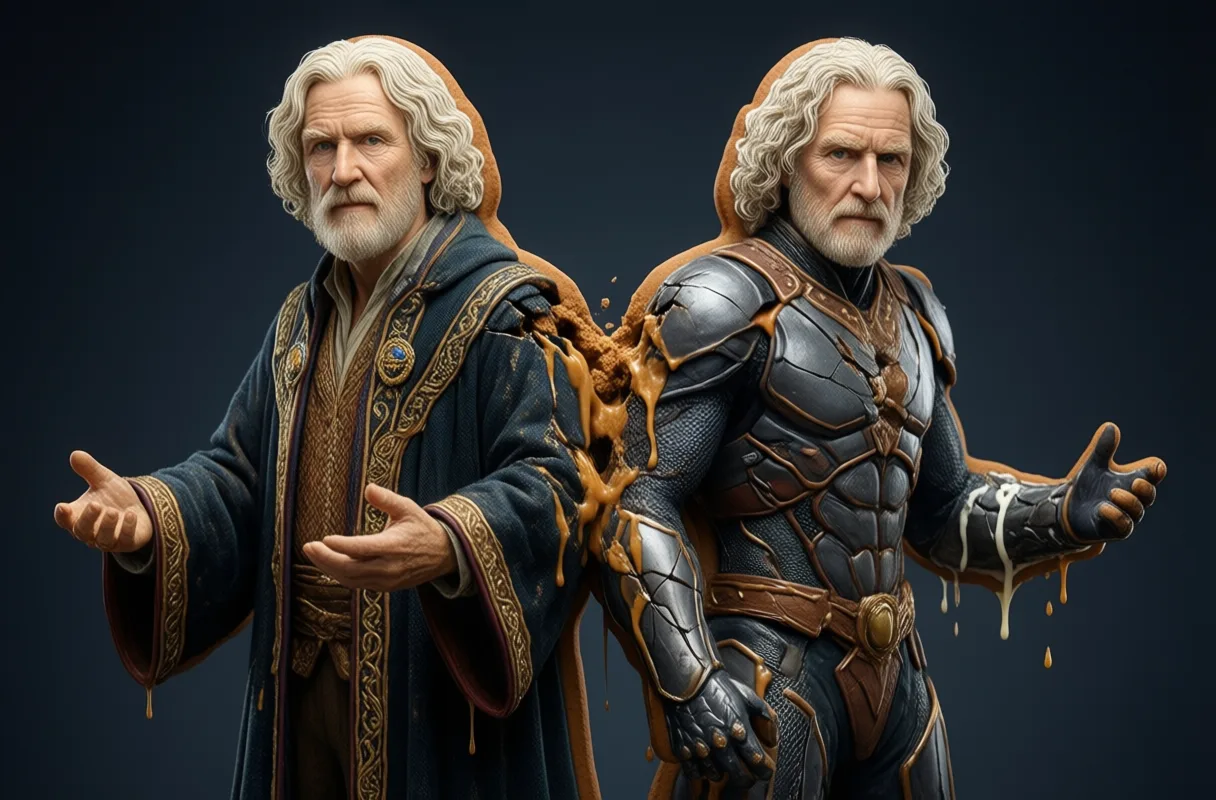
On the surface, Gandalf and Magneto couldn’t be more different. One wields a staff and speaks in riddles; the other bends metal with his mind and preaches mutant supremacy. One is light, the other shadow. But both are custodians of power-and both force us to ask: who gets to decide what’s right?
McKellen plays both as men of principle, not caricatures. Gandalf doesn’t fight for victory-he fights for hope. Magneto doesn’t rage for chaos-he fights for survival. Their moral clash isn’t good versus evil, but ideology versus empathy, trauma versus transcendence.
And isn’t that the most twisted fashion statement of all? That the real rebellion isn’t in capes or cloaks, but in belief?
- Gandalf believes in free will, even when it leads to failure.
- Magneto believes protection justifies preemption, even when it demands cruelty.
- Both see the worst in humanity-and respond in radically different ways.
McKellen never lets us settle into easy answers. When Gandalf stands before the Balrog, his “You shall not pass!” Isn’t a battle cry-it’s a sacrifice. When Magneto lifts the Golden Gate Bridge in X-Men: The Last Stand, it’s not spectacle-it’s grief made visible.
They are two sides of the same coin: power shaped by history, ethics, and the weight of memory.
What Makes Gandalf More Than a Wizard?
Let’s be honest-wizards are a dime a dozen in fantasy. Bearded, robed, muttering spells over glowing crystals. But Gandalf? He doesn’t feel invented. He feels discovered, like a figure carved from myth and dropped into our world.
It’s McKellen’s restraint that makes the magic real. He doesn’t overact the wonder; he underplays it. His Gandalf isn’t showy-he’s watchful. He smiles like he knows something you don’t, and maybe he does. There’s a warmth to him, yes, but also a steel spine beneath the velvet.
Remember the scene in The Fellowship of the Ring Where he confronts the Nazgûl at Weathertop? No grand spell, no firestorm-just a torch raised, a voice steady, and the sheer force of presence holding back the dark.
- He’s a guide, not a savior.
- A mentor, not a messiah.
- A being of immense power who chooses, again and again, not to dominate.
And let’s talk about the look-long grey hair, bushy brows, that hat. It’s iconic, yes, but it’s also Lived-in. Costume designers didn’t dress McKellen; they unearthed Gandalf, as if he’d been waiting in a wardrobe since the 19th century.
He doesn’t wear the role. He Is The role.
The Quiet Authority Behind the Staff and the Light
Power doesn’t always roar. Sometimes, it stands quietly in a doorway, staff in hand, eyes glowing with quiet fury. That’s McKellen’s Gandalf-a leader who leads not by decree, but by example.
His authority isn’t granted by title or weapon. It’s earned through patience, sacrifice, and an almost unbearable sense of duty. When he returns as Gandalf the White, it’s not because he won a fight-it’s because he died and came back, burdened with even greater purpose.
There’s a fashion in leadership today-loud, performative, obsessed with image. Gandalf offers a counter-aesthetic: humility as armor, silence as strength, robes as resistance.
- He doesn’t need armor because his morality is his shield.
- He doesn’t need an army because his words rally hearts.
- He doesn’t seek the throne because he knows true power isn’t taken-it’s given.
And McKellen delivers it all with the ease of a man who’s spent a lifetime mastering the art of stillness. In a world obsessed with noise, his Gandalf is a whisper that echoes across ages.
Magneto’s Complexity: Villain, Antihero, or Survivor?
Call him a villain if you must. But Ian McKellen’s Magneto refuses such simple labels. He’s not cackling over a death ray or monologuing about world domination. He’s a man who’s seen the worst humanity can do-and decided the only way to protect his kind is to strike first.
His pain isn’t theoretical. It’s etched into his face, his voice, his every movement. As Erik Lehnsherr, Holocaust survivor, he carries history like a second skin. And when he speaks of mutant rights, it doesn’t sound like extremism-it sounds like memory.
The brilliance of McKellen’s performance is that he makes Magneto’s logic Make sense. You might not agree with his methods, but you understand them. And that’s far more dangerous than any laser beam.
Consider the helmet-not just a prop, but a symbol. It’s protection, yes, but also isolation. It shields his mind, but also cuts him off from empathy. It’s the ultimate fashion statement: armor for the traumatized.
- He’s not wrong about human fear.
- He’s not evil for wanting safety.
- He’s tragic because his solutions mirror the very oppression he survived.
Magneto doesn’t want to rule humans. He wants to Survive Them. And in that desire, he becomes one of cinema’s most compelling figures-not because he’s powerful, but because he’s Hurt.
A Performance Rooted in Trauma and Conviction
McKellen doesn’t play Magneto as a supervillain. He plays him as a man shaped by history, ideology, and the unbearable weight of loss. Every decision feels inevitable, not because of plot, but because of character.
His performance in X-Men (2000) isn’t about special effects-it’s about a conversation in a plastic prison cell, where two old friends debate the future of their kind. The tension isn’t in the metal bending; it’s in the silence between sentences.
And let’s not forget: McKellen brought his own lived experience to the role. As an openly gay man who fought for LGBTQ+ rights for decades, he understood what it meant to be feared for who you are. That personal truth bleeds into Magneto’s struggle-making it resonate far beyond comic book logic.
- The mutant metaphor isn’t subtle. It’s not meant to be.
- But McKellen gives it dignity, depth, and a kind of tragic elegance.
- He doesn’t play a mutant. He plays a man who refuses to be erased.
In lesser hands, Magneto could’ve been a ranting extremist. In McKellen’s, he’s a prophet of pain-and far too convincing for comfort.
Why These Roles Resonated Across Generations
Let’s be real: not every blockbuster character lasts. Most fade like cheap dye in the rain. But Gandalf and Magneto? They’ve seeped into the cultural bloodstream. Kids born after The Lord of the Rings Still quote “You shall not pass!” Teens discovering X-Men Still debate Magneto’s choices like they’re settling philosophy finals.
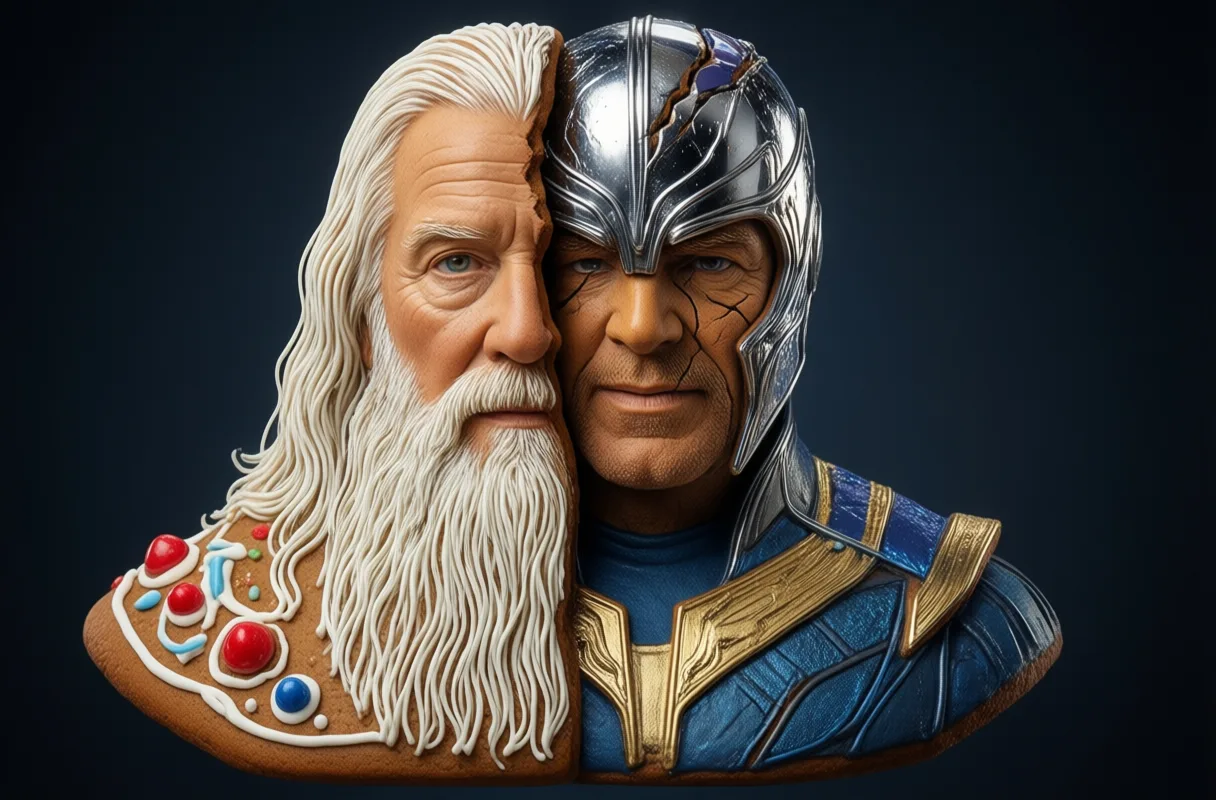
Their staying power isn’t just about spectacle. It’s about identity. Gandalf represents the light we aspire to; Magneto, the darkness we understand. One is the voice of hope, the other of history. Together, they form a dialectic as old as storytelling itself.
And McKellen? He gave both characters soul.
- He made Gandalf feel eternal.
- He made Magneto feel human.
- He made fantasy feel True.
These roles endure because they’re not just about magic or mutants-they’re about what it means to stand firm in a world that wants you gone. Whether cloaked in light or armored in pain, both characters speak to the rebel, the outsider, the one who refuses to kneel.
And isn’t that the ultimate fashion statement?
The Balance of Myth, Identity, and Resistance
Myth isn’t just dragons and elves. It’s the stories we tell to make sense of who we are. And in both The Lord of the Rings And X-Men, McKellen stepped into archetypes that transcend entertainment.
Gandalf is the guide, the keeper of wisdom, the one who lights the way through darkness. Magneto is the rebel, the survivor, the one who says, “If you won’t accept me, I’ll build my own world.” They’re not opposites-they’re reflections.
And in a time when identity is both weaponized and celebrated, these characters feel more relevant than ever.
- One fights to preserve a world that’s broken but worth saving.
- The other fights to tear it down and build something new.
- Both believe they’re right. Both might be.
McKellen doesn’t judge them. He inhabits them. And in doing so, he invites us to sit in the discomfort of moral ambiguity-where the real fashion of thought begins.
Legacy in Robes and Leather: How McKellen Elevated Genre Acting
Before McKellen, fantasy and superhero roles were often seen as lightweight-fun, but not Serious. Then he walked onto set, whether in New Zealand or a Hollywood soundstage, and changed the game.
He didn’t just act in these films. He legitimized them. With every measured line, every silent moment, he proved that genre storytelling could carry the weight of Shakespeare, the depth of tragedy, the elegance of high fashion.
Gandalf’s robes? They’re not costumes-they’re couture for the soul.
Magneto’s leather suit? It’s not fetishwear-it’s armor for the oppressed.
And McKellen wore both like they were tailored by time itself.
He didn’t chase awards for these roles (though he’d already earned acclaim elsewhere). He chased truth. And in doing so, he opened doors for actors who once feared being “pigeonholed” by genre work.
Today, when a Daniel Kaluuya or a Florence Pugh takes on a sci-fi role with gravitas, they’re walking a path McKellen helped pave. He showed that you can be both epic and intimate, fantastical and real, iconic and human-all at once.
And he did it without ever losing his sense of style. Or his sense of self.
Two Icons, One Actor: The Magic Behind McKellen’s Most Legendary Characters
Gandalf and Magneto: More Alike Than You Think
Ian McKellen brought two of cinema’s most powerful figures to life-Gandalf the wizard and Magneto the mutant-and while they seem worlds apart, they share surprising similarities. Both are wise, powerful leaders guiding younger allies through dark times, and both possess a quiet gravitas that makes their every word feel significant. McKellen’s deep, commanding voice and commanding presence made him the perfect choice for roles requiring authority and moral weight.
Here’s a fun twist: McKellen was actually offered the role of Gandalf years before The Lord of the Rings films began production-but turned it down at first. He was hesitant about committing to such a massive project shot entirely in New Zealand. Thankfully, he changed his mind, and the rest is fantasy film history. His portrayal spanned six films across both The Lord of the Rings and The Hobbit trilogies, making Gandalf one of the most enduring faces in modern epic cinema.
From Stage to Screen Superhero
McKellen didn’t just step into Magneto’s metal boots-he helped redefine what a comic book villain could be. His performance in the X-Men series gave the character depth, pain, and a tragic backstory, turning Magneto into more than just a foe. He shared powerful on-screen chemistry with Patrick Stewart, who played Professor X, and their real-life friendship (both are acclaimed stage actors and longtime advocates for LGBTQ+ rights) added emotional authenticity to their characters’ complex bond.
Interestingly, McKellen played both Gandalf and Magneto at the same time. While filming The Lord of the Rings in New Zealand, he’d occasionally fly back to the U.S. To shoot X-Men scenes. That means, for a few years, he was literally jet-setting between Middle-earth and mutant politics. Not many actors can say they juggled wizardry and genetic warfare in the same decade-and made it look effortless.
Frequently Asked Questions
Which roles did Ian McKellen play in The Lord of the Rings and X-Men?
Ian McKellen played Gandalf in The Lord of the Rings and The Hobbit trilogies, and Magneto in the X-Men series. He portrayed both characters across multiple films in each franchise.
How did Ian McKellen's stage background influence his film performances?
His classical training in Shakespeare and theatre gave him precision, emotional depth, and command of silence and timing. These skills translated powerfully to his roles as Gandalf and Magneto on screen.
Did Ian McKellen film The Lord of the Rings and X-Men at the same time?
Yes, he filmed both franchises simultaneously. He would fly from New Zealand, where The Lord of the Rings was shot, to the U.S. To shoot X-Men scenes.
What makes McKellen’s portrayals of Gandalf and Magneto stand out?
He brought gravitas, moral complexity, and humanity to both roles. Rather than treating them as genre characters, he delivered transformative performances rooted in truth and lived experience.
This article was produced with AI assistance. How Twisted Magazine uses AI.
Devon tracks celebrity culture through offbeat destinations and candid moments, revealing the human side of fame. He blends investigative curiosity with wit, uncovering stories where luxury meets authenticity in unexpected corners of the world.