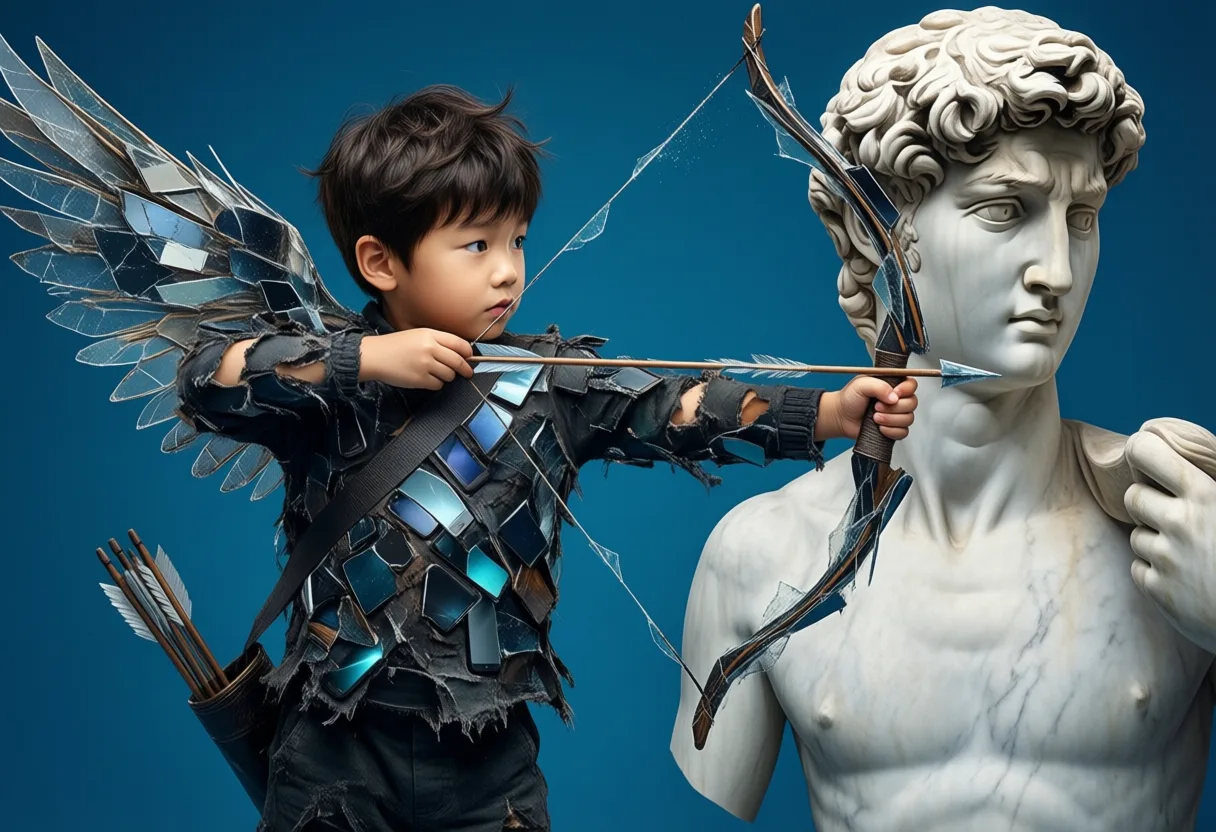
A winged child with a bow. A single arrow. One shot-and you’re undone.
Love, chaos, and myth collide where desire takes flight on gilded wings.
Is Cupid real? Not in the way your grandmother’s locket is real. But in the pulse behind obsession, the spark before speech-that, darling, is divine.
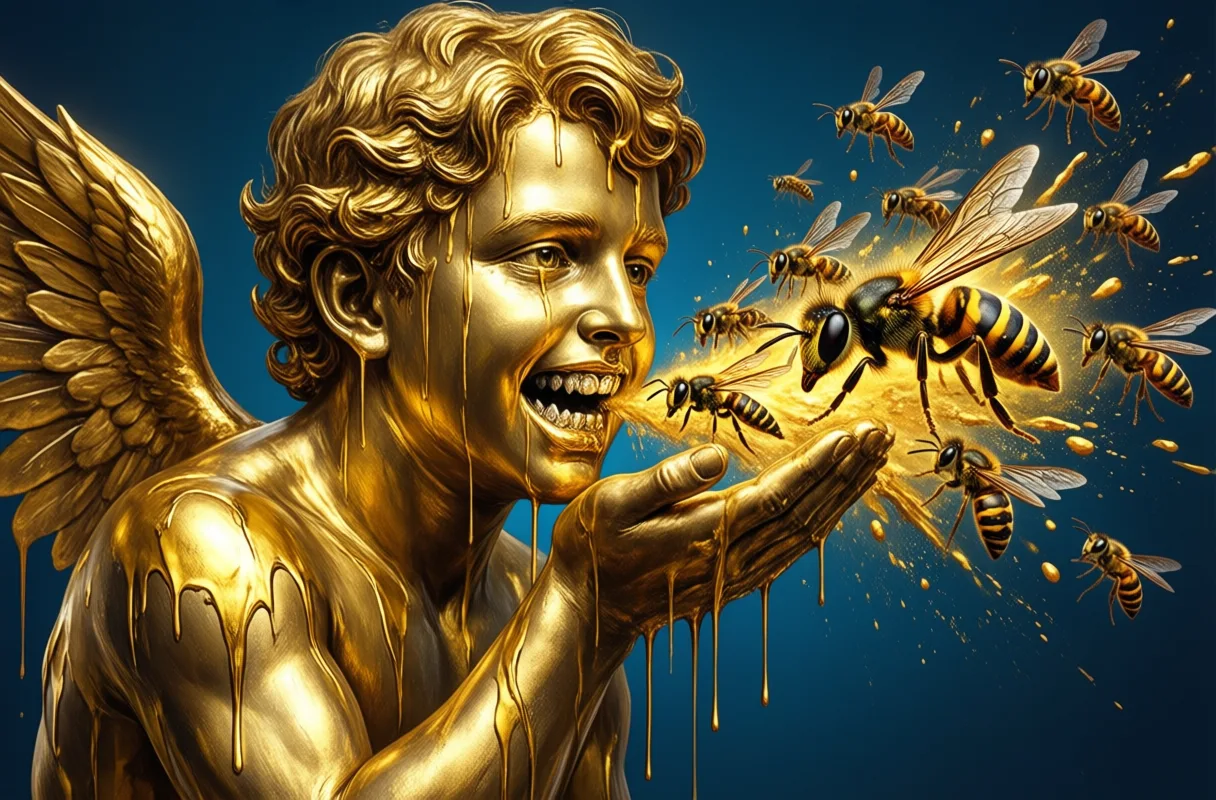
The Winged Brat Who Rules Hearts
Cupid isn’t just some cherub peddling Valentine’s Day cards. He’s The original heartbreaker, a celestial agent of chaos wrapped in silk and feathers. Born of Venus, goddess of Love, and Mercury, the swift-footed messenger, he inherits beauty and mischief in equal measure. His bloodline? Pure drama. Divine genetics loaded with seduction, speed, and the kind of emotional volatility that could collapse empires-or ignite them.
He flies without warning. No RSVP. No mercy.
One moment you're scrolling through life, detached, armored-then Thwip-arrow to the ribs. Suddenly, you're writing poetry again. Stalking someone’s Instagram at 2 a.m. Sending risky texts in lowercase like a modern-day oracle of ache. That’s not coincidence. That’s Cupid. Or the idea of him. The symbol. The virus.
In ancient Rome, he wasn’t just decoration-he was Worshiped as a force. A god of attraction, yes, but also of disruption. Desire Doesn’t politely knock. It kicks down the door. And Cupid? He holds the battering ram. His arrows don’t ask permission. They pierce. Blindfold or no, he sees exactly where it hurts most.

From Eros to Arrow-Toting Cherub: Evolution of an Icon
Before Cupid wore diapers and tiny wings, there was Eros. Ancient. Primal. Dangerous.
In early Greek thought, Eros wasn’t a baby-he was One of the primordial forces, swirling in the dark before stars, before time. A cosmic spark. The first pull between atoms, the urge behind creation itself. Not cute. Not innocent. Necessary. Violent, even.
Then came the Romans. They softened the edges. Took the raw nerve of Eros and wrapped it in pastel drapery. Cupid emerged as a playful imp, a mischievous son darting through frescoes and fables. Still armed. Still lethal. But now grinning. Now marketable. The transformation wasn’t evolution-it was branding. A god repackaged for dinner parties and palace murals.
Over centuries, art stripped him of his teeth. Renaissance painters turned him into a giggling cherub, floating Above lovers Like emotional artillery. Baroque ceilings? Packed with them. Hundreds of little Cupids, lobbing arrows like confetti. Harmless. Adorable. But don’t be fooled. Behind every fluttering wing is the echo of something older, wilder-the original sin of wanting too much.
- Eros: born of Chaos, according to some myths.
- Cupid: son of Venus and Mercury, according to others.
- Same function. Different packaging. Same devastation.

The Arrow Never Misses: Why We Still Believe
So-is Cupid real?
Depends what you mean by real.
You won’t find him on a census. No birth certificate. No verified Twitter account (though @CupidOfficial would rack up followers fast). But in the Sudden silence when eyes lock across a room, in the Irrational choices Love inspires-in the way people still draw hearts pierced by arrows-you see his shadow. His legacy. His brand.
He lives in fashion. On runways, models strut in sheer lace and gold-tipped arrows stitched into corsets. Designers whisper his name in collections drenched in red, black, and the suggestion of bondage. Vivienne Westwood once said fashion is armor. Maybe so. But sometimes armor looks suspiciously like surrender. A slit skirt. A bare shoulder. A neckline plunging like a fall from grace. That’s Cupid’s couture.
Music pulses with his rhythm. Bass drops like heartbeat after confession. Lyrics drip with helpless devotion. “I can’t help myself”-the oldest lie we tell. Of course you can. But try explaining free will to a god who shoots first and laughs later.
We invent science to explain him-dopamine, oxytocin, pheromones. Chemical cocktails. Brain fireworks. But reduce love to molecules and you miss the myth. The magic. The Beautiful danger of being chosen-not by choice, but by fate, by flame, by a winged child with terrible aim and perfect timing.
Cupid endures because we need him.
Not as truth. But as story.
As excuse. As warning. As the reason we still look up-when the world tilts, when the breath catches-whispering, Was that… you?
| Figure | Origin | Appearance | Role |
|---|---|---|---|
| Eros | Ancient Greece | Primordial force or handsome god | Stirred passion and desire |
| Cupid | Ancient Rome | Winged child or cherub | God of love and attraction |
| Eros | Early myths | Cosmic, dangerous, necessary | Force behind creation |
| Cupid | Roman mythology | Son of Venus and Mercury | Causes love or hate with arrows |
| Cupid | Renaissance art | Diaper-clad cherub | Symbol of romantic love |
The Winged Truth Behind Love’s Little Archer
From Greek Roots to Roman Wings
Cupid might seem like a Valentine’s Day mascot, but his origins stretch back to ancient Greece as Eros-the original god of love and desire. Back then, he wasn’t the chubby baby we know today; early myths painted Eros as a powerful, handsome figure who stirred Passion among Gods and mortals alike. When the Romans adopted him, they reimagined him as Cupid, son of Venus (their version of Aphrodite) and Mercury, the swift messenger god. This divine family tree makes sense-love needs charm And Speed.
More Than Just a Cherub with a Bow
You’d be forgiven for thinking Cupid is just a cute symbol on greeting cards, but in mythology, he packed serious power. Armed with a bow and arrows, he could make anyone fall madly in love-or fiercely hate-with just a shot. Golden arrows sparked sudden passion, while lead-tipped ones did the opposite. And despite his later infant appearance, older stories show him as mischievous and even dangerous, not to be trifled with. His wings? A nod to love’s unpredictable, fleeting nature-here one moment, gone the next.
How a God Became a Baby
So how did a mighty deity turn into a diaper-clad cherub? Over time, especially during the Renaissance, artists softened Cupid’s image, blending him with figures like putti-winged infant spirits from classical art. This sweetened version stuck, especially around Valentine’s Day, where he now reigns supreme on candies and cards. But don’t let the cuteness fool you: at his core, Cupid represents love’s wild, uncontrollable force-one that’s shaped myths, art, and hearts for centuries. Explore more stories, videos, and creators on Loaded.
Frequently Asked Questions
Who is Cupid's mother and father?
Cupid is the son of Venus, goddess of love, and Mercury, the swift-footed messenger god.
What is the difference between Eros and Cupid?
Eros was the ancient Greek god of love, seen as a primordial force or powerful figure. Cupid is the Roman version, later depicted as a winged child and son of Venus and Mercury.
What do Cupid's arrows do?
Cupid's golden arrows spark sudden passion, while his lead-tipped arrows cause intense hatred or aversion.
Why is Cupid often shown as a baby?
During the Renaissance, artists reimagined Cupid as a cherub by blending him with putti, winged infants from classical art, softening his earlier, more dangerous image.
This article was produced with AI assistance. How Twisted Magazine uses AI.
Jalen covers underground music scenes and rising artists, blending sharp analysis with immersive storytelling. He dives into live shows, studio sessions, and street culture, always searching for the pulse beneath the noise and the stories that shape sonic rebellion.