In the shadowed wings of Broadway and the flickering cathode glow of early ’90s television, a Quietly magnetic Presence began etching lines into the skin of American storytelling. Not with flamboyance, but with Precision, like a scalpel dipped in ink-each role a stanza, each performance a sonnet written in gravel and restraint. This is the alchemy of J. K. Simmons, an architect of character whose face has become a canvas for the volatile spectrum of human authority, cruelty, and reluctant grace.
The Stage and The Street: Early Incarnations
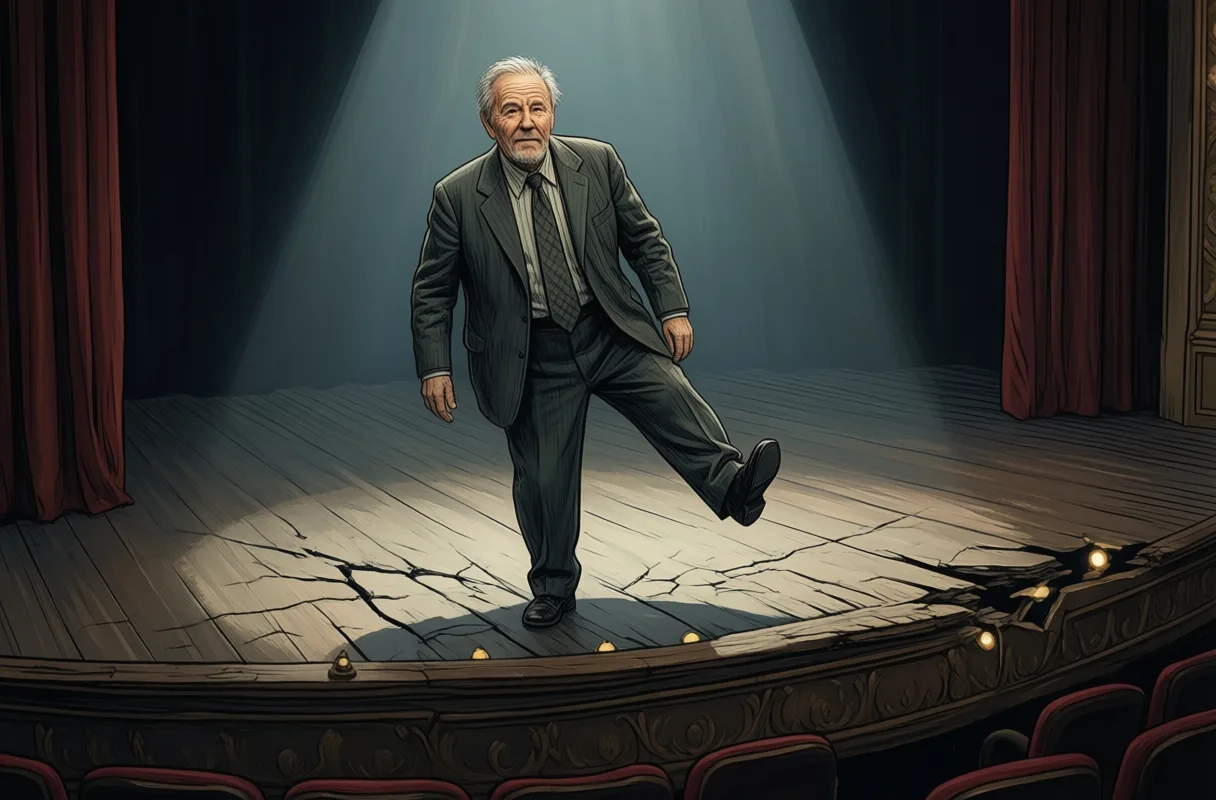
Simmons’ origins coil not in Hollywood’s sunbaked pavement, but in the gilded wood and velvet hush of the theater. Broadway offered his first real breath of stage air-a world of footlights and spoken truth, where timing is lifeblood and silence speaks louder than monologue. It was Here, among the footprints of giants, that he tempered his voice, learning the weight of pause, the power of a narrowed gaze. There were no headlines then-only the slow burn of rehearsal, the discipline of touring productions, and the quiet accumulation of craft.
Transitioning from stage to screen felt less like a leap and more like a natural dimming of lights. Small, razor-sharp appearances stitched him into the fabric of early ’90s cinema, unobtrusive but unforgettable. Films like The Ref (1994) and The Scout (1994) became early testaments to his chameleon restraint-roles brief but bristling, like embers tucked beneath ash. There was no flash, no vanity, only the meticulous calibration of presence.
His ascent was not measured in red carpets, but in Volume: over 200 film and television appearances, each a deliberate act of embodiment. From the beginning, it was clear that Simmons wasn’t chasing stardom-he was building a tapestry of archetypes, one thread at a Time.
Oz: Where Authority Became a Villain
Then came Oz, the HBO crucible of incarceration and power. As Vernon Schillinger, Simmons didn’t just play a villain-he carved one from ice and psychosis. The white supremacist inmate with a smirk of paternal venom, Schillinger wore control like a tailored suit, his authority both bureaucratic and brutal. His eyes-calm, calculating, and merciless-refused to blink in the face of horror, rendering him one of the most Chilling representations Of institutionalized hatred ever broadcast.
Schillinger wasn’t a monster in shadow, but in broad daylight, within a system that bent to his will. Simmons imbued him with a grotesque believability-patting inmates on the shoulder as he crushed their lives, singing lullabies with the same mouth that threatened dismemberment. He wielded fatherhood as a weapon, twisted love into possession, and made every quiet command sound like a death sentence.
It was a performance devoid of theatrical flourish, yet utterly theatrical in its control. Simmons revealed the True terror of normalcy in evil-a man who shaves each morning, loves his son, yet destroys lives without flinching. Oz Didn’t just redefine prison drama-it redefined Simmons. No longer a supporting face, he was now a force of narrative gravity.
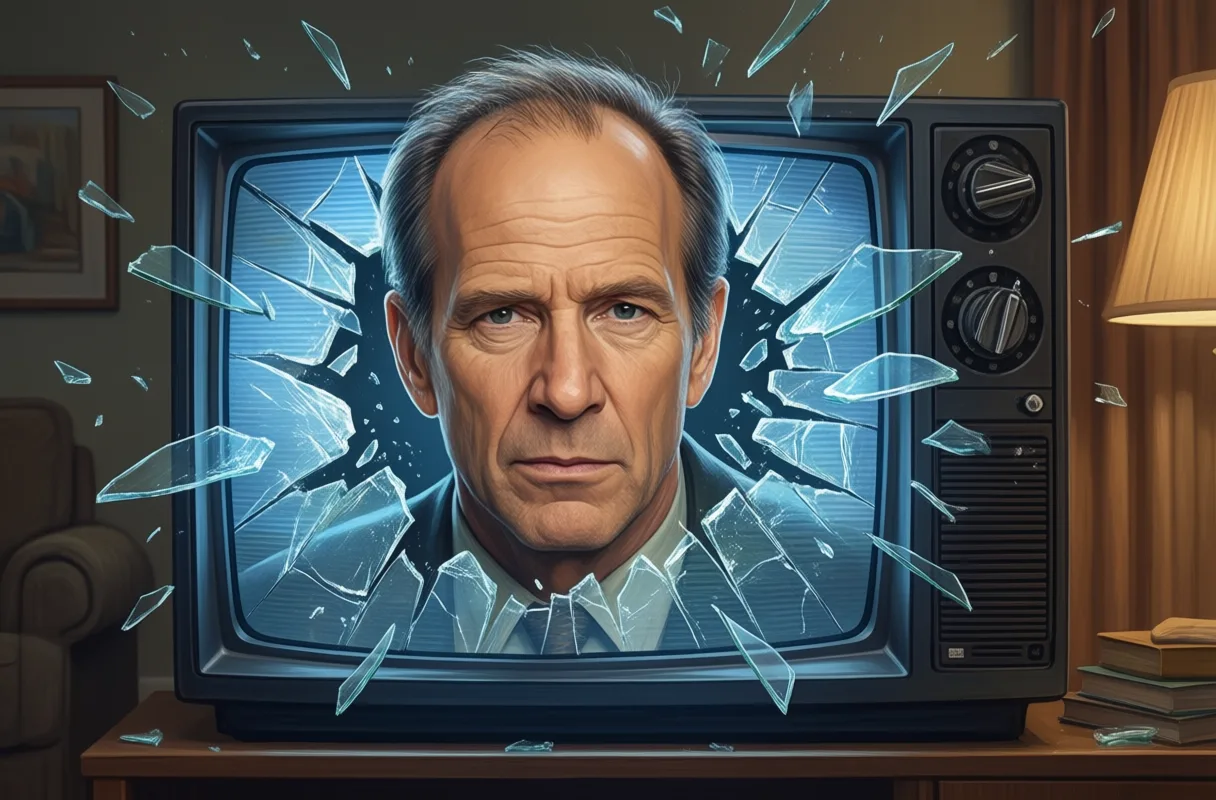
The Press Room Prophet: J. Jonah Jameson Ascendant
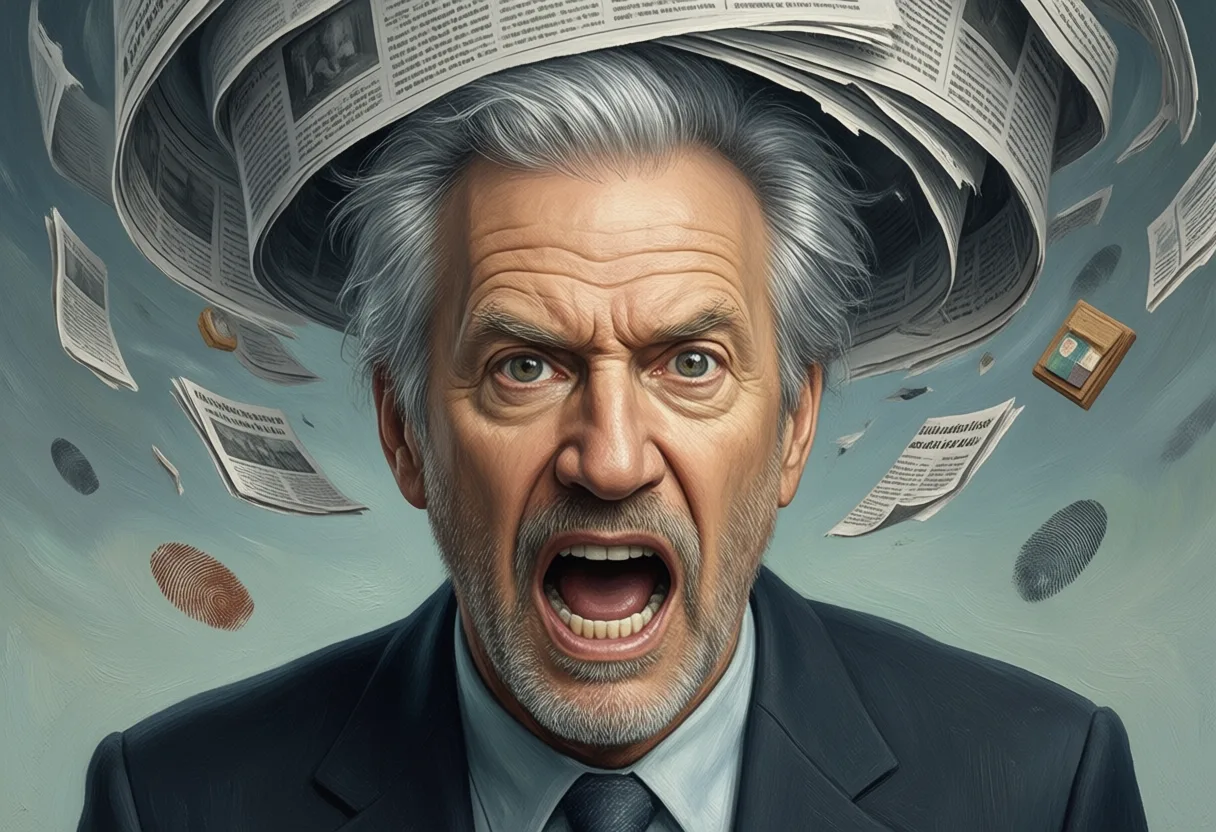
And then, swinging from the scaffolds of Manhattan, Came Spider-Man-and with him, the blustering, ink-stained fury of J. Jonah Jameson. As the perpetually enraged editor of the Daily Bugle, Simmons didn’t merely portray obsession-he Inhabited It, with a red-faced ferocity that turned comic panels into living editorial rants. His Jameson was no caricature; he was a thunderclap in a bow tie, a man who saw conspiracy in sunshine and villainy in heroism.
He brought a vaudevillian intensity to the role-papers flying, coffee spat like venom, fingers jabbing at the sky as if accusing God Himself. Yet beneath the noise, Simmons layered in pathos: a man clinging to control in a world spinning beyond his understanding. In his eyes flickered not just anger, but fear-of change, of irrelevance, of powers he could never harness.
This was satire with teeth, comedy with muscle. Jameson became iconic not because he was loud, but because Simmons made him Heartbreakingly human. The character thrived in the dichotomy-both a buffoon and a prophet, wrong about everything, yet somehow always tapping into the pulse of anxiety that defines the modern age.
The Quiet Maestro Behind a Thousand Faces
Beyond Schillinger and Jameson lies a filmography as vast as it is varied. Few actors navigate such Extremes of tone With such ease-melting into the melancholy of Whiplash One moment, narrating a banking ad with godlike gravitas the next. The voice-oh, that voice-is its own instrument: capable of whispering doom or conducting orchestras of chaos.
Simmons has become a silent architect of American pop culture, shaping moods, anchoring ensembles, and elevating scenes with a single glance. He is the calm in the storm, the storm itself, the judge, the jury, and sometimes, the reluctant savior.
His legacy isn’t written in awards alone, though they’ve come-It is tattooed into the grammar of storytelling itself, in the way a raised eyebrow can imply tyranny, or a chuckle can foreshadow ruin. He reminds us that character is not costume, but Consequence: the mark left when an actor fully dissolves into the ink of a role.
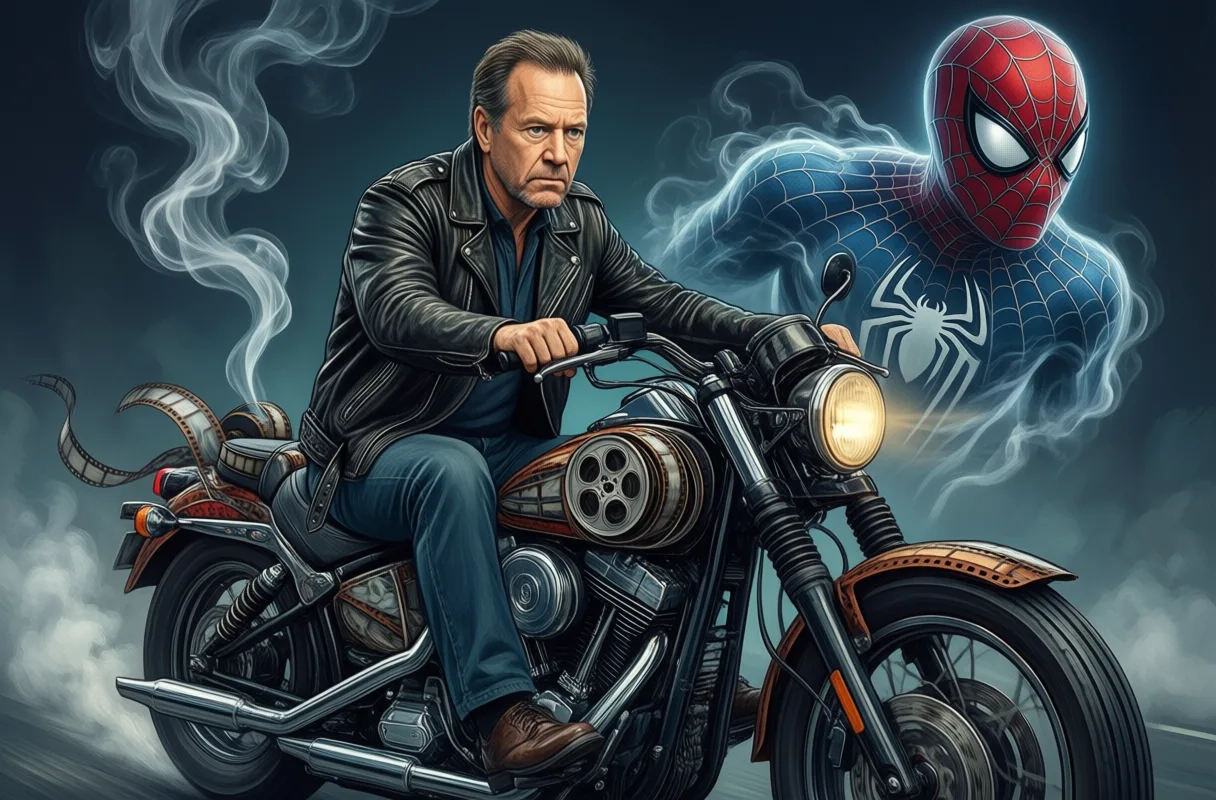
An Icon in the Inkwell
J. K. Simmons endures not because he plays heroes or monsters, but because he plays Truth-in all its uncomfortable, asymmetrical beauty. From the cold corridors of Oz To the neon-lit pressrooms of Queens, he has given voice to the hidden tyrants, the flawed fathers, the men who think they’re right while burning the world down.
Fashion, in its most radical form, isn’t about fabric-it’s about persona. And Simmons is its unsung tailor, stitching together identities with thread spun from discipline and daring. Like a Westwood corset laced with Burtonesque shadow, his performances constrain and liberate all at once.
He stands not in the spotlight, but just beside it-A silhouette with a heartbeat, reminding us that sometimes, the most unforgettable figures are the ones who never ask to be seen.
| Role | Project | Character Type | Performance Traits |
|---|---|---|---|
| Vernon Schillinger | Oz | Villainous inmate | Calm, calculating, merciless |
| J. Jonah Jameson | Spider-Man trilogy | Blustering editor | Loud, comedic, fear-driven |
| Various roles | The Ref, The Scout | Supporting characters | Brief but unforgettable |
From Prison to the Daily Bugle: The Many Faces of J.K. Simmons
Behind the Badge and Behind the Desk
You might recognize J.K. Simmons from his intense stare or booming voice, but his path to becoming one of Hollywood’s most reliable character actors started on the stage. After cutting his teeth in Broadway and touring productions, Simmons quietly began popping up in small film roles during the mid-90s, like The Ref And The Scout, slowly building a reputation for bringing depth to even the tiniest parts. It wasn’t long before he landed roles that would define his early screen presence.
Few actors have played such wildly different authority figures with equal conviction. On HBO’s gritty prison drama Oz, Simmons portrayed Vernon Schillinger, a vicious white supremacist inmate whose cold, calculating cruelty made him one of TV’s most hated characters. Then, almost like flipping a switch, he became the hilariously irate J. Jonah Jameson in Sam Raimi’s Spider-Man Trilogy-Jameson being the loud, blustering editor-in-chief of the Daily Bugle who famously loathed Spider-Man while shouting about circulation. That role alone made Simmons a household face (and voice) for a generation of fans.
And while those two roles couldn’t be more different-one chillingly realistic, the other comically over-the-top-both showcased Simmons’ rare ability to dominate a scene with presence and precision. He’s appeared in over 200 films and countless TV episodes, making him one of the most prolific performers around. Whether he’s playing a villain, a voice in an animated film, or a stressed-out conductor in a viral ad campaign, there’s no mistaking that voice or that intensity.
Frequently Asked Questions
Who is J. K. Simmons known for playing on Oz?
J. K. Simmons portrayed Vernon Schillinger, a white supremacist inmate known for his cold, calculating cruelty and paternal venom on HBO's Oz.
What role did J. K. Simmons play in the Spider-Man films?
He played J. Jonah Jameson, the loud and irate editor-in-chief of the Daily Bugle who despised Spider-Man despite the hero's popularity.
How many film and television appearances has J. K. Simmons made?
He has appeared in over 200 films and countless TV episodes, establishing himself as one of the most prolific performers in Hollywood.
This article was produced with AI assistance. How Twisted Magazine uses AI.
Mira explores the artistry behind tattoos and avant-garde beauty, spotlighting innovators who blur identity and expression. She approaches each piece as cultural narrative, weaving personal journeys with global trends in bold, intimate profiles.