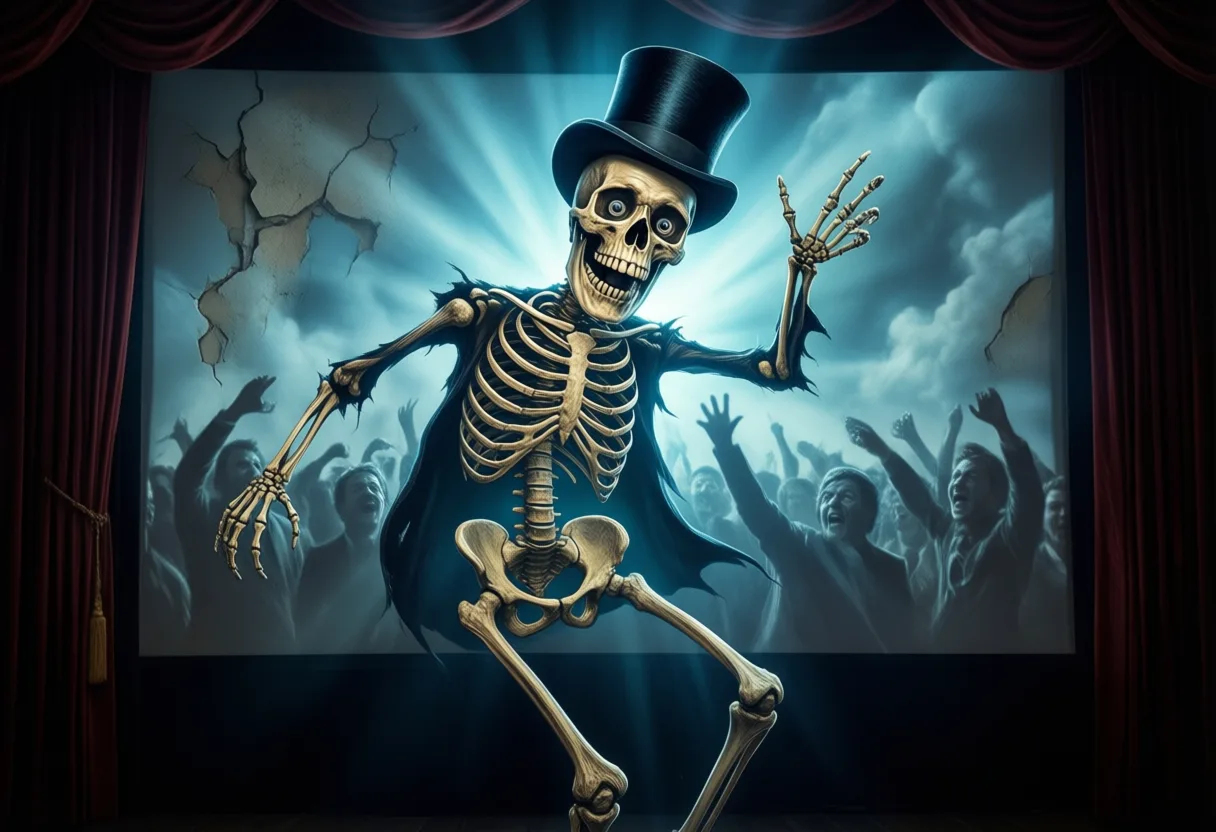
Midnight screenings aren’t just showtimes-they’re séances. The projector hums like a low chant, the audience sways in sync with flickering ghosts on screen, and for 90 minutes, outsiders become a tribe. This is where Cult films Don’t just play-they perform, fed by laughter, chants, and rice flung like confetti at forbidden weddings.
What Sparks the Allure of Late-Night Cinema Rituals?
It begins in the hush between midnight and one a.m., when the city exhales and the misfits emerge. These are not casual viewers. They’re pilgrims in platform boots and ripped fishnets, drawn to theaters like moths to a flickering flame. The late hour isn’t arbitrary-it’s alchemical. Darkness dissolves Social rules. It opens space for rebellion, release, and ritual.
The appeal lives in the Communal experience, raw and unfiltered. Unlike daytime crowds that file in and out without a word, Midnight audiences Breathe together. They hiss at villains. They cheer queers in corsets. They scream lines before the actors do. This isn’t passive watching. It’s possession.
- The theater becomes a sanctuary for those who don’t fit daylight norms.
- The film acts as a shared scripture, recited through mimicry and memory.
- Laughter echoes like a war cry against conformity.
There’s electricity in knowing you’re not alone. In the dim glow, someone else is whispering the same line under their breath. Someone else wore That Costume too. That connection? That’s the spark. And it only catches fire after midnight.
The Unexpected Origins of a Subcultural Screening Practice
Midnight movies didn’t start in boardrooms. They slithered out of the underground, birthed in repertory theaters with sticky floors and projectors held together by duct tape. These screenings were experiments-Anti-mainstream pictures dropped into the witching hour To see what would grow. No algorithms. No focus groups. Just vibes.
They thrived on exclusion. Not because they wanted to keep people out-but because they refused to bow to what was inside. Mainstream cinema preached order, morality, clean endings. Midnight films spat on all three. They screened Surreal horrors, gender-bending musicals, and psychedelic junkets that made polite audiences squirm. And that was the point.
Films like El Topo And Pink Flamingos Weren’t box office darlings. They were grenades tossed at tradition. Their audiences arrived high, hungry, and defiant. Some came for the drugs. Others came for the freedom. All stayed for the feeling of being seen-Ugly, weird, alive.
This wasn’t entertainment. It was insurrection in reel form.
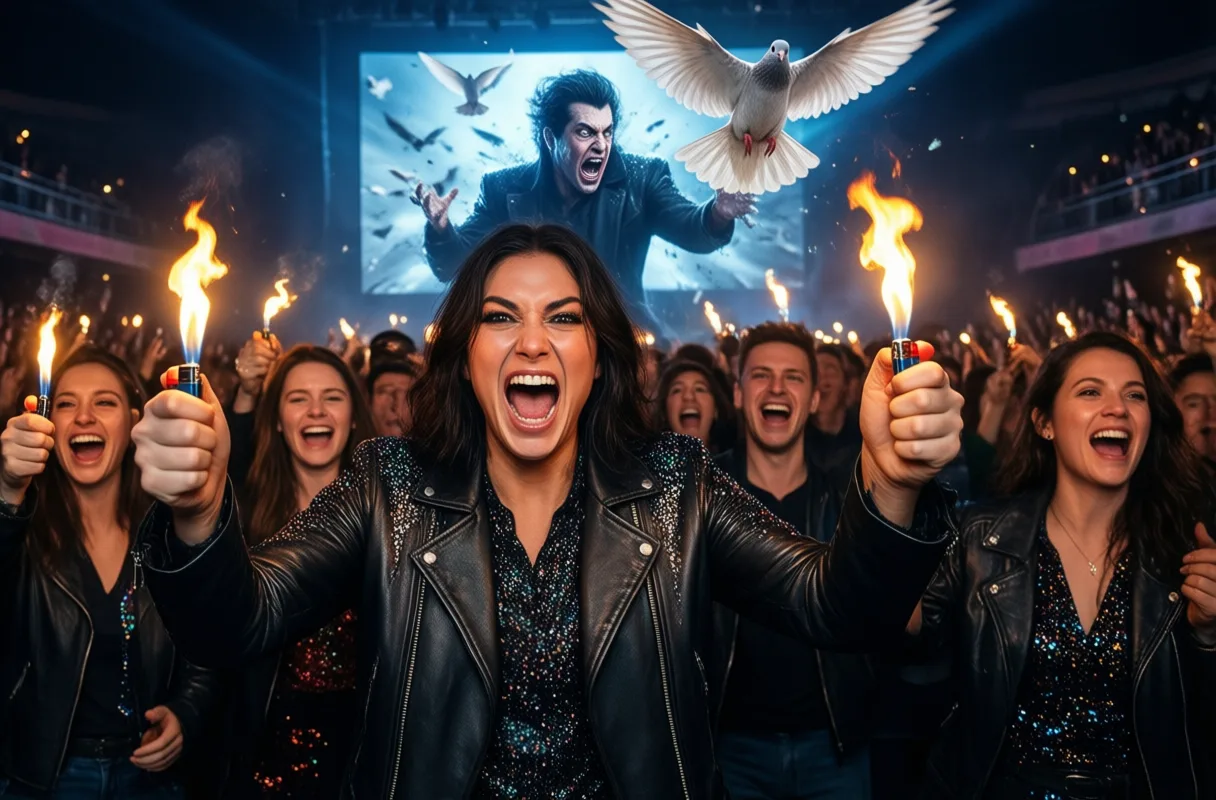
When Did Late Screenings Turn Into Something More Than Just Showtimes?
The shift happened quietly-then exploded. What began as a scheduling quirk became a Cultural detonation. Midnight showings stopped being about availability and started being about identity. To attend was to declare allegiance. Not to a studio. Not to a star. To a Way of being.
The turning point? A haunted castle. A transvestite scientist. A rain-soaked wedding scene. The Rocky Horror Picture Show Didn’t just find its audience at midnight-it weaponized them. Together, they set a new precedent: Oddball films could become cult phenomena Without TV ads or wide releases. All they needed was a room full of believers.
And believe they did. With props. With costumes. With synchronized call-backs sharp enough to cut glass. The film played not as a recording, but as a live event-a loop endlessly reborn through participation. Repeat viewings weren’t accidents. They were devotion.
Soon, other films followed. Eraserhead. The Big Lebowski. Donnie Darko. Each found its congregation in the dark. Each turned screening into sacrament.
How Repeat Viewing Cultivates Devoted Followings
Familiarity breeds not contempt-but communion. The first time you see Rocky Horror, you’re catching plot. The fifth? You’re conducting the orchestra of chaos. Repeat viewings transform spectators into co-creators. Lines become liturgy. Gestures become choreography. The film doesn’t change. But you do.
Devotion grows in the cracks between scenes. In the way someone always drops water balloons during the downpour. In how a whistle cuts through silence exactly when Frank N. Furter descends. These rituals aren’t random. They’re Coded languages of belonging, passed down like family recipes.
- Newcomers are initiates, guided by veterans with prop bags and stern whispers.
- Mistakes are corrected gently-or loudly, depending on the crowd.
- Mastery is measured in timing, volume, and commitment.
This repetition builds muscle memory for rebellion. Every shout, every toss of rice, reinforces the bond. You don’t just love the film. You live inside it. And the more times you return, the deeper the roots grow.
Why Do Certain Films Thrive Only After Dark?
Light exposes. Darkness reveals. Some films need shadows to breathe-stories too strange, too sexual, too savage for matinees. They demand an audience unafraid of ambiguity. Of sweat. Of screaming in unison at a screen like a possessed choir.
These films thrive at midnight because They reject containment. They blur the line between viewer and viewed. They invite intrusion. A thrown egg. A shouted insult. A dance in the aisle. The screen stops being a barrier and starts being a mirror.
Audiences arrive dressed as characters. Not for cosplay. For transformation. A fishnet stocking isn’t fashion-it’s armor. A red lip isn’t makeup-it’s manifesto. In this light, embodiment is resistance. To wear Magenta’s headdress is to claim her labor, her rage, her survival.
And when the credits roll? The real show begins. The crowd spills into the street, still humming the theme, still in character. The film didn’t end. It mutated.
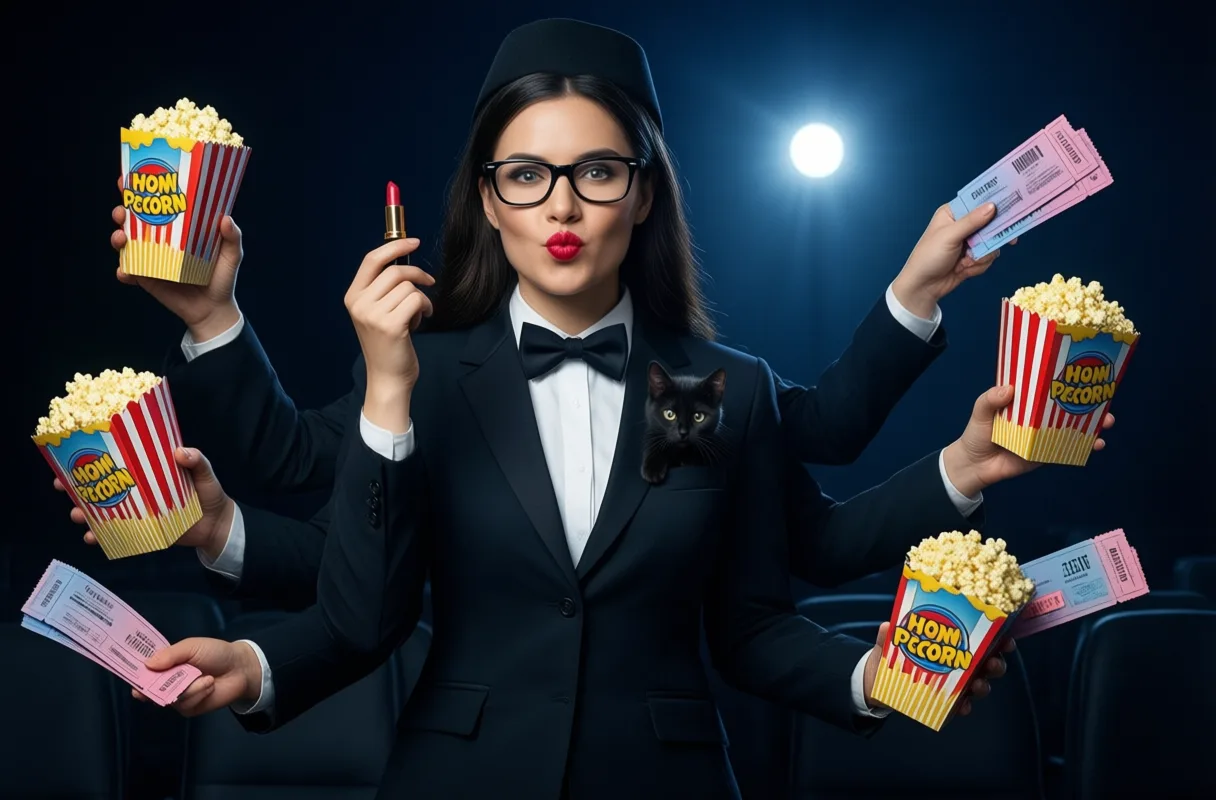
Audience Participation as Shared Performance Art
This isn’t fandom. It’s theater without scripts-or rather, with scripts written in graffiti across decades. The audience doesn’t watch the film. They remix it. Every screening is a live edit, shaped by mood, weather, and collective pulse.
Call-and-response turns cinema into opera. Rice flies during wedding scenes. Water sprays when it rains on screen. Toast appears when commanded. These aren’t gimmicks. They’re Ritual offerings, timed with cult precision.
Some houses have rules. Prop bans. Silence enforced. But the true midnight temple encourages chaos. Controlled? Maybe. Predictable? Never. The energy surges when someone breaks form-adds a new line, flips a gesture, dances off-rhythm. Then the whole room recalibrates. Evolution in real time.
This is performance art born from obsession. Co-created. Unrepeatable. Alive.
The Role of Outsider Identity in Building Fandom from the Margins
Mainstream culture builds walls. Midnight screenings dig tunnels. These spaces have always belonged to those excluded-queer kids, punks, freaks, dreamers with too much eyeliner and not enough permission. The theater at midnight is neutral ground. No IDs checked. No apologies demanded.
To love these films is to love the self they allow you to become. A drag emperor. A nihilist bowling enthusiast. A time-traveling teen with a jet engine heart. The characters reflect fragments of lives too often erased. Seeing them celebrated-even ironically-is salvation.
The community forms in the negative space of rejection.
It grows stronger with every laugh that’s been called “inappropriate.”
Every body that’s been told “too much.”
Here, too much is never enough.
And in that excess-in the glitter, the noise, the shared refusal to sit quietly-that’s where identity solidifies. Not in solitude. In chorus.
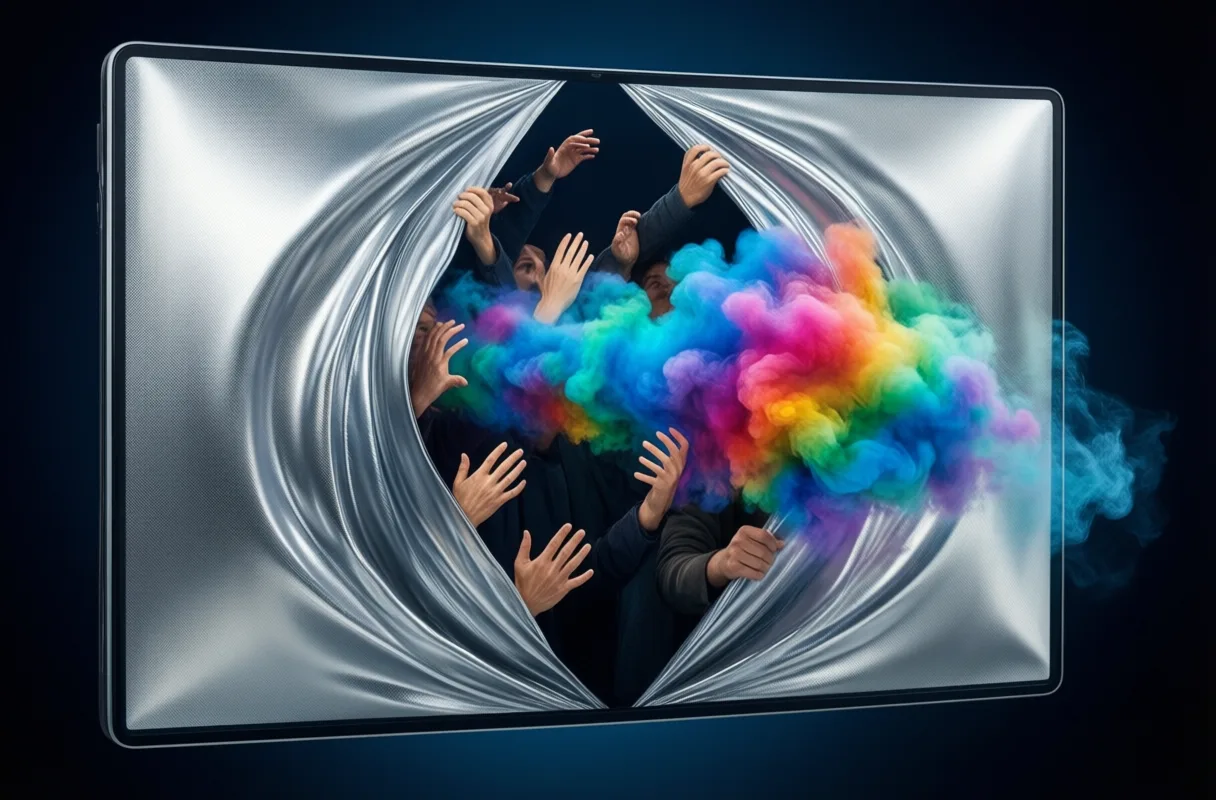
Dressing Up, Speaking Out: Embodiment as Devotion
Costume is not disguise. It’s declaration. Slipping into Riff Raff’s uniform isn’t playacting. It’s alignment. You wear the look to carry the spirit. The fishnets, the leather, the smeared kohl-they’re not accessories. They’re Badges of allegiance, stitched from defiance.
Dressing up is the first act of participation. Before the film starts, you’ve already spoken: I am here. I am not hiding. The aisle becomes a runway. The lobby, a ballroom. And when the lights drop, your silhouette joins the pantheon.
Some come in full regalia. Others in subtle nods-a brooch, a lipstick shade. All are recognized. All are kin. This is fashion as resistance, as ritual, as reclamation. Vivienne Westwood would nod. Tim Burton would weep.
Because this isn’t trend. It’s truth, worn loud.
Beyond Streaming: Why Physical Gatherings Still Resonate
Netflix can’t replicate the smell of popcorn soaked in cheap wine. Algorithms can’t predict when the entire room will groan in unison at Brad’s biceps. Streaming offers convenience. But it kills magic. Cult films need bodies. Heat. Risk.
Digital platforms deliver content. They don’t host ceremonies. You can pause a movie at home. You can’t pause a chant mid-theater, rippling through rows like thunder. You can’t rewind a moment when a stranger hands you a squirt gun and winks.
The persistence of midnight movies in the streaming era proves something vital: People crave lived ritual. Not likes. Not shares. But shared breath. Shared screams. The brush of a feather boa in the dark.
No app delivers that. No server hosts it. Only flesh and film can conjure it.
The Enduring Pulse of the Midnight Experience
The projector stutters. The soundtrack skips. Someone laughs too loud. And for a second, the spell might break. But then-another voice picks up the line. The rhythm returns. Stronger.
This is why the midnight screenings endure. Not because of the films alone. But because of what happens in the space between frames. In the dark. Among the faithful. Where every showing is resurrection. Every chant, a hymn. Every midnight, a beginning.
The Alchemy of Late-Night Cinema
When the Clock Strikes Cult
Back in the day, showing movies at midnight wasn't just about filling seats-it was a deliberate move to attract audiences looking for something different. Theaters used these late slots to screen films that were too strange, too bold, or too out-there for mainstream tastes. This wasn't random; it was a way to build a following among those who didn’t fit the mold. These screenings quietly laid the groundwork for what we now know as cult classics-films that didn’t need box office numbers to prove their worth.
Rituals That Built a Scene
The real magic of the midnight movie wasn’t just in the film-it was in what happened in the theater. Audiences didn’t sit quietly. They dressed up as characters, shouted lines before the actors did, and even threw rice during wedding scenes. These interactive traditions turned passive viewing into a live performance, creating a sense of belonging. One film, The Rocky Horror Picture Show, didn’t just benefit from this trend-it defined it, becoming a cultural touchstone through repeated, ritualistic viewings long before home video made rewatching easy.
More Than a Movie-It’s an Event
Even today, when you can stream almost anything instantly, midnight screenings still draw crowds. Why? Because they offer something algorithms can’t replicate: a shared experience. The laughter, the costumes, the call-and-response-it’s a lived ritual. These screenings endure not because they’re nostalgic, but because they transform watching a movie into something communal, rebellious, and wildly fun. It’s not just about the film on screen; it’s about the people in the room making it matter all over again.
Frequently Asked Questions
Why do cult films thrive at midnight screenings?
Midnight screenings create a space for rebellion, release, and ritual. The darkness dissolves social rules, allowing outsiders to form a tribe through shared defiance and connection.
What role does audience participation play in midnight movies?
Audience participation transforms passive viewing into live performance. Chants, costumes, and props become ritual acts that reinforce belonging and co-create the experience with each screening.
How do repeat viewings strengthen cult film fandoms?
Repeat viewings turn spectators into co-creators. Familiarity turns lines into liturgy and gestures into choreography, deepening devotion and strengthening communal bonds over time.
Why do people still attend physical midnight screenings in the streaming era?
Streaming can’t replicate the heat, risk, or shared breath of a live crowd. Physical gatherings offer lived ritual-screams, whispers, and touch-that only flesh and film together can conjure.
This article was produced with AI assistance. How Twisted Magazine uses AI.
Jalen covers underground music scenes and rising artists, blending sharp analysis with immersive storytelling. He dives into live shows, studio sessions, and street culture, always searching for the pulse beneath the noise and the stories that shape sonic rebellion.